
Peptide Database
Search our comprehensive database of research peptides. Compare pricing across verified vendors, review chemical structures, and find sourcing options.
Found 163 compounds
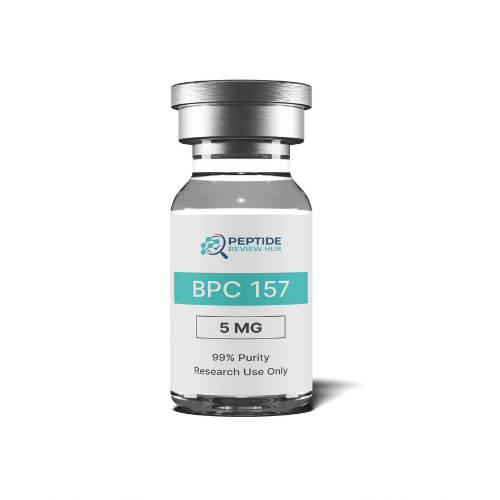
BPC 157
In the stomach of every man lies a substance more powerful than he knows. BPC-157 derives from this source - gastric juice, that most unpoetic of origins for what may prove a considerable discovery. The synthetic version contains fifteen amino acids arranged with the precision nature reserves for her most essential works. It endures where other peptides fail.
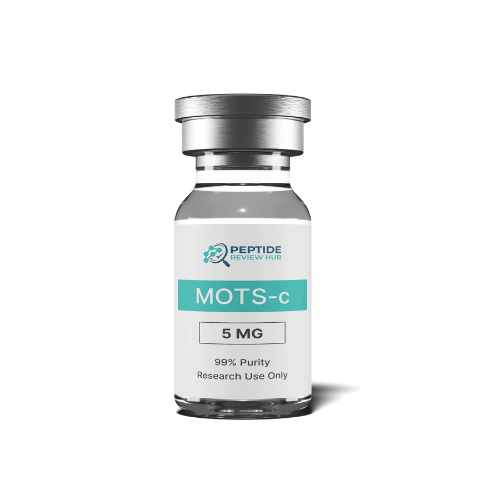
MOTS-c
The Mitochondrial-Derived Peptide MOTS-c promotes metabolic homeostasis and longevity, improves exercise capacity, reduces obesity, insulin resistance and other disease processes such as osteoporosis .
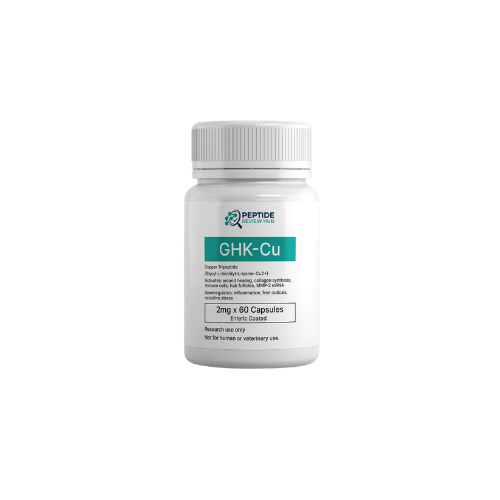
GHK-Cu
(2mg x 60 Capsules) (Copper Tripeptide) GHK-Cu is a small, naturally occurring peptide with the ability to attenuate inflammation, improve antioxidant responses, and improve gene expression on a large scale. Research shows that this copper-chelating peptide may be of critical importance both in the prevention of neurodegenerative disease and as a tool for exploring pathophysiological mechanisms. Studies in mice have revealed that GHK-Cu can protect against neurological insults, improve wound healing, reduce rates of infection, and boost blood vessel growth.
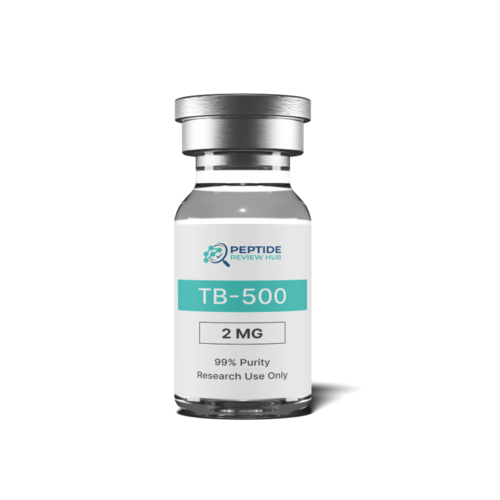
TB-500
Thymosin Beta-4 is a 43 amino acid peptide sequence. In animal models, Thymosin Beta-4 has been shown to improve blood vessel growth, regulate wound healing, decrease inflammation, and reduce oxidative damage in the heart and central nervous system. Thymosin-beta-4 has a role in protection, tissue repair, regeneration and remodeling of injured or damaged tissues. It is also of active interest in anti-aging research.
NAD+
NAD+ is a research-grade cellular coenzyme involved in redox reactions, mitochondrial energy metabolism, DNA repair, and NAD+-dependent signaling pathways. It is widely studied in research involving cellular aging, metabolic function, mitochondrial biology, genomic stability, and neuronal physiology.
Ipamorelin
Ipamorelin is a pentapeptide, meaning that its structure is comprised of five amino acids. It is a GH secretagogue, and is considered to be an agonist, meaning that it possesses the ability to bind certain receptors of a cell and provokes a cellular response. Ipamorelin’s operational mechanics enables the peptide to stimulate the production of pituitary gland-based expression of secretions related to growth amongst animal test subjects. At the same time, the presence of the peptide has been shown to inhibit the production of a secretion known as somatostatin. Additionally, it has been determined that Ipamorelin has the ability to boost the production of IGF-1, or Insulin-like Growth Factor 1. Its presence plays a key role in the overall growth and repair of muscular and skeletal tissue.
Tesamorelin
Tesamorelin 5mg is a synthetic GHRH analog studied for its interaction with the GHRH–GH–IGF-1 signaling pathway. It is researched in areas including visceral adipose tissue, lipid metabolism, endocrine signaling, glucose regulation, and metabolic health. Supplied as a lyophilized peptide, Tesamorelin 5mg is intended strictly for controlled laboratory and preclinical research.
KPV
KPV is a potent anti-inflammatory peptide that has shown promise in a number of disease conditions. The most active research is in the treatment of inflammatory bowel disease where the peptide has showed substantial promise.
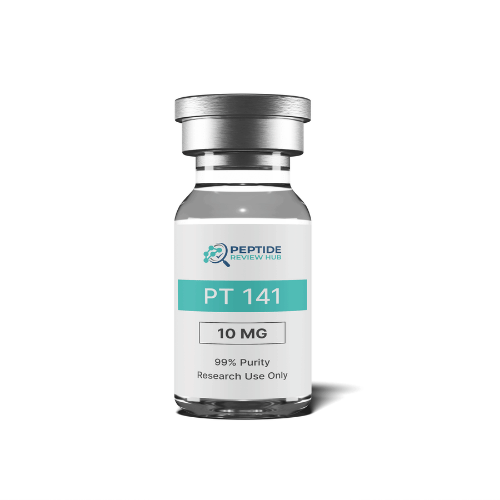
PT 141
PT-141, also called bremelanotide, is sometimes referred to as the female Viagra because the peptide was previously investigated in phase IIb human clinical trials for use in treating female hypoactive sexual desire disorder (HSDD). PT-141 is a melanocortin that binds primarily to melanocortin 4 receptor (MC-4R) and MC-1R. In 2009, PT-141 was also investigated as a treatment for acute hemorrhage. PT-141 is a derivative of another synthetic melanocortin, melanotan 2 (MT-2).
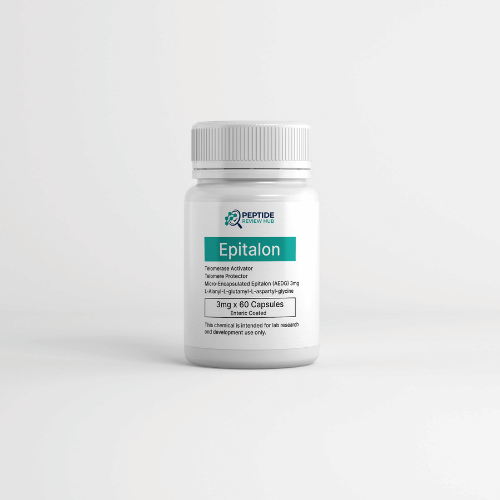
Epithalon
Epithalon (Epitalon) is a synthetic derivative of Epithalamin and a potential modulator of telomerase, the enzyme that maintains and protects the telomere caps at the ends of chromosomes (strands of DNA). Research suggests that Epithalon induces telomere elongation and may fight off the effects of aging as a result.
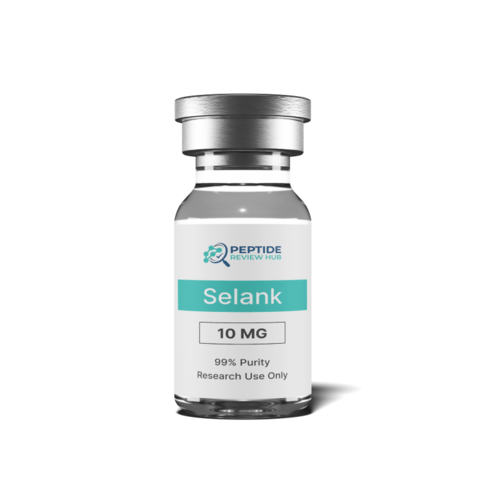
Selank
Selank is a short, synthetic analogue of tuftsin. It has profound anti-anxiety properties. Selank also boosts memory and learning and has been shown to have beneficial effects on pain perception.
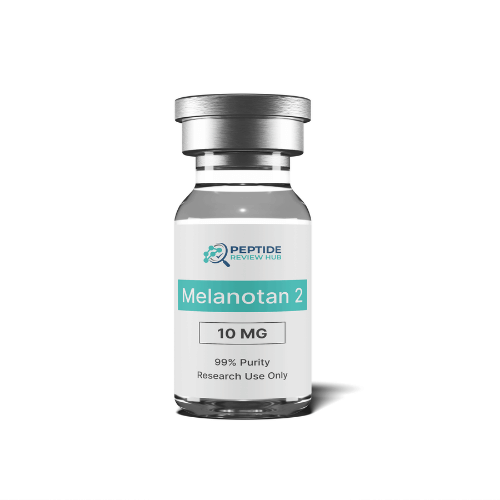
Melanotan 2
Melanotan 2 (MT-2) is a synthetic version of human alpha-melanocyte-stimulating hormone (α-MSH). It was originally developed in the 1980s, at the University of Arizona, after it was found that α-MSH caused sexual arousal in rodents as well as darkening of the skin. Originally designed as a sunless tanning option, MT-2 was eventually found to have a wide range of effects such as: