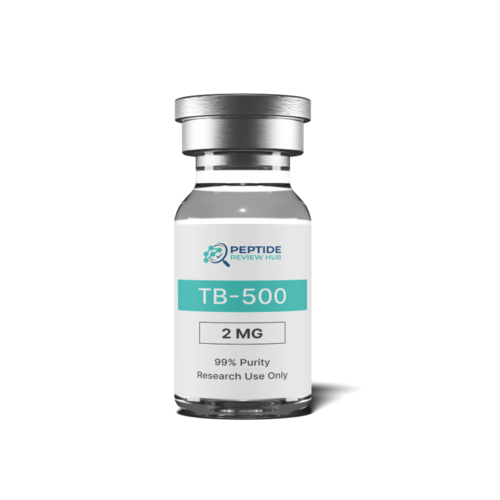
TB-500 is a synthetic research peptide derived from Thymosin Beta-4 (Tβ4), a naturally occurring 43-amino-acid peptide found throughout the body. Researchers investigate TB-500 because of its relationship with tissue repair, wound-healing mechanisms, angiogenesis (blood-vessel formation), cellular migration, inflammation biology, regenerative processes, and tissue remodeling.
As interest in regenerative and recovery-focused peptide research continues to expand, researchers frequently compare TB-500 suppliers based on purity, analytical testing, manufacturing quality, pricing, and supplier transparency.
This TB-500 Vendor Price Comparison Guide helps researchers evaluate suppliers using objective criteria including:
Whether you're searching for the lowest-priced TB-500 supplier, the highest-purity research-grade material, or vendors offering extensive laboratory verification, this guide provides a framework for comparing research peptide suppliers.
Explore TB-500 Vendors by Criteria
Most Popular TB-500 Vendors
Compare suppliers frequently selected by regenerative-medicine and peptide researchers.
Highest Reviewed TB-500 Vendors
Discover peptide suppliers with strong customer satisfaction and positive marketplace reputations.
Lowest Price TB-500 Vendors
Identify vendors offering competitive pricing and favorable cost-per-milligram value.
Highest Purity TB-500 Vendors
Review suppliers providing transparent purity verification and analytical testing.
Best Value TB-500 Vendors
Compare pricing, testing standards, documentation quality, and customer support.
Fastest Shipping TB-500 Vendors
Evaluate fulfillment performance, packaging quality, and shipping reliability.
Newly Listed TB-500 Vendors
Explore recently added suppliers offering TB-500 research peptides.
What Is TB-500?
Overview
TB-500 is a synthetic peptide version derived from active regions of Thymosin Beta-4 (Tβ4), a naturally occurring peptide involved in cellular migration, tissue maintenance, and regenerative biological processes.
Researchers investigate TB-500 because of its relationship with:
Tissue repair mechanisms
Wound-healing biology
Cell migration
Angiogenesis
Inflammation pathways
Tissue remodeling
Regenerative signaling
Cellular adaptation
TB-500 has become one of the most widely discussed peptides in regenerative research.
About Thymosin Beta-4
Parent Molecule
Thymosin Beta-4 is a naturally occurring peptide consisting of 43 amino acids.
Researchers investigate Thymosin Beta-4 because of its association with:
TB-500 was developed as a synthetic research analogue designed to study these biological pathways.
Molecular Characteristics
Peptide Information
Researchers evaluating TB-500 products should carefully review molecular specifications and analytical documentation.
Peptide Name
TB-500
Parent Compound
Thymosin Beta-4
Classification
Synthetic Regenerative Research Peptide
Research Category
Regenerative Medicine & Tissue Repair Research
Peptide Family
Thymosin-Derived Peptides
Product Format
Lyophilized Research Peptide
Why Researchers Compare TB-500 Vendors
Research reproducibility depends heavily on peptide quality and manufacturing consistency.
Differences among suppliers may include:
Purity levels
Batch consistency
Stability testing
Manufacturing standards
Storage conditions
Product documentation
Shipping procedures
Quality-control systems
Careful vendor selection may improve research reliability and experimental consistency.
How We Compare TB-500 Vendors
Third-Party Laboratory Testing
Independent testing remains one of the strongest indicators of peptide quality.
Researchers should prioritize suppliers offering:
Certificate of Analysis (COA)
A quality COA should include:
Batch number
Testing date
Purity percentage
Identity verification
Analytical methodology
Product Purity
Purity remains one of the most important variables when evaluating research peptides.
Higher-purity research materials generally contribute to improved reproducibility and experimental consistency.
Cost Per Milligram
Comparing vial pricing alone can be misleading.
Cost Per Milligram Formula
Product Price ÷ Total Milligrams = Cost Per Milligram
This allows researchers to compare supplier value more effectively.
Customer Reviews
Customer experiences often provide insight regarding:
Vendor Reputation
Established suppliers often demonstrate:
Transparent testing procedures
Reliable quality standards
Consistent inventory availability
Positive customer feedback
Current Research & Evidence
Tissue Repair Research
One of the primary areas of TB-500 research involves tissue-repair biology.
Researchers continue investigating pathways involving:
This remains a major area of scientific interest.
Wound-Healing Research
Experimental studies continue examining pathways involving:
Wound-healing mechanisms
Cellular remodeling
Matrix regulation
Regenerative signaling
Tissue restoration
Researchers continue exploring these biological processes.
Angiogenesis Research
Angiogenesis, or blood-vessel formation, remains one of the most frequently studied areas of TB-500 research.
Scientists investigate pathways involving:
This continues to attract significant scientific interest.
Key Areas of TB-500 Research
Inflammation Research
Researchers investigate TB-500 because of its relationship with:
Inflammatory signaling
Cytokine biology
Cellular stress responses
Immune-system communication
Tissue adaptation pathways
Further investigation remains ongoing.
Tissue Remodeling Research
Studies continue examining pathways associated with:
These processes remain central to regenerative research.
Cardiovascular Research
Thymosin Beta-4-related pathways have generated interest in studies involving:
Researchers continue evaluating these relationships.
Central Nervous System Research
Experimental investigations have explored pathways involving:
Neural resilience
Cellular protection mechanisms
Neuroregenerative signaling
Nervous-system adaptation
Cellular maintenance
Additional studies remain ongoing.
Anti-Aging Research
TB-500 and Thymosin Beta-4 have attracted attention in areas involving:
Healthy aging biology
Tissue maintenance
Cellular resilience
Regenerative function
Structural integrity
This remains an emerging area of scientific investigation.
Potential Areas of Future Research
Researchers continue exploring TB-500 in studies involving:
Interest in these fields continues to expand.
Research Limitations
Most findings involving TB-500 originate from:
Additional studies remain necessary to fully characterize biological mechanisms and long-term outcomes.
Research findings should not be interpreted as evidence of approved therapeutic, pharmaceutical, or medical applications.
Product Quality & Analytical Testing
Why Testing Matters
Research-grade TB-500 products should undergo testing to verify:
Identity
Purity
Stability
Potency
Batch consistency
Common Testing Methods
High-Performance Liquid Chromatography (HPLC)
Used to evaluate purity and identify impurities.
Mass Spectrometry (MS)
Used to verify molecular identity and composition.
Identity Verification Testing
Confirms peptide authenticity.
Stability Testing
Evaluates peptide integrity during storage.
Batch Consistency Testing
Measures reproducibility across manufacturing lots.
Understanding TB-500 Pricing
Several variables influence pricing among peptide suppliers.
Product Purity
Higher-purity products often command premium pricing.
Specialized Manufacturing
Complex peptide synthesis and quality-control procedures can increase production costs.
Analytical Verification
Comprehensive testing programs improve transparency while increasing manufacturing expenses.
Research Demand
Growing interest in regenerative and tissue-repair research contributes to demand.
Vendor Reputation
Trusted suppliers often command higher pricing due to stronger quality-assurance systems.
TB-500 Vendor Evaluation Checklist
Quality Verification
✅ Third-party testing available
✅ Certificate of Analysis provided
✅ Identity verification documented
✅ Purity information disclosed
✅ Batch-specific testing available
✅ Stability information available
Vendor Reliability
✅ Positive customer reviews
✅ Transparent company information
✅ Responsive customer support
✅ Reliable inventory availability
Purchasing Experience
✅ Secure checkout process
✅ Shipment tracking available
✅ Clear refund policies
✅ Reliable order fulfillment
Red Flags When Comparing Vendors
Testing Concerns
❌ No third-party testing
❌ Missing COAs
❌ Unverified purity claims
❌ Missing identity verification
❌ Outdated laboratory reports
Transparency Issues
❌ Hidden specifications
❌ Missing batch information
❌ Limited documentation
❌ No company contact information
Service Problems
❌ Frequent inventory shortages
❌ Poor communication
❌ Negative customer reviews
❌ Unclear shipping policies
Frequently Asked Questions
What is TB-500?
TB-500 is a synthetic peptide derived from Thymosin Beta-4 and investigated primarily for tissue-repair, wound-healing, regenerative, angiogenesis, and cellular-remodeling pathways.
What is TB-500 used for in research?
Researchers investigate TB-500 in studies involving tissue regeneration, cellular migration, wound-healing biology, vascular signaling, inflammation-related pathways, tissue remodeling, and regenerative medicine.
Why compare TB-500 vendors?
Purity, analytical testing, product documentation, pricing, and supplier reliability can vary substantially among peptide vendors.
What should researchers review before purchasing?
Researchers should evaluate:
Why is third-party testing important?
Independent testing helps verify product identity, purity, and batch consistency while improving transparency and reproducibility.
Is the lowest-priced supplier always the best choice?
No. Product quality, testing standards, supplier reliability, and analytical documentation are often more important than price alone.
How often should vendor comparisons be updated?
Pricing, laboratory reports, inventory availability, and supplier policies can change frequently and should be reviewed regularly.
Final Thoughts
TB-500 remains one of the most widely researched regenerative peptides because of its relationship with Thymosin Beta-4 signaling, tissue repair, wound healing, angiogenesis, inflammation biology, and tissue remodeling. Ongoing investigations continue expanding scientific understanding of regenerative mechanisms, cellular adaptation, vascular development, and healthy tissue maintenance.
When comparing TB-500 vendors, researchers should prioritize purity verification, third-party analytical testing, Certificate of Analysis availability, supplier reputation, and overall value rather than focusing exclusively on price. A structured vendor-comparison approach can help identify suppliers capable of meeting rigorous research-quality standards.