
Research Use Only. This compound is not intended for human consumption or therapeutic use.
Where to Buy KPV: Vendor Comparison & Research Info
KPV is a potent anti-inflammatory peptide that has shown promise in a number of disease conditions. The most active research is in the treatment of inflammatory bowel disease where the peptide has showed substantial promise.
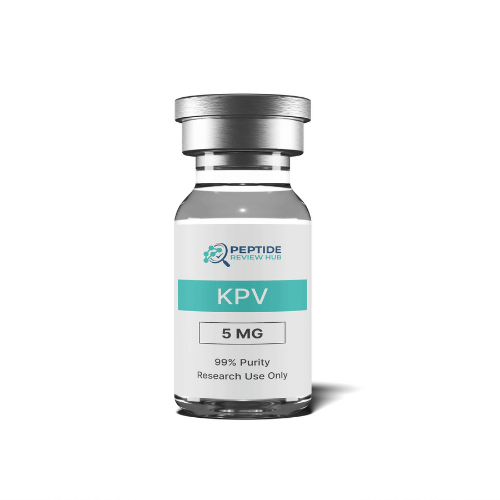
What is KPV?
KPV is a potent anti-inflammatory peptide that has shown promise in a number of disease conditions. The most active research is in the treatment of inflammatory bowel disease where the peptide has showed substantial promise. KPV has been shown in animal studies to be safe and effective when administered orally, intravenously, subcutaneously and transdermal. Research in wound healing also reveals that KPV and other alpha-MSH derivatives may offer a host of benefits that speed wound healing, reduce infection, fight inflammation, and lead to better cosmetic results. KPV and similar peptides could become mainstays not just in wound healing, but in scar reduction following surgery.
Product Usage: This PRODUCT IS INTENDED AS A RESEARCH CHEMICAL ONLY. This designation allows the use of research chemicals strictly for in vitro testing and laboratory experimentation only. All product information available on this website is for educational purposes only. Bodily introduction of any kind into humans or animals is strictly forbidden by law. This product should only be handled by licensed, qualified professionals. This product is not a drug, food, or cosmetic and may not be misbranded, misused or mislabled as a drug, food or cosmetic.
KPV (ACTH(11-13), alpha-MSH)
KPV is the C-terminal peptide fragment of alpha-melanocyte stimulating hormone (alpha-MSH). It is one of many short peptide derivatives of alpha-MSH that has been tested to determine if they retain similar photoprotective properties, activity against ischemia, sexual effects, or benefits on feeding behavior and energy homeostasis. KPV, which is made up of lysine-proline-valine turns out to have significant anti-inflammatory effects[1]. The peptide is under active research as a potential therapeutic in the treatment of inflammatory bowel disease. It has shown evidence of potent anti-inflammatory activity in the central nervous system, GI tract, lungs, vascular system, and joints. Because KPV is a small peptide, it can be administered in multiple ways including oral, intravenous, and transdermal routes.
KPV Peptide Structure
Amino Acid Sequence: Lys-Pro-Val Molecular Formula: C16H30N4O4 Molecular Weight: 342.43 g/mol PubChem CID: 125672 CAS Number: 67727-97-3 Synonyms: MSH (11-13), ACTH(11-13), alpha-MSH(11-13)
KPV Research
Intestinal Inflammation
Perhaps the most important discovery to arise from KPV research is the finding that the peptide reduces intestinal inflammation. In mouse models of inflammatory bowel disease (IBD), KPV shows robust results, reducing inflammatory infiltrates, MPO activity, and overall histological evidence of inflammation. Mice treated with KPV in the study recovered faster and had more pronounced weight gain than mice treated with placebo[2].
Further research on delivery mechanisms for KPV has revealed that loading KPV onto nanoparticles functionalized with hyaluronic acid helps to direct the inflammatory effects of the peptide to proper locations within the intestine. This leads to accelerated mucosal healing and alleviation of inflammation via a strong down regulation of TNF-alpha in mouse models[3]. In many ways, KPV is a more effective and more targeted means of reducing inflammation in IBD without affecting TNF-alpha in other locations in the body. The benefit of modifying KPV is in improving the peptide’s oral bioavailability. This does not increase the efficacy of the peptide, but does have an impact on potency and thus total dose require to achieve an effect.
Research suggests that TNF-alpha is not the only inflammatory mediator that KPV has an impact on. The peptide also reduces NF-kappaB and mitogen-activated protein kinase activity. These effects work in tandem with TNF-alpha inhibition to reduce inflammatory changes in the intestine. Mice treated with KPV have substantially less colonic infiltration and normal colon lengths compared to controls[4].
Of interest in the graph above is the fact KPV appears to only have an effect in the setting of overblown inflammation. It has almost no effect in normal tissue. At least part of the reason for this is that KPV enters colonic cells via a transporter that is unregulated in the setting of inflammation. This suggests that KPV may be an effective preventative or maintenance medication in the setting of IBD. It can be safely taken even during quiescent periods because it has no effect. It taken regularly, then the peptide will be available when needed and simply excreted otherwise. Professor Didier Merlin, who has led a great deal of research into the potential GI benefits of KPV, has recently found that the peptide enters colonic cells via PepT1, a protein channel that is only expressed in any real quantity in the intestine during inflammatory states. This helps to explain why KPV is more effective in already inflamed settings. It also suggests a new mode of drug delivery that could be applicable to a number of conditions. By targeting proteins that are altered in disease conditions, even if they are not directly pathogenic, it may be possible to concentrate the activity of drugs in certain areas. This could allow for decreased dosing of drugs with serious side effects and the development of drugs that, while not potent on their own, are formidable therapeutics in the setting of the right disease state.
KPV as a General Anti-Inflammatory
As far back as 1984, research in rabbits revealed that KPV is a powerful anti-inflammatory and fever reducer (anti-pyretic). In this setting, however, KPV had lower potency than the full alpha-MSH molecule. This suggested to scientists at the time that KPV was lacking some portion of the alpha-MSH molecule necessary for full anti-pyretic activity[5]. What ensued was decades of research investigating various modified forms of alpha-MSH.
Perhaps the biggest lesson learned from these tests is that alpha-MSH and several of its analogues all reduce inflammation in a wide variety of disease. So far, the molecules have been tested in fever, irritant and allergic contact dermatitis, vasculitis, fibrosis, arthritis and inflammation of the eyes, brain, lungs, and gastrointestinal tract. In all cases, alpha-MSH is the most effective anti-inflammatory. Unfortunately, it suffers from one major side effect – it causes skin pigmentation. KPV, on the other hand, does not have this side effect. And even though KPV is not as potent as the intact alpha-MSH, its lack of side effects means that boosting levels to achieve desired target effects is theoretically possible in most cases[6].
The difference in potency has been found to be minimal, at best, as the majority of anti-inflammatory effects of alpha-MSH are, in fact, due to the KPV section. What is interesting, however, is that the parent molecule appears to be better at suppressing late-stage inflammatory reaction. In the case of contact dermatitis, for instance, alpha-MSH does a better job of preventing an allergic inflammatory response at 2 weeks post initial exposure. This suggests that alpha-MSH may be affecting some aspect of immune modulation that is separate from the immediate inflammatory response[7]. Work is still being done to determine what this process is.
Graph shows ear swelling due to contact dermatitis at 24 hours (left) and 2 weeks (right). Note that co-administration of KPV with the irritant is nearly as effective as co-administration of alpha-MSH with the irritant at 24 hours. At 2 weeks, however, exposure to the stimulus without co-administration of the peptides shows much less swelling with alpha-MSH compared to KPV.
Wound Healing
Wound healing is a complex physiological process. Scientists have identified three general phases in the wound healing process: inflammatory, proliferative, and remodeling. Each phase is characterized by differences in cell populations and cytokine concentrations and represents a unique chemical/physiological milieu for potential intervention. Research shows that even though each stage of the wound healing process is characterized by different skin cell subtypes, the majority of these cells express a melanocortin 1 receptor (MC1R) that binds alpha-melanocyte-stimulating hormone. Of course, this also means that these cells types bind alpha-MSH analogues like KPV and KdPT as well[6].
Because these alpha-MSH derivatives retain some of the properties of alpha-MSH, but lack others, they offer potential benefits in wound healing. For instance, KPV offers the inflammatory properties of alpha-MSH, but lacks the pigment-inducing activity of its parent peptide. This makes KPV a good candidate for improving wound healing while avoiding the skin-changing characteristics often associated with natural scar formation (a phenomenon disproportionately affecting darker-skinned individuals).
One of the reasons that KPV is anti-inflammatory is that it participates in the innate immune response against two common skin pathogens. Research shows that KPV inhibits the growth of both Staphylococcus aureus and Candida albicans. These benefits occur at physiological concentrations, meaning that KPV could provide an effective means of preventing infection in the setting of serious wounds like burns. This benefit of KPV is in contrast to other anti-inflammatory medications that actually inhibit the ability of the body to fight off infection. Thus, KPV combines anti-inflammatory activity with antimicrobial activity[8].
KPV actually serves as a structural model in recent research looking to replicate the anti-fungal effects of the peptide in novel therapeutics. The idea is that the 3D structure of KPV is what makes it an effective anti-fungal and that replicating this structure could allow researchers to develop compounds that have the same anti-fungal activity but different effects on other biological processes[9].
Scar Formation
In accordance with the known benefits of KPV in first stage (inflammation) of wound healing, research has also investigated its role in the other two stages of wound healing. It appears that KPV is able to reduce the kind of chronic inflammation that leads to hypertrophic scar (e.g., keloid) formation. This type of scarring is characterized by widespread macrophage infiltration, TNF immunoreactivity, and neutrophil abundance. Administration of alpha-MSH in this setting leads to smaller scars and a less drastic inflammatory response[10]. Similar effects have been noted in other tissues such as lung and heart. These findings raise the hope that KPV could be useful in preventing the kind of scarring seen with certain chemotherapy agents[11]–[13]. This would not only reduce the side effects of cancer treatment, but could allow for the use of increased concentrations of these medications and thus better outcomes in cancer treatment.
According to Dr. Didier Merlin, at least part of the benefit of KPV in reducing scar prominence appears to arise from its ability to modulate collagen metabolism. Alpha-MSH and its analogues suppress IL-8 secretion, which inhibits collagen type 1 production. This is important during the last phase of wound healing, remodeling, as it has been shown that people prone to keloid formation and hypertrophic scarring have less MC1R mRNA expression on dermal fibroblasts[14].
KPV versus Alpha-MSH
While alpha-MSH is the more potent molecule of the two, it has one serious disadvantage when compared to KPV – it causes skin pigmentation. This side effect alone has been enough to discourage further research into intact alpha-MSH as a potential anti-inflammatory. KPV is favored because it retains most of the anti-inflammatory properties of alpha-MSH yet has none of the side effects. KPV is also exceptionally easy to manufacture and thus has benefit from a cost and logistics standpoint as well[15]. Dr. Thomas Luger, a renowned dermatologist and expert in inflammatory diseases of the skin, has published on KPV extensively. His work demonstrates that the peptide has potent anti-inflammatory properties with few adverse effects.
It is also important to note that the anti-inflammatory effects of KPV appear to be mediated through a different mechanism than those of alpha-MSH. Whereas alpha-MSH binds to specific melanocortin receptors, KPV does not. Evidence of this comes from mouse studies in which blocking MC3/4 receptors, which mediate the anti-inflammatory effects of alpha-MSH, has no impact on the anti-inflammatory effects of KPV. Specifically, blocking these receptors does not block the leukocyte migration effects induced by KPV[16].
Another appealing aspect of KPV is the ease with which the peptide can be administered. Research in animal models has shown that KPV can be administered both orally, subcutaneously and via injection (peripherally or centrally) without serious side effects. Recently, similar research showed that KPV could be administered trans-dermally with success[17]. The ability to administer the drug via multiple routes is not just a matter of convenience either. Different routes of administration affect the way the peptide works and where its anti-inflammatory effects are targeted. The ability to alter the method of delivery makes it possible for scientists to target different areas within the body for treatment.
KPV Summary
KPV is a potent anti-inflammatory peptide that has shown promise in a number of disease conditions. The most active research is in the treatment of inflammatory bowel disease where the peptide has showed substantial promise. KPV has been shown in animal studies to be safe and effective when administered orally, intravenously, subcutaneously and through the skin. Research in wound healing also reveals that KPV and other alpha-MSH derivatives may offer a host of benefits that speed wound healing, reduce infection, fight inflammation, and lead to better cosmetic results. KPV and similar peptides could become mainstays not just in wound healing, but in scar reduction following surgery.
KPV exhibits minimal side effects, low oral and excellent subcutaneous bioavailability in mice. Per kg dosage in mice does not scale to humans. KPV for sale at peptide Review hub is limited to educational and scientific research only, not for human consumption. Only buy KPV if you are a licensed researcher.
Article Author
The above literature was researched, edited and organized by Dr. E. Logan, M.D. Dr. E. Logan holds a doctorate degree from Case Western Reserve University School of Medicine and a B.S. in molecular biology.
Where to Buy KPV Online
| Action | ||||||
|---|---|---|---|---|---|---|
1 |  Dragon Peptides Verified | 9.0/10 Editorial Rating | $50.00 5mg vial | $10.00/mg | Out of Stock | Visit Site |
2 | 9.0/10 Editorial Rating | $69.00 5mg vial | $13.80/mg | In Stock | Visit Site | |
3 | 8.3/10 Editorial Rating | $40.00 10mg vial | $4.00/mg | In Stock | Visit Site | |
4 | 7.8/10 Editorial Rating | $24.99 73mg vial | $0.34/mg | In Stock | Visit Site | |
5 | 7.8/10 Editorial Rating | $59.99 mg vial | $/mg | In Stock | Visit Site | |
6 | 7.0/10 Editorial Rating | $54.99 10mg vial | $5.50/mg | In Stock | Visit Site | |
7 | 6.9/10 Editorial Rating | $29.00 10mg vial | $2.90/mg | In Stock | Visit Site | |
8 |  Pure Peptide Labs Verified | 5.0/10 Editorial Rating | $64.95 10mg vial | $6.50/mg | In Stock | Visit Site |
9 | 4.0/10 Editorial Rating | $49.95 5mg vial | $9.99/mg | In Stock | Visit Site | |
10 | N/A/10 Editorial Rating | $59.99 10mg vial | $6.00/mg | In Stock | Visit Site | |
11 | N/A/10 Editorial Rating | $32.95 10mg vial | $3.30/mg | In Stock | Visit Site | |
12 | N/A/10 Editorial Rating | $70.00 10mg vial | $7.00/mg | In Stock | Visit Site | |
13 | N/A/10 Editorial Rating | $37.00 10mg vial | $3.70/mg | In Stock | Visit Site | |
14 | N/A/10 Editorial Rating | $55.00 10mg vial | $5.50/mg | In Stock | Visit Site | |
15 | N/A/10 Editorial Rating | $69.00 10mg vial | $6.90/mg | In Stock | Visit Site | |
16 | N/A/10 Editorial Rating | $49.00 10mg vial | $4.90/mg | In Stock | Visit Site | |
17 |  New Wave Peptides Verified | N/A/10 Editorial Rating | $29.50 10mg vial | $2.95/mg | In Stock | Visit Site |
18 | N/A/10 Editorial Rating | $119.00 10mg vial | $11.90/mg | In Stock | Visit Site | |
19 | N/A/10 Editorial Rating | $45.99 10mg vial | $4.60/mg | In Stock | Visit Site | |
20 | N/A/10 Editorial Rating | $59.99 10mg vial | $6.00/mg | In Stock | Visit Site | |
21 | N/A/10 Editorial Rating | $250.00 10mg vial | $25.00/mg | In Stock | Visit Site | |
22 | N/A/10 Editorial Rating | $85.00 10mg vial | $8.50/mg | In Stock | Visit Site | |
23 | N/A/10 Editorial Rating | $55.00 10mg vial | $5.50/mg | In Stock | Visit Site | |
24 | N/A/10 Editorial Rating | $49.99 10mg vial | $5.00/mg | In Stock | Visit Site | |
25 | N/A/10 Editorial Rating | $240.00 100mg vial | $2.40/mg | In Stock | Visit Site | |
26 | N/A/10 Editorial Rating | $43.99 5mg vial | $8.80/mg | In Stock | Visit Site | |
27 | N/A/10 Editorial Rating | $585.00 10mg vial | $58.50/mg | In Stock | Visit Site | |
28 | N/A/10 Editorial Rating | $44.99 10mg vial | $4.50/mg | In Stock | Visit Site | |
29 | N/A/10 Editorial Rating | $68.79 10mg vial | $6.88/mg | In Stock | Visit Site | |
30 | N/A/10 Editorial Rating | $143.00 10mg vial | $14.30/mg | In Stock | Visit Site | |
31 | N/A/10 Editorial Rating | $44.00 10mg vial | $4.40/mg | In Stock | Visit Site | |
32 | N/A/10 Editorial Rating | $29.99 10mg vial | $3.00/mg | In Stock | Visit Site | |
33 | N/A/10 Editorial Rating | $81.69 10mg vial | $8.17/mg | In Stock | Visit Site | |
34 | N/A/10 Editorial Rating | $60.00 10mg vial | $6.00/mg | In Stock | Visit Site | |
35 | N/A/10 Editorial Rating | $39.99 10mg vial | $4.00/mg | In Stock | Visit Site | |
36 | N/A/10 Editorial Rating | $49.00 10mg vial | $4.90/mg | In Stock | Visit Site | |
37 | N/A/10 Editorial Rating | $43.00 5mg vial | $8.60/mg | In Stock | Visit Site | |
38 | N/A/10 Editorial Rating | $42.00 10mg vial | $4.20/mg | In Stock | Visit Site | |
39 | N/A/10 Editorial Rating | $12.00 5mg vial | $2.40/mg | Out of Stock | Visit Site | |
40 | N/A/10 Editorial Rating | $49.00 10mg vial | $4.90/mg | In Stock | Visit Site | |
41 |  RIVN Peptides Verified | N/A/10 Editorial Rating | $39.99 10mg vial | $4.00/mg | In Stock | Visit Site |
42 |  Blue Line Research Verified | N/A/10 Editorial Rating | $45.00 mg vial | $/mg | In Stock | Visit Site |
43 | N/A/10 Editorial Rating | $60.00 10mg vial | $6.00/mg | In Stock | Visit Site | |
44 | N/A/10 Editorial Rating | $59.00 10mg vial | $5.90/mg | In Stock | Visit Site |

































Top-Ranked Vendor
Dragon Peptides Review & Business Profile
Research date: September 28, 2026
Brand reviewed: Dragon Peptides
Website: dragon-peptides.to
Research note: I found several similarly named peptide businesses and domains, including Drakon Peptides. I excluded those from the assessment. The findings below relate specifically to dragon-peptides.to. Where information could not be independently verified, I have marked it accordingly.
Executive Scorecard
CategoryScoreCOA Transparency5/10
Reputation2/10
Pricing8/10
Policies5/10
Shipping6/10
Catalog8/10
Overall5.7/10
Overall Score: 5.7/10
1. COA Transparency — 5/10
Dragon Peptides makes several strong quality claims on its website, including 99% purity, independent quality testing, third-party purity testing and availability of Certificates of Analysis. Individual product pages also describe products as “lab tested” and repeatedly state that COAs are provided. (DRAGON-PEPTIDES.TO)
However, the major limitation is public verifiability. During this review, I could not locate a clearly organized, publicly accessible COA library showing batch numbers, laboratory names, testing dates and downloadable original reports for the catalog. The website's own content therefore establishes that Dragon Peptides claims to conduct testing, but does not provide enough easily accessible documentation to independently verify testing frequency or batch-by-batch results. Finnrick, an independent peptide-testing database, also did not return a Dragon Peptides vendor profile or test record in the searches conducted. (Finnrick)
Assessment: The testing claims are visible, but the supporting documentation could be considerably more transparent.
2. Reputation — 2/10
The publicly verifiable independent reputation footprint for dragon-peptides.to is limited. I could not verify a Trustpilot profile or Finnrick rating specifically for this domain, and I found no reliable Google Reviews or BBB profile attributable to the same brand/domain.
A third-party Trustprofile page for dragon-peptides.to currently displays an “Unsafe domain reported” warning and references a ScamAdviser report. (Trustprofile) Gridinsoft separately assigns the domain a 4/100 automated trust score and classifies it as “Suspicious Website.” Importantly, Gridinsoft says its assessment is based on automated technical/content signals and limited independent reputation data; it is not equivalent to verified customer-review evidence. (Gridinsoft LLC)
The website itself contains customer reviews on product pages, with positive comments about shipping, packaging and product quality, but these are first-party reviews hosted by the seller, so they should not be weighted the same as independent review-platform feedback. (DRAGON-PEPTIDES.TO)
Assessment: The principal weakness is the lack of a substantial, independently verifiable review history.
3. Pricing — 8/10
Dragon Peptides publishes prices directly on its catalog, with currently displayed products ranging approximately from $20 to $120. The site also prominently advertises 40% discounts on numerous products. Examples include BPC-157 5mg at $24, CJC-1295 DAC 5mg at $39, Ipamorelin 5mg at $27, Selank 10mg at $27 and TB-500 10mg at $27. (DRAGON-PEPTIDES.TO)
These prices appear competitive against publicly listed research-peptide prices. For example, a February 2026 market survey cited CJC-1295 DAC prices of approximately $8.40–$14 per mg among surveyed vendors, while Dragon Peptides' listed $39 price for 5mg equates to $7.80/mg before considering any additional promotion. (Peptide Commons)
The site also states that bulk-order pricing can be adjusted according to its bulk-discount policy. (DRAGON-PEPTIDES.TO)
There is no clearly documented loyalty/rewards program that I could independently verify.
Assessment: Pricing is one of the site's stronger commercial features, although discount terminology should be interpreted against the actual checkout price rather than the advertised percentage.
4. Policies — 5/10
Dragon Peptides provides dedicated pages for Terms of Use and Refunds & Returns, which is a positive transparency signal. The current refund page states that orders can be cancelled before shipment and that shipped products generally cannot be returned. Damaged, incorrect or missing orders may qualify for a refund or replacement following verification. (DRAGON-PEPTIDES.TO)
However, there are some policy inconsistencies. The current refund page describes a specific refund framework, while the Terms of Use contain additional and sometimes different operational rules concerning cancellations, lost packages, damaged products, seized shipments and reshipments. The Terms page also states that products are tested before receipt and that quality issues should be reported through a support ticket. (DRAGON-PEPTIDES.TO)
The homepage currently advertises a 60-day money-back guarantee, but the dedicated refund policy appears considerably narrower, limiting refunds primarily to verified shipping errors or product damage. (DRAGON-PEPTIDES.TO)
Assessment: Policies are available, but they would benefit from consolidation and clearer alignment.
5. Shipping — 6/10
Dragon Peptides provides unusually detailed shipping information. Its current shipping page states that the company offers U.S. domestic fulfillment at approximately five days, international fulfillment at up to 15 days, and tracking for all shipments. It lists a $45 flat worldwide shipping fee and says international orders are fulfilled from European warehouses. (DRAGON-PEPTIDES.TO)
The company also describes discreet, neutral packaging and says larger orders can be split into multiple packages. (DRAGON-PEPTIDES.TO)
However, there is a notable contradiction between the current shipping page and the Terms of Use. The shipping page describes both U.S. domestic and international fulfillment, whereas the Terms page says international shipping only and no domestic service. The Terms page additionally describes an average arrival window of 7–20 days. (DRAGON-PEPTIDES.TO)
Assessment: Shipping information is detailed, but customers would benefit from a single authoritative shipping policy with consistent delivery estimates and fulfillment-origin information.
6. Catalog — 8/10
Catalog breadth is a significant feature of the website. The peptide catalog includes compounds such as BPC-157, CJC-1295 DAC, Ipamorelin, Selank, Semax, Sermorelin, TB-500, Tesamorelin, MOTS-c, GHK-Cu, PT-141, Epitalon, IGF-1 LR3, Melanotan II, Retatrutide, Mazdutide and Survodutide, along with blends and other categories. (DRAGON-PEPTIDES.TO)
The catalog is organized into categories including peptides, blends and SARMs, with product filtering by price and sorting by title, manufacturer and price. The first catalog page alone contains more than 20 visible products and pagination indicates additional pages. (DRAGON-PEPTIDES.TO)
The homepage claims 200+ peptide variants, although I could not independently verify the exact total from the accessible catalog during this review. (DRAGON-PEPTIDES.TO)
Assessment: The catalog is broad and reasonably organized, with a substantial range of conventional and specialty research compounds.
SECTION 2: WHAT WE LIKE & WHAT COULD BE BETTER
What We Like
Broad catalog: The site offers a substantial range of peptides, blends and related research compounds. (DRAGON-PEPTIDES.TO)
Visible pricing: Product prices are publicly displayed rather than requiring customers to request quotations. (DRAGON-PEPTIDES.TO)
Quality claims are clearly presented: The website explicitly discusses third-party testing, purity and COAs. (DRAGON-PEPTIDES.TO)
Detailed shipping information: The dedicated shipping page provides shipping costs, estimated timelines and tracking information. (DRAGON-PEPTIDES.TO)
Dedicated policies: Refund, returns and terms pages are available.
Research-use disclaimer: The website clearly states that products are intended for research and development and not human or animal consumption. (DRAGON-PEPTIDES.TO)
Multiple customer-support channels/claims: The homepage advertises 24/7 chat and phone support. (DRAGON-PEPTIDES.TO)
What Could Be Better
Public COA access: Make batch-specific original COAs easily searchable and downloadable by product and lot number.
Independent reputation: Establish a stronger presence on recognized third-party review platforms.
Policy consistency: Resolve differences between the current shipping/refund pages and the older Terms of Use. (DRAGON-PEPTIDES.TO)
Company transparency: Headquarters and detailed corporate information are not clearly disclosed on the official website.
Testing verification: Publishing laboratory names, test dates, batch IDs and complete analytical results would make quality claims substantially easier to verify.
Third-party reputation signals: Independent services currently provide limited or unfavorable domain-level signals, although these should not be interpreted as proof of product quality or fraud. (Trustprofile)
SECTION 3: ONLINE RATINGS & REVIEWS
Trustpilot
Rating: Information Not Publicly Available / no verified Trustpilot profile found for dragon-peptides.to
Review Count: Information Not Publicly Available
I specifically searched for a Trustpilot profile associated with the reviewed domain. Search results instead surfaced Drakon Peptides / drakonpeptides.com, which is a different domain and therefore has not been included in this assessment.
Key Positive Themes
The official website contains positive customer testimonials mentioning:
Fast shipping
Secure packaging
Product consistency
Responsive customer service
Competitive pricing
These are seller-hosted testimonials, not independent Trustpilot reviews. (DRAGON-PEPTIDES.TO)
Key Negative Themes
Information Not Publicly Available from a verified Trustpilot profile.
Finnrick
Rating: Information Not Publicly Available
Vendor Listing: No Dragon Peptides listing/test record located in the Finnrick searches conducted.
Finnrick states that its vendor rankings are based on independent test data and that vendor-supplied COAs do not determine its rankings. (Finnrick)
Because I could not locate a Dragon Peptides record, there is no Finnrick rating that should be attributed to this brand.
Key Findings
No verified Finnrick vendor rating found.
No verified Finnrick batch-testing history found.
No independent Finnrick purity score can therefore be assigned.
Notable Observation
The absence of a Finnrick record does not prove that Dragon Peptides products are untested or poor quality. It simply means that I could not verify a Finnrick test history for the brand during this research.
Other Review / Reputation Sources
Trustprofile
Trustprofile has a profile for dragon-peptides.to, but it currently displays an “Unsafe domain reported” warning and references ScamAdviser. (Trustprofile)
Gridinsoft
Gridinsoft currently reports a 4/100 automated trust score and categorizes the domain as suspicious. Its report emphasizes limited independent reputation data, medical-risk signals and automated website checks. This is a website-risk assessment, not a customer satisfaction rating or laboratory product-quality assessment. (Gridinsoft LLC)
Overall Public Sentiment
The independent public-review footprint is too limited to establish a reliable overall customer sentiment trend.
The available first-party product reviews are predominantly positive, particularly around shipping, packaging and customer support. However, because those reviews are hosted on the company's own website, they should be treated separately from independently verified customer reviews. (DRAGON-PEPTIDES.TO)
SECTION 4: BRAND OVERVIEW
Company Name
Dragon Peptides
Website
Industry
Research chemicals / research peptides
Main Products
BPC-157, TB-500, CJC-1295, Ipamorelin, Selank, Semax, Sermorelin, Tesamorelin, GHK-Cu, MOTS-c, Epitalon, PT-141, IGF-1 LR3, Retatrutide, Mazdutide, Survodutide and various peptide blends. (DRAGON-PEPTIDES.TO)
Headquarters
Information Not Publicly Available.
A Crunchbase profile identifies Dragon Peptides as an active private biotechnology company and associates it with dragon-peptides.to, but does not provide a clearly verified headquarters location. (Crunchbase)
Shipping Regions
The company advertises U.S. domestic and international shipping. It says international fulfillment can originate from European warehouses. However, its Terms of Use contain different shipping language, so this should be independently confirmed before ordering. (DRAGON-PEPTIDES.TO)
Payment Methods
Information Not Publicly Available from the accessible official pages reviewed.
Company Summary
Dragon Peptides presents itself as a supplier of research-grade peptide products serving researchers and other customers internationally. Its website positions the company around product purity, independent testing, competitive pricing and discreet fulfillment. The catalog is relatively broad, covering individual peptides, peptide blends and additional research-chemical categories. (DRAGON-PEPTIDES.TO)
The company publicly lists product prices and currently promotes discounts on numerous products. Its catalog includes both established research compounds and newer/specialty compounds, providing considerable breadth for customers looking for a single supplier across multiple research categories. (DRAGON-PEPTIDES.TO)
Dragon Peptides also publishes dedicated pages covering shipping, refunds and terms. Its current shipping information describes U.S. and international fulfillment, tracking and a $45 worldwide flat shipping charge. (DRAGON-PEPTIDES.TO) Its refund policy allows cancellation before shipment and provides remedies for verified damaged, incorrect or missing orders. (DRAGON-PEPTIDES.TO)
The primary information gap is independent verification. Although the company advertises third-party testing and COAs, a comprehensive public batch-level COA archive and independent Finnrick testing record were not located. Likewise, an established independent customer-review history was not verified.
SECTION 5: FINAL VERDICT
Dragon Peptides appears to be an online research-peptide supplier with a broad catalog, publicly displayed pricing and detailed operational policies. The company clearly positions its products as research-use materials and makes multiple claims regarding purity, independent testing and COA availability. (DRAGON-PEPTIDES.TO)
Its strongest documented commercial characteristics are catalog breadth, competitive-looking pricing, publicly available product information and a relatively detailed shipping policy. The company also provides dedicated refund and terms pages, which gives customers more information than a site with no formal policies.
The principal concern is independent verification rather than any single documented product failure. I could not verify a Trustpilot rating, Finnrick rating, Google Reviews profile or BBB profile specifically associated with dragon-peptides.to. I also could not locate a comprehensive public database of batch-specific COAs. Independent website-reputation services currently provide unfavorable automated assessments, although those assessments should not be treated as proof that the company's products are fraudulent or defective. (Trustprofile)
For researchers evaluating the supplier, the most important due-diligence question is therefore whether current, batch-specific laboratory documentation can be independently obtained and matched to the product being purchased. The company would materially strengthen its public credibility by publishing those records, clarifying its corporate identity and resolving inconsistencies between its shipping and terms pages.
Overall Score: 5.7/10
This review reflects publicly available information located on September 28, 2026. Lack of publicly available evidence is reported as such and should not be interpreted as evidence that a claim is false.
Chemical Properties & Handling
Standard storage protocols for lyophilized peptides generally apply unless otherwise specified.
- Lyophilized (Powder): Store at -20°C for up to 3 years. Keep away from direct light and moisture.
- Reconstituted (Liquid): Store at 2-8°C (refrigerated) and use within 20-30 days to maintain stability.
Research Reviews
No Research Reviews Yet
Be the first to share your research protocol and vendor experience with KPV.
Best KPV Vendors & Price Comparison
KPV (Lys-Pro-Val) is a short tripeptide derived from the C-terminal region of alpha-melanocyte-stimulating hormone (α-MSH) that has become a significant area of research in inflammation biology, gastrointestinal science, wound healing, dermatology, and immune regulation. Researchers investigate KPV because it appears to retain many of the anti-inflammatory properties of α-MSH while lacking some of the pigmentation-related effects associated with the parent peptide.
As interest in anti-inflammatory peptides continues to grow, researchers frequently compare KPV suppliers based on purity, analytical testing, pricing, product quality, and vendor transparency.
This KPV Vendor Price Comparison Guide helps researchers evaluate suppliers using objective criteria including:
Product Pricing
Cost Per Milligram
Product Purity
Third-Party Testing
Certificate of Analysis (COA)
Vendor Reputation
Customer Reviews
Shipping Performance
Product Availability
Overall Value
Whether you're looking for the lowest-priced KPV supplier, the highest-purity research-grade product, or vendors with extensive laboratory verification, this guide provides a framework for comparing peptide suppliers.
Explore KPV Vendors by Criteria
Most Popular KPV Vendors
Compare suppliers frequently selected by inflammation and gastrointestinal researchers.
Highest Reviewed KPV Vendors
Discover peptide suppliers with strong customer satisfaction and positive marketplace reputations.
Lowest Price KPV Vendors
Identify vendors offering competitive pricing and favorable cost-per-milligram value.
Highest Purity KPV Vendors
Review suppliers providing transparent purity verification and analytical testing.
Best Value KPV Vendors
Compare product quality, testing standards, customer support, and pricing.
Fastest Shipping KPV Vendors
Evaluate order fulfillment performance, packaging quality, and shipping reliability.
Newly Listed KPV Vendors
Explore recently launched suppliers offering KPV research peptides.
What Is KPV?
Overview
KPV is a tripeptide composed of three amino acids:
Lysine – Proline – Valine
It is derived from the C-terminal region of alpha-melanocyte-stimulating hormone (α-MSH) and is often referred to as:
KPV
ACTH (11-13)
α-MSH (11-13)
MSH (11-13)
Researchers investigate KPV because of its relationship with:
Inflammatory signaling
Cytokine regulation
Gastrointestinal inflammation
Wound healing
Scar formation
Innate immunity
Antimicrobial activity
Immune-system communication
KPV has become one of the most studied anti-inflammatory peptide fragments in modern peptide research.
Molecular Characteristics
Peptide Information
Researchers evaluating KPV products should carefully review analytical documentation and product specifications.
Peptide Name
KPV
Alternative Names
ACTH (11-13)
α-MSH (11-13)
MSH (11-13)
Amino Acid Sequence
Lys-Pro-Val
Molecular Formula
C16H30N4O4
Molecular Weight
342.43 g/mol
PubChem CID
125672
CAS Number
67727-97-3
Classification
Alpha-MSH Derived Tripeptide
Research Category
Inflammation & Immunology Research
Why Researchers Compare KPV Vendors
Research reproducibility depends heavily on peptide quality and manufacturing consistency.
Differences among suppliers may include:
Product purity
Batch consistency
Manufacturing quality
Stability testing
Product documentation
Shipping standards
Storage conditions
Quality-control procedures
Careful vendor evaluation helps improve research reliability and experimental consistency.
How We Compare KPV Vendors
Third-Party Laboratory Testing
Independent testing remains one of the strongest indicators of peptide quality.
Researchers should prioritize suppliers offering:
Third-party testing
Identity verification
Purity analysis
Batch-specific laboratory reports
Certificate of Analysis (COA)
A quality COA should include:
Batch number
Testing date
Purity percentage
Identity confirmation
Analytical methodology
Product Purity
Purity remains one of the most important considerations when evaluating research peptides.
Higher-purity products may contribute to improved reproducibility and consistency.
Cost Per Milligram
Comparing only overall product prices can be misleading.
Cost Per Milligram Formula
Product Price ÷ Total Milligrams = Cost Per Milligram
This allows researchers to compare suppliers accurately.
Customer Reviews
Customer experiences frequently provide insight regarding:
Product consistency
Packaging quality
Delivery reliability
Customer support
Purchasing experience
Vendor Reputation
Established peptide suppliers often demonstrate:
Transparent testing procedures
Strong quality-control standards
Reliable inventory availability
Positive customer satisfaction
Current Research & Evidence
Anti-Inflammatory Research
The primary focus of KPV research involves inflammation regulation.
Researchers continue investigating pathways associated with:
Cytokine signaling
Inflammatory mediators
Immune-system responses
Tissue inflammation
Cellular signaling pathways
This remains the central area of KPV investigation.
Alpha-MSH Research
KPV is derived from alpha-MSH, one of the body's naturally occurring melanocortin peptides.
Researchers study KPV because it appears to retain several desirable biological properties of alpha-MSH while lacking pigmentation-related effects.
Areas of investigation include:
Immune regulation
Inflammatory signaling
Cellular response pathways
Tissue recovery mechanisms
Key Findings on KPV Research
Inflammatory Bowel Disease Research
One of the most active areas of KPV investigation involves gastrointestinal inflammation.
Researchers continue exploring:
Intestinal inflammation
Colonic inflammation
Mucosal healing
Cytokine regulation
Inflammatory bowel disease (IBD) models
This remains one of the most promising fields of KPV research.
TNF-Alpha Research
Studies suggest KPV may influence inflammatory pathways involving:
TNF-alpha
NF-kappaB signaling
Cytokine regulation
Immune-cell communication
Researchers continue evaluating these biological interactions.
Gastrointestinal Biology Research
Scientists investigate KPV because of its apparent relationship with:
Intestinal barrier function
Mucosal biology
Digestive-system inflammation
Tissue-repair signaling
Additional research remains ongoing.
Immune-System Research
Researchers continue studying pathways involving:
Innate immunity
Immune-cell regulation
Cytokine activity
Inflammatory responses
This remains an important area of KPV biology.
Wound Healing Research
KPV has generated significant interest because of its relationship with wound-repair processes.
Researchers investigate pathways involving:
Tissue recovery
Inflammatory control
Skin repair
Cellular regeneration
Scar formation
These findings continue to drive interest in KPV-based research.
Antimicrobial Research
Experimental studies have examined KPV because of its apparent interaction with:
Bacterial growth pathways
Fungal-response mechanisms
Innate immune defense
Host-protective signaling
Researchers continue evaluating these relationships.
Dermatology Research
Scientists investigate KPV in studies involving:
Skin inflammation
Dermatitis models
Tissue recovery
Cutaneous immune responses
Additional investigations remain ongoing.
Scar Formation Research
Researchers continue exploring KPV's potential role in pathways involving:
Collagen remodeling
Fibroblast activity
Hypertrophic scars
Keloid formation
Tissue remodeling
This remains an emerging area of scientific interest.
KPV vs Alpha-MSH
Researchers frequently compare KPV with its parent peptide, alpha-MSH.
Alpha-MSH Research Characteristics
Broad anti-inflammatory activity
Melanocortin-receptor interactions
Pigmentation-related effects
Larger peptide structure
KPV Research Characteristics
Short tripeptide structure
Strong anti-inflammatory profile
No known pigmentation activity
Simplified synthesis and production
Multiple delivery-route research applications
These differences continue to make KPV an attractive research candidate.
Why Researchers Study KPV
KPV remains unique because of its broad anti-inflammatory research profile.
Common areas of investigation include:
Gastrointestinal biology
Immunology
Wound healing
Dermatology
Scar reduction
Antimicrobial pathways
Cytokine regulation
Inflammation research
Few short peptides have demonstrated such widespread research potential.
Research Limitations
Most findings involving KPV originate from:
Cell-culture studies
Animal models
Laboratory investigations
Early-stage translational research
Additional studies are necessary to fully characterize biological mechanisms and long-term effects.
Research findings should not be interpreted as evidence of approved therapeutic applications.
Product Quality & Analytical Testing
Why Testing Matters
Research-grade KPV products should undergo testing to verify:
Identity
Purity
Stability
Potency
Batch consistency
Common Testing Methods
High-Performance Liquid Chromatography (HPLC)
Used to assess purity and identify impurities.
Mass Spectrometry (MS)
Used to verify molecular identity and peptide composition.
Identity Verification Testing
Confirms peptide authenticity.
Stability Testing
Measures peptide integrity under storage conditions.
Batch Consistency Testing
Evaluates reproducibility across manufacturing lots.
Understanding KPV Pricing
Several factors influence pricing among peptide suppliers.
Product Purity
Higher-purity products often command premium pricing.
Analytical Verification
Comprehensive testing improves transparency but increases production costs.
Manufacturing Standards
Strict quality-control systems can affect pricing significantly.
Specialized Research Demand
Growing interest in inflammation and gut-health research influences market demand.
Vendor Reputation
Trusted suppliers often charge more due to stronger quality-assurance programs.
KPV Vendor Evaluation Checklist
Quality Verification
✅ Third-party testing available
✅ Certificate of Analysis provided
✅ Identity verification documented
✅ Purity information disclosed
✅ Batch-specific testing available
Vendor Reliability
✅ Positive customer reviews
✅ Transparent company information
✅ Responsive customer support
✅ Reliable inventory availability
Purchasing Experience
✅ Secure checkout process
✅ Shipment tracking available
✅ Clear refund policies
✅ Reliable order fulfillment
Red Flags When Comparing Vendors
Testing Concerns
❌ No third-party testing
❌ Missing COAs
❌ Unverified purity claims
❌ Outdated laboratory reports
Transparency Issues
❌ Hidden product specifications
❌ Missing batch information
❌ Limited testing documentation
❌ No company contact information
Service Problems
❌ Frequent inventory shortages
❌ Poor communication
❌ Negative customer reviews
❌ Unclear shipping policies
Frequently Asked Questions
What is KPV?
KPV is a tripeptide derived from alpha-melanocyte-stimulating hormone (α-MSH) consisting of the amino acid sequence Lys-Pro-Val.
What is KPV used for in research?
Researchers investigate KPV in studies involving inflammatory bowel disease, cytokine regulation, gastrointestinal biology, wound healing, scar formation, antimicrobial activity, dermatology, and immunology.
Why compare KPV vendors?
Purity, analytical testing, product consistency, pricing, and supplier reliability can vary significantly between vendors.
What should researchers evaluate before purchasing?
Researchers should review:
Certificate of Analysis (COA)
Third-party testing
Identity verification
Purity verification
Vendor reputation
Customer reviews
Why is third-party testing important?
Independent laboratory verification helps confirm peptide identity, purity, and consistency while improving transparency.
Is the cheapest supplier always the best option?
No. Product quality, laboratory testing, supplier reliability, and documentation standards are often more important than price alone.
How often should vendor comparisons be updated?
Pricing, laboratory reports, supplier policies, and inventory levels can change frequently and should be reviewed regularly.
Final Thoughts
KPV remains one of the most promising anti-inflammatory peptide fragments in modern peptide research due to its apparent relationship with cytokine regulation, gastrointestinal biology, wound healing, scar remodeling, and immune-system signaling. Ongoing investigations continue exploring its role in inflammatory bowel disease, dermatology, antimicrobial defense, and tissue-repair research.
When comparing KPV vendors, researchers should prioritize purity verification, third-party testing, Certificate of Analysis availability, supplier reputation, and overall value rather than focusing exclusively on cost. A structured vendor-comparison process can help identify suppliers capable of meeting rigorous research-quality standards.
Current Research & Evidence
Research evidence for KPV has not yet been added.
Key Findings on KPV Use
Key findings for KPV have not yet been added.
Related Peptides in Peptide
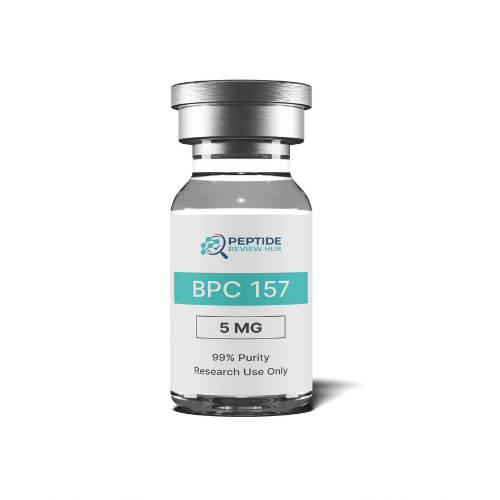
BPC 157
In the stomach of every man lies a substance more powerful than he knows. BPC-157 derives from this source - gastric juice, that most unpoetic of origins for what may prove a considerable discovery. The synthetic version contains fifteen amino acids arranged with the precision nature reserves for her most essential works. It endures where other peptides fail.
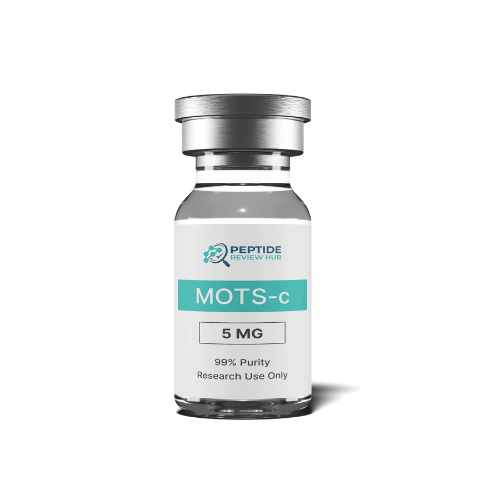
MOTS-c
The Mitochondrial-Derived Peptide MOTS-c promotes metabolic homeostasis and longevity, improves exercise capacity, reduces obesity, insulin resistance and other disease processes such as osteoporosis .
GHK-Cu
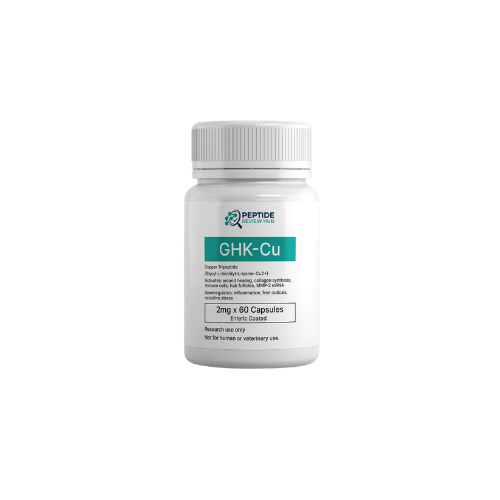
(2mg x 60 Capsules) (Copper Tripeptide) GHK-Cu is a small, naturally occurring peptide with the ability to attenuate inflammation, improve antioxidant responses, and improve gene expression on a large scale. Research shows that this copper-chelating peptide may be of critical importance both in the prevention of neurodegenerative disease and as a tool for exploring pathophysiological mechanisms. Studies in mice have revealed that GHK-Cu can protect against neurological insults, improve wound healing, reduce rates of infection, and boost blood vessel growth.
TB-500
Thymosin Beta-4 is a 43 amino acid peptide sequence. In animal models, Thymosin Beta-4 has been shown to improve blood vessel growth, regulate wound healing, decrease inflammation, and reduce oxidative damage in the heart and central nervous system. Thymosin-beta-4 has a role in protection, tissue repair, regeneration and remodeling of injured or damaged tissues. It is also of active interest in anti-aging research.