
Research Use Only. This compound is not intended for human consumption or therapeutic use.
Where to Buy GWS501516: Vendor Comparison & Research Info
GWS501516 (GW-501516) is an experimental small-molecule PPARδ agonist studied in research involving lipid metabolism, fatty-acid oxidation, energy regulation, and metabolic signaling. It is used strictly as a research compound and is not approved for human consumption or medical treatment.
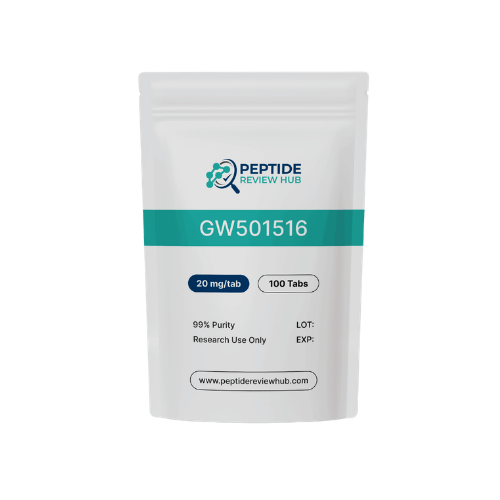
What is GWS501516?
GWS501516 — Research Compound for PPARδ Signaling, Lipid Metabolism & Metabolic Biology
GWS501516, commonly identified as GW-501516, GW501516, or Cardarine, is a synthetic small-molecule research compound studied primarily for its activity at peroxisome proliferator-activated receptor delta (PPARδ/PPARβδ). Unlike peptide-based compounds, GWS501516 is a non-peptidic chemical ligand that has been investigated in experimental models of lipid metabolism, fatty-acid oxidation, energy metabolism, and skeletal-muscle physiology. Researchers have used this compound to examine PPARδ-mediated signaling and its relationship to metabolic regulation and cellular energy utilization.
When evaluating GWS501516 for laboratory research, researchers should review available documentation covering compound identity, purity, lot information, analytical testing, and storage specifications. Peptide Review Hub provides a research-oriented platform where users can compare available product and vendor information, including documentation and laboratory testing data. GWS501516 products should be regarded strictly as research materials and are not intended for human consumption, diagnosis, or treatment.
svg0Vendors Listed
svgLowest Price:$—
svgWhat is GWS501516?
GWS501516, also known as GW-501516, is an experimental small molecule recognized as a selective PPARδ agonist. PPARδ is a nuclear receptor involved in the regulation of lipid utilization, fatty-acid oxidation, energy metabolism, and other cellular processes.
Research involving GW-501516 has examined how selective activation of PPARδ influences metabolic pathways in experimental systems. Its pharmacological profile has made it a commonly studied compound for investigating relationships between nuclear-receptor signaling, lipid metabolism, and oxidative capacity. PubChem identifies GW-501516 as a PPARβ/δ agonist and provides its chemical and pharmacological information.
Overview
GWS501516 was developed as a selective ligand for PPARδ and has been investigated in preclinical and clinical research contexts related to metabolic regulation. Its activity is associated with activation of PPARδ-dependent transcriptional pathways, which can influence genes involved in fatty-acid utilization and energy metabolism.
Experimental studies have explored the compound in areas including skeletal-muscle metabolism, lipid handling, glucose-related metabolic processes, and exercise-associated physiological pathways. These investigations are useful for understanding nuclear-receptor biology but do not establish the compound as an approved therapeutic or dietary supplement.
Molecular Characteristics
According to PubChem, GW-501516 has the following chemical characteristics:
Chemical Name: GW-501516
Synonyms: GW501516, GW-501516, GW 501516, Cardarine, GSK-516, GW1516
Molecular Formula: C₂₁H₁₈F₃NO₃S₂
Molecular Weight: 453.5 g/mol
CAS Number: 317318-70-0
PubChem CID: 9803963
IUPAC Name: 2-[2-methyl-4-[[4-methyl-2-[4-(trifluoromethyl)phenyl]-1,3-thiazol-5-yl]methylsulfanyl]phenoxy]acetic acid
GW-501516 is an aromatic, organofluorine-containing small molecule containing sulfur and nitrogen heteroatoms. It is structurally distinct from peptide compounds and belongs to a chemical class investigated for selective nuclear-receptor activity.
Research Applications
GWS501516 has been investigated in several areas of laboratory and preclinical research, including:
PPARδ Signaling: Studying selective activation of the PPARδ nuclear receptor.
Lipid Metabolism: Investigating pathways involved in fatty-acid utilization and lipid regulation.
Fatty-Acid Oxidation: Examining molecular mechanisms associated with fatty-acid oxidation in metabolic tissues.
Skeletal-Muscle Biology: Researching relationships between PPARδ activation and muscle oxidative metabolism.
Energy Metabolism: Exploring transcriptional mechanisms involved in cellular energy utilization.
Metabolic Research: Evaluating interactions between nuclear-receptor signaling and metabolic adaptations.
Mechanism of Research Interest
The primary research interest in GWS501516 comes from its role as a selective PPARδ agonist. PPARδ is a ligand-activated nuclear receptor that regulates transcription of genes associated with lipid metabolism, fatty-acid oxidation, and energy homeostasis.
When GW-501516 interacts with PPARδ, receptor activation can influence downstream gene-expression pathways involved in metabolic processes. Research has therefore used the compound as a pharmacological tool for examining how selective PPARδ activation affects cellular metabolism and tissue-specific energy pathways.
PubChem summarizes research indicating that PPARδ signaling can regulate fatty-acid oxidation in tissues including skeletal muscle and adipose tissue.
Preclinical and Clinical Research
GW-501516 has been investigated beyond basic laboratory studies, including research concerning lipid disorders and metabolic pathways. PubChem records indicate that the compound reached Phase 2 development during its investigation as a potential pharmaceutical candidate.
However, subsequent research and safety concerns are important considerations when interpreting information about this compound. PubChem identifies GW-501516 as a failed drug candidate and notes its classification in anti-doping contexts. Its research history should therefore be considered separately from claims about performance enhancement, weight management, or therapeutic use.
These findings and classifications do not establish GW-501516 as a safe or approved human-use product.
Product Quality & Analytical Testing
Research-grade GWS501516 should be evaluated using appropriate analytical techniques to confirm chemical identity, purity, and batch consistency. Depending on the intended laboratory application, quality assessment may include:
HPLC: Assessment of chemical purity and related impurities.
Mass Spectrometry: Verification of molecular mass and compound identity.
NMR Analysis: Structural characterization where appropriate.
Chromatographic Testing: Examination of the primary compound and potential degradation products.
Batch Testing: Comparison of analytical characteristics between production lots.
Stability Testing: Monitoring chemical integrity under defined storage conditions.
Researchers should review the certificate of analysis, analytical methodology, batch number, stated purity, and identity information before incorporating a research compound into laboratory work.
Research Use Only: GWS501516 / GW-501516 is an experimental research compound and is not an approved medication or dietary supplement. It should not be presented as a treatment for obesity, weight loss, cardiovascular disease, metabolic disorders, or athletic performance. Research materials should be handled according to applicable laboratory procedures, institutional requirements, and relevant regulations. Independent verification of identity, purity, and analytical documentation is recommended before research use.
Where to Buy GWS501516 Online
| Rank | Vendor | Trust Score | Vial Size | Price / mg | Status | Action |
|---|---|---|---|---|---|---|
| No vendors currently tracking this product. Check back soon. | ||||||
Chemical Properties & Handling
Standard storage protocols for lyophilized peptides generally apply unless otherwise specified.
- Lyophilized (Powder): Store at -20°C for up to 3 years. Keep away from direct light and moisture.
- Reconstituted (Liquid): Store at 2-8°C (refrigerated) and use within 20-30 days to maintain stability.
Research Reviews
No Research Reviews Yet
Be the first to share your research protocol and vendor experience with GWS501516.
Best GWS501516 Vendors & Price Comparison
Compare current GWS501516 prices, vial sizes, availability, and vendor information in the prices section above before choosing a supplier.
Current Research & Evidence
Research evidence for GWS501516 has not yet been added.
Key Findings on GWS501516 Use
Key findings for GWS501516 have not yet been added.
Related Peptides in SARMs
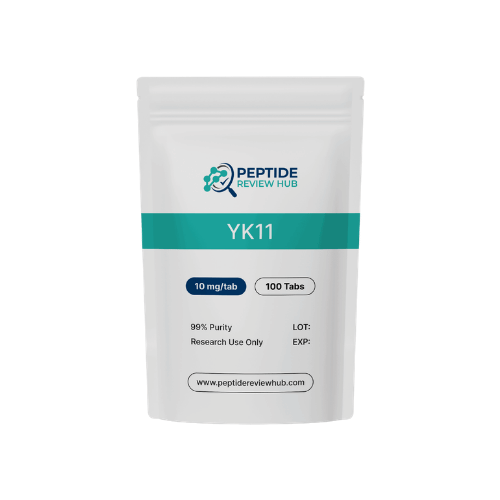
YK 11
YK-11 is an experimental androgen receptor–active compound studied for its potential effects on androgen signaling, follistatin expression, myostatin-related pathways, and skeletal muscle biology. Research remains primarily preclinical, making YK-11 a subject of interest for controlled studies of muscle-cell signaling and differentiation.
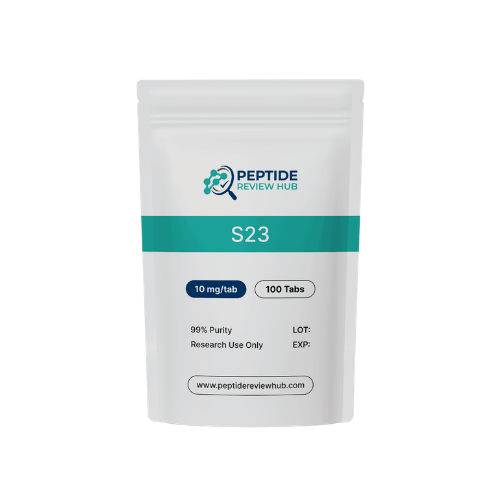
S23
S-23 is an experimental selective androgen receptor modulator (SARM) studied for its high-affinity interaction with androgen receptors and effects on skeletal muscle, bone, and endocrine signaling. Research has also examined S-23 in reproductive biology and gonadotropin regulation, making it a compound of interest for controlled preclinical investigations.
RAD 140
RAD-140 (Testolone) is a potent investigational selective androgen receptor modulator (SARM) studied for its effects on androgen receptor signaling, skeletal muscle, bone metabolism, and related cellular pathways. This research compound is intended for controlled laboratory and preclinical research only and is not approved for human therapeutic use.
Enclomiphene
Enclomiphene is a selective estrogen receptor modulator (SERM) studied in reproductive endocrinology and hormone-signaling research. It is primarily investigated for its effects on estrogen receptor activity, HPG-axis regulation, gonadotropin signaling, and reproductive biology in controlled research models.