
Research Use Only. This compound is not intended for human consumption or therapeutic use.
Where to Buy RAD 140 (TESTOLONE): Vendor Comparison & Research Info
RAD-140 (Testolone) is a potent investigational selective androgen receptor modulator (SARM) studied for its effects on androgen receptor signaling, skeletal muscle, bone metabolism, and related cellular pathways. This research compound is intended for controlled laboratory and preclinical research only and is not approved for human therapeutic use.
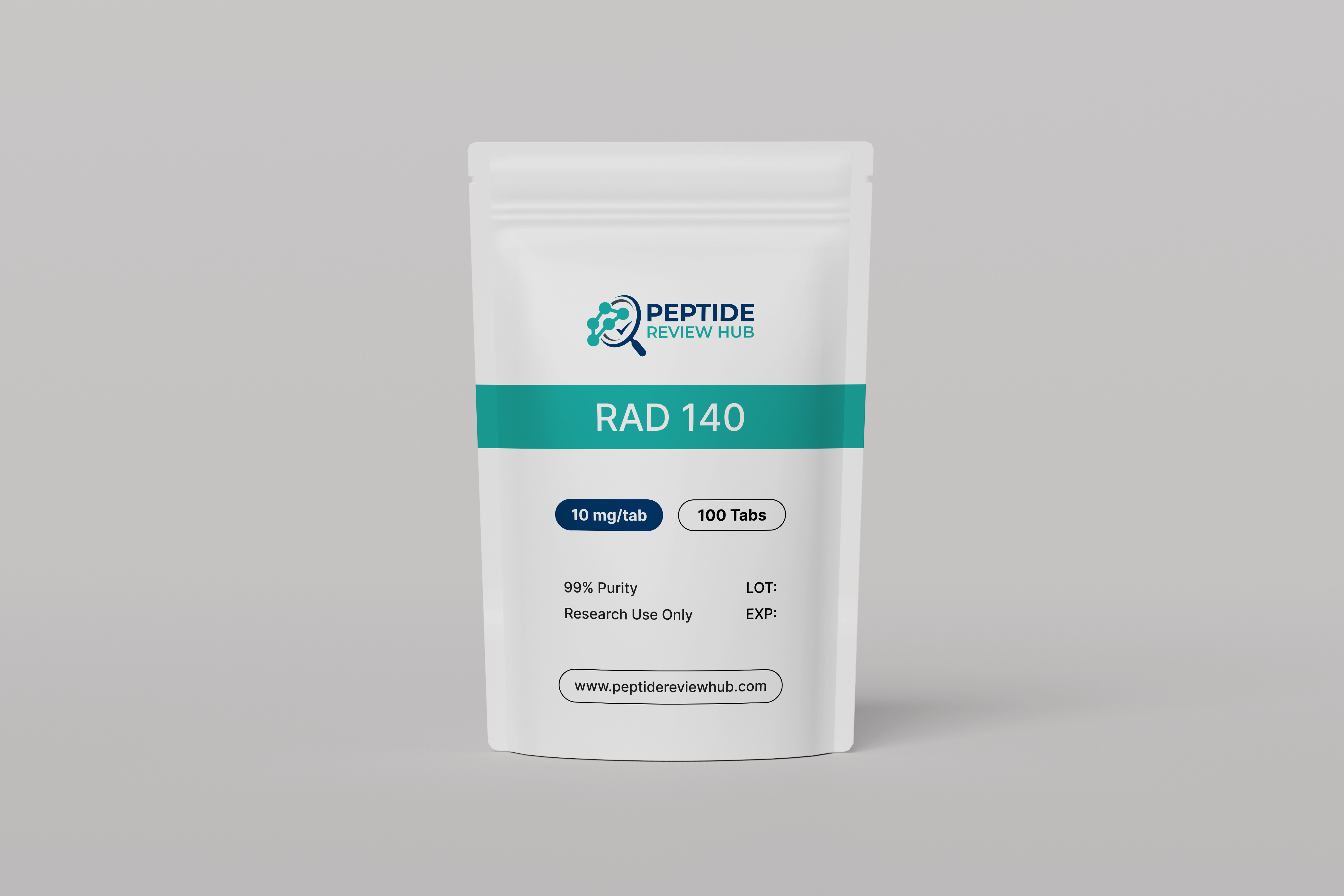
What is RAD 140 (TESTOLONE)?
What Is RAD-140?
RAD-140, also known as Testolone, is a non-steroidal selective androgen receptor modulator (SARM) developed as an investigational compound for studying androgen receptor activity. It demonstrates high affinity for androgen receptors and has been investigated primarily in skeletal muscle, bone, and other androgen-responsive tissues.
Unlike traditional anabolic-androgenic steroids, RAD-140 was designed to produce selective androgen receptor signaling rather than broadly activating androgenic pathways throughout the body. Preclinical research has examined its effects on anabolic signaling, muscle protein metabolism, bone-related pathways, and potential activity in neural tissues.
RAD-140 remains an investigational research compound and is not approved for human therapeutic use. Its pharmacological properties make it useful for controlled laboratory research involving androgen receptor signaling and tissue-specific responses.
Key Research Characteristics
Androgen Receptor Activity: Investigated for its ability to bind and activate androgen receptors with high affinity.
Muscle Research: Used in preclinical studies examining anabolic signaling, protein synthesis, and skeletal muscle adaptation.
Bone Research: Provides a research model for evaluating androgen receptor pathways involved in bone metabolism.
Selective Receptor Profile: Developed to investigate androgenic signaling with greater tissue selectivity than conventional anabolic steroids.
Neurobiological Research: Preclinical studies have explored potential effects on neuronal signaling and cellular survival pathways.
Oral Research Format: Commonly supplied as a solid oral research formulation for controlled experimental applications.
How RAD-140 Works
RAD-140 exerts its primary activity through interaction with the androgen receptor (AR). Following receptor binding, the resulting receptor complex can influence gene transcription associated with androgen-responsive cellular processes.
In skeletal muscle models, androgen receptor activation may affect pathways associated with protein synthesis, cellular differentiation, and muscle tissue maintenance. Research has also investigated RAD-140's activity in bone and neural tissues, although the significance of these findings remains primarily preclinical.
The compound's selective design distinguishes it from traditional testosterone-derived anabolic agents. However, selective androgen receptor activity does not mean that RAD-140 is free from systemic or endocrine effects. Experimental evidence indicates that SARM-class compounds can influence endogenous hormone production and other physiological parameters.
Research Applications
1. Skeletal Muscle Research
RAD-140 is investigated as a model compound for studying androgen receptor-mediated regulation of skeletal muscle. Researchers may examine changes in anabolic gene expression, protein metabolism, muscle-cell signaling, and tissue adaptation.
2. Bone Metabolism Research
Because androgen receptors are expressed in bone-related cells, RAD-140 can be studied in experimental models examining osteoblast activity, bone remodeling, and androgen-dependent skeletal pathways.
3. Endocrine Signaling
RAD-140 provides a useful experimental model for examining interactions between androgen receptor activation and the hypothalamic-pituitary-gonadal axis. Such research can help characterize feedback mechanisms associated with selective androgen receptor activation.
4. Neurobiological Research
Preclinical investigations have examined whether RAD-140 can influence signaling pathways associated with neuronal survival and cellular stress. These findings remain investigational and should not be interpreted as evidence of established neurological benefits in humans.
Pharmacological Profile
RAD-140 is a synthetic, non-steroidal androgen receptor ligand. Its molecular structure was designed to provide strong receptor interaction while maintaining a selective pharmacological profile.
Research involving RAD-140 generally focuses on:
Androgen receptor binding and activation
Gene transcription
Muscle protein metabolism
Skeletal tissue signaling
Endocrine feedback mechanisms
Cellular stress and survival pathways
Because human clinical data remain limited, pharmacokinetic and pharmacodynamic characteristics should be interpreted primarily within the context of available experimental research.
Safety & Research Considerations
RAD-140 has not been established as safe or effective for human use. Research involving this compound should therefore be conducted under appropriate laboratory controls.
Potential research considerations associated with SARM-class compounds include:
Hormonal Suppression: Androgen receptor modulation may interfere with normal hypothalamic-pituitary-gonadal signaling.
Lipid Changes: Experimental use of SARMs has been associated with alterations in cholesterol and other lipid parameters.
Liver Effects: Changes in hepatic enzymes have been reported with some SARM compounds.
Androgenic Effects: Acne, changes in hair growth, and other androgen-responsive effects may occur.
Limited Long-Term Data: The long-term safety profile of RAD-140 in humans has not been adequately established.
Regulatory Status: RAD-140 is an investigational research chemical rather than an approved therapeutic medication.
Research-Grade Handling
RAD-140 should be handled as an investigational laboratory compound using appropriate analytical and storage procedures. Identity and purity can be evaluated using techniques such as HPLC, mass spectrometry, and other validated analytical methods.
Maintaining controlled storage conditions and minimizing exposure to moisture, heat, and contamination can help preserve sample integrity for laboratory applications.
Summary
RAD-140 (Testolone) is an investigational non-steroidal SARM developed to study selective androgen receptor activation. Its high receptor affinity and preclinical activity make it a useful research model for investigating skeletal muscle, bone, endocrine, and potentially neurobiological signaling pathways. However, its effects and safety profile in humans remain insufficiently characterized, and it should be considered strictly a research-use compound rather than an approved treatment or performance-enhancing product.
Where to Buy RAD 140 (TESTOLONE) Online
| Action | ||||||
|---|---|---|---|---|---|---|
1 | 9.0/10 Editorial Rating | $60.00 10mg vial | $6.00/mg | Out of Stock | Visit Site | |
2 | 7.0/10 Editorial Rating | $49.99 10mg vial | $5.00/mg | In Stock | Visit Site | |
3 | 4.0/10 Editorial Rating | $70.99 10mg vial | $7.10/mg | In Stock | Visit Site |


Top-Ranked Vendor

Chemical Properties & Handling
Standard storage protocols for lyophilized peptides generally apply unless otherwise specified.
- Lyophilized (Powder): Store at -20°C for up to 3 years. Keep away from direct light and moisture.
- Reconstituted (Liquid): Store at 2-8°C (refrigerated) and use within 20-30 days to maintain stability.
Research Reviews
No Research Reviews Yet
Be the first to share your research protocol and vendor experience with RAD 140 (TESTOLONE).
Best RAD 140 (TESTOLONE) Vendors & Price Comparison
RAD-140, commonly known as Testolone, is an investigational non-steroidal Selective Androgen Receptor Modulator (SARM) developed for studying androgen receptor signaling in skeletal muscle, bone, endocrine tissues, and other androgen-responsive biological systems. Its high affinity for the androgen receptor (AR) has made it a frequently studied compound in preclinical research involving anabolic signaling, protein metabolism, tissue adaptation, and receptor-mediated gene expression.
Because of its popularity in androgen-receptor research, investigators frequently compare RAD-140 suppliers based on purity, analytical verification, vendor reputation, manufacturing standards, and overall value.
This RAD-140 Vendor Price Comparison Guide helps researchers evaluate suppliers using objective criteria including:
Product Pricing
Cost Per Milligram
Product Purity
Third-Party Testing
Certificate of Analysis (COA)
Vendor Reputation
Customer Reviews
Shipping Performance
Product Availability
Overall Value
Whether you're searching for the lowest-priced RAD-140 supplier, the highest-purity research material, or vendors offering comprehensive analytical verification, this guide provides a structured framework for evaluating research-compound suppliers.
Explore RAD-140 Vendors by Criteria
Most Popular RAD-140 Vendors
Compare suppliers frequently selected by androgen receptor and musculoskeletal researchers.
Highest Reviewed Vendors
Discover vendors with strong customer satisfaction and established industry reputations.
Lowest Price Vendors
Identify suppliers offering competitive pricing and favorable cost-per-milligram value.
Highest Purity Vendors
Review suppliers providing transparent analytical testing and purity verification.
Best Value Vendors
Compare pricing, testing standards, documentation quality, and customer support.
Fastest Shipping Vendors
Evaluate shipping reliability, fulfillment speed, and packaging quality.
Newly Listed Vendors
Explore recently added suppliers offering RAD-140 research compounds.
What Is RAD-140?
Overview
RAD-140 (Testolone) is a synthetic non-steroidal SARM studied for its selective interaction with androgen receptors.
Researchers investigate RAD-140 because of its relationship with:
Androgen receptor signaling
Skeletal muscle biology
Bone metabolism
Protein regulation
Cellular differentiation
Endocrine signaling
Gene transcription
Neurobiological pathways
Its selective receptor profile makes it a valuable experimental tool for studying androgen-responsive tissues.
Molecular Characteristics
Compound Information
Researchers evaluating RAD-140 products should carefully review analytical documentation and product specifications.
Chemical Identity
RAD-140 (Testolone)
Classification
Selective Androgen Receptor Modulator (SARM)
Research Category
Androgen Receptor & Musculoskeletal Research
Compound Type
Small-Molecule Research Compound
Physical Form
Crystalline Material, Powder, or Oral Research Formulation
Typical Purity
Subject to Analytical Verification
Product Format
Research-Grade Compound
Why Researchers Study RAD-140
RAD-140 has generated significant scientific interest because of its strong interaction with androgen receptors and selective pharmacological profile.
Researchers investigate pathways involving:
Androgen receptor activation
Gene transcription
Protein metabolism
Skeletal muscle adaptation
Bone signaling
Endocrine regulation
Cellular stress pathways
Tissue-specific responses
These remain active areas of laboratory research.
Mechanism of Action Research
Androgen Receptor Activation
The primary research interest surrounding RAD-140 involves its interaction with the androgen receptor (AR).
Researchers investigate pathways involving:
Receptor binding
Nuclear signaling
Gene-expression regulation
Cellular communication
Tissue-specific responses
This remains the central focus of RAD-140 research.
Transcriptional Signaling Research
After receptor activation, researchers study:
Gene-expression changes
Cellular adaptation
Protein regulation
Tissue signaling
Metabolic communication
Further investigation remains ongoing.
RAD-140 & Skeletal Muscle Research
Muscle Biology Research
One of the largest areas of RAD-140 research involves skeletal muscle physiology.
Researchers investigate pathways involving:
Protein metabolism
Muscle-cell signaling
Cellular adaptation
Myocyte regulation
Tissue maintenance
This remains a foundational area of study.
Anabolic Signaling Research
Scientists continue examining:
Protein synthesis pathways
Cellular differentiation
Muscle remodeling
Regulatory signaling
Structural physiology
Tissue Adaptation Research
Research frequently investigates:
Cellular communication
Musculoskeletal adaptation
Growth-related signaling
Tissue responsiveness
Physiological regulation
RAD-140 & Bone Research
Bone Metabolism Research
Androgen receptors play an important role in skeletal physiology.
Researchers investigate pathways involving:
Bone remodeling
Osteoblast signaling
Skeletal adaptation
Mineral regulation
Cellular communication
This remains one of the most important applications of RAD-140 research.
Skeletal Biology Research
Scientists continue studying:
Bone-cell regulation
Structural maintenance
Cellular signaling
Tissue physiology
Musculoskeletal communication
Osteogenic Research
Research includes examination of:
Bone formation pathways
Cellular differentiation
Skeletal signaling
Tissue adaptation
Physiological regulation
RAD-140 & Endocrine Research
HPG Axis Research
Researchers frequently investigate interactions between androgen receptor activation and the hypothalamic-pituitary-gonadal (HPG) axis.
Areas of investigation include:
Endocrine feedback mechanisms
Hormonal signaling
Gonadotropin regulation
Cellular adaptation
Physiological communication
Hormonal Regulation Research
Scientists continue studying:
Receptor-mediated signaling
Endocrine communication
Cellular responsiveness
Hormonal adaptation
Regulatory pathways
Gonadal Signaling Research
Research includes pathways involving:
Hormonal feedback systems
Reproductive endocrinology
Signal transduction
Gene regulation
Cellular communication
RAD-140 & Neurobiological Research
Neural Signaling Research
Preclinical research has explored RAD-140 in models involving neuronal signaling and cellular physiology.
Researchers investigate pathways involving:
Neural communication
Cellular adaptation
Stress-response signaling
Neurobiological regulation
Molecular signaling
Cellular Survival Pathway Research
Scientists continue studying:
Cellular resilience
Signal transduction
Stress-response pathways
Regulatory communication
Tissue adaptation
Neurobiology Research Models
Research includes:
Cellular communication
Molecular signaling
Physiological adaptation
Regulatory proteins
Neural tissue biology
RAD-140 & Gene Expression Research
Androgen-Responsive Genes
Researchers investigate pathways involving:
AR-mediated transcription
Gene-expression regulation
Cellular signaling
Molecular adaptation
Tissue-specific responses
This remains a core area of RAD-140 research.
Regulatory Protein Research
Scientists continue studying:
Signaling proteins
Transcription factors
Cellular communication
Gene networks
Regulatory biology
Pharmacological Profile Research
Selective Receptor Activity
RAD-140 was designed to investigate selective androgen receptor activation.
Researchers examine:
Receptor selectivity
Cellular responses
Signaling efficiency
Tissue specificity
Pharmacological behavior
Ligand-Receptor Research
Studies frequently investigate:
Receptor binding affinity
Signaling duration
Cellular adaptation
Molecular communication
Physiological regulation
Safety & Research Considerations
Experimental Research Status
RAD-140 remains an investigational research compound.
Researchers commonly evaluate:
Hormonal signaling effects
Endocrine feedback mechanisms
Lipid-related biomarkers
Liver-associated markers
Long-term pathway modulation
As an investigational compound, RAD-140 is not approved for therapeutic use and remains primarily a laboratory research material.
Why Researchers Compare RAD-140 Vendors
Research reproducibility depends heavily on compound quality and manufacturing consistency.
Differences among suppliers may include:
Product purity
Analytical verification
Stability testing
Batch consistency
Manufacturing standards
Product documentation
Storage procedures
Quality-control systems
Careful supplier evaluation can improve consistency across laboratory studies.
How We Compare RAD-140 Vendors
Third-Party Laboratory Testing
Researchers should prioritize suppliers offering:
✅ Third-party testing
✅ Identity verification
✅ Purity confirmation
✅ Batch-specific reports
✅ Analytical documentation
Certificate of Analysis (COA)
A quality COA should contain:
Batch number
Testing date
Purity percentage
Identity confirmation
Analytical methodology
Product Purity
Purity remains one of the most important variables when evaluating research compounds.
Higher-purity products generally contribute to improved reproducibility and experimental consistency.
Cost Per Milligram
Comparing package prices alone may not accurately reflect overall value.
Cost Per Milligram Formula
Product Price ÷ Total Milligrams = Cost Per Milligram
This metric standardizes supplier comparisons.
Customer Reviews
Customer experiences often provide insight regarding:
Product consistency
Packaging quality
Shipping reliability
Customer support
Purchasing experience
Vendor Reputation
Established suppliers often demonstrate:
Transparent testing procedures
Reliable quality-control systems
Positive customer feedback
Consistent inventory availability
Quality & Analytical Testing
Why Testing Matters
Research-grade RAD-140 should undergo testing to verify:
Identity
Purity
Molecular integrity
Stability
Batch consistency
Common Testing Methods
High-Performance Liquid Chromatography (HPLC)
Used to assess purity and detect impurities.
Mass Spectrometry (MS)
Used to verify molecular identity and composition.
Identity Verification
Confirms compound authenticity.
Batch Consistency Analysis
Measures reproducibility between manufacturing lots.
Stability Testing
Evaluates product integrity during storage and handling.
Storage & Handling
Researchers should follow validated laboratory procedures.
Best practices include:
✅ Protect from moisture
✅ Protect from excessive heat
✅ Minimize direct light exposure
✅ Follow supplier storage recommendations
✅ Maintain batch records
✅ Review analytical reports before use
✅ Utilize proper laboratory handling procedures
Proper storage helps preserve research quality and analytical integrity.
Understanding RAD-140 Pricing
Several factors influence supplier pricing.
Product Purity
Higher-purity materials generally command premium pricing.
Manufacturing Standards
Advanced synthesis and purification procedures contribute to production costs.
Analytical Verification
Comprehensive testing programs improve transparency while increasing manufacturing expenses.
Research Demand
Growing interest in androgen receptor biology and musculoskeletal research contributes to market demand.
Vendor Reputation
Established suppliers often command higher prices because of rigorous quality-control systems.
RAD-140 Vendor Evaluation Checklist
Quality Verification
✅ Third-party testing available
✅ Certificate of Analysis provided
✅ Identity verification documented
✅ Purity information disclosed
✅ Stability testing available
✅ Batch-specific reports available
Vendor Reliability
✅ Positive customer reviews
✅ Transparent company information
✅ Responsive customer support
✅ Reliable inventory availability
Purchasing Experience
✅ Secure checkout process
✅ Shipment tracking available
✅ Clear return policies
✅ Reliable order fulfillment
Frequently Asked Questions
What is RAD-140?
RAD-140 (Testolone) is an investigational non-steroidal Selective Androgen Receptor Modulator (SARM) studied for its interaction with androgen receptors and androgen-responsive tissues.
What is RAD-140 used for in research?
Researchers investigate RAD-140 in studies involving androgen receptor signaling, skeletal muscle biology, protein metabolism, bone physiology, endocrine feedback mechanisms, gene transcription, and neurobiological pathways.
What receptor does RAD-140 target?
RAD-140 primarily interacts with the androgen receptor (AR), making it useful for studying androgen-mediated cellular signaling and tissue-specific responses.
Why compare RAD-140 vendors?
Purity, analytical verification, stability testing, batch consistency, and supplier transparency can vary substantially between vendors.
What should researchers review before purchasing?
Researchers should evaluate:
Certificate of Analysis (COA)
Third-party testing
HPLC purity verification
Mass spectrometry confirmation
Identity verification
Vendor reputation
Is RAD-140 a peptide?
No. RAD-140 is a small-molecule Selective Androgen Receptor Modulator (SARM) rather than a peptide. However, it is commonly sold by peptide and research-compound suppliers and frequently appears in peptide vendor comparison categories.
Final Thoughts
RAD-140 (Testolone) remains one of the most researched investigational SARMs because of its high androgen receptor affinity and relevance to skeletal muscle biology, bone metabolism, endocrine regulation, cellular signaling, and tissue-specific androgen receptor activation. Researchers continue utilizing RAD-140 as a valuable experimental model for understanding androgen-mediated pathways in controlled laboratory settings.
When comparing RAD-140 vendors, researchers should prioritize purity verification, third-party analytical testing, Certificate of Analysis availability, HPLC validation, mass spectrometry confirmation, supplier reputation, and overall value rather than focusing exclusively on price. A structured vendor-comparison process can help identify suppliers capable of meeting rigorous research-quality standards.
Current Research & Evidence
Research evidence for RAD 140 (TESTOLONE) has not yet been added.
Key Findings on RAD 140 (TESTOLONE) Use
Key findings for RAD 140 (TESTOLONE) have not yet been added.
Related Peptides in SARMs
Enclomiphene
Enclomiphene is a selective estrogen receptor modulator (SERM) studied in reproductive endocrinology and hormone-signaling research. It is primarily investigated for its effects on estrogen receptor activity, HPG-axis regulation, gonadotropin signaling, and reproductive biology in controlled research models.
YK 11
YK-11 is an experimental androgen receptor–active compound studied for its potential effects on androgen signaling, follistatin expression, myostatin-related pathways, and skeletal muscle biology. Research remains primarily preclinical, making YK-11 a subject of interest for controlled studies of muscle-cell signaling and differentiation.
MK 2866
MK-2866 (Ostarine/Enobosarm) is an investigational SARM studied for selective androgen receptor activity and its role in skeletal muscle, bone metabolism, muscle-wasting research, and tissue-specific androgen signaling. It is intended exclusively for laboratory and scientific research.
LGD 4033
LGD-4033 (Ligandrol) is an investigational selective androgen receptor modulator (SARM) studied for its effects on androgen receptor signaling, skeletal muscle biology, bone metabolism, and tissue-selective anabolic pathways. It is intended for laboratory and preclinical research investigating muscle wasting, functional recovery, and musculoskeletal physiology.