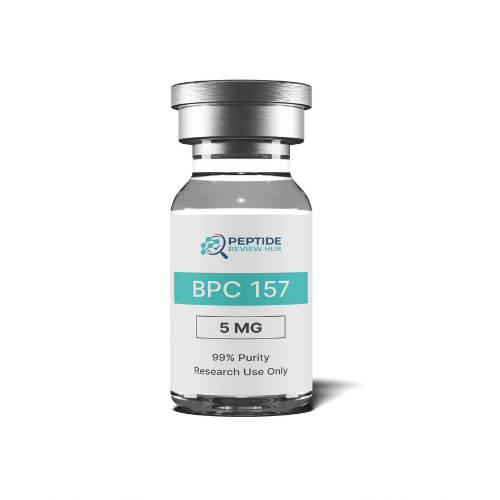
BPC-157 is one of the most researched peptides in the peptide community, attracting attention for its potential applications in tissue repair, gastrointestinal research, angiogenesis, and regenerative science. As demand for BPC-157 products continues to increase, researchers are faced with a growing number of vendors offering varying levels of quality, pricing, testing standards, and customer support.
This BPC-157 Vendor Price Comparison Guide helps researchers compare peptide suppliers based on pricing, purity, third-party testing, Certificates of Analysis (COAs), customer reviews, shipping performance, and overall value.
Whether you're searching for the lowest-priced BPC-157 vendor, the most trusted supplier, or a company offering comprehensive lab testing, our comparison criteria can help you make a more informed decision.
Explore BPC-157 Vendors by Criteria
Most Popular BPC-157 Vendors
Discover BPC-157 suppliers that have built strong reputations and high visibility within the peptide research community.
Highest Reviewed BPC-157 Vendors
Explore vendors receiving the largest number of positive customer reviews and community recommendations.
Lowest Price BPC-157 Vendors
Compare suppliers offering competitive pricing and low cost-per-milligram rates.
Highest Purity BPC-157 Vendors
Review peptide vendors that provide extensive laboratory testing and purity documentation.
Best Value BPC-157 Suppliers
Find vendors offering the best balance between price, purity, testing standards, and customer service.
Fastest Shipping BPC-157 Vendors
Compare shipping performance, delivery speeds, packaging quality, and order fulfillment reliability.
Newly Listed BPC-157 Vendors
Explore recently added suppliers that may offer innovative products and competitive pricing.
What Is BPC-157?
Overview of BPC-157
BPC-157, also known as Body Protection Compound-157, is a synthetic peptide derived from a naturally occurring protein sequence found in gastric fluids. It consists of 15 amino acids and has become a subject of interest in various areas of scientific research.
Research Areas of Interest
Researchers have explored BPC-157 in studies related to:
While interest in the peptide continues to grow, researchers should understand that scientific investigation is ongoing and human clinical evidence remains limited.
Why Vendor Quality Matters
Not all BPC-157 suppliers follow identical quality control standards.
Differences between vendors may include:
A lower-priced peptide product may not necessarily offer the best value if testing documentation and quality verification are unavailable.
How We Compare BPC-157 Vendors
Third-Party Laboratory Testing
Independent testing is one of the strongest indicators of product transparency.
Quality suppliers often provide:
Certificate of Analysis (COA)
A Certificate of Analysis provides detailed information regarding product testing results.
Researchers should look for:
Recent testing dates
Batch numbers
Purity percentages
Testing methodologies
Price Per Milligram
Comparing vial prices alone can be misleading.
Formula for Comparison
Price ÷ Total Milligrams = Cost Per Milligram
Evaluating products using cost-per-milligram provides a more accurate comparison between suppliers.
Product Purity
Purity remains one of the most important considerations when evaluating peptide products.
Higher transparency regarding purity testing may indicate stronger quality assurance standards.
Customer Reviews
Customer feedback can reveal important information regarding:
Vendor Reputation
Established suppliers often develop stronger trust through:
Long-term market presence
Transparent operations
Consistent customer satisfaction
Reliable inventory management
Understanding BPC-157 Pricing
Factors Affecting Price
Several factors influence BPC-157 pricing across vendors.
Third-Party Testing
Independent testing adds quality assurance costs but increases transparency.
Manufacturing Standards
Suppliers investing in advanced manufacturing and quality control procedures may charge premium prices.
Product Concentration
Different vial strengths can influence overall value and final cost.
Packaging and Storage
Specialized shipping procedures, secure packaging, and storage requirements may impact pricing.
Brand Reputation
Established peptide suppliers often command higher prices based on trust and consistency.
BPC-157 Vendor Evaluation Checklist
Before purchasing from any supplier, consider the following criteria:
Quality Verification
✅ Third-party tested
✅ Certificate of Analysis available
✅ Purity information displayed
✅ Batch-specific testing
Vendor Reliability
✅ Positive customer reviews
✅ Responsive customer support
✅ Transparent business information
✅ Consistent product availability
Ordering Experience
✅ Secure checkout process
✅ Reasonable shipping times
✅ Clear refund policy
✅ Order tracking available
BPC-157 Vendor Red Flags
Researchers should be cautious when encountering suppliers that:
Testing Concerns
❌ Do not provide laboratory testing
❌ Refuse to share COAs
❌ Publish outdated testing reports
Transparency Issues
❌ Hide purity information
❌ Lack business contact details
❌ Make unrealistic claims
Service Problems
❌ Have persistent negative reviews
❌ Frequently experience inventory shortages
❌ Offer limited customer support
How to Choose the Best BPC-157 Vendor
Choose Based on Quality
Prioritize vendors providing transparent third-party testing, Certificates of Analysis, and detailed product specifications.
Choose Based on Value
Compare total cost per milligram alongside purity standards and testing documentation.
Choose Based on Reputation
Review customer experiences, community feedback, and vendor history.
Choose Based on Research Requirements
Consider product concentration, available formats, shipping options, and inventory consistency.
Frequently Asked Questions
What should I look for when comparing BPC-157 vendors?
Researchers should compare pricing, product purity, COA availability, third-party testing, customer reviews, shipping performance, and business transparency.
Why do BPC-157 prices vary between vendors?
Pricing differences may result from testing standards, manufacturing quality, shipping costs, packaging requirements, and brand reputation.
Is the cheapest BPC-157 vendor the best option?
Not always. Product purity, laboratory testing, and supplier reliability are often more important than price alone.
What is a Certificate of Analysis?
A COA is a laboratory report that verifies product identity, purity, and testing results.
Why is third-party testing important?
Independent testing provides additional verification regarding product quality and helps improve transparency.
How often should vendor comparisons be updated?
Pricing, testing reports, inventory availability, and vendor policies can change frequently. Vendor rankings should be reviewed and updated regularly.
Final Thoughts
Finding a reliable BPC-157 supplier requires more than simply comparing prices. Researchers should evaluate testing standards, purity documentation, vendor reputation, customer support, and shipping performance to identify the best overall value.
By comparing suppliers using objective criteria such as third-party testing, COA availability, product purity, and customer feedback, researchers can make more informed sourcing decisions and identify vendors that align with their research needs.