
Research Use Only. This compound is not intended for human consumption or therapeutic use.
Where to Buy Tesofensine: Vendor Comparison & Research Info
Tesofensine is a serotonin-noradrenaline-dopamine reuptake inhibitor which was originally studied for its effect on Parkinson’s and Alzheimer’s. Unfortunately, its exploration for these indications were limited because the research subjects starting losing too much weight. Since then, tesofensine has been studied as a way to treat obesity via its ability to reduce appetite. This molecular compound indirectly stimulates the cholinergic system and showed to be more successful than other weight loss agents.
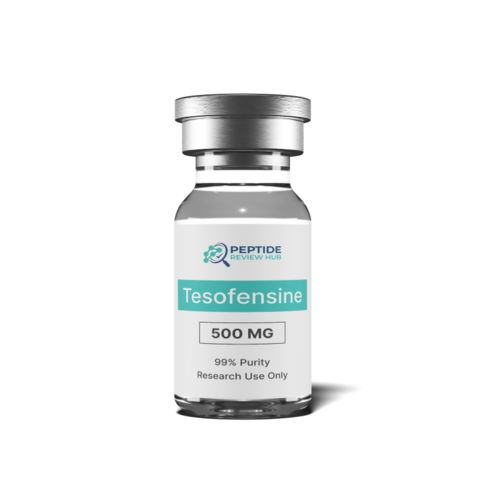
What is Tesofensine?
Each Capsule contains 500mcg Tesofensine
Tesofensine is a serotonin-noradrenaline-dopamine reuptake inhibitor which was originally studied for its effect on Parkinson’s and Alzheimer’s. Unfortunately, its exploration for these indications were limited because the research subjects starting losing too much weight. Since then, tesofensine has been studied as a way to treat obesity via its ability to reduce appetite. This molecular compound indirectly stimulates the cholinergic system and showed to be more successful than other weight loss agents. Tesofensine (TE) increases transmission of 3 monoaminergic neurotransmitters in the brain. These neurotransmitters are serotonin, norepinephrine, and dopamine which help regulate energy balance and are linked to obesity and depression. On average, its 6-month weight loss results from a phase 2b clinical trial resulted in a weight loss of around 25 pounds. TE research has shown a pronounced effect on appetite sensations and a slight effect on energy expenditure. Both effects can contribute to the strong weight reducing effect.
Product Usage: This PRODUCT IS INTENDED AS A RESEARCH CHEMICAL ONLY. This designation allows the use of research chemicals strictly for in vitro testing and laboratory experimentation only. All product information available on this website is for educational purposes only. Bodily introduction of any kind into humans or animals is strictly forbidden by law. This product should only be handled by licensed, qualified professionals. This product is not a drug, food, or cosmetic and may not be misbranded, misused or mislabled as a drug, food or cosmetic.
Tesofensine
Tesofensine (also called TE) is a novel norepinephrine, dopamine, and serotonin reuptake inhibitor (triple reuptake inhibitor) that was initially developed for the treatment of neurodegenerative diseases like Parkinson’s disease and Alzheimer’s disease. As it turns out, the benefits of tesofensine extend further to include increased weight loss, even for people who do not undergo dietary changes. Tesofensine is now in phase III clinical trials as a weight loss aid.
What is Tesofensine?
Tesofensine is a member of the class of medications known as “triple reuptake inhibitors.” It prevents the presynaptic reuptake of neurotransmitters norepinephrine, dopamine, and serotonin. This leads to an increase in the effects of these neurotransmitters.
Tesofensine is a member of the phenyltropane class of drugs, which were originally developed to reduce cocaine dependency. In fact, this class of drugs arose as a result of efforts to disassociate the stimulant properties of cocaine from the factors that cause it to be addictive. In other words, the phenyltropane drugs are designed to stimulate the central nervous system without creating addiction.
It should come as no surprise, given their origins, that compounds like tesofensine have profound effects on neurotransmission, particularly dopamine, which is responsible for reward and craving behaviors. Research shows that tesofensine has no potential for recreational abuse, suggesting that at least some of the goals of efforts to dissociate the properties of certain stimulants have been achieved[1].
Tesofensine Structure
Amino Acid Sequence: Not a peptide Molecular Formula: C17H23Cl2NO Molecular Weight: 3.277 g/mol PubChem CID: 11370864 CAS No: 195875-84-4 (Deprecated: 402856-42-2) Alternative Names: TE, NS-2330
How Does Tesofensine Work?
Given its ability to increase dopamine levels, tesofensine was originally developed for the treatment of Parkinson’s disease. During clinical trials, however, a significant “side effect” of weight loss was consistently noted. Because the compound proved to be inferior to existing medications in the treatment of neurodegenerative disease, but nearly twice as effective in promoting weight loss as any existing compound on the market, the decision was made to pivot to trials on weight loss[2].
The ability of tesofensine to increase levels of neurotransmitters in the brain does not directly account for its ability to increase satiety and feelings of fullness. Neither does this factor account for the hypothesized ability of tesofensine to alter energy balance and increase metabolism. At this point, the exact reason that tesofensine is such an effective weight loss agent remains unclear.
It was originally thought that tesofensine was a relatively balanced reuptake inhibitor, increasing levels of dopamine, norepinephrine, and serotonin in roughly equal proportions. This turns out to not be the case. After more extensive study, it was found that tesofensine is much more effective in boosting norepinephrine levels than serotonin levels. It is better at boosting both of those neurotransmitters than it is at boosting dopamine levels[3]. This difference may explain why the drug wasn’t particularly successful in the treatment of Parkinson’s disease.
Tesofensine activity is not, however, strictly limited to the neurotransmitters just described. Research shows that it is also an indirect potentiator of cholinergic neurotransmission. Of course, this is why the drug was originally of interest in Parkinson’s disease and suggests that its dopamine effects might be more nuanced than is currently understood. Tesofensine appears to promote cognition, learning, and memory via the cholinergic pathway. This pathway ultimately leads to increased BDNF levels in the brain[3]. BDNF stimulates neuron growth and has been shown in previous research to benefit people with depression, cognitive decline, and certain neurological conditions.
Tesofensine and Weight Loss
So, just how effective is tesofensine when it comes to weight loss? Phase IIB clinical trial results indicate that tesofensine produces about 12.8 kg (~28 pounds) of weight loss over six months when administered as a 1 mg dose to people who have a 300 kcal deficit in their diet. When compared to placebo, this is a 6-fold increase in weight loss[4]. Compared to currently available FDA-approved weight-loss medications, tesofensine is twice as effective. The average weight loss in all other clinical trials of currently available drugs was just 3-5 kg of reduction over 6 months. In other words, people lose twice as much weight with tesofensine as they do with any currently available weight-loss aid approved by the Food and Drug Administration.
Of course, it isn’t just the efficacy of tesofensine that makes it attractive as a weight loss agent. The compound is also easily administered by mouth just once per day. The side effect profile has also proved to be minimal in clinical trials, consisting mostly of dry mouth, headache, GI upset, and difficulty with sleeping. Both the dry mouth and difficulty sleeping show dose-dependent prevalence as well as attenuation over long-term use[4], [5]. So, it is possible to greatly mitigate these side effects by starting out on a low dose of tesofensine and then increasing it once attenuation has occurred.
Research shows that tesofensine produces the greatest weight loss when paired with dietary caloric restrictions and exercise. However, research shows that results can still be expected when tesofensine is taken and no differences in diet or exercise are encouraged. In one clinical trial, men treated with tesofensine lost weight despite the fact they were instructed to maintain their standard diet and levels of physical activity. These men lost 1.8 kg in two weeks when compared to placebo and reported higher feelings of satiety and fullness as well as decreased desire to eat. There was, additionally, evidence that men in the tesofensine arm of the study expended almost 5% more energy while they slept than those in the placebo arm. This correlates well with the additional finding that fat oxidation is increased by tesofensine[6].
One interesting aspect of tesofensine research in obesity has been the revelation that satiety appears to be centrally controlled and, perhaps, is harder to modify permanently than was once thought. The administration of tesofensine has a profound effect on satiety and hunger, thus greatly diminishing appetite. However, withdrawal of the drug, even after weight loss, results in an almost immediate return to baseline sensations. Reintroduction of tesofensine will suppress them again[7]. This suggests that appetite sensations are more permanent and ingrained than once thought and may, in fact, contribute to weight gain to a higher degree than once believe. In other words, it really isn’t a matter of willpower because some people are constantly being bombarded with signals that they are not full. Tesofensine is the first option to help quell those intrusive thoughts about hunger and the proof of its effectiveness is in the clinical trials showing significant weight loss.
In the past, it has been noted that compounds affecting appetite generally lose their efficacy over time. The same is true of tesofensine, with its ability to stave off hunger diminishing (but never completely stopping) with prolonged use. That said, tesofensine shows drastically longer-lasting hypophagic effects than other weight reduction aids and, more importantly, shows substantial rebound to baseline after a short holiday. In other words, a short break from tesofensine restores its ability to suppress appetite and hunger[9]. No trials have been carried out looking at the long-term weight loss of cycled tesofensine, but there is good reason to believe that the drug, when cycled appropriately, may produce even greater weight loss than what has currently been observed.
Tesofensine and Blood Sugar
Research in rats indicates that tesofensine can help to improve glycemic control in a dose-dependent manner. In basic testing of glucose tolerance, tesofensine greatly attenuates the insulin response. This means less insulin is released in response to a sugar load. How could this contribute to weight loss though?
Insulin is a major cause of fat deposition. When there is too much sugar to store in the liver or muscle, insulin crams it into fat storage. This is why high glycemic index foods, like white breads, lead to higher levels of fat deposition. They flood the body with sugars which insulin simply clears as quickly as possible. By attenuating this effect, tesofensine helps to lower fat deposition even in the setting of high blood sugar[9].
It is also true that the accumulation of fat creates a kind of self-reinforcing spiral. Once fat is deposited, it influences insulin signaling in a number of different ways that lead to additional fat deposition. This additional deposition then further stimulates fat accumulation.
Even worse, fat has been shown to be a source of inflammation, particularly once a certain threshold is reached. This inflammation has been linked to everything from insulin resistance and the development of diabetes to heart disease and even neurodegenerative conditions. By breaking this cycle of fat deposition and increased inflammation, tesofensine is helping to shift the balance of metabolism and give the body a fighting chance against adiposity.
Tesofensine and Brain Health
Despite the abandonment of tesofensine in the treatment of neurodegenerative diseases, there is still good evidence that the compound has beneficial effects on cognition, memory, and neurogenesis. Though the dopamine boosting effects of tesofensine appear to be too small to be relevant in the treatment of Parkinson’s disease, there is still interest in using the peptide to improve cognitive function in other settings.
Research in rats shows that tesofensine boosts expression of brain derived neurotrophic factor and, as a result, increases neurogenesis in the rat hippocampus[3]. BDNF plays several roles in the brain including boosting cell survival and reproduction in addition to increasing synaptic transmission. Research shows that BDNF signaling is altered in a variety of disease conditions including depression, schizophrenia, obsessive-compulsive disorder, and Alzheimer’s disease among others. Unfortunately, research into the direct delivery of BDNF into the central nervous system of humans and animals has not shown any benefit in various neurodegenerative diseases. This suggests that the role of BDNF is more complicated than science has revealed to this point. There is likely to be future research looking at not just the ability of tesofensine to influence BDNF, but the impact that this has on brain function, structure, resilience to injury, and perhaps even our abilities to learn and remember.
Tesofensine and Depression
A subcategory of brain health in which tesofensine may be helpful is depression. Research shows that exposure to stress can decrease BDNF levels in the brain and, if the exposure is prolonged, lead to atrophy of the hippocampus. This change in hippocampal structure has been directly linked to depression, especially major depression, and it is thought that existing treatments may be beneficial because they help to protect against or reverse these changes[10].
Tesofensine is known to improve BDNF levels and promote neurogenesis in the hippocampus, so it likely has anti-depressant properties. This, however, has not been the primary focus of research, as the compound was originally developed for its dopaminergic properties and then was discovered to have anti-obesity properties. All of that having been said, tesofensine offers a unique alternative to both anti-obesity and antidepressant applications because its properties cross both fields. It can be used as a standalone in either case, but the idea that it could have a “two birds with one stone” effect in the setting of weight loss and mood disorder is compelling[11]. This dual nature of tesofensine will likely make it a go to for people who struggle with weight and depression, two conditions that appear to have more than a few commonalities.
Tesofensine and Pain Management
The use of antidepressant medications in pain management is not new. Tri-cyclic antidepressants were among the first drugs available for treating mood disorders and have long been known to reduce nociception (pain perception), particularly in conditions like fibromyalgia. Research shows that the anti-nociceptive (anti-pain) properties of standard antidepressants, which affect only serotonin and norepinephrine, are enhanced by the addition of dopamine boosting agents[12]. Thus, there is speculation that triple reuptake inhibitors like tesofensine may provide benefits in pain management.
Tesofensine and Safety
Anti-obesity drugs have a long history of cardiovascular side effects. Fen-Phen is probably the most famous of the diet pills to have caused serious cardiac issues (e.g., heart valve damage) and though things have improved since 1997 when Fen-Phen was removed from the market, anti-obesity drugs are still hard on the heart. Sibutramine, for instance, has been associated with major cardiovascular events and was itself eventually withdrawn from the market in 2010[13]. The result is a death of options for treating obesity and feelings of hopelessness among those who seek relief. Phentermine, one of the ingredients in Fen-Phen can be used safely for short periods of time, but its reputation has produced fear and thus most people and healthcare providers are unwilling to use it.
To date, tesofensine has shown a substantially improved risk profile compared to other anti-obesity drugs. In particular, its central action on neurotransmitter reuptake as opposed to peripheral action of lipase inhibitors, amphetamines, and other compounds makes tesofensine unique[14]. There was some argument about trial design and whether side effects of tesofensine had been under reported[15]. The claim is that investigators did not list people with headache, migraine, stress, and depression prior to treatment as having those side effects if they experienced it during treatment. This is a valid criticism of the study design because a distinction should have been made between existing symptoms and new, but similar, symptoms. A change in trial design would likely have had no major impact on tesofensine side effect reporting.
Tesofensine Overview
Tesofensine is a novel inhibitor of the reuptake of serotonin, norepinephrine, and dopamine. By increasing levels of all three of these neurotransmitters, tesofensine increases BDNF expression patterns and promotes neurogenesis in the amygdala. None of this explains why it is the most effective weight loss agent developed to date, however. Research shows that tesofensine is at least twice as effective as any currently approved weight loss agent and with far fewer (and far less serious) side effects. While research is ongoing to get tesofensine to market as an anti-obesity drug, there is deeper research being carried out to understand how this molecule affects the sensations of hunger and satiety to produce weight loss. While tesofensine is proving to be a remarkable weight loss agent, it may yet prove to be even more remarkable by helping to elucidate the connection between the human brain and gut that controls eating behavior to begin with. With that knowledge, science could virtually eliminate obesity.
Tesofensine exhibits minimal side effects, good oral and excellent subcutaneous bioavailability in mice. Per kg dosage in mice does not scale to humans. Tesofensine for sale at Peptide review is limited to educational and scientific research only, not for human consumption. Only buy Tesofensine if you are a licensed researcher.
Scientific Journal Author
Arne Astrup's major current research is focused on the role of dietary macronutrients and glycemic index for body weight regulation, and the hormonal mediation of hunger and satiety by gastrointestinal peptides such as GLP-1, PYY, CCK etc.. In addition, I head the OPUS Centre, 'Optimal well-being, development and health for Danish children through a healthy New Nordic Diet’, which ran from 2009 until 2014. The main objective is to develop a healthy and palatable new food and eating concept, and to examine how such a diet can affect mental and physical health in a Nordic population. Other active research includes studies of the role of dairy and bio-active food ingredients (various specific fibres) in aspects of human health and testing of pharmaceutical compounds for the treatment of obesity.
Arne Astrup is being referenced as one of the leading scientists involved in the research and development of Tesofensine. In no way is this doctor/scientist endorsing or advocating the purchase, sale, or use of this product for any reason. There is no affiliation or relationship, implied or otherwise, between Peptide reviewand this doctor. The purpose of citing the doctor is to acknowledge, recognize, and credit the exhaustive research and development efforts conducted by the scientists studying this peptide. Arne Astrup is listed in and under the referenced citations.
Where to Buy Tesofensine Online
| Action | ||||||
|---|---|---|---|---|---|---|
1 | 8.3/10 Editorial Rating | $112.99 25mg vial | $4.52/mg | In Stock | Visit Site | |
2 | N/A/10 Editorial Rating | $189.00 10mg vial | $18.90/mg | In Stock | Visit Site | |
3 | N/A/10 Editorial Rating | $95.00 300mg vial | $0.32/mg | In Stock | Visit Site | |
4 | N/A/10 Editorial Rating | $129.99 10mg vial | $13.00/mg | In Stock | Visit Site | |
5 | N/A/10 Editorial Rating | $175.00 500mg vial | $0.35/mg | In Stock | Visit Site | |
6 | N/A/10 Editorial Rating | $168.00 500mg vial | $0.34/mg | In Stock | Visit Site |





Top-Ranked Vendor

Overall Score: 8.3/10
Score Breakdown
COA Transparency: 9/10
Reputation: 8/10
Pricing: 8/10
Policies: 8/10
Shipping: 9/10
Catalog: 8/10
COA Transparency
Score: 9/10
Testing Documentation & Verification
PurePeps places significant emphasis on product transparency and quality assurance. The company states that its peptides are COA-verified and promotes purity levels of 99% or higher for its research products.
One of the platform's strongest features is its dedicated COA section, allowing researchers to access testing documentation and product verification information. The company consistently highlights research-grade standards and analytical verification throughout its website.
While additional information regarding testing laboratories and testing methodologies would further strengthen transparency, the availability of COAs places PurePeps above many competitors in the research-peptide market.
Assessment
Strong COA accessibility and quality-focused messaging make transparency one of PurePeps' strongest areas.
Reputation
Score: 8/10
Customer Feedback & Online Presence
PurePeps has developed a positive reputation within the Australian research-peptide market. Customer feedback frequently highlights fast delivery, responsive customer service, secure packaging, and product quality.
The company maintains a professional website and an active presence among peptide researchers. Customer reviews consistently reference reliable order fulfillment and positive purchasing experiences.
While the brand does not have the decades-long history of some larger suppliers, the available customer feedback is largely favorable and suggests a growing reputation for reliability.
Assessment
A strong volume of positive customer reviews and consistent service feedback contribute to a solid reputation score.
Pricing
Score: 8/10
Product Value & Cost Competitiveness
PurePeps positions itself as a provider of premium research peptides at competitive prices. The company emphasizes fair pricing and promotes value-driven purchasing without excessive markups.
The availability of first-order discounts, bundle opportunities, and promotional offers further improves value for researchers seeking ongoing purchases.
Although some lower-priced alternatives exist within the market, PurePeps balances affordability with product documentation and customer support.
Assessment
Competitive pricing and ongoing promotions provide strong value for research customers.
Policies
Score: 8/10
Customer Protection & Transparency
The company publishes dedicated sections covering shipping policies, returns, privacy information, and terms of service. Research-use-only restrictions are clearly displayed throughout the website.
Policy documentation is easy to locate, and customers have access to support channels for order-related questions and concerns.
The platform's emphasis on compliance and research-focused usage contributes positively to transparency.
Assessment
Policies are clearly presented and support a trustworthy purchasing experience.
Shipping
Score: 9/10
Delivery Coverage & Fulfillment
Shipping is one of PurePeps' strongest competitive advantages. The company promotes fast dispatch, secure packaging, tracking services, and express shipping options.
Customer reviews frequently highlight rapid order processing and dependable delivery performance. Multiple reviewers note receiving tracking information shortly after purchase and receiving orders within a short timeframe.
The company's commitment to shipping efficiency contributes significantly to overall customer satisfaction.
Assessment
Fast fulfillment, tracking availability, and positive customer experiences support an excellent shipping score.
Catalog
Score: 8/10
Product Selection & Inventory Depth
PurePeps maintains a strong catalog of research peptides and laboratory compounds covering several popular research categories.
Main Categories
GLP-1 Research Peptides
Retatrutide
Tirzepatide
Semaglutide-related products
Research Peptides
BPC-157
TB-500
Thymosin Alpha-1
DSIP
SS-31
Metabolic Research Compounds
5-Amino-1MQ
NAD+
Research Resources
COA Library
FAQ Section
Research Guides
Assessment
The catalog includes many high-demand research compounds and provides useful supporting documentation.
What We Like
Strengths
Easily accessible COAs.
Strong focus on product purity.
Positive customer reviews.
Fast shipping and order processing.
Secure packaging.
Competitive pricing.
Professional website design.
Helpful customer support.
What Could Be Better
Areas for Improvement
More information about third-party testing laboratories.
Expanded catalog depth.
Additional educational resources.
Greater long-term review history.
More publicly available quality-control details.
Online Ratings & Reviews
Trustpilot
Rating: Excellent customer feedback profile
Review Count: More than 200 reviews
Key Positive Themes
Fast shipping.
Product quality.
Helpful customer service.
Secure packaging.
Quick order processing.
Key Negative Themes
Occasional delivery delays.
Limited concerns regarding product availability.
Some customers consider certain products premium-priced.
Other Review Sources
Vendor Directories
Active research-peptide supplier.
Professional online presence.
Focus on documentation and purity verification.
Community Feedback
Positive discussions regarding customer service.
Strong reputation for shipping speed.
Consistent praise for order fulfillment.
Overall Public Sentiment
Public sentiment is overwhelmingly positive. Most customers report reliable service, quality products, fast delivery, and excellent communication.
Most Common Praise
Delivery speed.
Product quality.
Customer support.
COA availability.
Professional service.
Most Common Concerns
Limited independent laboratory disclosure.
Premium pricing on select products.
Growing rather than long-established brand history.
Brand Overview
Company Name
PurePeps
Industry
Research Peptides & Laboratory Research Compounds
Main Products
Retatrutide
BPC-157
TB-500
NAD+
SS-31
DSIP
Thymosin Alpha-1
5-Amino-1MQ
Headquarters
Australia
Shipping Regions
Primarily Australia
Payment Methods
Various online payment methods available at checkout.
Company Summary
PurePeps is an Australian supplier specializing in research peptides and laboratory-use compounds. The company focuses on providing high-purity products supported by Certificate of Analysis documentation, competitive pricing, and fast shipping services.
A key differentiator is the company's emphasis on transparency through COA verification and accessible product documentation. This commitment to quality verification helps build confidence among researchers seeking greater visibility into product standards.
The product catalog covers several of the most popular peptide and metabolic-research compounds while maintaining a streamlined and user-friendly shopping experience. Customers also benefit from educational resources, FAQ sections, and dedicated support channels.
Customer feedback consistently highlights fast order processing, secure delivery, responsive communication, and overall satisfaction with the purchasing experience. These strengths have helped establish PurePeps as a growing presence within the Australian peptide market.
Overall, PurePeps combines transparency, customer service, and reliable fulfillment to create a strong value proposition for research-focused buyers.
Final Verdict
PurePeps stands out as one of the stronger research-peptide suppliers in Australia due to its commitment to product transparency, accessible COA documentation, and fast shipping performance.
The company's biggest strengths include quality-focused branding, positive customer feedback, competitive pricing, and dependable customer service. Researchers looking for a supplier that emphasizes verification and fulfillment reliability may find PurePeps particularly appealing.
While additional third-party laboratory disclosures and a larger product catalog would further strengthen the platform, these limitations are relatively minor compared with its overall performance.
For researchers seeking documented products, efficient delivery, and responsive support, PurePeps presents a compelling option within the Australian peptide market.
Final Rating: 8.3/10
Chemical Properties & Handling
Standard storage protocols for lyophilized peptides generally apply unless otherwise specified.
- Lyophilized (Powder): Store at -20°C for up to 3 years. Keep away from direct light and moisture.
- Reconstituted (Liquid): Store at 2-8°C (refrigerated) and use within 20-30 days to maintain stability.
Research Reviews
No Research Reviews Yet
Be the first to share your research protocol and vendor experience with Tesofensine.
Best Tesofensine Vendors & Price Comparison
Tesofensine is a synthetic small-molecule research compound that has attracted significant attention in obesity, appetite regulation, metabolic biology, and neuropharmacology research. Originally investigated for neurodegenerative conditions, researchers observed substantial effects on body weight and appetite regulation, leading to extensive investigation of Tesofensine in metabolic and weight-management research models.
As demand for Tesofensine research products continues to grow, researchers should evaluate vendors based on testing standards, purity, product documentation, pricing, and supplier transparency.
This Tesofensine Vendor Price Comparison Guide helps researchers compare suppliers using objective criteria, including:
Product Pricing
Cost Per Capsule
Cost Per Milligram
Product Purity
Third-Party Testing
Certificate of Analysis (COA)
Vendor Reputation
Customer Reviews
Shipping Performance
Overall Value
Whether you're searching for the lowest-priced Tesofensine vendor, suppliers offering comprehensive analytical testing, or vendors with strong customer feedback, this guide can help simplify your comparison process.
Explore Tesofensine Vendors by Criteria
Most Popular Tesofensine Vendors
Compare suppliers frequently selected by weight-management, neuroscience, and metabolic research communities.
Highest Reviewed Tesofensine Vendors
Discover vendors with strong customer satisfaction and positive marketplace reputations.
Lowest Price Tesofensine Vendors
Identify suppliers offering competitive pricing and cost-effective Tesofensine products.
Highest Purity Tesofensine Vendors
Review vendors providing detailed purity testing and analytical verification.
Best Value Tesofensine Vendors
Compare pricing, testing standards, product quality, and customer support to determine overall value.
Fastest Shipping Tesofensine Vendors
Evaluate fulfillment speed, order processing, and delivery reliability.
Newly Listed Tesofensine Vendors
Explore recently launched suppliers offering Tesofensine research products.
What Is Tesofensine?
Overview
Tesofensine (TE) is a synthetic research compound classified as a triple monoamine reuptake inhibitor.
Researchers have investigated Tesofensine because it increases the activity of three key neurotransmitters:
Serotonin
Norepinephrine
Dopamine
Interest in Tesofensine expanded substantially when clinical studies observed significant reductions in body weight and appetite during research originally focused on neurological conditions.
Today, Tesofensine is primarily studied for:
Appetite regulation
Weight-management research
Metabolic biology
Energy balance
Neurotransmitter signaling
Satiety mechanisms
Tesofensine Is Not a Peptide
Understanding Tesofensine Classification
Despite often appearing alongside peptide products on research websites, Tesofensine is not a peptide.
Tesofensine is classified as a:
Small-molecule research compound
Triple reuptake inhibitor
Monoaminergic signaling modulator
Phenyltropane derivative
Unlike peptide-based compounds, Tesofensine does not contain an amino-acid peptide sequence.
Molecular Characteristics
Chemical Information
Researchers evaluating Tesofensine products should review the following specifications.
Compound Name
Tesofensine
Common Names
TE
NS-2330
Tesofensine
Molecular Formula
C17H23Cl2NO
Molecular Weight
327.3 g/mol
CAS Number
195875-84-4
PubChem CID
11370864
Research Classification
Triple Monoamine Reuptake Inhibitor
Compound Type
Synthetic Small-Molecule Research Compound
Why Researchers Compare Tesofensine Vendors
Product quality can vary significantly between suppliers.
Differences among vendors may include:
Product purity
Analytical testing standards
Manufacturing consistency
Batch-to-batch reliability
Storage conditions
Product documentation
Shipping procedures
Customer support
Choosing a supplier based only on price may overlook important quality considerations.
How We Compare Tesofensine Vendors
Third-Party Laboratory Testing
Independent laboratory testing remains one of the strongest indicators of supplier quality.
Researchers should prioritize vendors that provide:
Third-party testing
Identity verification
Purity reports
Batch-specific testing
Certificate of Analysis (COA)
A quality COA should include:
Product identity
Purity percentage
Batch number
Testing date
Testing methodology
Product Purity
Purity remains one of the most important considerations when sourcing research compounds.
Higher purity products may provide improved consistency and reproducibility.
Cost Per Milligram
Bottle pricing alone can be misleading.
Cost Per Milligram Formula
Product Price ÷ Total Milligrams = Cost Per Milligram
This metric provides a more accurate comparison between products.
Customer Reviews
Customer experiences often provide useful insight regarding:
Product consistency
Shipping performance
Packaging quality
Customer support
Overall purchasing experience
Vendor Reputation
Established suppliers often demonstrate:
Transparent testing standards
Reliable inventory
Consistent quality controls
Strong customer satisfaction
Current Research & Evidence
Appetite Regulation Research
One of the primary areas of Tesofensine research involves appetite signaling and satiety pathways.
Researchers have investigated how changes in monoamine signaling influence hunger perception, food intake, and eating behavior.
Weight Management Research
Tesofensine has generated substantial interest because experimental studies have demonstrated significant effects on body-weight regulation.
Research continues examining the biological mechanisms responsible for these observations.
Energy Balance Research
Researchers have investigated how Tesofensine influences:
Caloric intake
Energy expenditure
Fat oxidation
Metabolic efficiency
These mechanisms remain active areas of metabolic research.
Neurotransmitter Research
Tesofensine's activity involves multiple neurotransmitter systems.
Researchers frequently study its effects on:
Dopamine signaling
Serotonin pathways
Norepinephrine regulation
Brain reward mechanisms
Satiety Research
Research suggests Tesofensine may influence feelings of fullness and hunger.
This has made the compound valuable for studying appetite-control pathways and eating behavior.
Key Findings on Tesofensine Research
Triple Reuptake Inhibition
Tesofensine increases the availability of serotonin, norepinephrine, and dopamine by inhibiting their reuptake.
Researchers continue investigating how this multi-neurotransmitter approach impacts metabolic regulation.
Weight-Loss Research
One of the most notable findings across clinical studies has been significant body-weight reduction in research participants.
This remains the primary focus of Tesofensine research.
Satiety & Hunger Signaling
Research has consistently demonstrated that Tesofensine affects appetite sensations and food-seeking behavior.
Investigators continue exploring how these mechanisms contribute to long-term weight management.
Energy Expenditure Research
Some studies suggest Tesofensine may influence metabolic activity and energy utilization in addition to appetite regulation.
Blood Sugar & Metabolic Research
Researchers have examined the relationship between Tesofensine and:
Glucose metabolism
Insulin signaling
Metabolic regulation
Fat storage pathways
Brain Health Research
Although no longer primarily developed for neurological conditions, Tesofensine remains an area of interest in:
Cognitive research
Neurogenesis research
BDNF-related pathways
Neurotransmitter biology
Mood & Behavioral Research
Researchers have also explored interactions between Tesofensine and pathways associated with:
Motivation
Reward signaling
Mood regulation
Behavioral neuroscience
Research Limitations
Although Tesofensine has demonstrated significant findings in both clinical and preclinical settings, additional research is necessary to fully understand its long-term biological effects and mechanisms.
Research outcomes should not be interpreted as evidence of approved therapeutic use.
Product Quality & Analytical Testing
Why Testing Matters
Research-grade Tesofensine products should undergo testing to verify:
Identity
Purity
Stability
Potency
Batch consistency
Common Testing Methods
High-Performance Liquid Chromatography (HPLC)
Used to evaluate purity and detect impurities.
Mass Spectrometry (MS)
Used to verify molecular identity and molecular weight.
Identity Verification
Confirms product composition.
Stability Testing
Evaluates integrity during storage.
Batch Consistency Testing
Verifies consistency between production lots.
Understanding Tesofensine Pricing
Several factors influence pricing between vendors.
Product Purity
Higher purity materials often command premium pricing.
Analytical Verification
Comprehensive testing programs improve quality assurance but increase supplier costs.
Manufacturing Standards
Higher manufacturing standards generally result in higher pricing.
Product Format
Pricing may vary depending on:
Capsules
Tablets
Powder formulations
Liquid formulations
Brand Reputation
Established suppliers often charge premium pricing due to stronger quality-control procedures and customer trust.
Tesofensine Vendor Evaluation Checklist
Quality Standards
✅ Third-party testing available
✅ Certificate of Analysis provided
✅ Purity information disclosed
✅ Identity verification documented
✅ Batch-specific testing available
Vendor Reliability
✅ Positive customer reviews
✅ Transparent company information
✅ Responsive customer support
✅ Reliable inventory availability
Purchasing Experience
✅ Secure checkout process
✅ Shipment tracking available
✅ Clear refund policy
✅ Reliable fulfillment performance
Red Flags When Comparing Tesofensine Vendors
Testing Concerns
❌ No third-party testing
❌ Missing COAs
❌ Unverified purity claims
❌ Outdated testing reports
Transparency Issues
❌ Hidden product specifications
❌ Missing batch numbers
❌ Limited analytical documentation
❌ No company contact details
Service Concerns
❌ Frequent inventory shortages
❌ Poor customer communication
❌ Consistently negative reviews
❌ Unclear shipping policies
How to Choose the Best Tesofensine Vendor
Prioritize Testing Transparency
Choose suppliers that provide third-party testing and batch-specific COAs.
Compare Overall Value
Consider product purity, testing standards, customer service, and price together.
Review Product Documentation
Verify identity testing, purity reports, and manufacturing information before purchasing.
Consider Vendor Reputation
Established vendors with strong customer feedback often provide more reliable quality.
Evaluate Research Needs
Select products and suppliers that align with your laboratory's research goals and documentation requirements.
Frequently Asked Questions
What is Tesofensine?
Tesofensine is a synthetic small-molecule research compound that functions as a triple reuptake inhibitor affecting serotonin, norepinephrine, and dopamine signaling.
Is Tesofensine a peptide?
No. Tesofensine is not a peptide. It is a non-peptide synthetic research compound.
Why compare Tesofensine vendors?
Product purity, testing standards, quality-control procedures, and pricing can vary significantly between suppliers.
What should I review before purchasing?
Researchers should evaluate:
COA availability
Purity testing
Identity verification
Third-party lab reports
Vendor reputation
Customer reviews
Why is third-party testing important?
Independent testing helps verify identity, purity, and product consistency.
Is the cheapest Tesofensine vendor always the best option?
Not necessarily. Product quality, testing transparency, and supplier reliability are often more important than price alone.
How often should vendor comparisons be updated?
Pricing, inventory availability, testing reports, and supplier policies can change frequently and should be reviewed regularly.
Final Thoughts
Tesofensine remains one of the most extensively discussed research compounds in studies involving appetite regulation, satiety biology, weight management, metabolic signaling, and neurotransmitter research. Its unique mechanism involving serotonin, dopamine, and norepinephrine pathways has made it a valuable tool for investigating the complex biological systems governing hunger, energy balance, and body-weight regulation.
When comparing Tesofensine vendors, researchers should prioritize independent laboratory testing, product purity, COA availability, supplier reputation, and overall value rather than focusing solely on price. A structured vendor comparison approach can help identify suppliers that meet the highest research-quality standards.
Current Research & Evidence
Research evidence for Tesofensine has not yet been added.
Key Findings on Tesofensine Use
Key findings for Tesofensine have not yet been added.
Related Peptides in Peptide
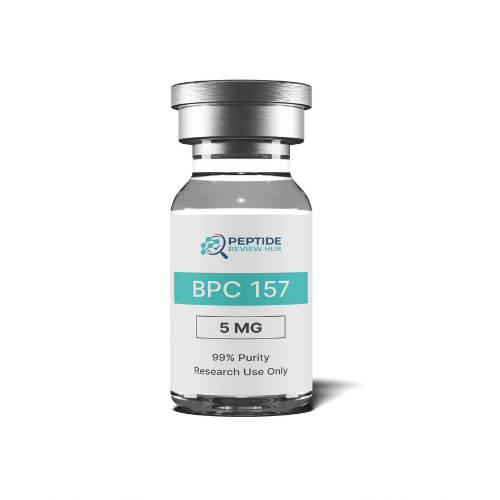
BPC 157
In the stomach of every man lies a substance more powerful than he knows. BPC-157 derives from this source - gastric juice, that most unpoetic of origins for what may prove a considerable discovery. The synthetic version contains fifteen amino acids arranged with the precision nature reserves for her most essential works. It endures where other peptides fail.
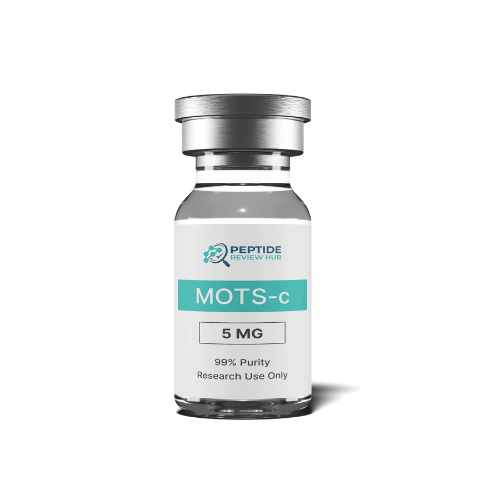
MOTS-c
The Mitochondrial-Derived Peptide MOTS-c promotes metabolic homeostasis and longevity, improves exercise capacity, reduces obesity, insulin resistance and other disease processes such as osteoporosis .
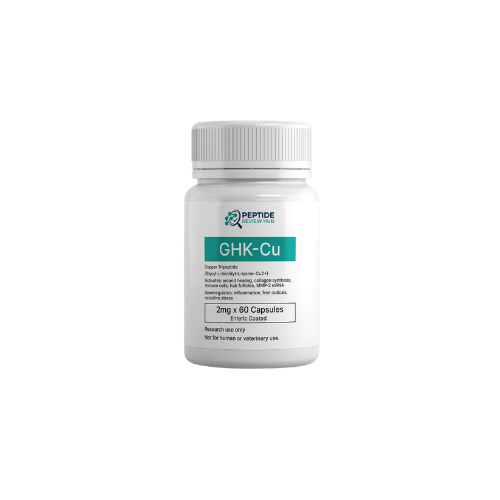
GHK-Cu
(2mg x 60 Capsules) (Copper Tripeptide) GHK-Cu is a small, naturally occurring peptide with the ability to attenuate inflammation, improve antioxidant responses, and improve gene expression on a large scale. Research shows that this copper-chelating peptide may be of critical importance both in the prevention of neurodegenerative disease and as a tool for exploring pathophysiological mechanisms. Studies in mice have revealed that GHK-Cu can protect against neurological insults, improve wound healing, reduce rates of infection, and boost blood vessel growth.
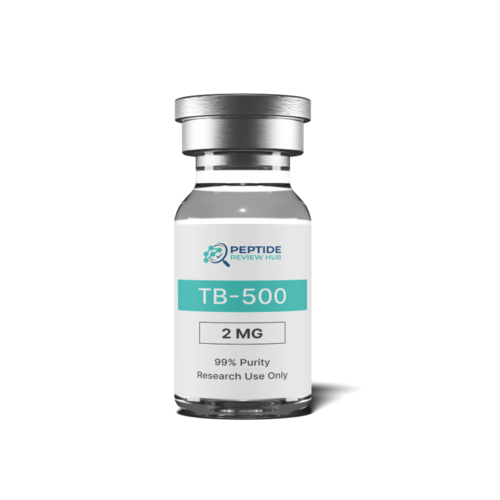
TB-500
Thymosin Beta-4 is a 43 amino acid peptide sequence. In animal models, Thymosin Beta-4 has been shown to improve blood vessel growth, regulate wound healing, decrease inflammation, and reduce oxidative damage in the heart and central nervous system. Thymosin-beta-4 has a role in protection, tissue repair, regeneration and remodeling of injured or damaged tissues. It is also of active interest in anti-aging research.