
Research Use Only. This compound is not intended for human consumption or therapeutic use.
Where to Buy Liraglutide: Vendor Comparison & Research Info
Liraglutide is a synthetic GLP-1 receptor agonist studied extensively in research involving glucose metabolism, insulin signaling, appetite regulation, and energy balance. It provides a useful research model for investigating GLP-1 receptor pathways and metabolic physiology.
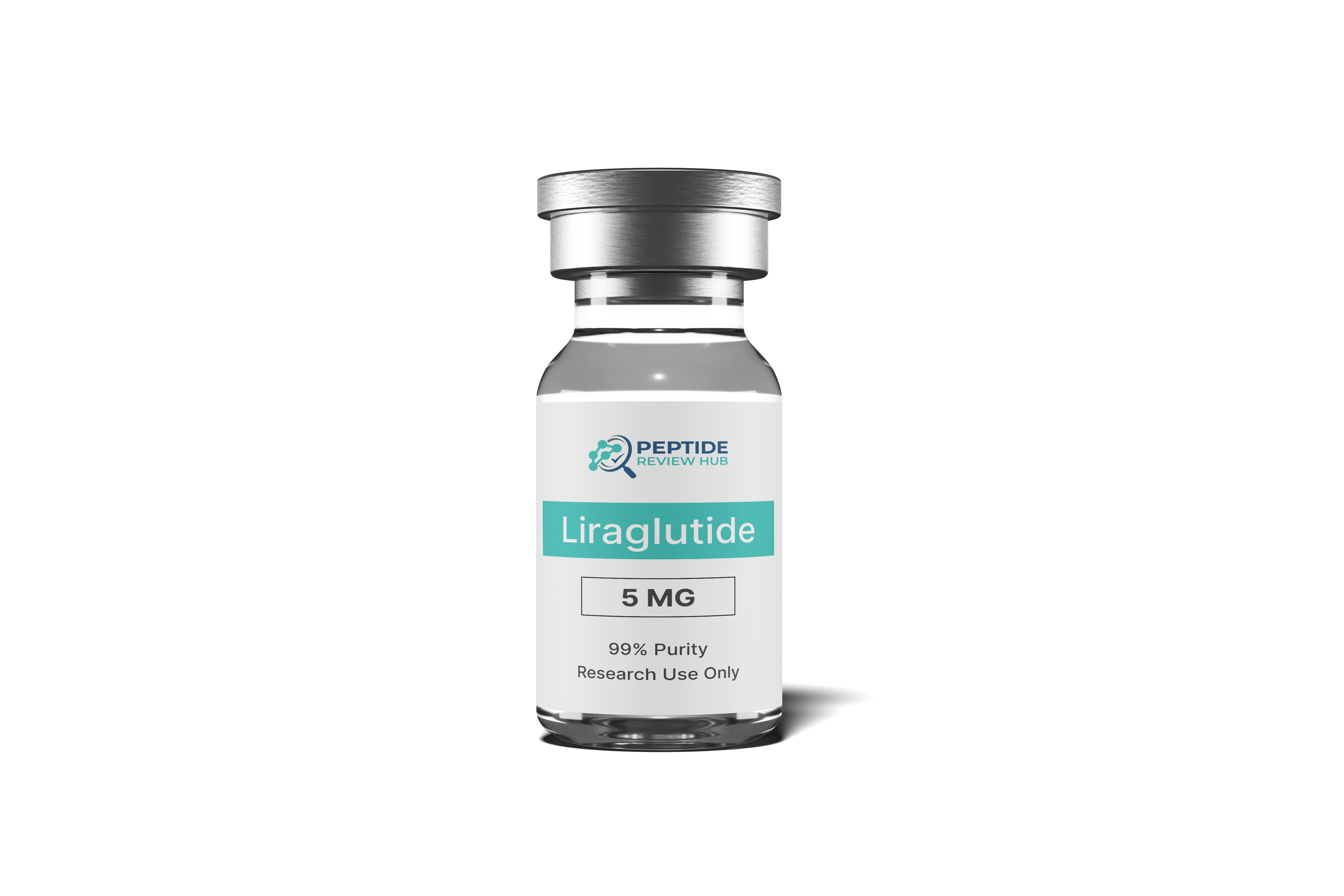
What is Liraglutide?
Liraglutide and Glucagon-Like Peptide-1 Overview
GLP-1, short for glucagon-like peptide-1 is a short, naturally occurring peptide hormone just 30-31 amino acids in length. Its primary physiologic function is to lower blood sugar levels by naturally enhancing insulin secretion. It also plays roles in protection beta cell insulin stores by promoting insulin gene transcription and has been linked with neurotrophic effects in the brain and central nervous system. In the GI system, GLP-1 has been shown to significantly decrease appetite by delaying gastric emptying and reducing intestinal motility. Preliminary research has shown impacts of GLP-1 in the heart, fat, muscles, bones, liver, lungs, and kidneys as well.
The primary focus of GLP-1 research has been in the realm of diabetes treatment/prevention as well as appetite suppression. Secondary research focuses on the potential cardiovascular benefits of the peptide. More recent, and thus less robust, research focuses on the ability of GLP-1 to stave off neurodegenerative disease. Though this latter area of research is newest, it is also the fast-growing area of GLP-1 study now that the peptide has been revealed to slow or prevent the accumulation of amyloid beta plaques in the setting of Alzheimer’s disease.
Liraglutide Structure
Sequence: HAEGTFTSDVSSYLEGQAALEFIATLVRGRG-OH.palmitoyl-E Molecular Formula: C172H265N43O51 Molecular Weight: 3751.24 g/mol PubChem CID: 16134956 CAS Number: 204656-20-2 Synonyms: Liraglutide, Victoza, Saxenda, Liraglutidea, NN2211, Liraglultidum
Liraglutide and GLP-1 Research
The Incretin Effect of GLP-1
Perhaps the most important effect that GLP-1 has, according to Dr. Holst, is referred to as the “incretin effect.” Incretins are a group of metabolic hormones, released by the GI tract, that cause a decrease in blood glucose (sugar) levels. GLP-1 has been shown to be one of the two most important hormones (the other being GIP) to stimulate the incretin effect in rodent models. Though GIP circulates at levels roughly 10 times higher than that of GLP-1, there is evidence that GLP-1 is the more potent of the two molecules, particularly when levels of blood glucose are quite high.
A GLP-1 receptor has been identified on the surface of pancreatic beta cells, making it clear that GLP-1 directly stimulates the exocytosis of insulin from the pancreas. When combined with sulfonylurea drugs, GLP-1 has been shown to boost insulin secretion enough to cause mild hypoglycemia in up to 40% of subjects. Of course, increased insulin secretion is associated with a number of trophic effects including increased protein synthesis, reduction in the breakdown of protein, and increased uptake of amino acids by skeletal muscle.
GLP-1 and Beta Cell Protection
Research in animal models suggests that GLP-1 can stimulate the growth and proliferation of pancreatic beta cells and that it may stimulate the differentiation of new beta cells form progenitors in the pancreatic duct epithelium. Research has also shown that GLP-1 inhibits beta cell apoptosis. Taken in sum, these effects tip the usual balance of beta cell growth and death toward growth, suggesting that the peptide may be useful in treating diabetes and in protecting the pancreas against insult that harms beta cells.
In one particularly compelling trial, GLP-1 was shown to inhibit the death of beta cells caused by enhanced levels of inflammatory cytokines. In fact, mouse models of type 1 diabetes have revealed that GLP-1 protects islet cells from destruction and may, in fact, be a useful means of preventing onset of the type 1 diabetes.
GLP-1 and Appetite
Research in mouse models suggests that administration of GLP-1, and its similar cousin GLP-1, into the brains of mice can reduce the drive to eat and inhibit food intake. It appears that GLP-1 may actually enhance feelings of satiety, helping individuals to feel fuller and reducing hunger indirectly. Recent clinical studies have shown in mice that twice daily administration of GLP-1 receptor agonists cause gradual, linear weight loss. Over a long period, this weight loss is associated with significant improvement in cardiovascular risk factors and a reduction in hemoglobin A1C levels, the latter of these being a proxy marker for the severity of diabetes and the quality of blood sugar control attained via treatment.
Potential Cardiovascular Benefits of GLP-1
It is now know that GLP-1 receptors are distributed throughout the heart and act to improve cardiac function in certain settings by boosting heart rate and reducing left ventricular end-diastolic pressure. The latter may not seem like much, but increased LV end-diastolic pressure is associated with LV hypertrophy, cardiac remodeling, and eventual heart failure.
Recent evidence has even suggested that GLP-1 could play role in decreasing the overall damaged caused by a heart attack. It appears that the peptide improves cardiac muscle glucose uptake, thereby helping struggling ischemic heart muscle cells to get the nutrition they need to continue functioning and avoid programmed cell death. The increase in glucose uptake in these cells appears to independent of insulin.
Large infusions of GLP-1 into dogs have been shown to improve LV performance and reduce systemic vascular resistance. The latter effect can help to reduce blood pressure and ease strain on the heart as a result. This, in turn, can help to reduce the long-term consequences of high blood pressure such as LV remodeling, vascular thickening, and heart failure. According to Dr. Holst, administration of GLP-1 following cardiac injury has “constantly increased myocardial performance both in experimental animal models and in patients.”
Size of damage in heart in control mice (A), mice given standard vasopressin therapy (B), and mice give GLP-1 (C).
GLP-1 and the Brain
There is some evidence to suggest that GLP-1 can improve learning and help to protect neurons against neurodegenerative diseases such as Alzheimer’s disease. In one study, GLP-1 was shown to enhance associative and spatial learning in mice and even to improve learning deficits in mice with specific gene defects. In rats that over-express the GLP-1 receptor in certain regions of the brain, learning and memory are both significantly better than in their normal controls.
Additional research in mice has shown that GLP-1 can help to protect against excitotoxic neuron damage, completely protecting rat models of neurodegeneration against glutamate-induced apoptosis. The peptide can even stimulate neurite outgrowth in cultured cells. Researchers are hopeful that additional research on GLP-1 will reveal how it might be used to halt or reverse certain neurodegenerative diseases.
Interestingly, GLP-1 and its analogue exendin-4 have been shown in mouse models to reduce levels of amyloid-beta in the brain as well as the beta-amyloid precursor protein found in neurons. Amyloid beta is the primary component of the plaques observed in Alzheimer’s disease, plaques which, while not necessarily known to be causative, are associated with the severity of the disease. It remains to be seen if preventing amyloid beta accumulation can protect against the effects of Alzheimer’s disease, but this research is, at the very least, a tantalizing clue as to how scientists my intervene in the progression of mild cognitive impairment to full Alzheimer’s disease.
GLP-1 exhibits minimal to moderate side effects, low oral and excellent subcutaneous bioavailability in mice. Per kg dosage in mice does not scale to humans. GLP-1 for sale at peptide Review hub is limited to educational and scientific research only, not for human consumption. Only buy GLP-1 if you are a licensed researcher.
Scientific Journal Author
In 1986 Professor Jens Juul Holst discovered the GLP-1 hormone in connection with his work on stomach ulcer surgery. Since the discovery, Novo Nordisk have used the research to successfully develop products to treat diabetes and obesity. The hormone GLP-1 can be used to regulate blood sugar levels and satiety. Not only has it made treatment of obesity and diabetes possible, it has also proven useful preventatively through early diagnosis for citizens who are at risk of developing diabetes and obesity. In 2015, Jens Juul Holst received the prestigious international Fernström prize for his research on GLP-1. He is one of the most cited researchers in Europe, with over 1,200 published articles and citations in over 3,500 articles annually.
Professor Jens Juul Holst is being referenced as one of the leading scientists involved in the research and development of GLP-1. In no way is this doctor/scientist endorsing or advocating the purchase, sale, or use of this product for any reason. There is no affiliation or relationship, implied or otherwise, between Peptide Review Hub and this doctor. The purpose of citing the doctor is to acknowledge, recognize, and credit the exhaustive research and development efforts conducted by the scientists studying this peptide.
This PRODUCT IS INTENDED AS A RESEARCH CHEMICAL ONLY. This designation allows the use of research chemicals strictly for in vitro testing and laboratory experimentation only. All product information available on this website is for educational purposes only. Bodily introduction of any kind into humans or animals is strictly forbidden by law. This product should only be handled by licensed, qualified professionals. This product is not a drug, food, or cosmetic and may not be misbranded, misused or mislabled as a drug, food or cosmetic.
Where to Buy Liraglutide Online
| Action | ||||||
|---|---|---|---|---|---|---|
| No vendors currently tracking this product. Check back soon. | ||||||
Chemical Properties & Handling
Standard storage protocols for lyophilized peptides generally apply unless otherwise specified.
- Lyophilized (Powder): Store at -20°C for up to 3 years. Keep away from direct light and moisture.
- Reconstituted (Liquid): Store at 2-8°C (refrigerated) and use within 20-30 days to maintain stability.
Research Reviews
No Research Reviews Yet
Be the first to share your research protocol and vendor experience with Liraglutide.
Best Liraglutide Vendors & Price Comparison
Liraglutide is a long-acting GLP-1 (Glucagon-Like Peptide-1) receptor agonist that has become one of the most extensively researched peptides in metabolic science, endocrinology, appetite regulation, cardiovascular biology, and neurodegenerative disease research. Researchers investigate Liraglutide because of its ability to mimic the biological activity of naturally occurring GLP-1 while providing enhanced stability and prolonged receptor activation.
As interest in GLP-1 research continues to expand, researchers frequently compare Liraglutide suppliers based on product purity, analytical testing, manufacturing quality, pricing, and supplier transparency.
This Liraglutide Vendor Price Comparison Guide helps researchers evaluate suppliers using objective criteria including:
Product Pricing
Cost Per Milligram
Product Purity
Third-Party Testing
Certificate of Analysis (COA)
Vendor Reputation
Customer Reviews
Shipping Performance
Product Availability
Overall Value
Whether you're searching for the most affordable Liraglutide supplier, the highest-purity research-grade product, or vendors offering extensive laboratory verification, this guide provides a framework for comparing research peptide suppliers.
Explore Liraglutide Vendors by Criteria
Most Popular Liraglutide Vendors
Compare suppliers frequently selected by metabolic and endocrinology researchers.
Highest Reviewed Liraglutide Vendors
Discover peptide suppliers with strong customer satisfaction and positive marketplace reputations.
Lowest Price Liraglutide Vendors
Identify vendors offering attractive pricing and competitive cost-per-milligram value.
Highest Purity Liraglutide Vendors
Review suppliers providing transparent purity verification and analytical testing.
Best Value Liraglutide Vendors
Compare pricing, testing standards, customer support, and overall product quality.
Fastest Shipping Liraglutide Vendors
Evaluate packaging quality, fulfillment reliability, and shipping performance.
Newly Listed Liraglutide Vendors
Explore recently added suppliers offering Liraglutide research peptides.
What Is Liraglutide?
Overview
Liraglutide is a synthetic GLP-1 receptor agonist designed to mimic the activity of endogenous glucagon-like peptide-1 while providing extended biological activity.
Researchers investigate Liraglutide because of its relationship with:
Glucose regulation
Insulin secretion
Appetite signaling
Energy balance
Weight-management biology
Cardiovascular function
Beta-cell protection
Neuroprotective pathways
Liraglutide has become one of the most important molecules in GLP-1 research.
Molecular Characteristics
Peptide Information
Researchers evaluating Liraglutide products should carefully review analytical documentation and product specifications.
Peptide Name
Liraglutide
Alternative Names
Victoza
Saxenda
NN2211
Liraglutidea
Liraglultidum
Sequence
HAEGTFTSDVSSYLEGQAALEFIATLVRGRG-OH.palmitoyl-E
Molecular Formula
C172H265N43O51
Molecular Weight
3751.24 g/mol
PubChem CID
16134956
CAS Number
204656-20-2
Classification
GLP-1 Receptor Agonist
Research Category
Metabolic & Endocrine Research
Why Researchers Compare Liraglutide Vendors
Research reproducibility depends heavily on peptide quality and manufacturing consistency.
Differences among suppliers may include:
Product purity
Batch consistency
Manufacturing standards
Stability testing
Product documentation
Storage conditions
Shipping procedures
Quality-control systems
Careful vendor evaluation helps improve research reliability and experimental consistency.
How We Compare Liraglutide Vendors
Third-Party Laboratory Testing
Independent testing remains one of the strongest indicators of peptide quality.
Researchers should prioritize suppliers offering:
Third-party laboratory testing
Batch-specific testing
Identity confirmation
Purity verification
Certificate of Analysis (COA)
A quality COA should include:
Batch number
Test date
Purity percentage
Identity confirmation
Analytical methodology
Product Purity
Purity remains one of the most important considerations when evaluating research peptides.
Higher-purity products generally contribute to more reliable and reproducible results.
Cost Per Milligram
Comparing vial prices alone may be misleading.
Cost Per Milligram Formula
Product Price ÷ Total Milligrams = Cost Per Milligram
This provides a more meaningful comparison across suppliers.
Customer Reviews
Customer feedback often provides insight into:
Product consistency
Packaging quality
Shipping reliability
Customer support
Overall purchasing experience
Vendor Reputation
Established peptide suppliers often demonstrate:
Transparent quality-control procedures
Reliable testing standards
Positive customer reviews
Consistent inventory availability
Current Research & Evidence
GLP-1 Research
The primary area of Liraglutide investigation involves GLP-1 receptor signaling.
Researchers continue studying pathways related to:
Insulin secretion
Glucose regulation
Metabolic signaling
Energy homeostasis
Endocrine communication
This remains the central focus of Liraglutide research.
The Incretin Effect
One of the most important biological functions associated with GLP-1 is the incretin effect.
Researchers investigate pathways involving:
Glucose-dependent insulin secretion
Pancreatic beta-cell responses
Post-meal glucose regulation
Hormonal coordination within the gastrointestinal system
The incretin effect remains a major foundation of GLP-1 biology.
Key Areas of Liraglutide Research
Beta Cell Research
Researchers have extensively studied Liraglutide because of its relationship with pancreatic beta-cell biology.
Areas of investigation include:
Beta-cell survival
Cellular protection mechanisms
Beta-cell proliferation
Insulin gene expression
Islet-cell maintenance
This remains one of the most important areas of GLP-1 research.
Appetite & Satiety Research
Liraglutide has generated significant interest because of its impact on appetite-related pathways.
Researchers continue evaluating:
Satiety signaling
Gastric emptying
Food-intake regulation
Hypothalamic signaling
Energy balance
These mechanisms represent a major focus of metabolic research.
Weight Regulation Research
Scientists continue exploring relationships involving:
Energy expenditure
Body composition
Appetite regulation
Nutritional signaling
Metabolic adaptation
Additional studies remain ongoing.
Cardiovascular Research
GLP-1 receptors have been identified throughout the cardiovascular system.
Researchers investigate pathways involving:
Cardiac function
Myocardial metabolism
Vascular signaling
Blood-pressure regulation
Cardiac remodeling biology
This remains one of the fastest-growing areas of GLP-1 research.
Heart Function Research
Experimental studies have examined relationships involving:
Myocardial performance
Cardiac-cell metabolism
Ischemic tissue responses
Glucose uptake within cardiac tissue
Researchers continue studying these pathways.
Neuroprotection Research
Growing evidence has increased interest in GLP-1 biology within neuroscience.
Researchers investigate pathways involving:
Neurogenesis
Neuronal protection
Synaptic function
Learning and memory processes
Brain health
This remains an emerging field of study.
Alzheimer's Disease Research
Researchers continue investigating how GLP-1-related pathways may influence:
Amyloid-beta biology
Neurodegenerative mechanisms
Cognitive decline
Neuronal resilience
Brain signaling networks
Additional research remains ongoing.
Learning & Memory Research
Studies have examined connections involving:
Spatial learning
Memory formation
Cognitive performance
Neural adaptation
Neuroplasticity
Scientists continue evaluating these relationships.
Why Researchers Study Liraglutide
Liraglutide remains unique because of its involvement in multiple biological systems.
Common research applications include:
Endocrinology
Metabolism
Obesity research
Diabetes research
Appetite biology
Cardiovascular science
Neuroscience
Neurodegenerative disease research
Few peptide classes have demonstrated such broad scientific relevance.
Product Quality & Analytical Testing
Why Testing Matters
Research-grade Liraglutide products should undergo testing to verify:
Identity
Purity
Stability
Potency
Batch consistency
Common Testing Methods
High-Performance Liquid Chromatography (HPLC)
Used to assess purity and identify impurities.
Mass Spectrometry (MS)
Used to verify molecular identity and composition.
Identity Verification Testing
Confirms peptide authenticity.
Stability Testing
Evaluates peptide integrity during storage.
Batch Consistency Testing
Measures reproducibility across manufacturing lots.
Understanding Liraglutide Pricing
Several factors influence pricing among suppliers.
Product Purity
Higher-purity products often command premium pricing.
Complex Manufacturing
Liraglutide is a large and structurally modified peptide that can be more expensive to manufacture than smaller peptides.
Analytical Verification
Comprehensive testing programs improve transparency while increasing production costs.
Market Demand
Strong scientific and commercial interest in GLP-1 research contributes to elevated demand.
Vendor Reputation
Trusted suppliers often charge more due to established quality-control procedures.
Liraglutide Vendor Evaluation Checklist
Quality Verification
✅ Third-party testing available
✅ Certificate of Analysis provided
✅ Identity verification documented
✅ Purity information disclosed
✅ Batch-specific testing available
Vendor Reliability
✅ Positive customer reviews
✅ Transparent company information
✅ Responsive customer support
✅ Reliable inventory availability
Purchasing Experience
✅ Secure checkout process
✅ Shipment tracking available
✅ Clear refund policies
✅ Reliable order fulfillment
Red Flags When Comparing Vendors
Testing Concerns
❌ No third-party testing
❌ Missing COAs
❌ Unverified purity claims
❌ Outdated laboratory reports
Transparency Issues
❌ Hidden product specifications
❌ Missing batch information
❌ Limited documentation
❌ No company contact information
Service Problems
❌ Frequent stock shortages
❌ Poor communication
❌ Negative customer reviews
❌ Unclear shipping policies
Frequently Asked Questions
What is Liraglutide?
Liraglutide is a long-acting GLP-1 receptor agonist designed to mimic the biological activity of glucagon-like peptide-1 (GLP-1).
What is Liraglutide used for in research?
Researchers investigate Liraglutide in studies involving glucose regulation, insulin secretion, appetite signaling, beta-cell biology, cardiovascular function, metabolism, weight-management pathways, and neurodegenerative disease mechanisms.
Why compare Liraglutide vendors?
Purity, analytical testing, documentation quality, pricing, and supplier reliability can vary substantially among vendors.
What should researchers evaluate before purchasing?
Researchers should review:
Certificate of Analysis (COA)
Third-party testing
Identity verification
Purity confirmation
Vendor reputation
Customer reviews
Why is third-party testing important?
Independent testing helps verify product identity, purity, and batch consistency while improving transparency.
Is the cheapest supplier always the best option?
No. Product quality, laboratory testing, documentation quality, and supplier reliability are often more important than price alone.
How often should vendor comparisons be updated?
Pricing, supplier policies, inventory availability, and laboratory reports can change frequently and should be reviewed regularly.
Final Thoughts
Liraglutide remains one of the most important GLP-1 receptor agonists in modern metabolic research due to its established relationship with glucose regulation, insulin signaling, appetite control, cardiovascular biology, beta-cell protection, and neuroprotective pathways. Ongoing investigations continue exploring its role in metabolic health, cardiovascular function, and neurodegenerative disease research.
When comparing Liraglutide vendors, researchers should prioritize purity verification, third-party testing, Certificate of Analysis availability, supplier reputation, and overall value rather than focusing solely on cost. A structured vendor-comparison process can help identify suppliers capable of meeting rigorous research-quality standards.
Current Research & Evidence
Research evidence for Liraglutide has not yet been added.
Key Findings on Liraglutide Use
Key findings for Liraglutide have not yet been added.
Related Peptides in Peptide
BPC 157
In the stomach of every man lies a substance more powerful than he knows. BPC-157 derives from this source - gastric juice, that most unpoetic of origins for what may prove a considerable discovery. The synthetic version contains fifteen amino acids arranged with the precision nature reserves for her most essential works. It endures where other peptides fail.
MOTS-c
The Mitochondrial-Derived Peptide MOTS-c promotes metabolic homeostasis and longevity, improves exercise capacity, reduces obesity, insulin resistance and other disease processes such as osteoporosis .
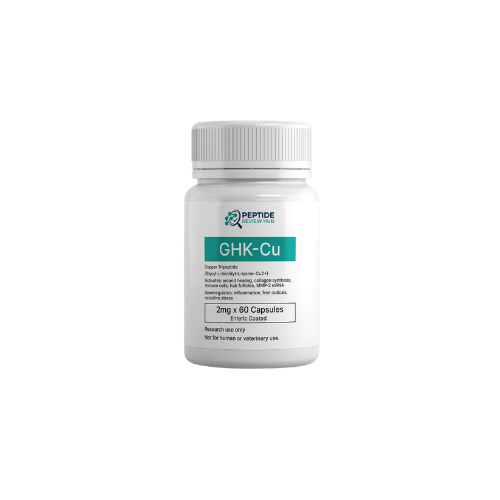
GHK-Cu
(2mg x 60 Capsules) (Copper Tripeptide) GHK-Cu is a small, naturally occurring peptide with the ability to attenuate inflammation, improve antioxidant responses, and improve gene expression on a large scale. Research shows that this copper-chelating peptide may be of critical importance both in the prevention of neurodegenerative disease and as a tool for exploring pathophysiological mechanisms. Studies in mice have revealed that GHK-Cu can protect against neurological insults, improve wound healing, reduce rates of infection, and boost blood vessel growth.
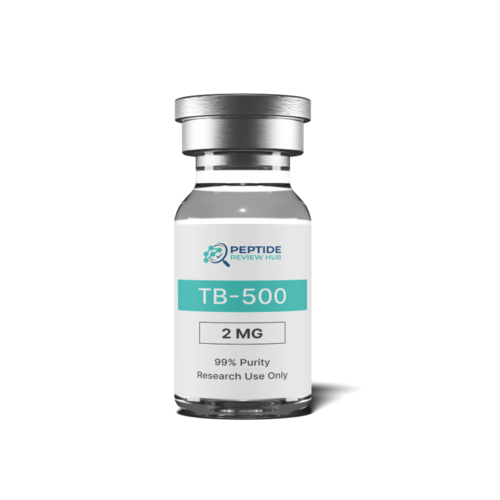
TB-500
Thymosin Beta-4 is a 43 amino acid peptide sequence. In animal models, Thymosin Beta-4 has been shown to improve blood vessel growth, regulate wound healing, decrease inflammation, and reduce oxidative damage in the heart and central nervous system. Thymosin-beta-4 has a role in protection, tissue repair, regeneration and remodeling of injured or damaged tissues. It is also of active interest in anti-aging research.