
Research Use Only. This compound is not intended for human consumption or therapeutic use.
Where to Buy L-onadorelin: Vendor Comparison & Research Info
L-Onadorelin is an experimental research peptide studied for GnRH receptor signaling, endocrine pathways, peptide–receptor interactions, and reproductive biology research. It is intended strictly for laboratory research and is not for human consumption or medical use.
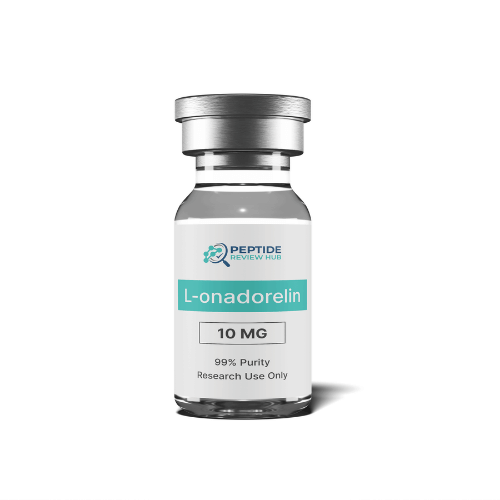
What is L-onadorelin?
L-Onadorelin is an experimental peptide research compound investigated primarily in connection with gonadotropin-releasing hormone (GnRH) receptor signaling and endocrine biology. As a GnRH-related peptide, L-Onadorelin provides researchers with a model for studying signaling pathways involved in the regulation of reproductive endocrine processes and pituitary hormone activity.
Research involving L-Onadorelin may focus on receptor-mediated signaling, gonadotropin regulation, peptide–receptor interactions, and mechanisms associated with the hypothalamic-pituitary-gonadal axis. Researchers evaluating L-Onadorelin should review product-specific documentation covering peptide identity, purity, analytical testing, batch information, formulation, and storage requirements.
L-Onadorelin should be regarded strictly as a research material. It is not intended for human consumption, diagnosis, prevention, or treatment of any disease or medical condition.
Vendors Listed
Lowest Price: $—
Compare Vendors | View Deals
What is L-Onadorelin?
L-Onadorelin is an experimental peptide associated with research into GnRH receptor-mediated endocrine signaling. GnRH signaling plays an important role in experimental studies of pituitary gonadotropin regulation and reproductive hormone pathways.
The compound may be used as a research model for examining how peptide ligands interact with GnRH receptors and influence downstream signaling mechanisms in controlled laboratory systems. Research applications can include receptor-binding studies, endocrine signaling research, and investigation of mechanisms associated with gonadotropin secretion.
Results obtained from experimental studies depend on the biological model, peptide concentration, receptor expression, assay conditions, and analytical methodology used.
Overview
L-Onadorelin is a research-oriented peptide studied in the context of reproductive endocrinology and GnRH receptor signaling.
Its research profile is primarily associated with:
GnRH Receptor Signaling: Investigation of peptide interactions with gonadotropin-releasing hormone receptors.
Pituitary Endocrine Research: Examination of signaling pathways associated with pituitary gonadotropin regulation.
Reproductive Biology: Study of molecular mechanisms involved in reproductive endocrine systems.
Peptide–Receptor Interactions: Evaluation of ligand-receptor binding and downstream cellular responses.
Hormonal Signaling: Investigation of experimental pathways associated with luteinizing hormone (LH) and follicle-stimulating hormone (FSH) regulation.
Researchers should distinguish between established biological functions of the GnRH signaling system and findings specifically demonstrated for L-Onadorelin.
Molecular Characteristics
L-Onadorelin is a peptide research compound whose precise molecular characteristics should be confirmed using product-specific analytical documentation.
Key characterization parameters may include:
Compound Name: L-Onadorelin
Research Classification: Experimental peptide
Biological Association: Gonadotropin-releasing hormone (GnRH) receptor signaling
Research Area: Endocrine and reproductive biology
Molecular Identity: Should be confirmed through analytical testing
Purity: Should be verified using the product-specific certificate of analysis
Formulation: Product-dependent
Batch Information: Should be documented by the supplier
Because peptide formulations can vary between manufacturers and production lots, researchers should consult the relevant certificate of analysis (COA) for molecular identity, purity, composition, analytical methodology, and batch-specific information.
Research Applications
L-Onadorelin may be investigated in laboratory and preclinical research involving:
GnRH Receptor Research: Studying interactions between peptide ligands and GnRH receptors in controlled experimental systems.
Endocrine Signaling: Investigating cellular signaling pathways associated with reproductive hormone regulation.
Pituitary Biology: Examining mechanisms involved in experimental gonadotropin signaling.
Reproductive Biology: Studying molecular pathways associated with the hypothalamic-pituitary-gonadal axis.
Receptor Binding Studies: Evaluating peptide–receptor interactions and binding characteristics.
Hormonal Regulation Research: Investigating experimental mechanisms related to LH and FSH signaling.
Peptide Pharmacology: Examining how experimental peptide ligands interact with specific receptor systems.
Cellular Signaling: Studying downstream molecular responses following receptor activation in appropriate laboratory models.
These represent areas of scientific investigation and should not be interpreted as established therapeutic applications.
Mechanism of Research Interest
The research interest in L-Onadorelin is primarily related to the GnRH receptor signaling system.
GnRH is a peptide hormone involved in the regulation of reproductive endocrine signaling. In experimental biological systems, activation of GnRH receptors can initiate intracellular signaling processes within receptor-expressing cells. These pathways are associated with downstream regulation of pituitary gonadotropins, including LH and FSH.
L-Onadorelin is therefore of interest as an experimental peptide for investigating ligand-mediated GnRH receptor activity and related signaling mechanisms.
Researchers may examine receptor activation, intracellular signaling responses, ligand-receptor interactions, and downstream endocrine effects under controlled experimental conditions. The precise activity observed can depend on receptor expression, experimental model, peptide concentration, assay design, and other laboratory variables.
Findings from related GnRH compounds should not automatically be interpreted as evidence of identical activity for L-Onadorelin. Product-specific experimental and analytical data should be evaluated independently.
Preclinical Research
Research involving GnRH-related peptides has contributed to the broader understanding of reproductive endocrine signaling, receptor pharmacology, pituitary biology, and hormone regulation.
Experimental studies may investigate how GnRH receptor ligands influence intracellular signaling and downstream endocrine responses in cellular, biochemical, or animal models. Such research can help characterize receptor activity and investigate the molecular relationships between peptide ligands and endocrine signaling pathways.
However, the evidence associated with GnRH-related compounds varies according to the specific peptide, experimental model, study design, and research endpoint.
Research findings from other GnRH analogues or related peptide compounds should not automatically be attributed to L-Onadorelin. Experimental observations should be interpreted according to the specific compound and laboratory conditions under investigation.
Product Quality & Analytical Testing
Research-grade L-Onadorelin should be evaluated using appropriate analytical techniques to confirm identity, purity, composition, and batch consistency. Depending on the intended laboratory application, quality assessment may include:
HPLC: Evaluation of peptide purity and detection of related impurities.
Mass Spectrometry: Verification of molecular mass and confirmation of peptide identity.
Chromatographic Analysis: Assessment of the peptide profile and potential degradation products.
Peptide Mapping: Additional characterization of peptide composition when appropriate.
Identity Testing: Confirmation that the supplied material corresponds to the stated compound.
Batch Testing: Comparison of analytical characteristics across manufacturing lots.
Stability Testing: Evaluation of peptide integrity under defined storage conditions.
Researchers should review the certificate of analysis (COA), batch number, stated purity, analytical methodology, formulation details, and storage requirements before incorporating L-Onadorelin into laboratory research.
Research Use Only
L-Onadorelin is an experimental research peptide associated with GnRH receptor and endocrine signaling research. It is not an approved medication, dietary supplement, or established medical treatment.
It should not be presented as a treatment for infertility, hormonal disorders, reproductive conditions, or any other medical condition. Research materials should be handled according to applicable laboratory procedures, institutional requirements, manufacturer specifications, and relevant regulations.
Independent verification of peptide identity, purity, composition, and analytical documentation is recommended before research use.
Where to Buy L-onadorelin Online
| Rank | Vendor | Trust Score | Vial Size | Price / mg | Status | Action |
|---|---|---|---|---|---|---|
| No vendors currently tracking this product. Check back soon. | ||||||
Chemical Properties & Handling
Standard storage protocols for lyophilized peptides generally apply unless otherwise specified.
- Lyophilized (Powder): Store at -20°C for up to 3 years. Keep away from direct light and moisture.
- Reconstituted (Liquid): Store at 2-8°C (refrigerated) and use within 20-30 days to maintain stability.
Research Reviews
No Research Reviews Yet
Be the first to share your research protocol and vendor experience with L-onadorelin.
Best L-onadorelin Vendors & Price Comparison
L-Onadorelin is an experimental peptide research compound investigated primarily in the fields of gonadotropin-releasing hormone (GnRH) receptor signaling, reproductive endocrinology, pituitary biology, and hormone-regulation research. Researchers study L-Onadorelin because of its association with GnRH-mediated signaling pathways involved in communication between the hypothalamic-pituitary-gonadal (HPG) axis and endocrine systems.
As interest in endocrine signaling peptides continues to grow, researchers frequently compare L-Onadorelin suppliers based on product purity, analytical testing, manufacturing quality, pricing, and supplier transparency.
This L-Onadorelin Vendor Price Comparison Guide helps researchers evaluate suppliers using objective criteria including:
Product Pricing
Cost Per Milligram
Product Purity
Third-Party Testing
Certificate of Analysis (COA)
Vendor Reputation
Customer Reviews
Shipping Performance
Product Availability
Overall Value
Whether you're searching for the most affordable L-Onadorelin supplier, the highest-purity research-grade product, or vendors with extensive laboratory verification, this guide provides a framework for comparing peptide suppliers.
Explore L-Onadorelin Vendors by Criteria
Most Popular L-Onadorelin Vendors
Compare suppliers frequently selected by endocrine and reproductive biology researchers.
Highest Reviewed L-Onadorelin Vendors
Discover peptide suppliers with strong customer feedback and positive marketplace reputations.
Lowest Price L-Onadorelin Vendors
Identify vendors offering competitive pricing and favorable cost-per-milligram value.
Highest Purity L-Onadorelin Vendors
Review suppliers providing transparent purity verification and analytical testing.
Best Value L-Onadorelin Vendors
Compare pricing, product quality, testing standards, and customer support.
Fastest Shipping L-Onadorelin Vendors
Evaluate fulfillment consistency, shipping speed, and packaging quality.
Newly Listed L-Onadorelin Vendors
Explore recently added suppliers offering L-Onadorelin research peptides.
What Is L-Onadorelin?
Overview
L-Onadorelin is an experimental peptide associated with GnRH receptor-mediated signaling and reproductive endocrine research.
Researchers investigate L-Onadorelin because of its relationship with:
GnRH receptor signaling
Pituitary hormone regulation
Reproductive endocrinology
Gonadotropin signaling
Hormonal communication pathways
Peptide-receptor interactions
Cellular signaling cascades
Hypothalamic-pituitary-gonadal axis biology
L-Onadorelin serves as a valuable research tool for examining peptide-driven endocrine mechanisms in controlled laboratory environments.
Molecular Characteristics
Peptide Information
Researchers evaluating L-Onadorelin products should carefully review product specifications and analytical documentation.
Peptide Name
L-Onadorelin
Research Classification
Experimental Peptide
Biological Association
Gonadotropin-Releasing Hormone (GnRH) Receptor Signaling
Research Category
Endocrine & Reproductive Biology Research
Molecular Identity
Should be verified through product-specific analytical testing.
Purity
Should be confirmed through a batch-specific Certificate of Analysis (COA).
Formulation
May vary between suppliers and production lots.
Batch Information
Should be documented and traceable through supplier-provided testing records.
Why Researchers Compare L-Onadorelin Vendors
Research reproducibility depends heavily on peptide quality and manufacturing consistency.
Differences among suppliers may include:
Product purity
Batch consistency
Stability testing
Manufacturing standards
Product documentation
Analytical verification
Storage conditions
Quality-control procedures
Careful supplier selection helps improve consistency and reliability across research projects.
How We Compare L-Onadorelin Vendors
Third-Party Laboratory Testing
Independent testing remains one of the strongest indicators of peptide quality.
Researchers should prioritize suppliers offering:
Third-party testing
Identity verification
Purity analysis
Batch-specific testing reports
Certificate of Analysis (COA)
A quality COA should include:
Batch number
Testing date
Purity percentage
Identity verification
Testing methodology
Product Purity
Purity remains one of the most important metrics when evaluating research peptides.
Higher-purity products generally contribute to improved reproducibility and experimental consistency.
Cost Per Milligram
Comparing vial prices alone may not accurately reflect value.
Cost Per Milligram Formula
Product Price ÷ Total Milligrams = Cost Per Milligram
This metric allows for more accurate comparison across suppliers.
Customer Reviews
Customer feedback often provides insight into:
Product consistency
Packaging standards
Shipping performance
Customer support
Overall purchasing experience
Vendor Reputation
Established peptide suppliers often demonstrate:
Transparent testing procedures
Reliable quality assurance programs
Strong customer satisfaction
Consistent product availability
Current Research & Evidence
GnRH Receptor Research
The primary area of L-Onadorelin investigation involves GnRH receptor signaling.
Researchers continue studying:
Receptor activation
Ligand-receptor interactions
Signal transduction pathways
Endocrine communication systems
Hormonal regulation mechanisms
This remains the central focus of L-Onadorelin research.
Reproductive Endocrinology Research
Researchers investigate pathways involving:
Reproductive hormone signaling
Endocrine feedback systems
Hormonal communication networks
Pituitary regulation
HPG-axis function
These systems remain a major focus of reproductive biology research.
Key Areas of L-Onadorelin Research
Pituitary Biology Research
Experimental studies investigate L-Onadorelin because of its association with pituitary signaling pathways.
Researchers continue examining:
Gonadotropin regulation
Endocrine communication
Hormonal response mechanisms
Pituitary cell signaling
Further research remains ongoing.
LH Signaling Research
Researchers investigate pathways involving:
Luteinizing hormone (LH)
Pituitary endocrine activity
Receptor-mediated signaling
Hormonal regulation
This remains an important area of study.
FSH Signaling Research
Scientists continue studying relationships involving:
Follicle-stimulating hormone (FSH)
Reproductive endocrine pathways
Hormone secretion mechanisms
Endocrine regulation
Additional research remains ongoing.
Peptide-Receptor Binding Research
Researchers frequently study L-Onadorelin because of its usefulness in:
Binding-affinity investigations
Receptor pharmacology
Ligand selectivity studies
Cellular signaling analysis
This helps improve understanding of peptide signaling systems.
Hypothalamic-Pituitary-Gonadal Axis Research
The HPG axis remains a major focus of endocrine science.
Researchers continue investigating:
Hormonal feedback loops
Reproductive signaling
Endocrine communication pathways
Neuroendocrine regulation
L-Onadorelin may serve as a valuable research tool within these studies.
Cellular Signaling Research
Scientists continue examining pathways involving:
Intracellular signaling
Receptor activation
Secondary messenger systems
Molecular communication pathways
These studies help characterize endocrine signaling mechanisms.
Peptide Pharmacology Research
Researchers study L-Onadorelin because of its relevance to:
Receptor pharmacology
Experimental peptide signaling
Ligand-response relationships
Endocrine pathway characterization
This field continues to expand as peptide-based research grows.
Why Researchers Study L-Onadorelin
L-Onadorelin remains of interest because it provides researchers with an experimental model for investigating endocrine communication systems.
Common research applications include:
Reproductive biology
Endocrinology
GnRH receptor signaling
Pituitary biology
Hormonal regulation
Peptide pharmacology
Receptor binding studies
Cellular signaling research
Its relevance to several major biological signaling systems makes it valuable in laboratory investigation.
Research Limitations
Most findings involving L-Onadorelin originate from:
Laboratory research
Cell-culture studies
Biochemical investigations
Preclinical experimental models
Additional research remains necessary to fully characterize biological mechanisms and long-term effects.
Research findings should not be interpreted as evidence of approved therapeutic or clinical applications.
Product Quality & Analytical Testing
Why Testing Matters
Research-grade L-Onadorelin products should undergo testing to verify:
Identity
Purity
Stability
Composition
Batch consistency
Common Testing Methods
High-Performance Liquid Chromatography (HPLC)
Used to evaluate peptide purity and identify impurities.
Mass Spectrometry (MS)
Used to verify molecular identity and molecular mass.
Chromatographic Analysis
Used to evaluate peptide composition and degradation products.
Peptide Mapping
Provides additional characterization of peptide composition.
Identity Verification Testing
Confirms supplied material matches the stated compound.
Stability Testing
Evaluates product integrity under defined storage conditions.
Understanding L-Onadorelin Pricing
Several factors influence pricing among peptide suppliers.
Product Purity
Higher-purity products often command premium pricing.
Analytical Verification
Comprehensive testing programs improve transparency while increasing manufacturing costs.
Manufacturing Standards
Strict quality-control procedures can contribute to higher pricing.
Research Demand
Increasing interest in endocrine and reproductive biology research continues to support demand.
Vendor Reputation
Established suppliers frequently charge more due to robust quality-assurance systems.
L-Onadorelin Vendor Evaluation Checklist
Quality Verification
✅ Third-party testing available
✅ Certificate of Analysis provided
✅ Identity verification documented
✅ Purity information disclosed
✅ Batch-specific testing available
Vendor Reliability
✅ Positive customer reviews
✅ Transparent company information
✅ Responsive customer support
✅ Reliable inventory availability
Purchasing Experience
✅ Secure checkout process
✅ Shipment tracking available
✅ Clear return policies
✅ Reliable order fulfillment
Red Flags When Comparing Vendors
Testing Concerns
❌ No third-party testing
❌ Missing COAs
❌ Unverified purity claims
❌ Outdated testing reports
Transparency Issues
❌ Missing product specifications
❌ No batch information
❌ Limited analytical documentation
❌ No supplier contact information
Service Problems
❌ Frequent inventory shortages
❌ Poor customer communication
❌ Negative customer reviews
❌ Unclear shipping policies
Frequently Asked Questions
What is L-Onadorelin?
L-Onadorelin is an experimental peptide associated with gonadotropin-releasing hormone (GnRH) receptor signaling and reproductive endocrine research.
What is L-Onadorelin used for in research?
Researchers investigate L-Onadorelin in studies involving GnRH receptor signaling, pituitary biology, reproductive endocrinology, LH and FSH regulation, peptide-receptor interactions, and endocrine communication pathways.
Why compare L-Onadorelin vendors?
Purity, analytical testing, documentation quality, pricing, and supplier reliability can vary significantly among vendors.
What should researchers evaluate before purchasing?
Researchers should review:
Certificate of Analysis (COA)
Third-party testing
Identity verification
Purity confirmation
Vendor reputation
Customer reviews
Why is third-party testing important?
Independent testing helps verify peptide identity, purity, and batch consistency while improving transparency and reproducibility.
Is the lowest-priced supplier always the best option?
No. Product quality, testing standards, supplier reliability, and documentation are often more important than cost alone.
How often should vendor comparisons be updated?
Pricing, inventory availability, testing reports, and supplier policies can change frequently and should be reviewed regularly.
Final Thoughts
L-Onadorelin remains an emerging research peptide of interest because of its relationship with GnRH receptor signaling, pituitary biology, reproductive endocrinology, and hormonal communication pathways. Ongoing research continues to explore its value as an experimental model for understanding endocrine signaling and peptide-receptor interactions within the hypothalamic-pituitary-gonadal axis.
When comparing L-Onadorelin vendors, researchers should prioritize purity verification, third-party analytical testing, Certificate of Analysis availability, supplier reputation, and overall value rather than focusing solely on price. A structured vendor-comparison process can help identify suppliers capable of meeting rigorous research-quality standards.
Current Research & Evidence
Research evidence for L-onadorelin has not yet been added.
Key Findings on L-onadorelin Use
Key findings for L-onadorelin have not yet been added.
Related Peptides in
PT 21
PT-21 is an experimental research peptide investigated in controlled laboratory studies of cellular signaling, molecular pathways, tissue biology, and cellular responses. Supplied as a research material for qualified researchers, it is intended strictly for in vitro research and not for human or animal use.
SS-31
SS-31, also known as elamipretide or MTP-131, is a synthetic mitochondria-targeted tetrapeptide studied in laboratory research involving cardiolipin interactions, mitochondrial respiration, oxidative stress, ATP production, and cellular energy metabolism.
Welanostatin DM
Melanostatin DM is a synthetic hexapeptide studied in research involving melanocortin signaling, melanocyte biology, pigmentation pathways, peptide-receptor interactions, and structure-activity relationships.
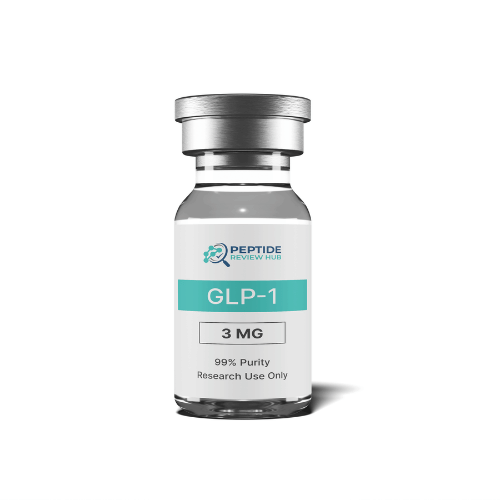
GLP-1
GLP-1 is a peptide hormone studied in research involving GLP-1 receptor signaling, cellular communication, metabolic biology, pancreatic pathways, and gastrointestinal research. It is intended strictly for laboratory research and not for human or animal consumption.