
Research Use Only. This compound is not intended for human consumption or therapeutic use.
Where to Buy IGF-2: Vendor Comparison & Research Info
This PRODUCT IS INTENDED AS A RESEARCH CHEMICAL ONLY. This designation allows the use of research chemicals strictly for in vitro testing and laboratory experimentation only. All product information available on this website is for educational purposes only. Bodily introduction of any kind into humans or animals is strictly forbidden by law.
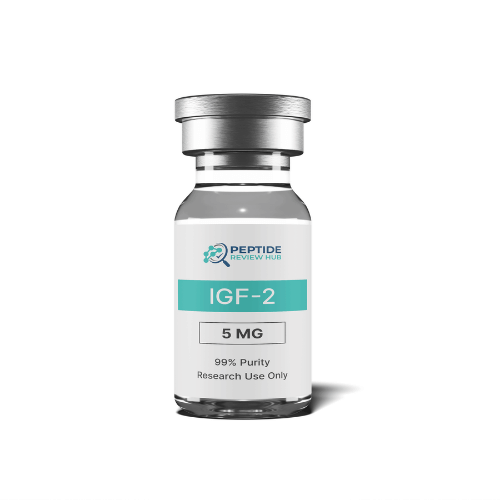
What is IGF-2?
This PRODUCT IS INTENDED AS A RESEARCH CHEMICAL ONLY. This designation allows the use of research chemicals strictly for in vitro testing and laboratory experimentation only. All product information available on this website is for educational purposes only. Bodily introduction of any kind into humans or animals is strictly forbidden by law. This product should only be handled by licensed, qualified professionals. This product is not a drug, food, or cosmetic and may not be misbranded, misused or mislabled as a drug, food or cosmetic.
IGF-2 (Insulin-Like Growth Factor-2)
IGF-2 is a member of the insulin family of polypeptide growth factors that is involved in development and growth. It is an imprinted gene and is expressed only from the paternally inherited allele. It is a candidate gene for eating disorders. There is a read-through, INS-IGF2, which aligns to this gene at the 3' region and to the upstream INS gene at the 5' region. Two alternatively spliced transcript variants encoding the same protein have been found for this gene.
Insulin-like growth factor II, also known as IGF-II, Somatomedin-A and IGF2, is a secreted protein which belongs to the insulin family. The insulin family, comprised of insulin, relaxin, insulin-like growth factors I and II ( IGF-I and IGF-II ) and possibly the beta-subunit of 7S nerve growth factor, represents a group of structurally related polypeptides whose biological functions have diverged. The IGFs, or somatomedins, constitute a class of polypeptides that have a key role in pre-adolescent mammalian growth. The IGFs possess growth-promoting activity.
They are potent mitogens for cultured cells. IGF-I expression is regulated by growth hormone and mediates postnatal growth, while IGF-II appears to be induced by placental lactogen during prenatal development. IGF2 / IGF-II is perhaps the most intricately regulated of all growth factors characterized to date. IGF2 / IGF-II activity is controlled through differential expression of receptors and IGF-binding proteins (IGFBPs) that determine protein availability. IGF2 / IGF-II is influenced by placental lactogen and may play a role in fetal development. Genetic variations in IGF2 are associated with body mass index (BMI). BMI is a statistical measurement which compares a person's weight and height.
Where to Buy IGF-2 Online
| Action | ||||||
|---|---|---|---|---|---|---|
| No vendors currently tracking this product. Check back soon. | ||||||
Chemical Properties & Handling
Standard storage protocols for lyophilized peptides generally apply unless otherwise specified.
- Lyophilized (Powder): Store at -20°C for up to 3 years. Keep away from direct light and moisture.
- Reconstituted (Liquid): Store at 2-8°C (refrigerated) and use within 20-30 days to maintain stability.
Research Reviews
No Research Reviews Yet
Be the first to share your research protocol and vendor experience with IGF-2.
Best IGF-2 Vendors & Price Comparison
IGF-2 (Insulin-Like Growth Factor-2) is a naturally occurring growth factor belonging to the insulin family of signaling proteins. Researchers investigate IGF-2 because of its important role in cellular growth, developmental biology, tissue differentiation, metabolic signaling, stem-cell biology, regenerative physiology, and growth-factor communication.
As interest in growth-factor and regenerative research continues to expand, researchers frequently compare IGF-2 suppliers based on purity, analytical testing, manufacturing quality, pricing, and supplier transparency.
This IGF-2 Vendor Price Comparison Guide helps researchers evaluate suppliers using objective criteria including:
Product Pricing
Cost Per Milligram
Product Purity
Third-Party Testing
Certificate of Analysis (COA)
Vendor Reputation
Customer Reviews
Shipping Performance
Product Availability
Overall Value
Whether you're searching for the lowest-priced IGF-2 supplier, the highest-purity research-grade material, or vendors offering extensive laboratory verification, this guide provides a framework for comparing research peptide suppliers.
Explore IGF-2 Vendors by Criteria
Most Popular IGF-2 Vendors
Compare suppliers frequently selected by growth-factor and developmental biology researchers.
Highest Reviewed IGF-2 Vendors
Discover peptide suppliers with strong customer satisfaction and positive marketplace reputations.
Lowest Price IGF-2 Vendors
Identify suppliers offering competitive pricing and attractive cost-per-milligram value.
Highest Purity IGF-2 Vendors
Review suppliers providing transparent purity verification and analytical testing.
Best Value IGF-2 Vendors
Compare pricing, laboratory standards, documentation quality, and customer support.
Fastest Shipping IGF-2 Vendors
Evaluate shipping reliability, packaging quality, and order-fulfillment performance.
Newly Listed IGF-2 Vendors
Explore recently added suppliers offering IGF-2 research peptides.
What Is IGF-2?
Overview
IGF-2 (Insulin-Like Growth Factor-2), also known as IGF-II or Somatomedin-A, is a naturally occurring growth factor belonging to the insulin family of proteins.
Researchers investigate IGF-2 because of its relationship with:
Cellular growth
Cellular differentiation
Developmental biology
Growth-factor signaling
Stem-cell regulation
Tissue development
Metabolic communication
Regenerative physiology
IGF-2 remains one of the most important growth factors studied in developmental and regenerative science.
Molecular Characteristics
Peptide Information
Researchers evaluating IGF-2 products should carefully review analytical documentation and molecular specifications.
Peptide Name
IGF-2
Alternative Names
Insulin-Like Growth Factor-II
IGF-II
Somatomedin-A
Classification
Insulin Family Growth Factor
Research Category
Growth Factor & Developmental Biology Research
Peptide Family
Insulin-Like Growth Factors
Product Format
Lyophilized Research Peptide
Research Focus
Growth-Factor Signaling & Cellular Development
Why Researchers Study IGF-2
IGF-2 is one of the most extensively studied growth factors because of its importance in growth, development, and cellular communication.
Researchers investigate pathways involving:
Cell proliferation
Cell differentiation
Tissue development
Organ formation
Stem-cell biology
Growth-factor signaling
Its role in both developmental and adult physiology makes it a valuable molecule for laboratory investigation.
IGF-2 & Developmental Biology Research
Growth and Development
One of the primary areas of IGF-2 research involves developmental biology.
Researchers investigate pathways involving:
Prenatal growth
Tissue formation
Organ development
Cellular maturation
Developmental signaling
IGF-2 is recognized as a critical growth factor during early developmental processes.
IGF-2 & Growth-Factor Research
Cellular Signaling
Researchers continuously examine IGF-2 because of its involvement in:
Growth-factor communication
Cellular signaling pathways
Receptor activation
Tissue adaptation
Cellular survival mechanisms
This remains a foundational area of growth-factor biology.
IGF-2 & Stem Cell Research
Cellular Differentiation
Researchers investigate how IGF-2 contributes to:
Stem-cell communication
Cellular specialization
Tissue regeneration
Developmental signaling
Growth regulation
These pathways continue to be important subjects in regenerative medicine research.
IGF-2 & Tissue Development Research
Experimental studies continue exploring pathways involving:
Skeletal development
Connective tissue biology
Organ-system maturation
Cell-to-cell communication
Structural growth processes
This remains one of the major focuses of IGF-2 research.
Key Areas of IGF-2 Research
Cellular Proliferation Research
Researchers investigate IGF-2 because of its relationship with:
Cell division
Cellular expansion
Tissue growth
Regenerative signaling
Growth-factor communication
These pathways remain central to developmental biology.
Metabolic Research
Researchers continue examining pathways involving:
Glucose metabolism
Energy utilization
Hormonal communication
Nutrient signaling
Metabolic adaptation
IGF-2 remains an important molecule within metabolic research.
Neurological Research
Scientists investigate pathways involving:
Neural development
Synaptic communication
Nervous-system maturation
Neurodevelopmental biology
Neuronal growth signaling
Additional studies continue in this area.
Regenerative Medicine Research
Researchers explore IGF-2 because of its relationship with:
Tissue maintenance
Cellular restoration
Repair-associated signaling
Growth-factor biology
Regenerative communication
Interest in this field continues to expand.
Gene Regulation Research
IGF-2 is widely studied because of its unique regulation within the genome.
Researchers investigate:
Gene-expression patterns
Epigenetic regulation
Growth-factor genetics
Developmental control systems
Cellular programming
This remains one of the most fascinating aspects of IGF-2 biology.
Body Composition Research
Researchers continue studying pathways involving:
Lean-tissue biology
Adipose-tissue signaling
Cellular growth
Nutrient partitioning
Growth-factor regulation
Further investigation remains ongoing.
Why Researchers Compare IGF-2 Vendors
Research reproducibility depends heavily on peptide quality and manufacturing consistency.
Differences among suppliers may include:
Product purity
Batch consistency
Stability testing
Manufacturing standards
Product documentation
Storage procedures
Analytical verification
Quality-control systems
Careful supplier selection may improve research consistency and reliability.
How We Compare IGF-2 Vendors
Third-Party Laboratory Testing
Independent testing remains one of the strongest indicators of peptide quality.
Researchers should prioritize suppliers offering:
Third-party laboratory testing
Identity verification
Purity confirmation
Batch-specific analytical reports
Certificate of Analysis (COA)
A quality COA should contain:
Batch number
Testing date
Purity percentage
Identity confirmation
Analytical methodology
Product Purity
Purity remains one of the most important variables when evaluating research peptides.
Higher-purity materials generally contribute to improved reproducibility and experimental consistency.
Cost Per Milligram
Comparing vial prices alone may not accurately reflect overall value.
Cost Per Milligram Formula
Product Price ÷ Total Milligrams = Cost Per Milligram
This metric allows researchers to compare suppliers more effectively.
Customer Reviews
Customer experiences often provide insight regarding:
Product consistency
Packaging quality
Shipping reliability
Customer support
Purchasing experience
Vendor Reputation
Established suppliers often demonstrate:
Transparent quality standards
Strong testing procedures
Reliable inventory availability
Positive customer satisfaction
Product Quality & Analytical Testing
Why Testing Matters
Research-grade IGF-2 products should undergo testing to verify:
Identity
Purity
Stability
Potency
Batch consistency
Common Testing Methods
High-Performance Liquid Chromatography (HPLC)
Used to evaluate purity and detect impurities.
Mass Spectrometry (MS)
Used to verify molecular identity and composition.
Identity Verification Testing
Confirms peptide authenticity.
Stability Testing
Evaluates peptide integrity during storage.
Batch Consistency Testing
Measures reproducibility across manufacturing lots.
Understanding IGF-2 Pricing
Several factors influence pricing among peptide suppliers.
Product Purity
Higher-purity products often command premium pricing.
Complex Growth Factor Manufacturing
Large biologically active growth factors generally require advanced synthesis and quality-control procedures.
Analytical Verification
Comprehensive testing improves transparency while increasing production costs.
Research Demand
Growing interest in developmental biology and regenerative medicine contributes to demand.
Vendor Reputation
Trusted suppliers often command higher pricing because of established quality-assurance standards.
IGF-2 Vendor Evaluation Checklist
Quality Verification
✅ Third-party testing available
✅ Certificate of Analysis provided
✅ Identity verification documented
✅ Purity information disclosed
✅ Batch-specific testing available
✅ Stability information available
Vendor Reliability
✅ Positive customer reviews
✅ Transparent company information
✅ Responsive customer support
✅ Reliable inventory availability
Purchasing Experience
✅ Secure checkout process
✅ Shipment tracking available
✅ Clear refund policies
✅ Reliable order fulfillment
Red Flags When Comparing Vendors
Testing Concerns
❌ No third-party testing
❌ Missing COAs
❌ Unverified purity claims
❌ Missing identity verification
❌ Outdated laboratory reports
Transparency Issues
❌ Hidden specifications
❌ Missing batch information
❌ Limited documentation
❌ No supplier contact information
Service Problems
❌ Frequent inventory shortages
❌ Poor communication
❌ Negative customer reviews
❌ Unclear shipping policies
Frequently Asked Questions
What is IGF-2?
IGF-2 (Insulin-Like Growth Factor-2) is a naturally occurring growth factor belonging to the insulin family of proteins and is widely investigated in developmental, metabolic, and regenerative research.
What is IGF-2 used for in research?
Researchers investigate IGF-2 in studies involving developmental biology, tissue formation, cellular proliferation, growth-factor signaling, stem-cell biology, gene regulation, metabolic pathways, and regenerative medicine.
Why compare IGF-2 vendors?
Purity, analytical testing, documentation quality, pricing, and supplier reliability can vary significantly among peptide vendors.
What should researchers review before purchasing?
Researchers should evaluate:
Certificate of Analysis (COA)
Third-party laboratory testing
Purity verification
Identity confirmation
Vendor reputation
Customer reviews
Why is third-party testing important?
Independent testing helps verify product identity, purity, and batch consistency while improving transparency and reproducibility.
Is the lowest-priced supplier always the best option?
No. Product quality, testing standards, supplier reliability, and documentation quality are often more important than price alone.
How often should vendor comparisons be updated?
Pricing, supplier policies, laboratory reports, and inventory availability can change frequently and should be reviewed regularly.
Final Thoughts
IGF-2 remains one of the most important growth factors in developmental and regenerative biology because of its relationship with cellular growth, differentiation, tissue formation, stem-cell signaling, metabolic communication, and growth-factor regulation. Ongoing investigations continue expanding scientific understanding of developmental physiology, regenerative processes, tissue maintenance, and gene-regulatory mechanisms.
When comparing IGF-2 vendors, researchers should prioritize purity verification, third-party analytical testing, Certificate of Analysis availability, supplier reputation, and overall value rather than focusing exclusively on cost. A structured vendor-comparison process can help identify suppliers capable of meeting rigorous research-quality standards.
Current Research & Evidence
Research evidence for IGF-2 has not yet been added.
Key Findings on IGF-2 Use
Key findings for IGF-2 have not yet been added.
Related Peptides in Peptide
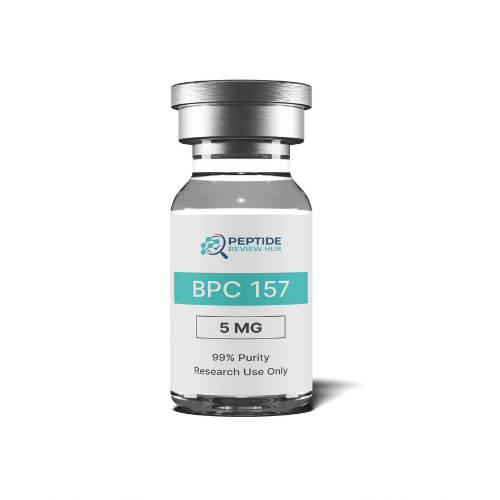
BPC 157
In the stomach of every man lies a substance more powerful than he knows. BPC-157 derives from this source - gastric juice, that most unpoetic of origins for what may prove a considerable discovery. The synthetic version contains fifteen amino acids arranged with the precision nature reserves for her most essential works. It endures where other peptides fail.
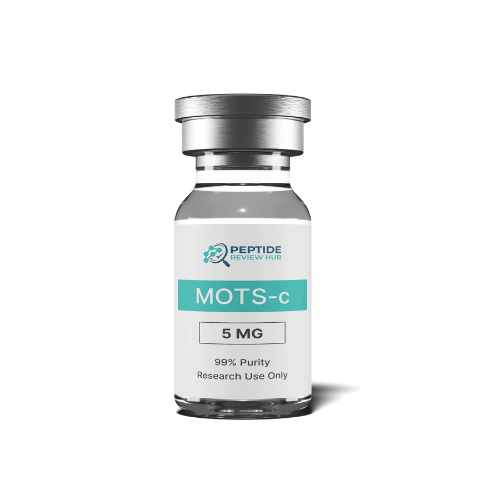
MOTS-c
The Mitochondrial-Derived Peptide MOTS-c promotes metabolic homeostasis and longevity, improves exercise capacity, reduces obesity, insulin resistance and other disease processes such as osteoporosis .
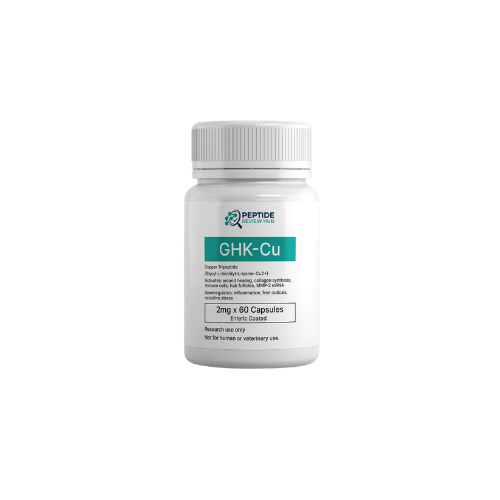
GHK-Cu
(2mg x 60 Capsules) (Copper Tripeptide) GHK-Cu is a small, naturally occurring peptide with the ability to attenuate inflammation, improve antioxidant responses, and improve gene expression on a large scale. Research shows that this copper-chelating peptide may be of critical importance both in the prevention of neurodegenerative disease and as a tool for exploring pathophysiological mechanisms. Studies in mice have revealed that GHK-Cu can protect against neurological insults, improve wound healing, reduce rates of infection, and boost blood vessel growth.
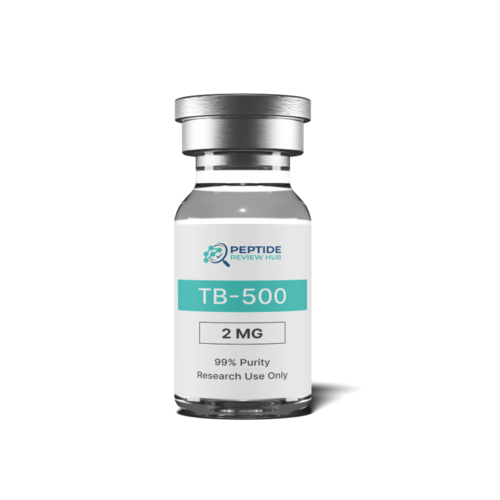
TB-500
Thymosin Beta-4 is a 43 amino acid peptide sequence. In animal models, Thymosin Beta-4 has been shown to improve blood vessel growth, regulate wound healing, decrease inflammation, and reduce oxidative damage in the heart and central nervous system. Thymosin-beta-4 has a role in protection, tissue repair, regeneration and remodeling of injured or damaged tissues. It is also of active interest in anti-aging research.