
Research Use Only. This compound is not intended for human consumption or therapeutic use.
Where to Buy IGF-1 DES: Vendor Comparison & Research Info
IGF-1 DES is a truncated, natural version (splice variant) of insulin-like growth factor-1. Naturally found in the brain, breast milk, and uterine tissue, IGF-1 DES stimulates hypertrophy and hyperplasia of a number of different cell lines. Research has shown this version of the protein to be more potent than standard IGF-1, mostly as a result of its enhanced bioavailability. Currently, researchers are looking at ways to utilize IGF-1 DES in the treatment of inflammatory bowel disease (IBD), autism, and a variety of neurological conditions. Research shows that it helps to maintain the health of synaptic connections in the central nervous system and, like all IGF-1, promotes the repair of muscle and connective tissue.
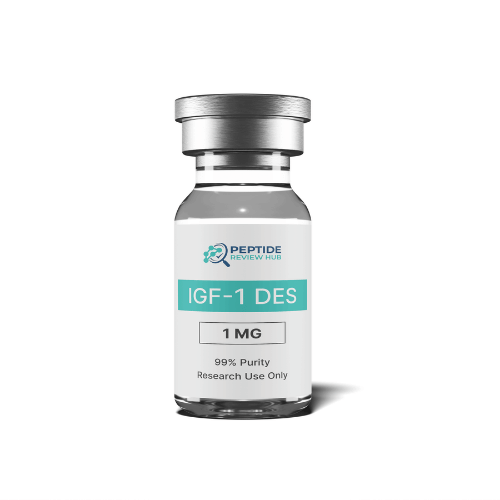
What is IGF-1 DES?
This PRODUCT IS INTENDED AS A RESEARCH CHEMICAL ONLY. This designation allows the use of research chemicals strictly for in vitro testing and laboratory experimentation only. All product information available on this website is for educational purposes only. Bodily introduction of any kind into humans or animals is strictly forbidden by law. This product should only be handled by licensed, qualified professionals. This product is not a drug, food, or cosmetic and may not be misbranded, misused or mislabled as a drug, food or cosmetic.
What is IGF-1 DES?
IGF-1 DES is a truncated version of IGF-1 in which the tripeptide Gly-Pro-Glu is absent from the N-terminus end of the protein. It is actually a naturally occurring variant of IGF-1 and has been found in the human brain, cow colostrum, and pig uterine tissue. IGF-1 DES is 10 times more potent than IGF-1 in stimulating hypertrophy and proliferation of cells because it is not affected by IGF-1 binding proteins and therefore is more bioavailable. There is interest in using the peptide to induce anabolism in catabolic conditions (e.g. chronic illness) and in the treatment of inflammatory bowel disease[1, p. 1].
IGF-1 DES has also been of keen interest in the treatment of a number of neurological and neurodevelopmental conditions. Researchers investigating autism and autism spectrum disorders have found that IGF-1 and its analogues have potent effects on the synaptic health neurons. In animal models of autism, IGF-1 DES and IGF-1 have relieved symptoms and improved a number of the behavioral aspects of the condition.
IGF-1 DES Structure
Sequence: TLCGAELVDALQFVCGDRGFYFNKPTGYGSSSRRAPQTGIVDECCFRSCDLRRLEMYCAPLKAAKSA Molecular Formula: C319H495N91O96S7 Molecular Weight: 7365.4225 g/mol PubChem CID: 135331146 CAS Number: 112603-35-7 Synonyms: Insulin-like growth factor 1, des-(1-3)-, Des(1-3) IGF-1, 4-70-insulin-like growth factor 1
IGF-1 DES Research
IGF-1 DES Is More Potent Than IGF-1
IGF-1 DES is lacking just three amino acids from its N-terminal end, but that subtle change makes a big difference. Research shows that IGF-1 DES does not bind very well to IGF-1 binding proteins (IGFBPs) found in the blood and in various tissues throughout the body. The result is that more of the peptide is available for binding to important receptors and thus IGF-1 DES is more potent (same effects at lower doses) than IGF-1 itself. Research in pigs and marmoset’s indicates that IGF-1 DES is 2-3 times more potent than IGF-1 in lowering blood sugar. Further, these same potency effects extend to other properties of IGF-1 as well, including its anabolic effects on skeletal muscle and its neuroprotective effects[2].
One of the benefits of binding to IGFBPs is prolonged activity as a result of decreased clearance from the circulation. Thus, IGF-1 DES has a much faster onset of action, higher peak activity, and faster withdrawal than IGF-1 itself. There are a number of settings in which this type of efficacy profile could be useful, including the treatment of hyperglycemic conditions.
Research in pigs indicates that IGF-1 variants with low affinities for IGFBPs have a more dramatic effect on growth. In fact, the anabolic effects of IGF-1 DES occur even in the setting of limited calorie intake[3]. Research in rats shows that just 14 days of IGF-1 DES is enough to produce significant increases in body weight, nitrogen retention, and food conversion efficiency[4]. The latter fact is important as it confirms the potential of IGF-1 DES to improve anabolism even in the setting of poor calorie intake, a function that would make the peptide useful in chronic disease and in individuals who are unable to consume a great deal of calories for a variety of reasons. IGF-1 has also been shown to be a more effective anti-hyperglycemic agent, lower blood sugar rapid after administration. This is part of the reason the peptide is so efficient in boosting growth with lower calorie consumption. There is interest among researchers in using IGF-1 DES as a potential treatment in hyperglycemia were it would have similar effects to insulin administration without the long-term side effects that can occur if too much insulin is used.
IGF-1 DES Research and Neurological Disease
It has been long established that IGF-1 has important effects on neuron growth, differentiation, and survival. The protein is a major factor in synaptic formation and thus plays a critical role in learning, memory, and more. IGF-1 is particularly important for the development and maintenance of mature synapses. Research shows that IGF-1 is absolutely necessary for achieving proper levels of pres-synaptic synapsin-1, a protein that regulates the release of neurotransmitters. The peptide is also important for the post-synaptic PSD-95 protein, which maintains synaptic structure. Without IGF-1, synaptic development is disrupted and deficits in motor skills, behavior, cognitive functioning, and language all develop.
Important synaptic proteins affected by IGF-1 include synapsin-1, PSD-95, AMPA receptor, and NMDA receptor.
IGF-1 and its analogues have been tested in Rett syndrome and in chromosome 22 deletion syndrome. In both cases, the peptides yield positive benefits. By protecting the number of excitatory synapses in the brain and by preserving neuron density. IGF-1 has also been shown to reduce the toxic effects of NDMA over-stimulation, thereby protecting neurons from excitotoxity, which can lead to neuron death. The benefits were so great in animal studies that IGF-1 and its analogues are being introduced as experimental treatments in humans suffering from these devastating conditions[5].
Clinical trials of IGF-1 in multiple sclerosis (MS), ALS, Parkinson’s disease (PD), and Alzheimer’s disease (AD) have yielded mixed results. In ALS, for instance, IGF-1 treatment lead to significant reductions in disease progression, increased muscle strength, improved respiratory functioning, and increased quality of life. In MS, the peptide had almost no effect. Human trials of IGF-1 in PD have not yet been performed, but studies in rat models of PD indicate that it protects dopaminergic neurons and improves behavior[6]. Further study is required to understand the causes of these conditions and how IGF-1 DES plays a role in their treatment. The fact that the peptide has no impact on MS is not surprising as the condition is less caused by neuron death than by damage to the cells around neurons. IGF-1 DES and other IGF-1 analogues can help scientists to explore the basic pathophysiology of these conditions in order to better under their causes and thus develop potential treatments.
IGF-1 DES and Autism
Research shows that IGF-1 may be an important constituent in a number of neurological conditions, including autism. In fact, children with autism show lower brain levels of IGF-1 than age-matched controls, suggesting that low IGF-1 concentrations in the brain, particularly at an early age, may disrupt normal development and be important in the pathogenesis of autism[7].
Research in mouse models of autism indicate that IGF-II and analogues like IGF-1 DES reverse all deficits associated with the conditions. Mice administered IGF-II for just five days showed improved social interaction, better novel-object recognition, enhanced contextual fear conditioning, reduced repetitive/compulsive behavior, better grooming, and more. The mice even showed improve memory[8].
These findings should not come as any surprise as research suggests that autism is likely caused by disruptions in synapse development and is similar pathologically, to other neurodevelopmental conditions like fragile X syndrome, tuberous sclerosis, and Angelman syndrome. IGF-1 and its analogues, which have potent effects on synapses, are therefore ideal candidates for exploring various treatment strategies in these disorders[9].
IGF-1 DES May Have Cognitive Benefits in Age
IGF-1 is important in adults as well as children. In adults, the peptide is actually heavily modified in the brain to make it shorter, indicating that analogues like IGF-1 DES may have better therapeutic potential than intact IGF-1. Molecules like IGF-1 DES also penetrate the blood-brain barrier more readily, making them more effective when administered exogenously. In adults, IGF-1 and its analogues have been shown to reduce neuronal death and protect neurons against insults like stroke, Alzheimer’s disease, Parkinson’s disease, and more[10].
From the above, it is clear that IGF-1 and its analogues are useful in the setting of neurological disease. Research in rats, however, suggests that IGF-1 DES may enhance synaptic transmission and impart cognitive benefits even in normal rats. This could be of benefit to learning and memory, particularly as organisms age and natural levels of IGF-1 in the brain begin to decline. According to research, IGF-1 DES causes a 40% increase in excitatory post-synaptic potential[11]. This suggests that the peptide could have profound effects on cognitive function, particularly in age-related synaptic dysfunction.
IGF-1 DES Research and Immune Function
Many cells in the immune system, such as mononuclear cells and neutrophils, have IGF-1 receptors on their surface. Research shows that IGF-1 DES can improve immune function by boosting release of hydrogen peroxide in mononuclear cells and by encouraging neutrophils to differentiate into pathogen-killing blastocytes[12]. In all cases, IGF-1 DES is more potent in stimulating these changes than IGF-1, indicating that the peptide might be an effective adjuvant to antibiotics and other treatments used in the setting of infectious disease. Research into the role of IGF-1 DES in stimulating immune function is very preliminary, but still very promising.
IGF-1 DES May Improve Wound Healing
Dermal (skin) fibroblasts are the cell primarily responsible for tissue repair following injury. These cells turn out to produce a number of IGFBPs under certain circumstances and it is known that this protein drastically lowers the impact of IGF-1 at its other receptors. Research suggests that inflammatory cytokines can alter IGFBP levels, which may impact healing. By administering peptides that are unaffected by IGFBP, it is possible to circumvent the effects of inflammatory cytokines and improve fibroblast growth and differentiation[13]. This, in turn, can accelerate wound healing.
IGF-1 DES Research and Cancer
One of the problems that cancer cells present is the fact that they are undifferentiated or exist at very earlier stages of differentiation. This makes the cells difficult to treat and also makes them dysfunctional. Most importantly, cells in later stages of differentiation grow more slowly. Forcing cancer cells to differentiate could slower tumor growth. Research in cell culture indicates that IGF-1 DES can force certain types of cancer cell to differentiate, which slows tumor growth by inhibiting differentiation[14, p. 1].
IGF-1 DES Is a New Contender
IGF-1 DES preserves many of the functions of IGF-1, such as enhanced skeletal muscle growth and protection of neurons. It is different, however, in that it does not bind to IGFBPs. This fact alone makes IGF-1 DES more useful in a number of ways, such as allowing the peptide to more easily pass into the brain when administered exogenously. IGF-1 DES hold a great deal of promise, which is why it is the subject of intense research in fields that touch on neurodevelopment, stroke, cancer, wound healing, autism, and more.
IGF-1 DES exhibits moderate side effects, low oral and excellent subcutaneous bioavailability in mice. Per kg dosage in mice does not scale to humans. IGF-1 DES for sale at peptide Review Hub is limited to educational and scientific research only, not for human consumption. Only buy IGF-1 DES if you are a licensed researcher.
Where to Buy IGF-1 DES Online
| Action | ||||||
|---|---|---|---|---|---|---|
1 | N/A/10 Editorial Rating | $60.00 10mg vial | $6.00/mg | In Stock | Visit Site | |
2 | N/A/10 Editorial Rating | $49.69 1mg vial | $49.69/mg | In Stock | Visit Site | |
3 | N/A/10 Editorial Rating | $71.00 1mg vial | $71.00/mg | Out of Stock | Visit Site | |
4 |  Pro Nova Peptides Verified | N/A/10 Editorial Rating | $140.00 1mg vial | $140.00/mg | In Stock | Visit Site |
5 | N/A/10 Editorial Rating | $79.00 2mg vial | $39.50/mg | In Stock | Visit Site |



Top-Ranked Vendor

Lili Peptide Review
Overall Score: 8.7/10
Score Breakdown
COA Transparency: 9/10
Reputation: 8/10
Pricing: 9/10
Policies: 8/10
Shipping: 8/10
Catalog: 10/10
Overall Score: 8.7/10
COA Transparency (9/10)
Testing & Quality Verification
Lili Peptide emphasizes quality control and independent verification across its product range.
Key claims include:
Third-party laboratory testing
HPLC and MS analysis
Batch traceability
ISO 9001 quality-management practices
99%+ purity standards
Batch-specific quality reports
The company states that each peptide batch undergoes testing for identity, purity, and concentration and that quality documentation is available to customers.
Assessment
Strong quality-control emphasis with good transparency around testing procedures and batch verification.
Reputation (8/10)
Brand Presence & Customer Confidence
Lili Peptide operates as a peptide manufacturer and supplier serving research institutions, biotechnology companies, and pharmaceutical-development organizations. The company focuses heavily on peptide synthesis, custom peptide projects, and contract manufacturing. [lilipeptid...search.com], [lilipeptide.com]
Strengths include:
Manufacturing-focused operations
Custom peptide synthesis
Global supply capability
Research-oriented business model
Technical-support services
Assessment
A credible manufacturing-oriented supplier with growing visibility in the peptide market.
Pricing (9/10)
Value & Cost Competitiveness
As a manufacturer-focused supplier, Lili Peptide appears positioned to offer competitive pricing compared with many retail peptide vendors.
Advantages include:
Factory-direct sourcing
Custom manufacturing
Bulk-order capability
Research and wholesale support
International distribution
Assessment
Strong value proposition for researchers and wholesale purchasers seeking direct supplier relationships.
Policies (8/10)
Customer Protection & Transparency
The company provides information regarding:
Product testing
Quality assurance
Custom-order support
Technical assistance
Research-use positioning
Lili Peptide also promotes ongoing customer support and technical consultation services for peptide projects.
Assessment
Good operational transparency, although more detailed public return and refund policies would strengthen customer confidence.
Shipping (8/10)
Fulfillment & Delivery
The supplier serves international customers and promotes global peptide distribution.
Shipping strengths include:
Worldwide supply capability
Bulk-order fulfillment
Factory-direct distribution
Custom-order handling
Technical support during procurement
Assessment
Solid international fulfillment capabilities suitable for both research and commercial customers.
Catalog (10/10)
Product Selection & Inventory Depth
Lili Peptide maintains a broad product catalog across multiple peptide categories.
Metabolic Research Products
Tirzepatide
Retatrutide
Cagrilintide
Survodutide
AICAR
Adipotide
Recovery & Regenerative Peptides
BPC-157
TB-500
ARA-290
Hyaluronic Acid Peptides
Growth Hormone Research Products
CJC-1295
Ipamorelin
IGF-DES
Longevity & Cellular Research
Kisspeptin
Various specialty compounds
Cognitive & Specialty Products
Melanotan I
Melanotan II
Custom-modified peptides
PEGylated peptides
Fluorescent-labeled peptides
Assessment
Excellent product depth supported by custom synthesis and modification services.
What We Like
Key Strengths
Third-party testing.
HPLC/MS verification.
99%+ purity claims.
ISO-based quality systems.
Custom peptide synthesis.
Factory-direct pricing.
Broad peptide inventory.
Research-focused operations.
International supply capability.
Technical-support services.
What Could Be Better
Areas for Improvement
More publicly available batch-specific COAs.
More independent customer reviews.
Greater public company-history information.
Enhanced refund-policy transparency.
Larger verified reputation footprint.
Brand Overview
Company Name
Lili Peptide
Industry
Peptide Manufacturing & Research Compounds
Main Products
Tirzepatide
Retatrutide
Survodutide
Cagrilintide
BPC-157
TB-500
ARA-290
CJC-1295
IGF-DES
Kisspeptin
Headquarters
China
Shipping Regions
Worldwide
Company Summary
Lili Peptide is a manufacturer-focused peptide supplier specializing in peptide synthesis, custom peptide development, and international distribution. The company distinguishes itself through custom-modification capabilities, ISO-based quality practices, third-party testing, and support for both research and commercial peptide projects.
Its strongest advantages are manufacturing expertise, catalog breadth, custom-synthesis services, and competitive factory-direct pricing.
Final Verdict
Lili Peptide is best suited for researchers, laboratories, and wholesale buyers seeking direct access to a peptide manufacturer with custom synthesis capabilities.
Its strongest advantages include testing transparency, manufacturing expertise, broad catalog coverage, and competitive pricing. While greater independent review visibility would improve confidence, Lili Peptide offers a solid combination of quality control, custom services, and value.
Final Rating: 8.7/10
Chemical Properties & Handling
Standard storage protocols for lyophilized peptides generally apply unless otherwise specified.
- Lyophilized (Powder): Store at -20°C for up to 3 years. Keep away from direct light and moisture.
- Reconstituted (Liquid): Store at 2-8°C (refrigerated) and use within 20-30 days to maintain stability.
Research Reviews
No Research Reviews Yet
Be the first to share your research protocol and vendor experience with IGF-1 DES.
Best IGF-1 DES Vendors & Price Comparison
IGF-1 DES (Des(1-3) IGF-1) is a naturally occurring truncated variant of Insulin-Like Growth Factor-1 (IGF-1) that has gained significant interest in research involving cellular growth, tissue repair, neurodevelopment, muscle biology, synaptic function, wound healing, and regenerative medicine. Researchers investigate IGF-1 DES because it demonstrates reduced interaction with IGF-binding proteins (IGFBPs), resulting in greater biological availability and distinct signaling characteristics compared to native IGF-1.
As interest in anabolic, neurological, and regenerative peptide research continues to expand, researchers frequently compare IGF-1 DES suppliers based on purity, analytical testing, manufacturing quality, pricing, and supplier transparency.
This IGF-1 DES Vendor Price Comparison Guide helps researchers evaluate suppliers using objective criteria including:
Product Pricing
Cost Per Milligram
Product Purity
Third-Party Testing
Certificate of Analysis (COA)
Vendor Reputation
Customer Reviews
Shipping Performance
Product Availability
Overall Value
Whether you're searching for the lowest-priced IGF-1 DES supplier, the highest-purity research-grade product, or vendors offering extensive laboratory verification, this guide provides a framework for comparing research peptide suppliers.
Explore IGF-1 DES Vendors by Criteria
Most Popular IGF-1 DES Vendors
Compare suppliers frequently selected by regenerative and growth-factor researchers.
Highest Reviewed IGF-1 DES Vendors
Discover peptide suppliers with strong customer satisfaction and positive marketplace reputations.
Lowest Price IGF-1 DES Vendors
Identify vendors offering competitive pricing and favorable cost-per-milligram value.
Highest Purity IGF-1 DES Vendors
Review suppliers providing transparent purity verification and analytical testing.
Best Value IGF-1 DES Vendors
Compare pricing, testing standards, product quality, and customer support.
Fastest Shipping IGF-1 DES Vendors
Evaluate shipping reliability, fulfillment performance, and packaging quality.
Newly Listed IGF-1 DES Vendors
Explore recently added suppliers offering IGF-1 DES research peptides.
What Is IGF-1 DES?
Overview
IGF-1 DES is a naturally occurring truncated form of IGF-1 in which the N-terminal tripeptide sequence Gly-Pro-Glu is absent.
Researchers investigate IGF-1 DES because of its relationship with:
Cellular proliferation
Tissue growth
Skeletal-muscle biology
Neurodevelopment
Synaptic maintenance
Wound healing
Immune-system signaling
Growth-factor communication
IGF-1 DES has become an important compound in growth-factor and regenerative biology research.
Molecular Characteristics
Peptide Information
Researchers evaluating IGF-1 DES products should carefully review analytical documentation and molecular specifications.
Peptide Name
IGF-1 DES
Alternative Names
Des(1-3) IGF-1
4-70 Insulin-Like Growth Factor-1
Insulin-Like Growth Factor-1 DES
Sequence
TLCGAELVDALQFVCGDRGFYFNKPTGYGSSSRRAPQTGIVDECCFRSCDLRRLEMYCAPLKAAKSA
Molecular Formula
C319H495N91O96S7
Molecular Weight
7365.4225 g/mol
PubChem CID
135331146
CAS Number
112603-35-7
Classification
Insulin-Like Growth Factor Analogue
Research Category
Growth Factor & Regenerative Research
Why Researchers Study IGF-1 DES
IGF-1 DES differs from native IGF-1 because it displays reduced binding to IGF-binding proteins (IGFBPs).
Researchers investigate this characteristic because it may influence:
Biological availability
Cellular receptor interaction
Growth-factor signaling
Tissue-specific activity
Cellular adaptation
Growth-related pathways
This distinction remains one of the most important reasons for continued research interest.
Why Researchers Compare IGF-1 DES Vendors
Research reproducibility depends heavily on peptide quality and manufacturing consistency.
Differences among suppliers may include:
Purity levels
Batch consistency
Stability testing
Manufacturing standards
Storage conditions
Product documentation
Analytical verification
Quality-control procedures
Careful supplier evaluation can improve consistency and reliability across research studies.
How We Compare IGF-1 DES Vendors
Third-Party Laboratory Testing
Independent testing remains one of the strongest indicators of peptide quality.
Researchers should prioritize suppliers offering:
Third-party analytical testing
Identity verification
Purity confirmation
Batch-specific testing reports
Certificate of Analysis (COA)
A quality COA should include:
Batch number
Analytical test date
Purity percentage
Identity verification
Testing methodology
Product Purity
Purity remains one of the most important variables when evaluating research peptides.
Higher-purity materials generally contribute to improved experimental consistency and reproducibility.
Cost Per Milligram
Comparing vial prices alone may not accurately reflect overall value.
Cost Per Milligram Formula
Product Price ÷ Total Milligrams = Cost Per Milligram
This metric allows researchers to compare suppliers more effectively.
Customer Reviews
Customer experiences often provide insight regarding:
Product consistency
Packaging quality
Shipping reliability
Customer support
Purchasing experience
Vendor Reputation
Established suppliers often demonstrate:
Transparent quality-control procedures
Reliable testing standards
Consistent inventory availability
Positive customer satisfaction
Current Research & Evidence
Growth-Factor Research
One of the primary focuses of IGF-1 DES research involves growth-factor signaling.
Researchers continue investigating:
Cellular growth pathways
Receptor communication
Growth-factor biology
Cellular adaptation
Metabolic regulation
This remains a foundational area of investigation.
Cellular Proliferation Research
Experimental studies examine pathways involving:
Cell proliferation
Cellular differentiation
Growth-factor communication
Tissue development
Regenerative biology
Researchers continue studying these mechanisms.
Key Areas of IGF-1 DES Research
Skeletal Muscle Research
Researchers investigate IGF-1 DES because of its relationship with:
Muscle-cell signaling
Cellular growth pathways
Tissue adaptation
Nitrogen retention
Skeletal-muscle biology
This remains one of the most frequently discussed areas of research.
Neurodevelopment Research
Scientists continue examining pathways involving:
Synapse formation
Neuronal development
Neural communication
Synaptic maintenance
Brain maturation
IGF-1 signaling remains critical to neurodevelopmental research.
Neurological Research
Researchers investigate IGF-1 DES in studies involving:
Neuron survival
Synaptic health
Neuroprotection
Neural adaptation
Central nervous system signaling
Additional investigations continue in this area.
Autism-Spectrum Research
Experimental models continue exploring pathways involving:
Synaptic function
Neurodevelopment
Neural communication
Behavioral biology
Brain signaling pathways
Research remains ongoing.
Cognitive Function Research
Researchers investigate pathways associated with:
Learning mechanisms
Memory processes
Synaptic transmission
Cognitive adaptation
Age-related neural changes
This remains a growing area of interest.
Healthy Aging Research
Scientists continue exploring relationships involving:
Brain aging
Synaptic maintenance
Cellular resilience
Neuroprotective signaling
Cognitive preservation
Further research remains necessary.
Immune-System Research
IGF-1 DES has generated interest in studies involving:
Immune-cell signaling
Neutrophil biology
Cellular communication
Immune adaptation
Host-defense pathways
This remains an emerging research field.
Wound-Healing Research
Researchers continue examining:
Fibroblast activity
Tissue repair mechanisms
Cellular migration
Regenerative signaling
Structural remodeling
Additional studies remain ongoing.
Cancer Biology Research
Experimental studies investigate pathways involving:
Cellular differentiation
Growth regulation
Tumor-cell biology
Cell-cycle signaling
Growth-factor communication
Research in this area remains preliminary and exploratory.
Potential Areas of Future Research
Researchers continue exploring IGF-1 DES in studies involving:
Neurodevelopment
Healthy cognitive aging
Tissue regeneration
Growth-factor signaling
Neurological disorders
Immune-system biology
Wound healing
Regenerative medicine
Scientific interest in these research areas continues to expand.
Research Limitations
Most findings involving IGF-1 DES originate from:
Cell-culture studies
Animal models
Laboratory investigations
Preclinical research
Additional studies are necessary to fully characterize biological mechanisms and long-term effects.
Research findings should not be interpreted as evidence of approved therapeutic applications.
Product Quality & Analytical Testing
Why Testing Matters
Research-grade IGF-1 DES products should undergo testing to verify:
Identity
Purity
Stability
Potency
Batch consistency
Common Testing Methods
High-Performance Liquid Chromatography (HPLC)
Used to assess peptide purity and identify impurities.
Mass Spectrometry (MS)
Used to verify molecular identity and composition.
Identity Verification Testing
Confirms peptide authenticity.
Stability Testing
Evaluates peptide integrity under storage conditions.
Batch Consistency Testing
Measures reproducibility across manufacturing lots.
Understanding IGF-1 DES Pricing
Several variables influence pricing among peptide suppliers.
Product Purity
Higher-purity products often command premium pricing.
Complex Manufacturing
Large growth-factor peptides typically require specialized synthesis and quality-control procedures.
Analytical Verification
Comprehensive testing programs improve transparency while increasing manufacturing costs.
Research Demand
Growing interest in regenerative and neurological research contributes to increased demand.
Vendor Reputation
Trusted suppliers often charge more due to established quality-assurance standards.
IGF-1 DES Vendor Evaluation Checklist
Quality Verification
✅ Third-party testing available
✅ Certificate of Analysis provided
✅ Identity verification documented
✅ Purity information disclosed
✅ Batch-specific testing available
✅ Stability information available
Vendor Reliability
✅ Positive customer reviews
✅ Transparent company information
✅ Responsive customer support
✅ Reliable inventory availability
Purchasing Experience
✅ Secure checkout process
✅ Shipment tracking available
✅ Clear refund policies
✅ Reliable order fulfillment
Red Flags When Comparing Vendors
Testing Concerns
❌ No third-party testing
❌ Missing COAs
❌ Unverified purity claims
❌ Missing identity verification
❌ Outdated laboratory reports
Transparency Issues
❌ Hidden specifications
❌ Missing batch information
❌ Limited documentation
❌ No supplier contact information
Service Problems
❌ Frequent inventory shortages
❌ Poor communication
❌ Negative customer reviews
❌ Unclear shipping policies
Frequently Asked Questions
What is IGF-1 DES?
IGF-1 DES is a naturally occurring truncated variant of Insulin-Like Growth Factor-1 that exhibits reduced interaction with IGF-binding proteins and is widely investigated in growth-factor research.
What is IGF-1 DES used for in research?
Researchers investigate IGF-1 DES in studies involving cellular growth, skeletal-muscle biology, neurodevelopment, synaptic function, wound healing, immune signaling, tissue regeneration, and growth-factor communication.
Why compare IGF-1 DES vendors?
Purity, analytical testing, documentation quality, pricing, and supplier reliability can vary substantially among peptide vendors.
What should researchers review before purchasing?
Researchers should evaluate:
Certificate of Analysis (COA)
Third-party testing
Purity verification
Identity confirmation
Vendor reputation
Customer reviews
Why is third-party testing important?
Independent testing helps verify peptide identity, purity, and batch consistency while improving transparency and reproducibility.
Is the lowest-priced supplier always the best choice?
No. Product quality, analytical verification, supplier reliability, and documentation are often more important than price alone.
How often should vendor comparisons be updated?
Pricing, supplier policies, inventory levels, and laboratory reports can change frequently and should be reviewed regularly.
Final Thoughts
IGF-1 DES remains one of the most extensively researched growth-factor peptides because of its unique relationship with cellular proliferation, neurodevelopment, synaptic biology, tissue regeneration, wound healing, immune signaling, and growth-factor communication. Its reduced interaction with IGF-binding proteins distinguishes it from native IGF-1 and continues to drive scientific interest across multiple research disciplines.
When comparing IGF-1 DES vendors, researchers should prioritize purity verification, third-party analytical testing, Certificate of Analysis availability, supplier reputation, and overall value rather than focusing exclusively on cost. A structured vendor-comparison process can help identify suppliers capable of meeting rigorous research-quality standards.
Current Research & Evidence
Research evidence for IGF-1 DES has not yet been added.
Key Findings on IGF-1 DES Use
Key findings for IGF-1 DES have not yet been added.
Related Peptides in Peptide
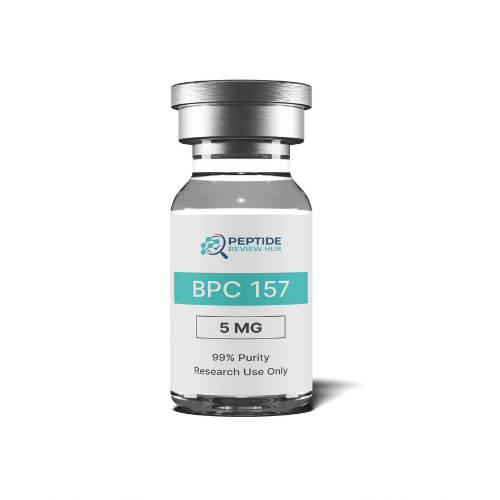
BPC 157
In the stomach of every man lies a substance more powerful than he knows. BPC-157 derives from this source - gastric juice, that most unpoetic of origins for what may prove a considerable discovery. The synthetic version contains fifteen amino acids arranged with the precision nature reserves for her most essential works. It endures where other peptides fail.
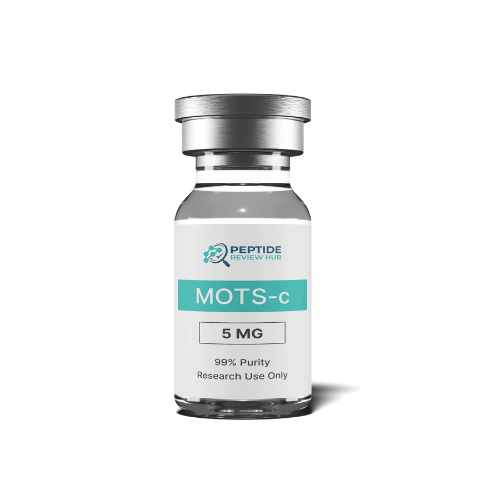
MOTS-c
The Mitochondrial-Derived Peptide MOTS-c promotes metabolic homeostasis and longevity, improves exercise capacity, reduces obesity, insulin resistance and other disease processes such as osteoporosis .
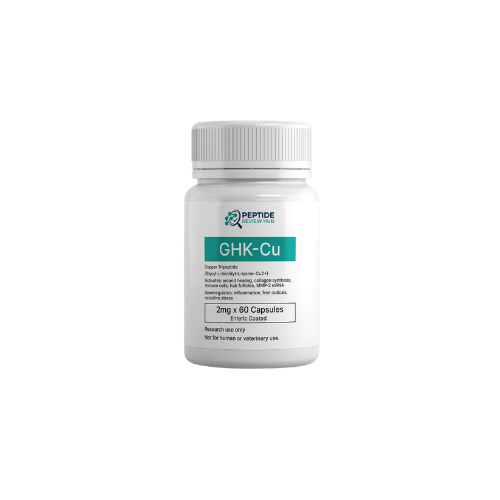
GHK-Cu
(2mg x 60 Capsules) (Copper Tripeptide) GHK-Cu is a small, naturally occurring peptide with the ability to attenuate inflammation, improve antioxidant responses, and improve gene expression on a large scale. Research shows that this copper-chelating peptide may be of critical importance both in the prevention of neurodegenerative disease and as a tool for exploring pathophysiological mechanisms. Studies in mice have revealed that GHK-Cu can protect against neurological insults, improve wound healing, reduce rates of infection, and boost blood vessel growth.
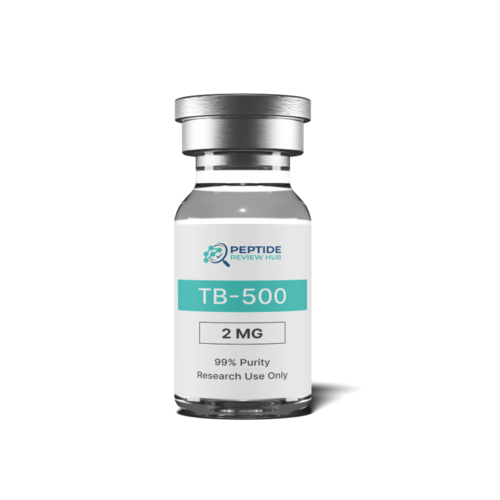
TB-500
Thymosin Beta-4 is a 43 amino acid peptide sequence. In animal models, Thymosin Beta-4 has been shown to improve blood vessel growth, regulate wound healing, decrease inflammation, and reduce oxidative damage in the heart and central nervous system. Thymosin-beta-4 has a role in protection, tissue repair, regeneration and remodeling of injured or damaged tissues. It is also of active interest in anti-aging research.