
Research Use Only. This compound is not intended for human consumption or therapeutic use.
Where to Buy Gut Inflammation: Vendor Comparison & Research Info
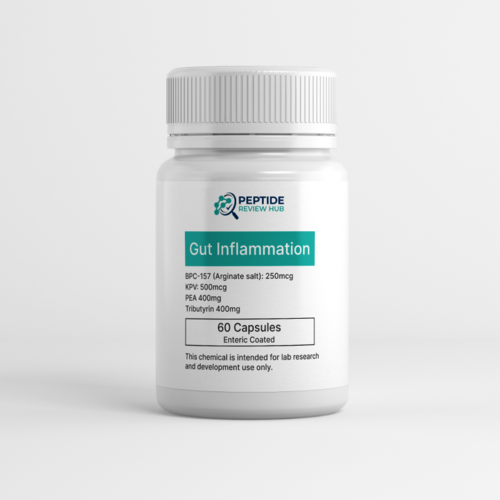
Tributyrin BPC-157 Arginate Salt is a synthetic derivative of naturally occurring body protection compound (BPC), known for its anti-inflammatory and wound healing properties. BPC-157 arginate is stable in human gastric juice, during prolonged storage, and when exposed to UV light. It possesses enhanced oral bioavailability (greater than 90%). Research shows just 5% degradation after 5 hours in gastric acid as compared to 98% for standard BPC 157.
What is Gut Inflammation?
BPC-157 Arginate Salt is a synthetic derivative of naturally occurring body protection compound (BPC), known for its anti-inflammatory and wound healing properties. BPC-157 arginate is stable in human gastric juice, during prolonged storage, and when exposed to UV light. It possesses enhanced oral bioavailability (greater than 90%). Research shows just 5% degradation after 5 hours in gastric acid as compared to 98% for standard BPC 157. Animal studies indicate that BPC157 arginate may significantly improve gastrointestinal healing from ulcers, colitis, irritable bowel syndrome, and other inflammatory bowel diseases.
KPV is an anti-inflammatory peptide that has potential to help decrease inflammation in a wide range of intestinal diseases such as Crohn's disease and Ulcerative Colitis. It decreases the inflammatory response by inhibiting proinflammatory cytokine synthesis and secretion. KPV has been shown to stop the proinflammatory mechanisms in both intestinal epithelial cells and immune cells. KPV has shown promise in the case of Inflammatory Bowel Diseases through inhibited immune responses. KPV has also been shown to support healing of the mucosal lining of the gut which helps to stabilize Ulcerative Colitis. In one study KPV was given to mice with Ulcerative Colitis. These mice experienced significant improvements in body weight, colon length and disease symptoms.
PEA is a fatty acid amide molecule involved in a variety of cellular functions in chronic pain and inflammation. It has been shown to have neuroprotective, anti-inflammatory, anti-nociceptive (antipain) properties. The most important and promising indications for PEA are linked to neuropathic and chronic pain and inflammation such as gastro-intestinal inflammation, diabetic neuropathic pain, sciatic pain, CRPS, pelvic pain and entrapment neuropathic pain.
Tributyrin is a natural triglyceride that decreases inflammatory signaling by TNF-alpha, interleukin-1B, and interleukin-6. Studies show that Tributyrin regulates tight junctions to bolster intestinal barrier function. This may help to reduce the number of inflammatory particles that cross from the intestinal lumen (where food is) into the body, thereby preventing gut inflammation from starting. It also boosts expression of vitamin D3 receptors. Studies show that Tributyrin regulates tight junctions to bolster intestinal barrier function.Tributyrin may improve immune function, increase mucus production in the GI tract, and accelerate gastrointestinal wound healing.
Synergy Between BPC 157, KPV, PEA, and Tributyrin
Individually, BPC 157, PEA, Tributyrin, and KPV offer substantial benefits in fighting inflammation, particularly of the GI tract. In combination, the four act synergistically to regulate inflammation via several different but overlapping pathways. Together, these four compounds can help produce enhanced anti-inflammatory effects by:
• reducing cyclooxygenase-2 signaling, • substantially reducing TNF-alpha levels, • activating nuclear transcription factors responsible for controlling the immune system, • improving gastric mucous secretion and function • enhancing intestinal barrier function.
Synergy for Gut Inflammation and Gut Repair: BPC 157, KPV, PEA, and Tributyrin
BPC 157, KPV, PEA, and tributyrin are all compounds with important functions in the gastrointestinal tract. Their properties overlap, but are different enough that researching them together may provide synergistic benefits in the setting of intestinal inflammation. The next step into research of these peptides would be to determine if their combined properties might offer substantial benefit in the setting of inflammatory bowel disease and other intestinal inflammation.
To understand how these peptides work together in the gut, it is important to first understand their individual properties. Those looking to develop experimental protocols for combinations of these peptides would do well to start with the lengthy research supporting each. Overarching these include control of systemic inflammatory responses, improvement of intestinal barrier function, reduction of inflammation in adipose tissue, control of inflammatory cytokine signaling (especially TNF-alpha), and reduction in immune responses to intestinal inflammatory signals.
Each of these products is naturally occurring, making them of even great interest to inflammation researchers because they are easier to isolate and produce, offer a reduced risk/side effect profile, and can be used to explore natural inflammatory pathways and the interactions that occur between them.
What Is BPC 157 and Stable BPC157 Arginate?
BPC 157 is a synthetic derivative of the naturally occurring protein known as body protection compound (BPC). BPC was first isolated form the human gastrointestinal tract where it is known to have anti-inflammatory and healing properties. It has been investigated in phase I clinical trials for the treatment of gastrointestinal ulcers as well as tendon and muscle injuries. BPC 157 is one of the rare anti-inflammatories to also possess angiogenic properties as well.
Sequence: Gly-Glu-Pro-Pro-Pro-Gly-Lys-Pro-Ala-Asp-Asp-Ala-Gly-Leu-Val
Molecular Formula: C62H98N15O22
Molecular Weight: 1419.556 g/mol
PubChem CID: 108101
It is important to note that not all forms of a peptide are equivalent. In the case of BPC 157, there are two forms of the peptide: an Arginate salt and an Acetate salt. Research with oral administration of standard BPC 157 (acetate salt) has shown that it tends to break down in gastric acid more than the ariginate salt form. The body’s response to this is to simply produce a lot of BPC 157 and only in the areas where it is needed. Of course, this solution is not tenable when delivering the peptide orally and so scientists set out to produce a more stable form of BPC 157 by adding additional chemical structures to the peptide that resist gastric acid but do not alter overall function. The more orally bioavailable “stable” form of BPC 157 is the arginate salt. Studies show that just 5% of BPC 157 arginate is degraded after 5 hours in gastric acid as compared to 98% of the acetate salt. By reducing the degradation of BPC 157, the arginate salt makes the peptide more effective as an orally administered compound. The enhanced oral bioavailability of the arginate salt makes it the preferred choice in BPC 157 oral research[1].
What Is KPV?
KPV is a synthetic analogue of alpha-melanocyte stimulating hormone. Made up of three amino acids, KPV is known to retain the properties of the much larger alpha-MSH protein including anti-ischemic and anti-inflammatory properties. It is under active investigation as a potential treatment for inflammatory bowel disease[2].
KPV is a potent general anti-inflammatory, but its true benefit is in its ability to reduce intestinal inflammation in mouse models of inflammatory bowel disease. Research shows that the peptide can reduce inflammatory infiltrates, MPO activity, and histological evidence of inflammation. Research in mice shows that KPV can accelerate clinical recovery and improve weight gain in the setting of IBD[3].
Research shows that KPV is a potent suppressor of TNF-alpha and that its effects can be targeted to the intestine with the proper delivery mechanism[4]. This is important because TNF-alpha is a driver of inflammation in IBD and a target of current therapeutics like infliximab (Remicade/Inflectra) and adalimumab (Humira). These medications are effective early in their use, but lose efficacy due to the formation of systemic antibodies against them over time. They also carry with them a host of substantial, if rare, side effects. The ability to target anti-TNF-alpha activity to the intestine could help to thwart these drawbacks and would also allow for higher dosing and thus better disease control.
Amino Acid Sequence: Lys-Pro-Val Molecular Formula: C16H30N4O4 Molecular Weight: 342.43 g/mol PubChem CID: 125672 CAS Number: 67727-97-3 Synonyms: MSH (11-13), ACTH(11-13), alpha-MSH(11-13)
What Is PEA?
Palmitoylethanolamide (PEA) is a naturally occurring fatty acid amide produced from a combination of palmitic acid and ethanolamine. It binds to the peroxisome proliferator-activated receptor alpha (PPAR-a) as well as to cannabinoid-like G-coupled receptors GPR55 and GPR119 to influence pain and chronic inflammation. It also inhibits cyclooxygenase-2 signaling.
Research shows that PEA influences pain perception in at least two different ways. The first, and perhaps most important way in which PEA alters pain is via its anti-inflammatory actions. These actions are mediated through the PPAR-a receptor and through effects on NF-kappaB signaling[5].
Research in mouse models shows that PEA attenuates inflammation by activating PPAR-alpha. PPAR-alpha is a nuclear receptor protein that acts as a transcription factor[6]. While originally of interest for its ability to regulate lipid metabolism in the liver, PPAR-alpha has since been found to have anti-inflammatory properties. PPAR alpha is found in liver, kidney, heart, muscle, and adipose tissue in high quantities and in many other tissues in somewhat lower quantities. A number of prescription anti-diabetic and metabolic syndrome drugs target PPAR-alpha.
The ability of PEA to alleviate pain via an alternative to PPAR-alpha stimulation has been demonstrated in mouse models. In these studies, PEA was found to bind to the cannabinoid CB2 receptor in a manner similar to the endogenous cannabinoid (endocannabinoid) anandamide. This allows PEA to alleviate the perception of pain (nociception), but this effect is limited to pain controlled by the CB2 receptor, which has no impact on thermal pain or capsaicin-induced pain[7]. Because PEA is a naturally occurring molecule, it is likely that the cannabinoid CB2 receptor is its native target along with PPAR-alpha.
PPAR-alpha and endocannabinoid action are not the only mechanisms by which PEA seems to operate though. Research in mice indicates that PEA inhibits NF-kappaB nuclear signaling in the dorsal rout ganglia of spinal nerves[8]. This results in significant reductions in cyclooxygenase-2 (COX-2) expression in the central nervous system and subsequent reductions in nerve pain and pain signaling in general. COX-2 is the target of anti-inflammatories like ibuprofen, Celebrex, and Aleve.
Molecular Formula: C18H37NO2 Molecular Weight: 299.5 g/mol PubChem CID: 4671 CAS No: 544-31-0 Alternative Names: PEA, N-PEA, Palmidrol, Impulsin, Loramine P256, Hexadecanamide
The properties of PEA extend beyond pain relief and reduction in inflammation. Research in mice shows that PEA has anticonvulsant activities. The effective dose is similar to that of prescription anticonvulsants, but PEA does not appear to cause neurological impairment[9]. The anti-convulsant effect of PEA is likely mediated through its actions on the CB2 receptor of the endocannabinoid system[10]. This is the same receptor that mediates PEA’s anti-nociceptive activity. Action at this receptor has been shown to attenuate neurological damage and reduce infarct size following simulated stroke in the laboratory. It is thought that CB2 activation may help to reduce inflammation in the central nervous system and that this may lead to improvements in seizure thresholds and offer neurons protection against inflammatory processes[11].
What Is Tributyrin?
Tributyrin is a triglyceride (fat) found naturally in butter. Research shows that, within the body, tributyrin is converted to butyric acid. Butyric acid has been found to have anti-proliferative effects, slowing the growth of certain cells like colon cancer cells. Research shows that this anti-proliferative effect is the result of overexpression, induced by tributyrin, of the vitamin D3 receptor[12].
Molecular Formula: C15H26O6 Molecular Weight: 302.36 g/mol PubChem CID: 6050 CAS No: 560-01-5 Alternative Names: tributin, butyrin, tributyroin, NSC 661583
Tributyrin doesn’t just reduce proliferation though. Research using human colon cancer cell lines shows that tributyrin increases rates of cellular differentiation[13], [14]. This effect is also a result of tributyrin’s impact on the vitamin D receptor. In fact, administration of vitamin D and tributyrin together enhances the efficacy of both substances and leads to significant changes in tumor cell growth and inflammation. A large body of evidence has shown, for some time now, that vitamin D is a potent anti-inflammatory vitamin. Upregulation of its receptors could have a profound anti-inflammatory effect in and of itself.
The benefits of tributyrin extend well beyond its effects on vitamin D receptors thought. It has long been known that high fiber diets are beneficial for reducing the risk of colon cancer. Following the findings of tributyrin above, scientists wondered if the benefit provided by fiber was actually a result of the fact that fiber increases the production of butyrate by bacteria that live naturally in the intestine. Research in pigs suggests that this may, in fact, be the case. The mechanism, it seems, has to do with reduced inflammation and enhanced mitochondrial function. It would appear that tributyrin decreases mRNA transcripts of tumor necrosis factor-alpha, interferon-gamma, and interleukin-6[15]. All of these are inflammatory mediators. TNF-alpha, in particular has been linked to a number of serious inflammatory diseases such as inflammatory bowel disease, rheumatoid arthritis, and psoriasis.
The impact of tributyrin on inflammation is quite multidimensional. Research in mice suggests that butyrate may attenuate intestinal inflammation and improve intestinal barrier function via activation of transcription factor HIF-1 in intestinal cells[16]. At the same time, research in obese mice shows that tributyrin induces an anti-inflammatory state in adipose tissue by reducing TNF-alpha signaling as well as levels of certain pro-inflammatory cytokines mentioned above. The development of inflammation in fat tissue has long been thought to be a primary driver of insulin resistance and type 2 diabetes. Mice in the study who were given tributyrin support this fact by having lower body weight and improved glucose handling as a result of improved insulin responsiveness[17], [18].
There is even research showing that tributyrin can reduce the inflammatory responses of immune cells to heat stress, making it a potential treatment for heat-induced illness. Research in cows reveals tributyrin significantly reduces TNF-alpha, interleukin-1B, and interleukin-6 levels. This, in turn, inhibits the lymphocyte inflammatory response[19].
Simply put, tributyrin is a potent anti-inflammatory with specific effects on IL-1B, IL-6, and TNF-alpha. The impact that tributyrin has on these cytokines not only reduces inflammation, it improves the function of the immune system, bolsters intestinal barrier function to reduce the risk of further inflammation, and reduces the risk and severity of colon cancer.
Synergy Between BPC-157, KPV, PEA, and Tributyrin
Individually, BPC 157, PEA, tributyrin, and KPV offer substantial benefits in fighting inflammation, particularly of the GI tract. However, there is reason to believe that a combination of the four could be synergistic due to the fact that they each regulate inflammation in a different way while overlapping in some regards. Administration of all four compounds could produce enhanced effects both by target the same inflammatory systems in different ways and by targeting different inflammatory systems to provide an overall greater anti-inflammatory response.
Starting with PEA, its primary effect is to prevent inflammation from occurring at a central level by inhibiting PPAR-alpha signaling as well as cyclooxygenase-2 (COX-2) induced inflammation. The effect of PPAR-alpha inhibition is also seen at the tissue level, offering a kind of two-step approach to reducing inflammation via this pathway.
PEA also inhibits inflammation in adipose tissue, a known risk factor for insulin resistance, glucose intolerance, and intestinal inflammation. Thus, PEA inhibits inflammation in multiple ways that all benefit the GI tract either directly or indirectly. It also stimulates endocannabinoid receptors, which help to reduce pain thought not inflammation directly.
Tributyrin has several beneficial effects when it comes to gut inflammation. First, it improves intestinal barrier function via regulation of tight junctions. This can help to reduce the number of inflammatory particles that cross from the intestinal lumen (where food is) into the body. Thus, tributyrin can actually prevent gut inflammation from occurring in the first place[16].
Tributyrin has also been shown to down regulate expression of several inflammatory cytokines, especially TNF-alpha, which has been linked to serious inflammatory conditions like ulcerative colitis and Crohn’s disease[15], [17]. There is even research to suggest that the ability of tributyrin to regulate these inflammatory cytokines may have a global anti-inflammatory effect as a result of down regulating immune inflammation[19]. Like PEA, tributyrin reduces inflammation in adipose tissue and thus may help to reduce the long-term risk of insulin resistance and diabetes[18].
BPC 157 improves gastric mucus secretion and thus protects the cells that line the GI tract from damage. There is also substantial research suggesting that BPC 157 helps to connect the GI tract to the brain by acting as a signaling molecule. Dr. Rudolf Rucman, an early BPC 157 researcher who helped to develop the orally active arginate salt version of BPC 157, has shown that BPC 157 helps to coordinate the adaptive immune response to stress and promote systemic healing[1]. Thus, BPC 157 not only assists tributyrin in maintaining intestinal barrier function, it also assists tributyrin in regulating inflammation by altering the immune response to stress.
Once the immune system is stimulated, it sends out signals to the rest of the body to recruit more inflammatory cells to the specific site. One of those signals is TNF-alpha. Currently, a number of drugs to treat rheumatoid arthritis, inflammatory bowel disease, psoriasis, and a host of other autoimmune diseases target TNF-alpha to help calm the inflammatory response and restore health. Research shows that KPV has a similar effect and that this effect can be limited to the GI tract through proper delivery of the peptide. Thus, KPV offers the third arm of this synergistic triad by regulating inflammation once it has begun. Interestingly, TNF-alpha has been shown to interrupt tight junctions, thus worsening any underlying tight junction dysfunction. By regulating TNG-alpha, KPV can help to restore tight junction function and thus works synergistically with tributyrin to further reduce intestinal leakiness. As both compounds impact TNF-alpha signaling, there is likely to be substantial synergy in reducing this particular inflammatory cytokine.
In summary, tributyrin and BPC 157 both help to regulate intestinal barrier function and thus act as the first line of defense against inflammation by preventing injury in the first place. They also offer a second line of defense by helping to coordinate systemic inflammatory responses and push the balance away from inflammation and toward wound repair.
A second step in the process of reducing gut inflammation is offered via KPV and tributyrin. Their ability to suppress inflammatory signaling and TNF-alpha inflammation in particular makes them potent regulators of inflammation. They essentially help to turn down the immune response once it has begun and can help to restore immune balance in settings like inflammatory bowel disease.
The final aspect of benefit is added by PEA, which offers global inflammation reduction through alterations in gene expression and PPAR-alpha signaling. PEA can be thought of as setting the overarching environment of inflammation by impeding signals from things like COX-2. This reduces systemic inflammation and provides a favorable environment for tissue-level approaches to work.
Synergy in Wound Healing
BPC 157 has long been known to promote wound healing. This is primarily a result of the peptide’s ability to upregulate and activate VEGFR2, one of the more important receptors for VEGF. VEGF, short for vascular endothelial growth factor is a simulator of blood vessel growth. Just like growth hormone promotes the growth of bones and muscles, VEGF promotes the growth of blood vessels, which are essential for wound repair.
The ability of BPC 157 to boost blood vessel growth meshes well with the ability of KPV to regulate the migration of inflammatory cells. One of the primary problems in wound healing is the formation of scars, particularly scars that are of different pigment than surrounding tissue. KPV induces wound repairing fibroblasts and other cells to migrate to the site of tissue repair, but prevents pigment-containing melanocytes from doing the same. This results in a superior aesthetic look to the scar without compromising overall wound healing.
The benefits of KPV in wound healing are more robust than simply improving the appearance of scars, however, KPV is one of the few known compounds that can reduce inflammation at the site of a wound without increasing the risk of infection, fungal growth, and tissue damage due to pathogens. In other words, KPV combines anti-inflammatory activity with pathogen-fighting capabilities that make it ideal for promoting wound healing[5], [6].
Finally, KPV may be beneficial in that it can modulate collagen metabolism. While collagen is essential to tissue healing and wound repair, excessive or disordered collagen deposition can lead to a host of problems including hypertrophic scar formation. According to Dr. Didier Merlin, KPV suppresses IL-8 secretion, which inhibits collagen type 1 production. This is an important part of the last phase of wound healing when collagen deposition patterns can mean the difference between a strong, lasting wound repair and disordered, weak scar that is easily damaged.
The Specific Case of BPC 157, KPV, PEA, and Tributyrin in Fistula Repair
Fistulas are simply abnormal passageways between two organs that do not normally connect. A good example is the perianal fistula that connects the colon to the skin around the anus and leads to abnormal drainage and potential infection. Fistulas are common in inflammatory diseases of the GI tract, such as Crohn’s disease and ulcerative colitis. They are also notoriously difficult to treat and can affect individuals who suffer from them for years or even a lifetime.
Both KPV and BPC 157 have shown a great deal of promise in improving fistula healing, a specific case of wound healing. BPC 157 has been shown in rat studies to improve healing of GI fistulas by accelerating the rate of repair and leading to more frequent closure of the fistula.
Often times, fistula healing can be boosted by the direct injection of TNF-alpha inhibitors, like Humira, directly into the fistula. This is an expensive and difficult process that is not without side effects. KPV and tributyrin may offer an alternative by delivering TNF-alpha suppression directly to the GI tract without the need for invasive injections. Combined with BPC 157, this could result in a dramatic increase in fistula healing. By boosting tight junction function, tributyrin could slow the progression of fistulas and even reverse the process.
A Summary of Gut Inflammation
It is often said that all health starts in the gut. Whether this is perfectly accurate or not, there is no arguing that the GI tract is an important component of nutrition, immune function, and overall health. The compounds discussed above have a multitude of anti-inflammatory effects on the gut that, when combined, are likely to provide synergistic benefits in gut inflammation. PEA provides a kind of global protection by reducing both systemic and tissue inflammation. This is then built upon by KPV and tributyrin, which reduce inflammatory signaling from cytokines like TNF-alpha and improve tight junction functionality. BPC 157 provides the final benefit by boosting rates of wound healing and tissue repair without triggering any additional inflammatory response. These natural compounds work synergistically to help to establish a low-inflammation state in the GI tract to allowing healing and optimal functioning.
BPC 157, KPV, Tributyrin, and PEA exhibits minimal side effects and good oral bioavailability in mice. Per kg dosage in mice does not scale to humans. BPC 157, KPV, Tributyrin, and PEA for sale at Peptide review is limited to educational and scientific research only, not for human consumption. Only buy BPC 157, KPV, Tributyrin, and PEA if you are a licensed researcher.
Scientific Journal Author
Predrag Sikiric, lead author of “Novel Cytoprotective Mediator, Stable Gastric Pentadecapeptide BPC 157. Vascular Recruitment and Gastrointestinal Tract Healing”, and co-author of “Stable gastric pentadecapeptide BPC 157 in honeybee (Apis mellifera) therapy, to control Nosema ceranae invasions in apiary conditions,” is a Professor of Medical Department at University of Zagreb.
Predrag Sikiric is being referenced as one of the leading scientists involved in the research and development of BPC-157. In no way is this doctor/scientist endorsing or advocating the purchase, sale, or use of this product for any reason. There is no affiliation or relationship, implied or otherwise, between Peptide reviewand this doctor. The purpose of citing the doctor is to acknowledge, recognize, and credit the exhaustive research and development efforts conducted by the scientists studying this peptide. Predrag Sikiric is listed in [22] under the referenced citations.
Where to Buy Gut Inflammation Online
| Action | ||||||
|---|---|---|---|---|---|---|
| No vendors currently tracking this product. Check back soon. | ||||||
Chemical Properties & Handling
Standard storage protocols for lyophilized peptides generally apply unless otherwise specified.
- Lyophilized (Powder): Store at -20°C for up to 3 years. Keep away from direct light and moisture.
- Reconstituted (Liquid): Store at 2-8°C (refrigerated) and use within 20-30 days to maintain stability.
Research Reviews
No Research Reviews Yet
Be the first to share your research protocol and vendor experience with Gut Inflammation.
Best Gut Inflammation Vendors & Price Comparison
Gut inflammation remains a major area of research within gastrointestinal biology, intestinal barrier function, immune regulation, and inflammatory signaling. Researchers have increasingly explored multi-compound formulations that combine BPC-157 Arginate Salt, KPV, PEA (Palmitoylethanolamide), and Tributyrin due to their complementary roles in gut-associated inflammatory pathways, intestinal barrier maintenance, cytokine regulation, and tissue-repair mechanisms.
As interest in gut-health research continues to expand, researchers frequently compare vendors based on product quality, ingredient verification, analytical testing, pricing, and overall supplier transparency.
This Gut Inflammation Vendor Comparison Guide helps researchers evaluate products and suppliers using objective criteria such as:
Product Pricing
Cost Per Serving or Capsule
Ingredient Verification
Certificate of Analysis (COA)
Third-Party Testing
Vendor Reputation
Customer Reviews
Product Purity
Shipping Performance
Overall Value
Whether you're looking for the most affordable gut inflammation research formulation, the highest-rated supplier, or vendors offering extensive analytical testing, this guide provides a structured framework for comparison.
Explore Gut Inflammation Vendors by Criteria
Most Popular Gut Inflammation Vendors
Discover suppliers frequently selected by researchers studying gastrointestinal biology and inflammatory signaling.
Highest Reviewed Gut Inflammation Vendors
Compare vendors with strong customer satisfaction and positive marketplace feedback.
Lowest Price Gut Inflammation Vendors
Identify suppliers offering competitive pricing and attractive value per serving.
Highest Quality Gut Inflammation Vendors
Review vendors providing transparent ingredient sourcing, testing documentation, and quality-control standards.
Best Value Gut Inflammation Vendors
Compare suppliers based on pricing, testing standards, product composition, and customer support.
Fastest Shipping Gut Inflammation Vendors
Evaluate shipping speed, fulfillment performance, and packaging reliability.
Newly Listed Gut Inflammation Vendors
Explore recently launched suppliers entering the peptide and research-compound marketplace.
What Is a Gut Inflammation Peptide Stack?
Overview
Gut Inflammation formulations commonly combine several compounds investigated for their relationship to gastrointestinal biology, inflammatory signaling, intestinal barrier integrity, and tissue-repair pathways.
A typical gut inflammation research stack may include:
BPC-157 Arginate Salt
KPV
PEA (Palmitoylethanolamide)
Tributyrin
Each ingredient has been studied independently in experimental models involving intestinal function, inflammatory cytokines, mucosal health, gut-barrier biology, and cellular repair mechanisms.
Researchers are particularly interested in whether combining these compounds may create synergistic effects across multiple biological pathways.
Components of a Gut Inflammation Research Stack
BPC-157 Arginate Salt
BPC-157 Arginate is a stabilized form of BPC-157 engineered to improve resistance to gastric degradation and enhance oral bioavailability.
Research involving BPC-157 has examined:
Gastrointestinal biology
Tissue-repair pathways
Angiogenesis research
Mucosal repair mechanisms
Intestinal barrier function
Compared to acetate forms, the arginate salt demonstrates greater stability in acidic environments and has become a common option for oral gastrointestinal research.
KPV
KPV is a short peptide derived from alpha-melanocyte stimulating hormone (α-MSH).
Research involving KPV has explored:
Cytokine signaling
Inflammatory pathways
Intestinal epithelial biology
Gastrointestinal immune responses
Experimental inflammatory bowel disease models
Researchers have shown particular interest in KPV's potential relationship with TNF-alpha signaling and localized intestinal inflammation research.
PEA (Palmitoylethanolamide)
PEA is a naturally occurring fatty-acid amide molecule involved in several biological signaling systems.
Research areas include:
Inflammatory signaling
PPAR-alpha pathways
Cellular stress responses
Neurobiology
Pain biology
Immune-system regulation
Researchers have extensively investigated PEA because of its interaction with multiple inflammatory signaling mechanisms.
Tributyrin
Tributyrin is a naturally occurring triglyceride that serves as a precursor to butyrate.
Research involving Tributyrin has examined:
Intestinal barrier function
Tight-junction regulation
Mitochondrial biology
Cytokine signaling
Gastrointestinal immune function
Mucosal biology
Tributyrin research has attracted attention because of its relationship to butyrate production and intestinal-health pathways.
Why Researchers Compare Gut Inflammation Vendors
Not all vendors follow identical manufacturing and quality-control procedures.
Differences between suppliers may include:
Ingredient sourcing
Active ingredient concentrations
Purity standards
Manufacturing consistency
Batch-specific testing
Storage methods
Product formulation
Analytical verification
Comparing vendor quality is often just as important as comparing pricing.
How We Compare Gut Inflammation Vendors
Third-Party Laboratory Testing
Independent laboratory testing remains one of the strongest indicators of product quality.
Researchers should prioritize suppliers that provide:
Third-party verification
Composition analysis
Purity testing
Lot-specific testing
Certificate of Analysis (COA)
A COA should ideally include:
Lot number
Testing date
Ingredient confirmation
Purity specifications
Analytical methodology
Product Composition Verification
Because gut inflammation formulations often contain multiple active ingredients, suppliers should provide clear composition details for each component.
Cost Per Serving
Comparing only container pricing may not provide an accurate indication of value.
Cost Per Serving Formula
Product Price ÷ Total Servings = Cost Per Serving
This calculation allows for a more meaningful comparison between products.
Customer Reviews
Customer feedback can reveal important information regarding:
Product consistency
Shipping reliability
Packaging quality
Customer service
Overall purchasing experience
Vendor Reputation
Established suppliers typically demonstrate:
Strong quality-control processes
Transparent testing standards
Reliable inventory availability
Positive customer experiences
Current Research & Evidence
Intestinal Barrier Function Research
Researchers have investigated how compounds such as BPC-157 Arginate and Tributyrin may influence pathways involved in intestinal barrier integrity and tight-junction regulation.
Maintaining barrier function remains a major area of gastrointestinal research because disruption may contribute to inflammatory responses and altered immune activity.
Cytokine Signaling Research
Several ingredients found in gut inflammation formulations have been studied for their relationship with inflammatory cytokines including:
TNF-alpha
Interleukin-1β
Interleukin-6
Researchers continue to investigate how various compounds may interact with cytokine-associated signaling pathways.
Gastrointestinal Inflammation Research
Experimental models have explored:
Mucosal biology
Immune-cell signaling
Inflammatory bowel disease pathways
Intestinal tissue responses
These investigations focus on understanding how biological systems regulate inflammation within gastrointestinal tissues.
Tissue-Repair and Recovery Research
Research involving BPC-157 and related compounds has examined mechanisms associated with:
Tissue maintenance
Cellular signaling
Vascular biology
Wound-healing pathways
Mucosal repair processes
Gut-Brain Axis Research
Researchers continue to study the complex relationship between gastrointestinal function and systemic biological signaling.
Compounds included in gut-health stacks may provide useful tools for examining these interactions in experimental models.
Key Findings on Gut Inflammation Research
Multi-Pathway Research Interest
One of the primary reasons researchers explore multi-compound gut formulations is the potential to study several overlapping inflammatory pathways simultaneously.
Barrier-Support Research
BPC-157 Arginate and Tributyrin have attracted attention for their association with pathways involved in intestinal barrier function and epithelial biology.
Cytokine-Modulation Research
KPV, Tributyrin, and PEA have each been investigated in relation to cytokine-associated signaling mechanisms.
Immune-System Research
Researchers have examined how these compounds interact with immune responses and inflammatory pathways within gastrointestinal tissues.
Mucosal Research
Several ingredients within gut inflammation stacks are studied for their relationship to mucosal integrity and tissue-maintenance pathways.
Research Limitations
Although numerous laboratory and animal studies have produced promising findings, many observations remain preclinical.
Results observed in experimental systems should not be interpreted as evidence of safety, effectiveness, or approved therapeutic use in humans.
Product Quality & Analytical Testing
Why Testing Matters
Research-grade products should undergo testing to verify:
Ingredient identity
Purity
Composition
Stability
Batch consistency
Common Testing Methods
High-Performance Liquid Chromatography (HPLC)
Used to evaluate purity and identify impurities.
Mass Spectrometry (MS)
Used to confirm molecular identity.
Ingredient Verification Testing
Confirms the presence of declared ingredients.
Stability Testing
Evaluates product integrity under defined storage conditions.
Batch Consistency Testing
Verifies analytical consistency across production lots.
Understanding Gut Inflammation Product Pricing
Several factors may influence pricing across vendors.
Multi-Ingredient Formulations
Products containing several active compounds often require more extensive formulation and testing.
Ingredient Quality
Higher-quality sourcing and purification standards may increase cost.
Third-Party Testing
Analytical verification adds cost but improves transparency and quality assurance.
Manufacturing Standards
Strict quality-control procedures contribute to pricing differences.
Vendor Reputation
Well-established suppliers often charge premium pricing based on consistency and trust.
Gut Inflammation Vendor Evaluation Checklist
Quality Standards
✅ Third-party testing available
✅ Certificate of Analysis provided
✅ Ingredient verification documented
✅ Batch-specific testing
✅ Purity information disclosed
Vendor Reliability
✅ Positive customer reviews
✅ Responsive customer support
✅ Transparent business information
✅ Reliable product availability
Purchasing Experience
✅ Secure checkout process
✅ Shipping tracking available
✅ Clear refund policy
✅ Consistent fulfillment performance
Red Flags When Comparing Vendors
Testing Concerns
❌ No third-party testing
❌ Missing Certificates of Analysis
❌ Unverified ingredient claims
❌ Outdated laboratory reports
Transparency Issues
❌ Hidden formulation details
❌ Missing batch numbers
❌ Limited product documentation
❌ No company contact information
Service Problems
❌ Frequent stock shortages
❌ Poor communication
❌ Consistently negative reviews
❌ Unclear shipping policies
How to Choose the Best Gut Inflammation Vendor
Prioritize Transparency
Choose suppliers that provide composition verification and independent testing.
Compare Overall Value
Balance price against product quality, testing standards, and vendor reliability.
Review Analytical Documentation
Verify ingredient amounts, purity data, and testing reports before purchasing.
Consider Vendor Reputation
Long-standing vendors with strong customer feedback often provide more consistent quality.
Match Products to Research Goals
Different formulations may emphasize different research areas, so evaluate ingredient profiles carefully.
Frequently Asked Questions
What is a Gut Inflammation Peptide Stack?
A multi-ingredient formulation containing research compounds such as BPC-157 Arginate, KPV, PEA, and Tributyrin that are investigated in gastrointestinal and inflammatory biology research.
Why compare Gut Inflammation vendors?
Supplier quality, testing standards, ingredient verification, pricing, and product consistency can vary significantly between vendors.
What should I look for when choosing a vendor?
Researchers should evaluate:
Third-party testing
COA availability
Ingredient verification
Vendor reputation
Customer reviews
Product pricing
Why is third-party testing important?
Independent testing helps verify composition, purity, and product quality.
Is the cheapest supplier always the best choice?
No. Product quality, testing transparency, and supplier reliability are often more important than price alone.
How often should vendor comparisons be updated?
Pricing, testing documentation, inventory levels, and supplier policies can change frequently and should be reviewed regularly.
Final Thoughts
Gut inflammation research continues to expand as scientists investigate the relationship between intestinal barrier function, inflammatory signaling, immune regulation, mucosal biology, and tissue-repair mechanisms. Multi-compound formulations featuring BPC-157 Arginate, KPV, PEA, and Tributyrin provide researchers with an opportunity to study multiple pathways within a single experimental system.
When comparing gut inflammation vendors, researchers should prioritize transparency, third-party testing, composition verification, product quality, and vendor reputation alongside pricing. Evaluating suppliers based on objective criteria can help identify the best overall value for gastrointestinal and inflammatory biology research.
Current Research & Evidence
Research evidence for Gut Inflammation has not yet been added.
Key Findings on Gut Inflammation Use
Key findings for Gut Inflammation have not yet been added.
Related Peptides in Peptide
BPC 157
In the stomach of every man lies a substance more powerful than he knows. BPC-157 derives from this source - gastric juice, that most unpoetic of origins for what may prove a considerable discovery. The synthetic version contains fifteen amino acids arranged with the precision nature reserves for her most essential works. It endures where other peptides fail.
MOTS-c
The Mitochondrial-Derived Peptide MOTS-c promotes metabolic homeostasis and longevity, improves exercise capacity, reduces obesity, insulin resistance and other disease processes such as osteoporosis .
GHK-Cu
(2mg x 60 Capsules) (Copper Tripeptide) GHK-Cu is a small, naturally occurring peptide with the ability to attenuate inflammation, improve antioxidant responses, and improve gene expression on a large scale. Research shows that this copper-chelating peptide may be of critical importance both in the prevention of neurodegenerative disease and as a tool for exploring pathophysiological mechanisms. Studies in mice have revealed that GHK-Cu can protect against neurological insults, improve wound healing, reduce rates of infection, and boost blood vessel growth.
TB-500
Thymosin Beta-4 is a 43 amino acid peptide sequence. In animal models, Thymosin Beta-4 has been shown to improve blood vessel growth, regulate wound healing, decrease inflammation, and reduce oxidative damage in the heart and central nervous system. Thymosin-beta-4 has a role in protection, tissue repair, regeneration and remodeling of injured or damaged tissues. It is also of active interest in anti-aging research.