
Research Use Only. This compound is not intended for human consumption or therapeutic use.
Where to Buy Gonadorelin: Vendor Comparison & Research Info
Gonadorelin is a synthetic form of gonadotropin-releasing hormone (GnRH) studied for its role in hypothalamic-pituitary-gonadal axis signaling. It is primarily used in research exploring luteinizing hormone (LH), follicle-stimulating hormone (FSH), reproductive endocrinology, and hormone-regulation pathways.
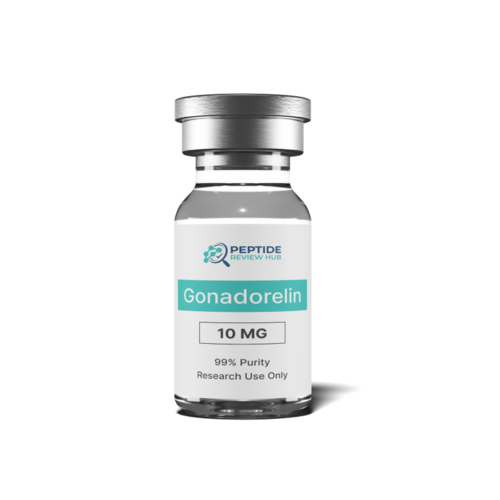
What is Gonadorelin?
What Is Gonadorelin?
Gonadorelin (GnRH) is a decapeptide gonadotropin-releasing hormone agonist. It stimulates the synthesis and release of luteinizing hormone and follicle stimulating hormone. It is used in human medicine to treat infertility, menstrual cycle irregularities, and hypogonadism. It is also used as a diagnostic agent in assessing pituitary function. Ongoing research has found potential uses for gonadorelin in breast and prostate cancer treatment as well as Alzheimer’s disease.
Gonadorelin Structure
Sequence: Pyr-His-Trp-Ser-Tyr-Gly-Leu-Arg-Pro-Gly Molecular Formula: C55H75N17O13 Molecular Weight: 1182.311 g/mol PubChem CID: 638793 CAS Number: 9034-40-6 Synonyms: Growth Hormone Releasing Factor, Somatocrinin, Somatoliberin
Gonadorelin Effects
Gonadorelin Research and Breast Cancer Prevention
Research suggests that having a higher life-time exposure to estrogen may increase a woman’s chance of developing breast cancer. Women who start their period at a younger age, go through menopause at a later age, take estrogen-containing birth control, or have menopausal hormone replacement therapy all have a higher risk of developing breast cancer. Thankfully, in the case of birth control, the risk diminishes when the pills are no longer taken and eventually the increased risk returns to baseline. Of course, birth control is a double-edged sword because even though its use increases risk of breast cancer, it decreases risk of ovarian cancer.
Some breast cancer cells require estrogen to grow and minimizing estrogen production or blocking estrogen receptors has long been an established method for treating certain forms of breast cancer. Research into gonadorelin shows that it can be used to suppress ovarian production of estrogen and that this may be a means of preventing breast cancer in the first place. This concept is based on the idea that some women, due to genetic and environmental factors, are at higher risk of developing breast cancer in their postmenopausal years. The use of gonadorelin in this setting is safe and cost-effective, making it an attractive means of reducing cancer burden. Research suggests that using gonadorelin for 10 years could reduce the risk of breast cancer by as much as 50% and that using it for 15 years could reduce risk by 70%.
The benefits of gonadorelin do not stop at breast cancer prevention, however, Research indicates that adjuvant therapy with anti-estrogens reduces disease progression by as much as 50% in cases where cancer is sensitive to estrogen. Unfortunately, currently available treatments are limited in their efficacy because cancer cells tend to develop resistance to them over time. This resistance usually arises as a result of increased estrogen receptor expression, making it impossible to block every estrogen receptor without severe side effects. Gonadorelin could circumvent this problem by reducing estrogen expression in the first place. This would not only directly reduce growth of estrogen-sensitive cancer, it would boost the efficacy of receptor blocking medications and extend their useful lifespan.
Research in postmenopausal women with hyperandrogenism (too much estrogen) has revealed that long-term GnRH treatment reduces overall levels of estrogen and thus the risk of developing breast cancer. It does so without serious side effects and thus offers an alternative to the current therapy, which is surgical removal of the ovaries.
Gonadorelin a Breakthrough in Prostate Cancer
Despite what we are led to believe by popular media, prostate cancer is actually the most hormone-sensitive of all cancers. This may seem problematic, but it actually represents an opportunity for intervention. In short, by cutting off the supply of testosterone and its derivatives to prostate cancer, it is possible to dramatically slow growth and even halt it altogether. The challenge, of course, is to cut off all hormone flow. This led initially to the surgical removal of the testicles in men with aggressive prostate cancer, a procedure that was quickly replaced by gonadorelin administration when it was found to be just as effective and, potentially, reversible.
The use of GnRH in men suffering from prostate cancer began as far back as 1979 and was referred to as medical castration. This mode of treatment eventually led to an interesting finding, however, which is that some androgens are made locally in the prostate via a mechanism called intracrinology. This, of course, means that GnRH blockade is only partially effective in treating prostate cancer. With the help of gonadorelin, scientists were able to develop two new drugs that have been accepted by the FDA for the treatment of castration-resistant prostate cancer (CRPC). These drugs are highly important and offer a new line of defense against prostate cancer progression and metastasis. They may even eventually find use as preventatives in older men.
The use of both gonadorelin and newer, localized drugs in the treatment of prostate cancer is referred to as combined androgen blockage (CAB). When combined with effective screening and early detection, CAB is one of the few therapies in the realm of oncology to offer a cure – not just remission, but a cure. When used effectively and combined with early detection, CAB makes it possible to cure 99% of all prostate cancer.
The impact of gonadorelin and GnRH analogues on testosterone levels
Gonadorelin May Reduce Dementia Risk
Research indicates that sex hormones, particularly leuteinizing hormone (LH), act on the brain in ways that are well outside the scope of sexual dimorphism or reproductive capacity. In fact, the associated rise in LH that occurs with menopause has been correlated with an increased incidence of Alzheimer’s disease and decreased memory performance in both humans and animals. Careful research in rats further reveals that LH acts directly on the hippocampus, the primary memory center in the brain. Rats given LH exhibit decreased memory performance and hippocampus dysfunction, a deficit that is reverse by administration of an LH blocking drug.
Further research on LH has revealed that higher levels of the hormone are associated with increased neuropathology. In particular, it has been revealed that LH promotes the development of plaques associated with Alzheimer’s. It stands to reason then that reducing LH levels may help to reduce the progression of Alzheimer’s disease. This has been born out, at least partially, in mouse models showing that getting rid of the LH receptor in the brain improves amyloid pathology and helps to preserve the health of cells like astrocytes, which support and protect neurons.
As it turns out, testosterone is beneficial to brain health and actually helps to preserve cognitive function. Thus, simply blocking the entire hypothalamic-pituitary-gondal axis is not necessarily an effective means of treating Alzheimer’s disease. That is why scientists have set out to test gonadorelin derivatives to discern if selective interference in LH production is possible and can have potential benefits. This research, while ongoing, has led to the understanding that leuprolide (a common medication used to treat uterine fibroids and a GnRH receptor agonist) is effective in decreasing the risk of Alzhimer’s compared to other gonadorelin analogues. Ongoing research can help to define why this is the case, but it is important to note that men looking to use highly effective CAB treatment against prostate cancer need not choose between cancer and Alzheimer’s disease. Leuprolide can be used in this setting to offset the risks of CAB with regard to Alzheimer’s disease. In particular, the ability of leuprolide to down-regulate levels of serum gonadotrophins (LH in particular) is generally enough to offset the effects of reduced testosterone.
New research is seeking to understand how gonadorelin and its analogues affect APOE and MS4A6A expression in Alzheimer’s disease. Both genetic loci are associated with late-onset Alzheimer’s disease, but research suggests that they need to operate in tandem to produce serious problems and that interfering with one gene loci or the other is enough to short-circuit the pathway to pathology. Gonadorelin affects this process of tandem interaction, but it isn’t clear how or why. Right now, researchers are working to understand how the interaction of genes in Alzheimer’s disease can be interrupted to both treat and prevent the condition. Gonadorelin is am important peptide in that research.
Gonadorelin Research
Gonadorelin is hardly a new peptide in the treatment of human and mammalian disease, but researchers are constantly uncovering new ways in which GnRH and GnRH analogues operate in both normal physiology as well as the development of disease. The discovery that gonadorelin can play a role in treating prostate cancer was a breakthrough that has allowed doctors to develop a cure so effective that fully 99% of people with prostate cancer can be cured if the disease is caught early enough. It looks like similar breakthroughs are on the horizon with the finding the gonadorelin and its down-stream hormones are substantial players in the pathways that lead to Alzheimer’s disease risk.
Gonadorelin exhibits minimal side effects, low oral and excellent subcutaneous bioavailability in mice. Per kg dosage in mice does not scale to humans. Gonadorelin for sale at peptide Review hub is limited to educational and scientific research only, not for human consumption. Only buy Gonadorelin if you are a licensed researcher.
Scientific Journal Author
Dr. Giorgio Secreto currently studies at the IRCCS National Cancer Institute in Italy. His accolades include, a 1963 High School degree, Maturità Classica 1969 Degree in Medicine and Surgery, University of Milan, Italy 1974 Degree Specialist in Endocrinology, University of Turin, Italy. Doctor Secreto has been working at the National Cancer Institute of Milan since 1970 up to now, after his retirement in December 2010. The role of androgens in breast cancer is his main field of study. He has been teacher at the Italian School of Senology (1989-1996), Associate Professor in Oncology, L.U.de.S. University, Lugano, Switzerland (1999-2008), and Associate Professor in Endocrinology, Nurses’ School, University of Milan (2003-2008). He is active member of the New York Academy of Sciences and the American Association for the Advancement of Sciences. He published about 100 papers, including a few that pertain to GnRH's effects on the reduction of breast cancer via minimizing excessive androgens.
Dr. Giorgio Secreto is being referenced as one of the leading scientists involved in the research and development of Gonadorelin. In no way is this doctor/scientist endorsing or advocating the purchase, sale, or use of this product for any reason. There is no affiliation or relationship, implied or otherwise, between peptide Review hub and this doctor. The purpose of citing the doctor is to acknowledge, recognize, and credit the exhaustive research and development efforts conducted by the scientists studying this peptide. Doctor Secreto is listed in [1] and [3] under the referenced citations.
Referenced Citations
ALL ARTICLES AND PRODUCT INFORMATION PROVIDED ON THIS WEBSITE ARE FOR INFORMATIONAL AND EDUCATIONAL PURPOSES ONLY.
The products offered on this website are furnished for in-vitro studies only. In-vitro studies (Latin: in glass) are performed outside of the body. These products are not medicines or drugs and have not been approved by the FDA to prevent, treat or cure any medical condition, ailment or disease. Bodily introduction of any kind into humans or animals is strictly forbidden by law.
Product Usage: THIS PRODUCT IS INTENDED AS A RESEARCH CHEMICAL ONLY. This designation allows the use of research chemicals strictly for in vitro testing and laboratory experimentation only. All product information available on this website is for educational purposes only. Bodily introduction of any kind into humans or animals is strictly forbidden by law. This product should only be handled by licensed, qualified professionals. This product is not a drug, food, or cosmetic and may not be misbranded, misused or mislabled as a drug, food or cosmetic.
Where to Buy Gonadorelin Online
| Action | ||||||
|---|---|---|---|---|---|---|
1 |  Peptide Hubs Verified | 9.0/10 Editorial Rating | $50.00 10mg vial | $5.00/mg | Out of Stock | Visit Site |
2 |  Dragon Peptides Verified | 9.0/10 Editorial Rating | $50.00 5mg vial | $10.00/mg | Out of Stock | Visit Site |
3 |  Pure Peptide Labs Verified | 5.0/10 Editorial Rating | $39.95 10mg vial | $4.00/mg | In Stock | Visit Site |
4 | N/A/10 Editorial Rating | $39.90 5mg vial | $7.98/mg | In Stock | Visit Site | |
5 | N/A/10 Editorial Rating | $500.00 10mg vial | $50.00/mg | In Stock | Visit Site | |
6 | N/A/10 Editorial Rating | $50.00 10mg vial | $5.00/mg | In Stock | Visit Site | |
7 | N/A/10 Editorial Rating | $23.99 2mg vial | $11.99/mg | In Stock | Visit Site |


Top-Ranked Vendor
COA Transparency
Score: 8/10
Testing Documentation & Verification
Peptide Hubs markets itself as a supplier of research peptides and related laboratory compounds. The company emphasizes product quality, purity standards, and analytical testing procedures designed to support research applications.
Product information is generally organized and includes technical details intended to help customers evaluate available compounds. The company promotes quality-control measures and manufacturing consistency across its portfolio.
While transparency appears solid, wider availability of batch-specific Certificates of Analysis (COAs), third-party laboratory testing reports, and independent verification documentation would further strengthen buyer confidence.
Assessment
Peptide Hubs demonstrates a clear commitment to quality standards, though expanded public testing documentation would improve overall transparency.
Reputation
Score: 8/10
Customer Feedback & Online Presence
Peptide Hubs maintains a professional online presence focused on research products and customer service. The company appears positioned toward researchers and buyers seeking access to popular peptide compounds and specialty research materials.
Its product presentation, organization, and focus on customer support contribute positively to credibility. The supplier has developed a growing presence within the research-compound marketplace.
Independent review volume appears moderate, and prospective buyers may benefit from conducting routine due diligence before large purchases.
Assessment
A professional business presentation and research-focused approach support a generally favorable reputation.
Pricing
Score: 9/10
Product Value & Cost Competitiveness
Pricing is one of Peptide Hubs' stronger competitive advantages. The company appears to offer competitive rates across a broad selection of research compounds.
Volume discounts, wholesale opportunities, and bundled purchasing options help improve value for repeat buyers and larger research projects.
Assessment
Competitive pricing and broad product availability create strong value for research customers.
Policies
Score: 8/10
Customer Protection & Transparency
Peptide Hubs provides customer-support channels and purchasing information intended to simplify the ordering process.
The company appears focused on maintaining responsive communication and a straightforward customer experience. Product information is generally easy to access and navigate.
More publicly available information regarding returns, refunds, warranties, and dispute-resolution procedures would further strengthen policy transparency.
Assessment
Customer-support accessibility contributes positively to buyer confidence.
Shipping
Score: 8/10
Delivery Coverage & Fulfillment
Shipping appears to be a reliable operational area. The company promotes order fulfillment services designed to support efficient delivery and customer satisfaction.
Secure packaging, shipment processing, and logistics support help improve the overall purchasing experience.
Assessment
Reliable fulfillment practices contribute positively to customer satisfaction.
Catalog
Score: 9/10
Product Selection & Inventory Depth
Peptide Hubs offers a broad range of peptide and research compounds.
Metabolic Research Products
Tirzepatide
Retatrutide
Semaglutide
Cagrilintide
Recovery & Regenerative Peptides
BPC-157
TB-500
GHK-Cu
KPV
Growth Hormone Research Products
Tesamorelin
Ipamorelin
CJC-1295
Sermorelin
Longevity & Cellular Research
MOTS-C
SS-31
NAD+ Related Compounds
Specialty Research Products
Peptide Blends
Experimental Research Compounds
Laboratory Support Materials
Assessment
The catalog provides strong coverage across several major peptide-research categories while supporting both individual and commercial purchasing needs.
What We Like
Strengths
Competitive pricing.
Broad peptide selection.
User-friendly website.
Growing market presence.
Variety of research compounds.
Wholesale purchasing options.
Customer-focused service.
Organized product catalog.
Research-oriented business model.
What Could Be Better
Areas for Improvement
More publicly available batch-specific COAs.
Expanded third-party testing visibility.
Greater independent customer-review volume.
Enhanced manufacturing transparency.
More detailed refund and return information.
Additional educational resources for researchers.
Online Ratings & Reviews
Key Positive Themes
Competitive pricing.
Broad product selection.
Easy ordering process.
Product availability.
Responsive support.
Key Negative Themes
Limited third-party review volume.
Desire for additional testing transparency.
More publicly available documentation requested.
Overall Public Sentiment
Overall sentiment appears generally positive, with customers appreciating product availability, affordability, and ease of purchasing.
Most Common Praise
Product variety.
Value for money.
Customer support.
Research-focused catalog.
Ordering convenience.
Most Common Concerns
Limited independent reviews.
Additional testing documentation desired.
Greater company transparency requested.
Brand Overview
Company Name
Peptide Hubs
Industry
Research Peptides, Biotechnology Products & Research Compounds
Main Products
Tirzepatide
Retatrutide
Semaglutide
Cagrilintide
BPC-157
TB-500
GHK-Cu
MOTS-C
Tesamorelin
CJC-1295
Headquarters
United States-Oriented Research Supply Business
Shipping Regions
Domestic and International Availability
Payment Methods
Online Payment Solutions
Alternative Payment Methods
Commercial Purchasing Arrangements
Company Summary
Peptide Hubs is a research-focused supplier offering peptides, research compounds, and related laboratory products. The company emphasizes accessibility, competitive pricing, and customer support while serving researchers and procurement customers seeking popular peptide compounds.
Its catalog includes compounds commonly used in metabolic, regenerative, hormonal, and longevity-related research. Through a combination of product variety and value-oriented pricing, the company aims to provide convenient access to research materials.
Final Verdict
Peptide Hubs offers a solid mix of affordability, catalog depth, and customer accessibility. The company's strongest advantages include competitive pricing, broad product availability, and a straightforward purchasing experience.
While expanded third-party testing transparency and a larger body of independent customer reviews would further strengthen credibility, Peptide Hubs presents a reasonable option for buyers seeking a wide selection of research compounds at competitive prices.
Final Rating: 8.4/10
Chemical Properties & Handling
Standard storage protocols for lyophilized peptides generally apply unless otherwise specified.
- Lyophilized (Powder): Store at -20°C for up to 3 years. Keep away from direct light and moisture.
- Reconstituted (Liquid): Store at 2-8°C (refrigerated) and use within 20-30 days to maintain stability.
Research Reviews
No Research Reviews Yet
Be the first to share your research protocol and vendor experience with Gonadorelin.
Best Gonadorelin Vendors & Price Comparison
Gonadorelin (GnRH, Gonadotropin-Releasing Hormone) is a synthetic form of the naturally occurring hypothalamic peptide responsible for regulating reproductive hormone signaling. Researchers have extensively studied Gonadorelin for its ability to stimulate the release of luteinizing hormone (LH) and follicle-stimulating hormone (FSH), making it a valuable tool in endocrinology, reproductive biology, hormone regulation, oncology, and neuroscience research.
As interest in endocrine and reproductive peptides continues to grow, researchers often compare Gonadorelin suppliers based on product purity, analytical testing, pricing, manufacturing standards, and vendor transparency.
This Gonadorelin Vendor Price Comparison Guide helps researchers evaluate suppliers using objective criteria including:
Product Pricing
Cost Per Milligram
Peptide Purity
Third-Party Testing
Certificate of Analysis (COA)
Vendor Reputation
Customer Reviews
Shipping Performance
Product Availability
Overall Value
Whether you're seeking the lowest-priced Gonadorelin supplier, vendors offering extensive laboratory verification, or the highest-purity research-grade products, this guide provides a framework for supplier comparison.
Explore Gonadorelin Vendors by Criteria
Most Popular Gonadorelin Vendors
Compare suppliers frequently selected by endocrinology and reproductive-biology researchers.
Highest Reviewed Gonadorelin Vendors
Discover peptide companies with strong customer satisfaction and positive marketplace reputations.
Lowest Price Gonadorelin Vendors
Identify suppliers offering competitive pricing and favorable cost-per-milligram value.
Highest Purity Gonadorelin Vendors
Review vendors providing transparent purity verification and analytical testing.
Best Value Gonadorelin Vendors
Compare pricing, testing standards, customer support, and product quality.
Fastest Shipping Gonadorelin Vendors
Evaluate order-fulfillment performance, packaging quality, and delivery reliability.
Newly Listed Gonadorelin Vendors
Explore recently launched suppliers offering Gonadorelin research peptides.
What Is Gonadorelin?
Overview
Gonadorelin is a synthetic version of naturally occurring gonadotropin-releasing hormone (GnRH).
Researchers investigate Gonadorelin because of its involvement in:
Reproductive hormone regulation
Luteinizing hormone (LH) signaling
Follicle-stimulating hormone (FSH) release
Pituitary function
Endocrine regulation
Reproductive physiology
Hormone-dependent cancer research
Neuroendocrine signaling
Gonadorelin remains one of the most important peptides in reproductive endocrinology research.
Molecular Characteristics
Peptide Information
Researchers evaluating Gonadorelin products should carefully review analytical documentation and product specifications.
Peptide Name
Gonadorelin
Alternative Names
Gonadotropin-Releasing Hormone (GnRH)
LHRH
GnRH Agonist
Amino Acid Sequence
Pyr-His-Trp-Ser-Tyr-Gly-Leu-Arg-Pro-Gly
Molecular Formula
C55H75N17O13
Molecular Weight
1182.31 g/mol
PubChem CID
638793
CAS Number
9034-40-6
Classification
Decapeptide Hormone
Research Category
Endocrinology & Reproductive Biology Research
Why Researchers Compare Gonadorelin Vendors
Research reproducibility depends heavily on peptide quality and manufacturing consistency.
Differences between suppliers may include:
Purity levels
Batch consistency
Manufacturing standards
Stability testing
Shipping procedures
Storage protocols
Product documentation
Quality-control systems
Careful supplier evaluation helps improve research reliability and consistency.
How We Compare Gonadorelin Vendors
Third-Party Laboratory Testing
Independent testing remains one of the strongest indicators of peptide quality.
Researchers should prioritize suppliers offering:
Third-party testing
Identity verification
Purity analysis
Batch-specific laboratory reports
Certificate of Analysis (COA)
A quality COA should contain:
Batch number
Test date
Purity percentage
Identity confirmation
Analytical methodology
Product Purity
Purity remains one of the most important variables when evaluating research peptides.
Higher-purity products generally contribute to improved consistency and reproducibility.
Cost Per Milligram
Comparing only vial prices can be misleading.
Cost Per Milligram Formula
Product Price ÷ Total Milligrams = Cost Per Milligram
This allows more meaningful vendor comparisons.
Customer Reviews
Customer experiences often provide insight regarding:
Product consistency
Packaging quality
Shipping performance
Customer support
Purchasing experience
Vendor Reputation
Established peptide suppliers often demonstrate:
Reliable testing procedures
Transparent quality-control practices
Positive customer feedback
Consistent inventory availability
Current Research & Evidence
Endocrine Research
The primary focus of Gonadorelin research involves endocrine regulation.
Researchers continue investigating pathways involving:
LH secretion
FSH secretion
Pituitary signaling
Hormonal feedback mechanisms
Neuroendocrine control
This remains the central area of Gonadorelin research.
Reproductive Biology Research
Scientists frequently investigate Gonadorelin in studies involving:
Fertility pathways
Reproductive physiology
Gonadal function
Hormonal communication
Reproductive endocrinology
Pituitary Function Research
Gonadorelin has long been utilized in research involving:
Pituitary responsiveness
Hormone stimulation
Endocrine assessment
Neuroendocrine function
Researchers continue exploring its usefulness in understanding pituitary biology.
Key Findings on Gonadorelin Research
Breast Cancer Research
Researchers have explored Gonadorelin-related pathways because of their relationship with hormone regulation.
Areas of investigation include:
Estrogen-related pathways
Hormone-sensitive cancers
Endocrine signaling
Hormonal modulation mechanisms
Researchers continue evaluating these relationships.
Prostate Cancer Research
Gonadorelin has played a significant role in studies involving:
Androgen regulation
Hormone-sensitive cancers
Testosterone-related pathways
Endocrine therapeutic strategies
This remains one of the most important areas of Gonadorelin-related research.
Neuroendocrine Research
Scientists continue investigating the relationship between Gonadorelin and:
Brain signaling
Hormone communication pathways
Cognitive regulation
Neuroendocrine function
This field continues to expand.
Alzheimer's Disease Research
Researchers have explored pathways involving:
Luteinizing hormone signaling
Cognitive aging
Neurodegenerative mechanisms
Hormonal influences on brain function
Additional research remains ongoing.
Healthy Aging Research
Researchers investigate Gonadorelin because reproductive-hormone regulation may influence:
Age-associated endocrine changes
Hormonal balance
Neuroendocrine function
Long-term physiological adaptation
Research Limitations
Most findings involving Gonadorelin originate from:
Laboratory studies
Clinical endocrinology research
Animal models
Translational biomedical investigations
Further research is necessary to fully characterize all biological pathways and long-term effects.
Research findings should not be interpreted as evidence of approved applications beyond established clinical indications.
Product Quality & Analytical Testing
Why Testing Matters
Research-grade Gonadorelin products should undergo testing to verify:
Identity
Purity
Stability
Potency
Batch consistency
Common Testing Methods
High-Performance Liquid Chromatography (HPLC)
Used to assess purity and identify impurities.
Mass Spectrometry (MS)
Used to verify molecular identity and peptide composition.
Identity Verification Testing
Confirms peptide authenticity.
Stability Testing
Evaluates peptide integrity during storage.
Batch Consistency Testing
Measures reproducibility across manufacturing lots.
Understanding Gonadorelin Pricing
Several factors influence pricing among suppliers.
Product Purity
Higher-purity products often command premium pricing.
Analytical Verification
Comprehensive testing programs increase transparency and quality assurance.
Manufacturing Standards
Strict quality-control procedures influence production costs.
Market Demand
Growing interest in endocrine and fertility research may impact availability and pricing.
Vendor Reputation
Trusted suppliers often charge more due to established quality-assurance systems.
Gonadorelin Vendor Evaluation Checklist
Quality Verification
✅ Third-party testing available
✅ Certificate of Analysis provided
✅ Identity verification documented
✅ Purity information disclosed
✅ Batch-specific testing available
Vendor Reliability
✅ Positive customer reviews
✅ Transparent company information
✅ Responsive customer support
✅ Reliable inventory availability
Purchasing Experience
✅ Secure checkout process
✅ Shipment tracking available
✅ Clear refund policies
✅ Reliable order fulfillment
Red Flags When Comparing Vendors
Testing Concerns
❌ No third-party testing
❌ Missing COAs
❌ Unverified purity claims
❌ Outdated laboratory reports
Transparency Issues
❌ Hidden product specifications
❌ Missing batch information
❌ Limited documentation
❌ No company contact information
Service Problems
❌ Frequent inventory shortages
❌ Poor communication
❌ Negative customer reviews
❌ Unclear shipping policies
How to Choose the Best Gonadorelin Vendor
Prioritize Laboratory Transparency
Choose vendors that provide third-party testing and batch-specific Certificates of Analysis.
Compare Overall Value
Balance purity, testing standards, customer support, and pricing.
Review Product Documentation
Verify analytical reports before purchasing.
Evaluate Vendor Reputation
Established suppliers often provide stronger quality assurance and consistency.
Match Products to Research Objectives
Choose products whose specifications align with laboratory requirements.
Frequently Asked Questions
What is Gonadorelin?
Gonadorelin is a synthetic form of gonadotropin-releasing hormone (GnRH), a decapeptide that regulates reproductive hormone signaling through stimulation of LH and FSH release.
What is Gonadorelin used for in research?
Researchers investigate Gonadorelin in studies involving reproductive endocrinology, fertility biology, pituitary function, hormone regulation, neuroendocrine signaling, hormone-sensitive cancers, and aging-related endocrine changes.
Why compare Gonadorelin vendors?
Purity, analytical testing, documentation quality, pricing, and supplier reliability can vary substantially among vendors.
What should researchers review before purchasing?
Researchers should evaluate:
Certificate of Analysis (COA)
Third-party testing
Purity verification
Identity confirmation
Vendor reputation
Customer reviews
Why is third-party testing important?
Independent testing helps verify product identity, purity, and batch consistency while improving transparency.
Is the cheapest supplier always the best option?
No. Product quality, testing standards, documentation, and supplier reliability are often more important than price alone.
How often should vendor comparisons be updated?
Pricing, inventory levels, testing reports, and supplier policies can change regularly and should be reviewed frequently.
Final Thoughts
Gonadorelin remains one of the most important peptides in reproductive endocrinology and hormone-regulation research due to its central role in LH and FSH signaling, pituitary function, reproductive biology, and neuroendocrine communication. Ongoing investigations continue exploring its relationship with hormone-sensitive cancers, cognitive health, endocrine aging, and broader physiological regulation.
When comparing Gonadorelin vendors, researchers should prioritize purity verification, third-party testing, Certificate of Analysis availability, supplier reputation, and overall value rather than focusing solely on cost. A structured vendor-comparison process can help identify suppliers capable of meeting rigorous research-quality standards.
Current Research & Evidence
Research evidence for Gonadorelin has not yet been added.
Key Findings on Gonadorelin Use
Key findings for Gonadorelin have not yet been added.
Related Peptides in Peptide
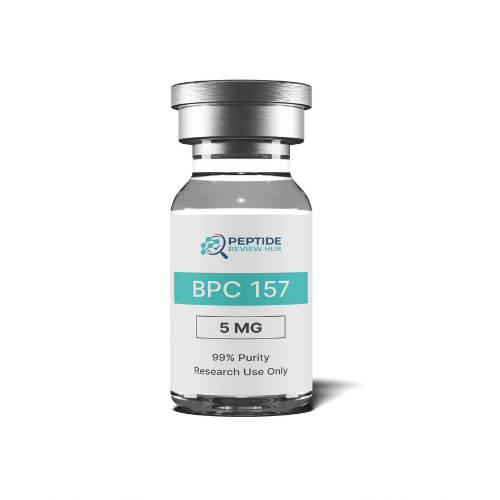
BPC 157
In the stomach of every man lies a substance more powerful than he knows. BPC-157 derives from this source - gastric juice, that most unpoetic of origins for what may prove a considerable discovery. The synthetic version contains fifteen amino acids arranged with the precision nature reserves for her most essential works. It endures where other peptides fail.
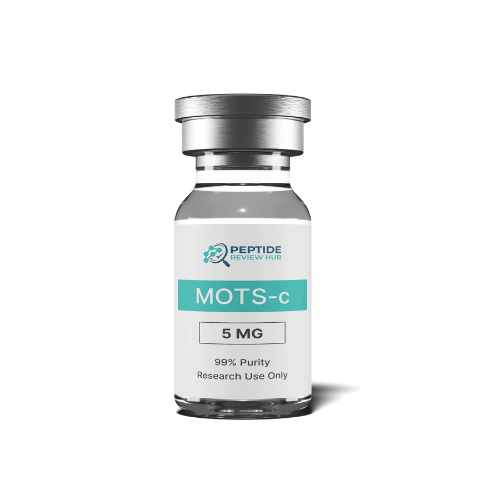
MOTS-c
The Mitochondrial-Derived Peptide MOTS-c promotes metabolic homeostasis and longevity, improves exercise capacity, reduces obesity, insulin resistance and other disease processes such as osteoporosis .
GHK-Cu
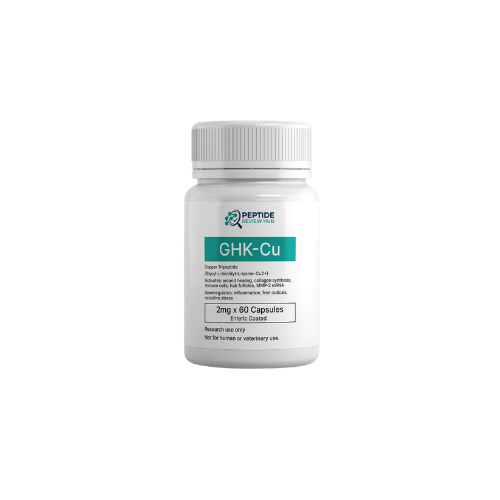
(2mg x 60 Capsules) (Copper Tripeptide) GHK-Cu is a small, naturally occurring peptide with the ability to attenuate inflammation, improve antioxidant responses, and improve gene expression on a large scale. Research shows that this copper-chelating peptide may be of critical importance both in the prevention of neurodegenerative disease and as a tool for exploring pathophysiological mechanisms. Studies in mice have revealed that GHK-Cu can protect against neurological insults, improve wound healing, reduce rates of infection, and boost blood vessel growth.
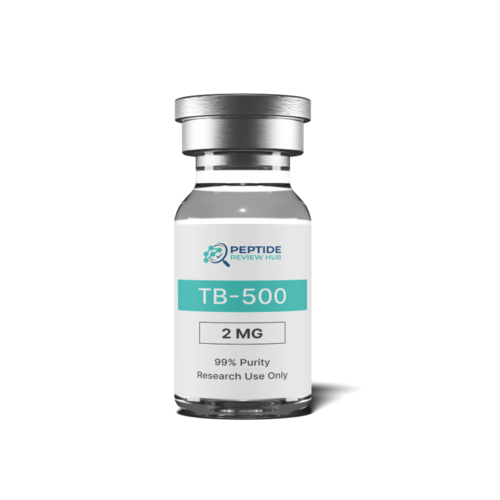
TB-500
Thymosin Beta-4 is a 43 amino acid peptide sequence. In animal models, Thymosin Beta-4 has been shown to improve blood vessel growth, regulate wound healing, decrease inflammation, and reduce oxidative damage in the heart and central nervous system. Thymosin-beta-4 has a role in protection, tissue repair, regeneration and remodeling of injured or damaged tissues. It is also of active interest in anti-aging research.