
Research Use Only. This compound is not intended for human consumption or therapeutic use.
Where to Buy Cagrilintide: Vendor Comparison & Research Info
Cagrilintide potently mimics endogenous amylin—delaying gastric emptying, suppressing postprandial glucagon secretion, and activating central nervous system satiety pathways. Preclinical and clinical models demonstrate its exceptional efficacy in driving weight loss, improving glycemic control ($HbA_{1c}$), and exhibiting synergistic metabolic effects when paired with GLP-1 receptor agonists. Supplied as a stable, lyophilized powder, it is ideal for in vitro and laboratory studies investigating obesity, type 2 diabetes, and neurodegenerative pathways.
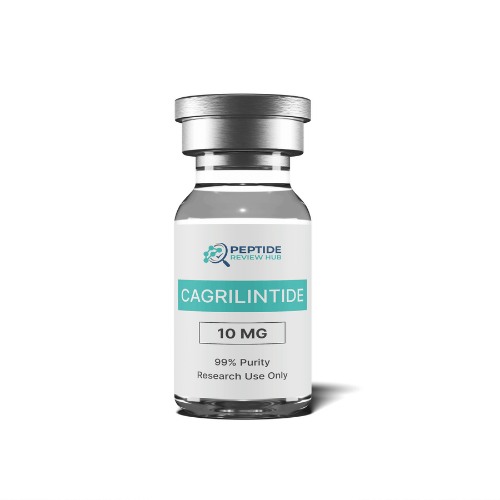
What is Cagrilintide?
Cagrilintide is a novel, synthetic, long-acting analogue of human amylin (islet amyloid polypeptide, or IAPP). Engineered as a dual-target, non-selective agonist at both amylin receptors (AMYR) and calcitonin receptors (CTR), cagrilintide represents a significant technological advancement over first-generation amylin mimetics such as pramlintide.
In native physiology, human amylin is co-secreted alongside insulin by pancreatic beta cells in response to nutrient ingestion. While native amylin plays a crucial role in regulating postprandial glucose dynamics and promoting satiety, its utility in clinical and experimental settings has historically been severely restricted by an extremely short plasma half-life () and a high propensity for irreversible, cytotoxic self-aggregation into insoluble amyloid fibrils.
Cagrilintide overcomes these biochemical limitations through rational drug design. By combining specific amino acid substitutions with -terminal fatty acid acylation, cagrilintide possesses high enzymatic resistance, extended systemic circulation, complete resistance to fibrillogenesis, and enhanced central nervous system (CNS) permeability. Supplied at analytical purity, this high-grade research peptide is designed exclusively for in vitro, ex vivo, and preclinical laboratory research targeting metabolic homeostasis, advanced obesity, type 2 diabetes mellitus (T2DM), and neurodegenerative pathways.
Structural Engineering & Rational Peptide Design
Native human amylin is a 37-amino-acid peptide that contains an intramolecular disulfide bridge between residues 2 and 7, as well as an amidated C-terminus. Under physiological stress or elevated concentrations, human amylin readily forms -sheet structures that aggregate into toxic oligomers and fibrils. These aggregates directly impair pancreatic beta-cell viability and contribute to the progressive loss of endocrine function observed in metabolic disease.
N-Terminus [ Lipid Acyl Chain ] ── (Cys2-Cys7 Disulfide) ── [ Helix Stabilizing Mutations ] ── [ Y37P Modification ] ── C-Terminus (Amide)
│
Reversible Albumin Binding
To eliminate fibril toxicity and establish a pharmacokinetic profile suitable for extended experimental protocols, cagrilintide incorporates four pivotal structural modifications:
1. C-Terminal Proline Substitution
Proline acts as a potent -sheet breaker. Incorporating a proline residue near the C-terminus disrupts the secondary structural motifs responsible for self-assembly, ensuring that cagrilintide remains completely soluble and non-aggregating even at concentrations far exceeding physiological thresholds.
2. -Terminal Fatty Acid Acylation
A lipophilic fatty acid moiety attached to the N-terminus enables non-covalent, reversible binding to endogenous serum albumin following administration. This albumin interaction dramatically increases the effective hydrodynamic radius of the molecule, protecting it from rapid renal clearance and enzymatic cleavage by circulating neutral endopeptidases (NEP) and dipeptidyl peptidase-4 (DPP-4).
3. Point Mutations for Helix Stabilization
Strategic amino acid substitutions within the central core of the peptide sequence optimize secondary -helical conformation, optimizing structural stability in aqueous media without compromising receptor activation kinetics.
4. C-Terminal Amidation
Retention of C-terminal amidation preserves essential electrostatic interactions required for high-affinity binding to Calcitonin Receptor (CTR) complexes and Receptor Activity-Modifying Proteins (RAMPs).
Pharmacodynamics & Receptor Signaling Mechanisms
Cagrilintide functions as a potent, non-selective agonist across all functional amylin receptor subtypes—AMY_1 R, AMY_2 R, and AMY_3 R —as well as the core calcitonin receptor (CTR).
Upon binding to these G-protein coupled receptors (GPCRs), cagrilintide stimulates -mediated activation of adenylyl cyclase, driving intracellular accumulation of cyclic adenosine monophosphate () and activating downstream protein kinase A () and extracellular signal-regulated kinase () pathways.
Through these signaling pathways, cagrilintide exerts three main physiological effects:
Central Satiety Induction: Cagrilintide crosses the blood-brain barrier to bind receptors in key circumventricular organs and brainstem centers, including the Area Postrema (AP), Nucleus of the Solitary Tract (NTS), and Arcuate Nucleus (ARC). Activation of these central pathways enhances homeostatic satiety signals and attenuates mesolimbic reward-driven intake of high-fat/high-sugar foods.
Gastric Motility & Postprandial Glucose Attenuation: By slowing the rate of gastric emptying, cagrilintide moderates the rate at which ingested carbohydrates are absorbed in the small intestine. This prevents rapid postprandial glucose surges without altering baseline digestive capacity.
Pancreatic Alpha-Cell Regulation: Cagrilintide potently suppresses postprandial glucagon secretion from pancreatic alpha cells in a glucose-dependent manner, suppressing excessive hepatic glucose production while maintaining counter-regulatory responses to hypoglycemia.
Primary Research Domains
1. Advanced Obesity Management & Combination Synergy
Preclinical models and clinical Phase 2 investigations confirm that cagrilintide monotherapy produces substantial, dose-dependent body weight reductions ranging from 6% to 11% over short intervention periods.
When combined with GLP-1 receptor agonists (such as semaglutide in the dual-co-formulation known as CagriSema), cagrilintide demonstrates synergistic metabolic effects. Because GLP-1 and amylin pathways engage distinct, complementary neural circuits in the hindbrain and hypothalamus, dual-agonist models show significant weight loss outcomes approaching 17% to 20% along with marked reductions in systemic adiposity.
2. Glycemic Control & Metabolic Health
In research models evaluating Type 2 Diabetes, cagrilintide significantly improves glycemic stability. Clinical trial data document mean glycated hemoglobin () reductions of up to 2.2%, alongside reduced glycemic variability and improved peripheral insulin sensitivity.
3. Neurodegenerative Pathways & Alzheimer's Disease Research
An emerging frontier in metabolic research focuses on the "brain-insulin axis" and the role of amylin dyshomeostasis in neurodegenerative disorders. Chronic hyperglycemia and peripheral insulin resistance are strongly linked to cerebral microvascular damage, neuroinflammation, and impaired neuronal glucose uptake.
Because native amylin cross-seeds with amyloid-beta () to form co-aggregates in brain microvasculature, cagrilintide’s non-aggregating structure provides a valuable tool for research. Scientists utilize cagrilintide to investigate whether central amylin receptor activation can reduce neuroinflammation, clear pathologic protein aggregates, and restore cerebral glucose homeostasis without causing toxic fibril formation.
Key Product Characteristics
High Purity Standard: Batch-tested via High-Performance Liquid Chromatography (HPLC) and Mass Spectrometry (MS) to confirm purity and correct molecular mass.
Non-Fibrillating Architecture: Proline-modified sequence prevents self-aggregation into toxic amyloid structures during long-term assays.
Extended Half-Life: Lipidated N-terminus facilitates albumin binding for extended duration of action in longitudinal study protocols.
Dual-Target Agonism: Direct activation across both Amylin () and Calcitonin () receptor families.
Lyophilized Presentation: Formulated under nitrogen to maximize stability during shipping and storage, ensuring rapid, clear reconstitution.
Reconstitution & Laboratory Handling Protocols
To maintain compound integrity and ensure reproducible experimental results, adhere to the following handling guidelines:
Equilibration: Allow the frozen vial to reach room temperature before opening or reconstituting. This prevents condensation from forming inside the vial.
Reconstitution: Reconstitute using sterile bacteriostatic water for injection or sterile phosphate-buffered saline (PBS, pH 7.4). Direct the solvent stream down the inner glass wall of the vial rather than onto the powder.
Dissolution: Gently swirl the vial in a circular motion until the powder is fully dissolved. Do not shake or agitate vigorously, as mechanically induced shearing can foam or denature peptide chains.
Storage of Reconstituted Solution: Aliquot the solution into sterile polypropylene microcentrifuge tubes to avoid repeated freeze-thaw cycles. Store aliquots at or colder for long-term use, or keep at for up to 14 days.
Where to Buy Cagrilintide Online
| Action | ||||||
|---|---|---|---|---|---|---|
1 |  Peptide Hubs Verified | 9.0/10 Editorial Rating | $60.00 10mg vial | $6.00/mg | In Stock | Visit Site |
2 |  Dragon Peptides Verified | 9.0/10 Editorial Rating | $60.00 10mg vial | $6.00/mg | In Stock | Visit Site |
3 | 8.3/10 Editorial Rating | $40.00 5mg vial | $8.00/mg | In Stock | Visit Site | |
4 | 7.8/10 Editorial Rating | $64.99 mg vial | $/mg | In Stock | Visit Site | |
5 | 7.0/10 Editorial Rating | $59.99 10mg vial | $6.00/mg | In Stock | Visit Site | |
6 |  Pure Peptide Labs Verified | 5.0/10 Editorial Rating | $59.95 10mg vial | $6.00/mg | In Stock | Visit Site |
7 | 4.0/10 Editorial Rating | $157.95 5mg vial | $31.59/mg | In Stock | Visit Site | |
8 | N/A/10 Editorial Rating | $128.00 10mg vial | $12.80/mg | In Stock | Visit Site | |
9 | N/A/10 Editorial Rating | $79.99 10mg vial | $8.00/mg | In Stock | Visit Site | |
10 | N/A/10 Editorial Rating | $90.00 10mg vial | $9.00/mg | In Stock | Visit Site | |
11 | N/A/10 Editorial Rating | $140.00 10mg vial | $14.00/mg | In Stock | Visit Site | |
12 | N/A/10 Editorial Rating | $149.00 10mg vial | $14.90/mg | In Stock | Visit Site | |
13 | N/A/10 Editorial Rating | $99.99 10mg vial | $10.00/mg | In Stock | Visit Site | |
14 | N/A/10 Editorial Rating | $139.99 10mg vial | $14.00/mg | In Stock | Visit Site | |
15 | N/A/10 Editorial Rating | $350.00 10mg vial | $35.00/mg | In Stock | Visit Site | |
16 | N/A/10 Editorial Rating | $151.00 10mg vial | $15.10/mg | In Stock | Visit Site | |
17 | N/A/10 Editorial Rating | $71.99 5mg vial | $14.40/mg | In Stock | Visit Site | |
18 | N/A/10 Editorial Rating | $90.00 5mg vial | $18.00/mg | In Stock | Visit Site | |
19 | N/A/10 Editorial Rating | $79.99 10mg vial | $8.00/mg | In Stock | Visit Site | |
20 | N/A/10 Editorial Rating | $188.00 10mg vial | $18.80/mg | In Stock | Visit Site | |
21 | N/A/10 Editorial Rating | $44.00 5mg vial | $8.80/mg | In Stock | Visit Site | |
22 | N/A/10 Editorial Rating | $280.00 10mg vial | $28.00/mg | In Stock | Visit Site | |
23 | N/A/10 Editorial Rating | $649.00 10mg vial | $64.90/mg | In Stock | Visit Site | |
24 | N/A/10 Editorial Rating | $54.99 10mg vial | $5.50/mg | In Stock | Visit Site | |
25 | N/A/10 Editorial Rating | $106.00 10mg vial | $10.60/mg | In Stock | Visit Site | |
26 | N/A/10 Editorial Rating | $79.00 5mg vial | $15.80/mg | In Stock | Visit Site | |
27 |  RIVN Peptides Verified | N/A/10 Editorial Rating | $99.99 10mg vial | $10.00/mg | In Stock | Visit Site |
28 |  Blue Line Research Verified | N/A/10 Editorial Rating | $115.00 mg vial | $/mg | In Stock | Visit Site |
29 | N/A/10 Editorial Rating | $99.00 10mg vial | $9.90/mg | In Stock | Visit Site |






















Top-Ranked Vendor
COA Transparency
Score: 8/10
Testing Documentation & Verification
Peptide Hubs markets itself as a supplier of research peptides and related laboratory compounds. The company emphasizes product quality, purity standards, and analytical testing procedures designed to support research applications.
Product information is generally organized and includes technical details intended to help customers evaluate available compounds. The company promotes quality-control measures and manufacturing consistency across its portfolio.
While transparency appears solid, wider availability of batch-specific Certificates of Analysis (COAs), third-party laboratory testing reports, and independent verification documentation would further strengthen buyer confidence.
Assessment
Peptide Hubs demonstrates a clear commitment to quality standards, though expanded public testing documentation would improve overall transparency.
Reputation
Score: 8/10
Customer Feedback & Online Presence
Peptide Hubs maintains a professional online presence focused on research products and customer service. The company appears positioned toward researchers and buyers seeking access to popular peptide compounds and specialty research materials.
Its product presentation, organization, and focus on customer support contribute positively to credibility. The supplier has developed a growing presence within the research-compound marketplace.
Independent review volume appears moderate, and prospective buyers may benefit from conducting routine due diligence before large purchases.
Assessment
A professional business presentation and research-focused approach support a generally favorable reputation.
Pricing
Score: 9/10
Product Value & Cost Competitiveness
Pricing is one of Peptide Hubs' stronger competitive advantages. The company appears to offer competitive rates across a broad selection of research compounds.
Volume discounts, wholesale opportunities, and bundled purchasing options help improve value for repeat buyers and larger research projects.
Assessment
Competitive pricing and broad product availability create strong value for research customers.
Policies
Score: 8/10
Customer Protection & Transparency
Peptide Hubs provides customer-support channels and purchasing information intended to simplify the ordering process.
The company appears focused on maintaining responsive communication and a straightforward customer experience. Product information is generally easy to access and navigate.
More publicly available information regarding returns, refunds, warranties, and dispute-resolution procedures would further strengthen policy transparency.
Assessment
Customer-support accessibility contributes positively to buyer confidence.
Shipping
Score: 8/10
Delivery Coverage & Fulfillment
Shipping appears to be a reliable operational area. The company promotes order fulfillment services designed to support efficient delivery and customer satisfaction.
Secure packaging, shipment processing, and logistics support help improve the overall purchasing experience.
Assessment
Reliable fulfillment practices contribute positively to customer satisfaction.
Catalog
Score: 9/10
Product Selection & Inventory Depth
Peptide Hubs offers a broad range of peptide and research compounds.
Metabolic Research Products
Tirzepatide
Retatrutide
Semaglutide
Cagrilintide
Recovery & Regenerative Peptides
BPC-157
TB-500
GHK-Cu
KPV
Growth Hormone Research Products
Tesamorelin
Ipamorelin
CJC-1295
Sermorelin
Longevity & Cellular Research
MOTS-C
SS-31
NAD+ Related Compounds
Specialty Research Products
Peptide Blends
Experimental Research Compounds
Laboratory Support Materials
Assessment
The catalog provides strong coverage across several major peptide-research categories while supporting both individual and commercial purchasing needs.
What We Like
Strengths
Competitive pricing.
Broad peptide selection.
User-friendly website.
Growing market presence.
Variety of research compounds.
Wholesale purchasing options.
Customer-focused service.
Organized product catalog.
Research-oriented business model.
What Could Be Better
Areas for Improvement
More publicly available batch-specific COAs.
Expanded third-party testing visibility.
Greater independent customer-review volume.
Enhanced manufacturing transparency.
More detailed refund and return information.
Additional educational resources for researchers.
Online Ratings & Reviews
Key Positive Themes
Competitive pricing.
Broad product selection.
Easy ordering process.
Product availability.
Responsive support.
Key Negative Themes
Limited third-party review volume.
Desire for additional testing transparency.
More publicly available documentation requested.
Overall Public Sentiment
Overall sentiment appears generally positive, with customers appreciating product availability, affordability, and ease of purchasing.
Most Common Praise
Product variety.
Value for money.
Customer support.
Research-focused catalog.
Ordering convenience.
Most Common Concerns
Limited independent reviews.
Additional testing documentation desired.
Greater company transparency requested.
Brand Overview
Company Name
Peptide Hubs
Industry
Research Peptides, Biotechnology Products & Research Compounds
Main Products
Tirzepatide
Retatrutide
Semaglutide
Cagrilintide
BPC-157
TB-500
GHK-Cu
MOTS-C
Tesamorelin
CJC-1295
Headquarters
United States-Oriented Research Supply Business
Shipping Regions
Domestic and International Availability
Payment Methods
Online Payment Solutions
Alternative Payment Methods
Commercial Purchasing Arrangements
Company Summary
Peptide Hubs is a research-focused supplier offering peptides, research compounds, and related laboratory products. The company emphasizes accessibility, competitive pricing, and customer support while serving researchers and procurement customers seeking popular peptide compounds.
Its catalog includes compounds commonly used in metabolic, regenerative, hormonal, and longevity-related research. Through a combination of product variety and value-oriented pricing, the company aims to provide convenient access to research materials.
Final Verdict
Peptide Hubs offers a solid mix of affordability, catalog depth, and customer accessibility. The company's strongest advantages include competitive pricing, broad product availability, and a straightforward purchasing experience.
While expanded third-party testing transparency and a larger body of independent customer reviews would further strengthen credibility, Peptide Hubs presents a reasonable option for buyers seeking a wide selection of research compounds at competitive prices.
Final Rating: 8.4/10
Chemical Properties & Handling
Standard storage protocols for lyophilized peptides generally apply unless otherwise specified.
- Lyophilized (Powder): Store at -20°C for up to 3 years. Keep away from direct light and moisture.
- Reconstituted (Liquid): Store at 2-8°C (refrigerated) and use within 20-30 days to maintain stability.
Research Reviews
No Research Reviews Yet
Be the first to share your research protocol and vendor experience with Cagrilintide.
Best Cagrilintide Vendors & Price Comparison
Cagrilintide is a next-generation, long-acting synthetic amylin analog engineered for research involving metabolic regulation, satiety signaling, energy balance, glucose homeostasis, and neuroendocrine pathways. Designed as a dual-target agonist of both amylin receptors (AMYR) and calcitonin receptors (CTR), Cagrilintide represents a significant advancement over earlier amylin mimetics due to its enhanced stability, extended half-life, and resistance to aggregation.
As interest in obesity research, metabolic biology, diabetes-related pathways, and neuroendocrine regulation continues to expand, researchers frequently compare Cagrilintide suppliers based on purity, analytical testing, manufacturing standards, pricing, and supplier transparency.
This Cagrilintide Vendor Price Comparison Guide helps researchers evaluate suppliers using objective criteria including:
Product Pricing
Cost Per Milligram
Product Purity
Third-Party Testing
Certificate of Analysis (COA)
Vendor Reputation
Customer Reviews
Shipping Performance
Product Availability
Overall Value
Whether you're searching for the lowest-priced Cagrilintide supplier, the highest-purity research-grade material, or vendors offering comprehensive analytical verification, this guide provides a structured framework for comparing peptide suppliers.
Explore Cagrilintide Vendors by Criteria
Most Popular Cagrilintide Vendors
Compare suppliers frequently selected by metabolism and obesity researchers.
Highest Reviewed Vendors
Discover peptide suppliers with strong customer satisfaction and positive marketplace reputations.
Lowest Price Vendors
Identify suppliers offering competitive pricing and favorable cost-per-milligram value.
Highest Purity Vendors
Review suppliers providing transparent purity verification and analytical testing.
Best Value Vendors
Compare pricing, laboratory documentation, testing standards, and customer support.
Fastest Shipping Vendors
Evaluate shipping reliability, fulfillment speed, and packaging quality.
Newly Listed Vendors
Explore recently added suppliers offering Cagrilintide research peptides.
What Is Cagrilintide?
Overview
Cagrilintide is a synthetic long-acting analog of human amylin (islet amyloid polypeptide) developed to overcome the limitations associated with native amylin, including rapid degradation and fibril formation.
Researchers investigate Cagrilintide because of its relationship with:
Satiety signaling
Metabolic regulation
Energy balance
Glucose homeostasis
Gastric motility
Neuroendocrine communication
Amylin receptor signaling
Calcitonin receptor activation
Its engineered structure provides a valuable model for studying long-term metabolic regulation.
Molecular Characteristics
Peptide Information
Researchers evaluating Cagrilintide products should carefully review analytical documentation and molecular specifications.
Peptide Name
Cagrilintide
Classification
Long-Acting Amylin Analog
Research Category
Metabolic & Endocrine Research
Primary Targets
Amylin Receptors (AMYR)
Calcitonin Receptors (CTR)
Structural Features
Fatty Acid Acylation
Helix-Stabilizing Modifications
C-Terminal Amidation
Anti-Aggregation Engineering
Product Format
Lyophilized Powder
Typical Purity
≥99% Analytical Purity
Why Researchers Study Cagrilintide
Cagrilintide has generated significant scientific interest because of its ability to activate pathways involved in appetite regulation, glucose metabolism, and neuroendocrine signaling.
Researchers investigate pathways involving:
AMYR activation
CTR signaling
Satiety regulation
Metabolic communication
Energy homeostasis
Central nervous system signaling
These remain active areas of advanced metabolic research.
Structural Engineering & Peptide Design
Anti-Fibrillating Architecture
Native human amylin has a tendency to form insoluble aggregates.
Researchers investigate Cagrilintide because its engineered structure is designed to:
Resist aggregation
Maintain solubility
Improve experimental consistency
Enhance molecular stability
Support long-term study protocols
Fatty Acid Acylation
A lipid moiety attached to the peptide increases association with serum albumin.
Researchers study this feature because it may contribute to:
Extended circulation time
Improved stability
Reduced enzymatic degradation
Longer experimental activity
Enhanced pharmacokinetic properties
Helix-Stabilizing Modifications
Strategic amino acid substitutions have been incorporated to improve structural stability.
Researchers investigate:
Secondary structure preservation
Molecular integrity
Receptor interactions
Long-term solution stability
Peptide durability
C-Terminal Amidation
Retention of C-terminal amidation helps maintain:
Receptor-binding properties
Structural integrity
Molecular stability
Signaling efficiency
Peptide functionality
Cagrilintide Receptor Research
Amylin Receptor Signaling
One of the primary focuses of Cagrilintide research involves activation of amylin receptor complexes.
Researchers investigate pathways involving:
Cellular communication
Receptor signaling
Appetite regulation
Metabolic adaptation
Endocrine physiology
This remains one of the most important areas of investigation.
Calcitonin Receptor Research
Scientists continue studying pathways involving:
CTR activation
Signal transduction
Cellular responsiveness
Endocrine communication
Metabolic regulation
Further studies remain ongoing.
GPCR Signaling Research
Researchers frequently investigate pathways involving:
Cyclic AMP production
Protein kinase activation
ERK signaling
Cellular adaptation
Receptor-mediated communication
Cagrilintide & Satiety Research
Appetite Regulation Research
One of the most extensively studied applications of Cagrilintide involves satiety signaling.
Researchers investigate pathways involving:
Appetite regulation
Feeding behavior
Reward-driven intake
Energy intake
Central satiety mechanisms
This remains a major focus of metabolic research.
Central Nervous System Research
Studies frequently examine pathways involving:
Area postrema signaling
Nucleus tractus solitarius activity
Hypothalamic regulation
Neuroendocrine communication
Behavioral adaptation
Reward-System Research
Scientists continue studying relationships involving:
Food reward pathways
Motivational signaling
Neural adaptation
Behavioral regulation
Metabolic communication
Cagrilintide & Metabolic Research
Glucose Homeostasis Research
Researchers investigate pathways involving:
Glucose regulation
Endocrine signaling
Metabolic communication
Glycemic stability
Cellular adaptation
This remains a central area of investigation.
Insulin Sensitivity Research
Studies continue exploring:
Metabolic responsiveness
Cellular glucose utilization
Endocrine homeostasis
Energy management
Physiological regulation
Glucagon Regulation Research
Researchers investigate pathways involving:
Alpha-cell biology
Hormonal balance
Glucose metabolism
Endocrine communication
Metabolic adaptation
Cagrilintide & Gastric Motility Research
Gastric Emptying Research
Scientists study pathways involving:
Digestive physiology
Nutrient absorption timing
Gastrointestinal signaling
Endocrine regulation
Metabolic feedback systems
Nutrient Processing Research
Researchers continue examining:
Postprandial physiology
Metabolic communication
Digestive adaptation
Energy utilization
Glucose regulation pathways
Cagrilintide & Obesity Research
Weight-Regulation Research
One of the primary scientific interests in Cagrilintide involves studies related to body-weight regulation.
Researchers investigate:
Appetite control
Satiety signaling
Energy balance
Nutrient intake regulation
Metabolic adaptation
Combination Research Models
Researchers frequently study Cagrilintide alongside other metabolic compounds to evaluate:
Multi-pathway signaling
Complementary receptor activation
Endocrine communication
Metabolic integration
Energy-regulation mechanisms
Cagrilintide & Neurodegenerative Research
Brain-Metabolism Research
Researchers investigate pathways involving:
Neuroendocrine signaling
Cerebral glucose metabolism
Brain-energy utilization
Metabolic communication
Cellular adaptation
Neuroinflammation Research
Scientists continue studying:
Inflammatory signaling
Oxidative stress pathways
Cellular resilience
Neural communication
Tissue maintenance
Neuroprotective Research
Studies examine pathways involving:
Cellular survival
Metabolic homeostasis
Neurobiological adaptation
Mitochondrial physiology
Brain-health research models
Why Researchers Compare Cagrilintide Vendors
Research reproducibility depends heavily on peptide quality and manufacturing consistency.
Differences among suppliers may include:
Product purity
Analytical verification
Batch consistency
Stability testing
Manufacturing standards
Documentation quality
Storage procedures
Quality-control systems
Careful vendor evaluation can improve consistency across laboratory studies.
How We Compare Cagrilintide Vendors
Third-Party Laboratory Testing
Researchers should prioritize suppliers offering:
Third-party testing
Identity verification
Purity confirmation
Batch-specific reports
Analytical documentation
Certificate of Analysis (COA)
A quality COA should contain:
Batch number
Testing date
Purity percentage
Identity confirmation
Analytical methodology
Product Purity
Purity remains one of the most important variables when evaluating research peptides.
Higher-purity products generally contribute to improved experimental reproducibility.
Cost Per Milligram
Comparing vial prices alone may not accurately reflect value.
Cost Per Milligram Formula
Product Price ÷ Total Milligrams = Cost Per Milligram
This metric standardizes vendor comparisons.
Customer Reviews
Customer experiences often provide insight regarding:
Product consistency
Packaging quality
Shipping performance
Customer support
Purchasing experience
Vendor Reputation
Established suppliers often demonstrate:
Transparent testing standards
Reliable quality-control procedures
Strong customer satisfaction
Consistent inventory availability
Quality & Analytical Testing
Why Testing Matters
Research-grade Cagrilintide products should undergo testing to verify:
Identity
Purity
Molecular integrity
Stability
Batch consistency
Common Testing Methods
High-Performance Liquid Chromatography (HPLC)
Used to evaluate purity and identify impurities.
Mass Spectrometry (MS)
Used to verify molecular identity and composition.
Identity Verification
Confirms peptide authenticity.
Stability Testing
Evaluates long-term peptide integrity.
Batch Consistency Analysis
Measures reproducibility across manufacturing lots.
Storage & Handling
Researchers should follow validated laboratory procedures.
Best practices include:
✅ Allow vial equilibration before opening
✅ Use sterile reconstitution procedures
✅ Avoid excessive agitation
✅ Minimize repeated freeze-thaw cycles
✅ Protect from moisture and direct light
✅ Store according to laboratory stability protocols
✅ Use aliquots where appropriate
Proper storage helps preserve peptide stability and reproducibility.
Understanding Cagrilintide Pricing
Several factors influence supplier pricing.
Product Purity
Higher-purity peptides generally command premium pricing.
Manufacturing Complexity
Long-acting engineered peptides require sophisticated synthesis and purification methods.
Analytical Verification
Comprehensive testing programs increase manufacturing costs while improving transparency.
Research Demand
Growing interest in obesity and metabolic research contributes significantly to market demand.
Vendor Reputation
Established suppliers often command higher pricing because of rigorous quality-control standards.
Cagrilintide Vendor Evaluation Checklist
Quality Verification
✅ Third-party testing available
✅ Certificate of Analysis provided
✅ Identity verification documented
✅ Purity information disclosed
✅ Stability testing available
✅ Batch-specific reports available
Vendor Reliability
✅ Positive customer reviews
✅ Transparent company information
✅ Responsive customer support
✅ Reliable inventory availability
Purchasing Experience
✅ Secure checkout process
✅ Shipment tracking available
✅ Clear return policies
✅ Reliable order fulfillment
Frequently Asked Questions
What is Cagrilintide?
Cagrilintide is a long-acting synthetic amylin analog investigated in research involving satiety signaling, metabolic regulation, glucose homeostasis, obesity pathways, and endocrine communication.
What is Cagrilintide used for in research?
Researchers investigate Cagrilintide in studies involving appetite regulation, energy balance, gastric motility, metabolic physiology, amylin receptor signaling, calcitonin receptor activation, and neuroendocrine communication.
What receptors does Cagrilintide target?
Cagrilintide is studied primarily for its activity at amylin receptors (AMYR) and calcitonin receptors (CTR).
Why compare Cagrilintide vendors?
Purity, analytical testing, supplier reliability, stability verification, and documentation quality can vary significantly between suppliers.
What should researchers review before purchasing?
Researchers should evaluate:
Certificate of Analysis (COA)
Third-party testing
HPLC purity verification
Mass spectrometry confirmation
Vendor reputation
Customer reviews
Why is third-party testing important?
Independent testing helps verify peptide identity, purity, molecular integrity, and batch consistency while improving research reproducibility.
Final Thoughts
Cagrilintide represents one of the most advanced amylin-based research peptides available today because of its enhanced stability, dual-target receptor activity, resistance to aggregation, and long-acting pharmacological profile. Researchers continue investigating its role in metabolic regulation, satiety signaling, glucose homeostasis, obesity biology, neuroendocrine communication, and emerging neurodegenerative research pathways.
When comparing Cagrilintide vendors, researchers should prioritize purity verification, third-party analytical testing, Certificate of Analysis availability, HPLC validation, mass spectrometry confirmation, supplier reputation, and overall value rather than focusing exclusively on price. A structured vendor-comparison process can help identify suppliers capable of meeting rigorous research-quality standards.
Current Research & Evidence
Research evidence for Cagrilintide has not yet been added.
Key Findings on Cagrilintide Use
Key findings for Cagrilintide have not yet been added.
Related Peptides in Peptide
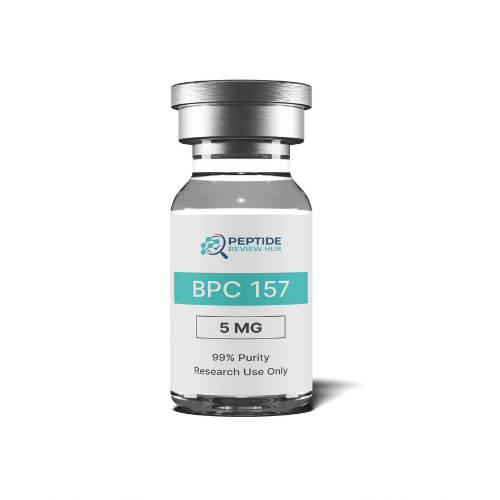
BPC 157
In the stomach of every man lies a substance more powerful than he knows. BPC-157 derives from this source - gastric juice, that most unpoetic of origins for what may prove a considerable discovery. The synthetic version contains fifteen amino acids arranged with the precision nature reserves for her most essential works. It endures where other peptides fail.
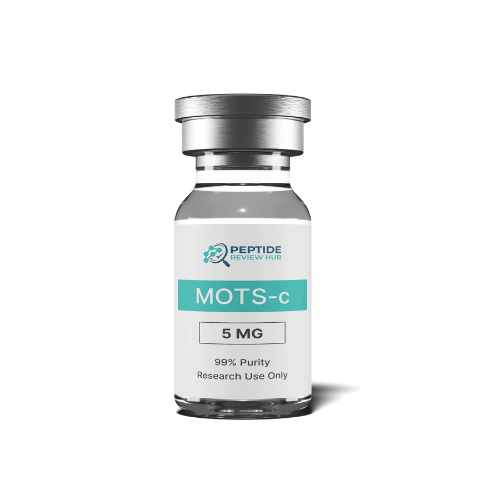
MOTS-c
The Mitochondrial-Derived Peptide MOTS-c promotes metabolic homeostasis and longevity, improves exercise capacity, reduces obesity, insulin resistance and other disease processes such as osteoporosis .
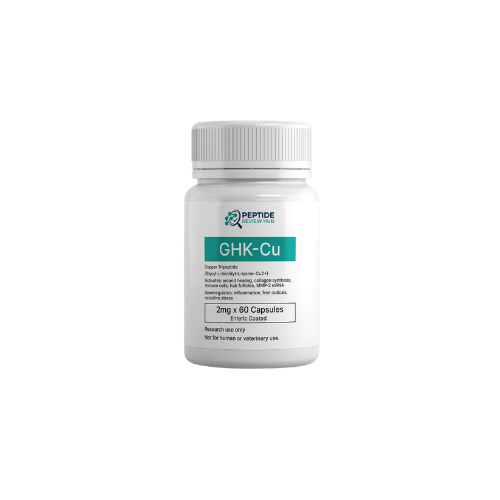
GHK-Cu
(2mg x 60 Capsules) (Copper Tripeptide) GHK-Cu is a small, naturally occurring peptide with the ability to attenuate inflammation, improve antioxidant responses, and improve gene expression on a large scale. Research shows that this copper-chelating peptide may be of critical importance both in the prevention of neurodegenerative disease and as a tool for exploring pathophysiological mechanisms. Studies in mice have revealed that GHK-Cu can protect against neurological insults, improve wound healing, reduce rates of infection, and boost blood vessel growth.
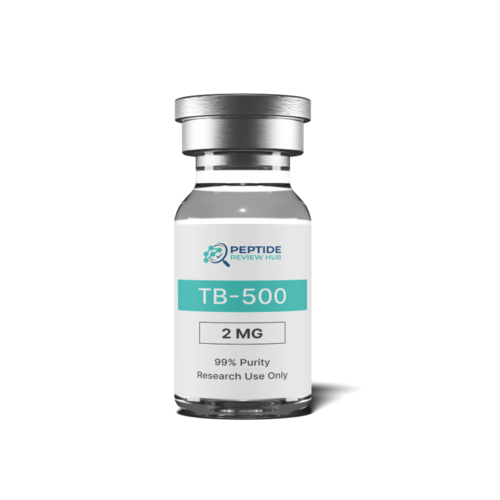
TB-500
Thymosin Beta-4 is a 43 amino acid peptide sequence. In animal models, Thymosin Beta-4 has been shown to improve blood vessel growth, regulate wound healing, decrease inflammation, and reduce oxidative damage in the heart and central nervous system. Thymosin-beta-4 has a role in protection, tissue repair, regeneration and remodeling of injured or damaged tissues. It is also of active interest in anti-aging research.