
Research Use Only. This compound is not intended for human consumption or therapeutic use.
Where to Buy B7-33: Vendor Comparison & Research Info
B7-33 exibits potent anti-fibrotic effects. It is under active research and investigation as a means of reducing fibrosis in acute and chronic diseases like heart failure, lung inflammation, kidney and more.
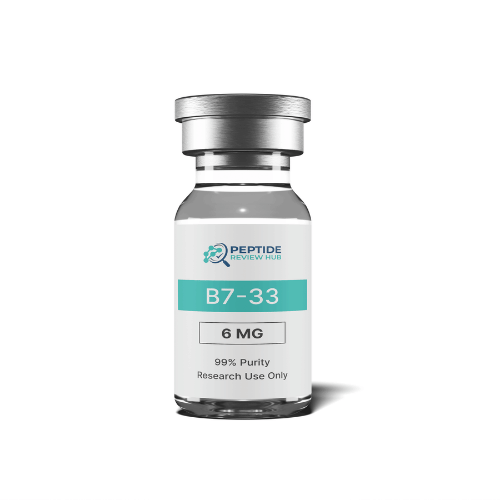
What is B7-33?
B7-33 exibits potent anti-fibrotic effects. It is under active research and investigation as a means of reducing fibrosis in acute and chronic diseases like heart failure, lung inflammation, kidney and more. In animal studies, B7-33 has reduced fibrosis by roughly 50%, leading to prolonged survival following injury and offering the first new means of treating heart failure in 20 years. It has been shown to reduce excessive scar formation following cardiac injury. It has also shown promise in the treatment of certain vascular disorders as well as preeclampsia of pregnancy.
Product Usage: This PRODUCT IS INTENDED AS A RESEARCH CHEMICAL ONLY. This designation allows the use of research chemicals strictly for in vitro testing and laboratory experimentation only. All product information available on this website is for educational purposes only. Bodily introduction of any kind into humans or animals is strictly forbidden by law. This product should only be handled by licensed, qualified professionals. This product is not a drug, food, or cosmetic and may not be misbranded, misused or mislabled as a drug, food or cosmetic.
What is B7-33?
B7-33 is a soluble synthesized single chain peptide derived from the larger, naturally occurring protein H2-relaxin. B7-33 retains the anti-fibrotic properties of relaxin without increasing production of cAMP. This peptide stimulates ERK1/2 phosphorylation, promoting matrix metalloproteinase 2 (MMP2) expression and the degradation of extracellular collagen.
B7-33 is one of a number of synthetic peptides derived from the human H2-relaxin protein, which is itself the namesake of a family of four proteins (relaxin, insulin-like peptide 3, H3-relaxin, and insulin-like peptide 5) known as the relaxin proteins. These proteins, which are closely related to insulin, have all been shown to have pleiotropic actions, impacting the musculoskeletal system, cardiovascular system, and reproduction among others[1].
The relaxin family peptides have four endogenous receptors that are divided into two pairs (RXFP1/2 and RXFP3/4). The function of these receptors is outlined as follows:
The relaxin receptors are not just targets for relaxin proteins, however. These receptors can be stimulated by cAMP, orexin, corticotropin-releasing factor (CRF), several insulin-like peptides, and GLP-1. The agonists have been variously shown to have anti-inflammatory, antioxidant, and wound healing properties. These findings led researchers to explore the primary ligand for these receptors, which was identified as relaxin. Research shows that relaxin has all of the properties just mentioned in addition to being a vasodilator, blood vessel growth stimulator, and antihypertrophic. Taken together, these functions given relaxin potent anti-fibrotic properties and have led to the serious investigation of this peptide and its derivatives in the treatment of acute heart failure and other fibrotic disorders[1].
Structures
Sequence: VIKLSGRELVRAQIAISGMSTWSKRSL PubChem CID: 318164840 Synonyms: (B7-33)H2, GTPL9321
B7-33 Research
B7-33 Function
Due to its unique structure, even though B7-33 binds to the RXFP1 receptor with greater affinity than the native H2-relaxin protein, B7-33 preferentially activates the pERK pathway over the cAMP pathway. The pERK pathway is known to play an important role in cell cycle arrest in the G1 phase and has been implicated in a number of diseases including protein-misfolding conditions like Alzheimer’s disease and Crutzfeld-Jacob disease.
By arresting cell cycle progression in cells with RXFP1 receptors, B7-33 can produce a number of effects. It appears that its anti-fibrotic effects, however, are most likely mediated through the ability to stimulate RXFP1-angiotensin II type 2 receptor heterodimering, which activates pERK1/2 signaling and, eventually, leads to increased production of the collagen-degrading enzyme matrix metalloproteinase (MMP) -2. It is important that B7-33 promotes only pERK pathway activation as it is thought that cAMP activation may be responsible for some of the tumor-promoting effects seen with full-sequence H2-relaxin and not seen with B7-33[6].
Ease of Production
One of the advantages of B7-33 over the native H2-relaxin protein is that it does not activate the cAMP pathway but still retains the ability to promote the full anti-fibrotic effects of the parent peptide. This is not, however, the only advantage that B7-33 offers. Just as important among its attributes is the fact that B7-33 is easier to produce. Because B7-33 has less complicated 2D and 3D structures, it is much less laborious to produce a functional B7-33 protein than a full H2-relaxin protein. This ease of production leads to less expensive production as well.
Anti-Fibrotic Properties
Fibrosis, which is to say scarring or unorganized tissue regeneration, is the end state of at least half of all chronic diseases. From cardiovascular disease to lung disease to cirrhosis of the liver, aberrant wound healing (i.e. fibrosis) is one of the primary causes of organ failure. In 2012, H2-relaxin completed phase II clinical trials for the treatment of acute heart failure. The research revealed that H2-relaxin administration leads to immediate vasodilatory effects and reduces the long-term scarring seen following heart damage. This makes H2-relaxin the first new treatment approved for acute heart failure in 20 years[6].
While the benefits of H2-relaxin are robust and significant, there are drawbacks to using the full relaxin protein as a therapeutic agent. Not only is H2-relaxin difficult to produce it can also only be administered via IV injection. Additionally, the full protein has been shown to increase heart rate and promote cancer progression (particularly prostate cancer)[7], [8]. Most of these effects have been traced to the protein’s activation of the cAMP pathway, so an effort was made to reduce cAMP activation. The result of that effort is B7-33.
According to Dr. Akhter Hossain, one of the lead developers of B7-33, the peptide increases MMP-2 production as well as or even slightly more than H2-relaxin does. This, of course, translates into a significant reduction in cardiac fibrosis in rat models of MI-induced heart failure. With the reduced fibrosis comes a concomitant improvement in heart function and thus a reduction in the long-term symptoms and complications of heart failure. Results suggest that B7-33 may reduce overall scarring in the heart, following injury, by approximately 50%. Similar effects were recorded in mouse models of asthma and lung fibrosis.
To further test the benefits of B7-33 over H2-relaxin, Dr. Hossain and his colleagues examined what would happen if B7-33 was given to mice with prostate cancer. As it turns out, B7-33 not only did not promote tumor growth when administered at doses necessary to treat fibrosis, it didn’t even promote tumor growth when given at higher doses than those producing anti-fibrotic effects. This happens because B7-33 works almost exclusively through the pERK pathway and does not stimulate cAMP production.
Blood Vessel Protection
Human relaxin-2 (serelaxin) has been of intense focus in laboratory research for its ability to protect the vasculature against edothelial dysfunction and long-term scarring. Research in mail Wistar rats shows that B7-33 replicates the vasoprotective effects of serelaxin by enhancing bradykinin-mediated endothelium-dependent relaxation in arteries. It appears to do this by boosting endothelium-derived hyperpolarization in certain vascular beds. The selectivity of this molecule in causing vasorelaxtion may make it useful in the treatment of certain cardiovascular conditions as well as preeclampsia of pregnancy[9]. Because it is simpler and more affordable to produce than serelaxin, B7-33 may quickly become the defacto therapeutic option for certain vascular conditions.
B7-33 in Preeclampsia
Preeclampsia is a common complication of pregnancy that leads to high blood pressure and reduced fetal weight. While manageable to a large degree, preeclampsia can be difficult to control and, in some cases, life-threatening to both mother and fetus. In the most extreme cases of preeclampsia, immediate delivery of the baby is necessary, making it a common causes of pre-term delivery. Research, however, suggests that relaxin and thus B7-33 may prove useful in controlling preeclampsia even in severe cases.
The most recent research available suggests that B7-33 likely acts at the RXFP-1 receptor to increase the production of VEGF in cytotrophoblasts. These cells, found in the developing fetus, are critical in helping to establish blood flow between the maternal circulation and the developing fetus. By stimulating VEGF production, B7-33 promotes the growth of blood vessels and thus improves blood supply between mother and child[10].
This same research also reveals that lipidated B7-33 has a much longer in vivo half-life and that lipidation has no impact on the peptides activity[10]. A longer half-life would make B7-33 an even more effective therapeutic and increases the odds that enteral administration can result in therapeutic plasma levels of the protein.
B7-33 in Anti-Fibrotic Materials
One unique area in which B7-33 is finding application, at least in research, is in the production of anti-fibrotic materials or materials that resist the foreign body response. Under normal circumstances, the body reacts to a foreign object by trying to remove it completely. If that cannot be done, then the body will begin to wall off the foreign object, via fibrosis, to isolate it from the body and reduce its ability to cause disease and dysfunction. This is all well and good in the fight against pathogens, but becomes problematic when one wishes to implant a medical device, like a cardiovascular stent for instance, into the body. In these cases, fibrosis can lead to dysfunction or degradation of the implant. In some cases, such as with cardiac stents, fibrosis can lead to artery occlusion, reduced blood supply, and eventually heart attack.
B7-33 offers an ideal coating for use in implants. In one study, the release of B7-33 from the coating of a device reduced fibrotic capsule thickness by nearly 50% over a 6-week trial. Such results are the first step, but open up the possibility of a range of improved implantable medical devices. In fact, the use of B7-33 and similar peptides could preclude the need to use systemic drugs (e.g. plavix or aspirin when cardiac stents are placed) to reduce fibrosis of implanted medical devices, which would make the devices safer and allow them to be implanted in a wider range of patients (e.g.patients with more severe disease)[11].
Summary
B7-33 is a novel peptide with potent anti-fibrotic effects. It is under active research and investigation as a means of reducing fibrosis in acute and chronic diseases like heart failure, lung inflammation, and more. In animal studies, B7-33 has reduced fibrosis by roughly 50%, leading to prolonged survival following injury and offering the first new means of treating heart failure in 20 years.
There is additional interest in using B7-33 to reduce the foreign body response to implanted medical devices. Once again, B7-33 reduces fibrotic capsule formation in implanted devices by approximately 50%, paving the way to new and improved implantable medical devices while also extending the utility and application of existing devices.
B7-33 is not just an anti-fibrotic peptide though. It has other properties, with its ability to reduce blood pressure and protect vasculature being of greatest interest. Studies in animal models of preeclampsia suggest that B7-33 might be a useful tool in treating this difficult-to-manage disease, potentially allowing more women to carry children to term in a manner that is safe for both mother and baby.
Scientific Journal Author
Dr. Hossain is being referenced as one of the leading scientists involved in the research and development of B7-33. In no way is this doctor/scientist endorsing or advocating the purchase, sale, or use of this product for any reason. There is no affiliation or relationship, implied or otherwise, between peptide Review hub and this doctor. The purpose of citing the doctor is to acknowledge, recognize, and credit the exhaustive research and development efforts conducted by the scientists studying this peptide. Dr. Jean Mazella is listed in [6] under the referenced citations.
Where to Buy B7-33 Online
| Action | ||||||
|---|---|---|---|---|---|---|
1 |  Peptide Hubs Verified | 9.0/10 Editorial Rating | $50.00 6mg vial | $8.33/mg | Out of Stock | Visit Site |
2 |  Dragon Peptides Verified | 9.0/10 Editorial Rating | $50.00 5mg vial | $10.00/mg | Out of Stock | Visit Site |
3 | N/A/10 Editorial Rating | $34.90 10mg vial | $3.49/mg | In Stock | Visit Site | |
4 | N/A/10 Editorial Rating | $22.95 2mg vial | $11.47/mg | In Stock | Visit Site | |
5 | N/A/10 Editorial Rating | $115.00 10mg vial | $11.50/mg | In Stock | Visit Site |



Top-Ranked Vendor
COA Transparency
Score: 8/10
Testing Documentation & Verification
Peptide Hubs markets itself as a supplier of research peptides and related laboratory compounds. The company emphasizes product quality, purity standards, and analytical testing procedures designed to support research applications.
Product information is generally organized and includes technical details intended to help customers evaluate available compounds. The company promotes quality-control measures and manufacturing consistency across its portfolio.
While transparency appears solid, wider availability of batch-specific Certificates of Analysis (COAs), third-party laboratory testing reports, and independent verification documentation would further strengthen buyer confidence.
Assessment
Peptide Hubs demonstrates a clear commitment to quality standards, though expanded public testing documentation would improve overall transparency.
Reputation
Score: 8/10
Customer Feedback & Online Presence
Peptide Hubs maintains a professional online presence focused on research products and customer service. The company appears positioned toward researchers and buyers seeking access to popular peptide compounds and specialty research materials.
Its product presentation, organization, and focus on customer support contribute positively to credibility. The supplier has developed a growing presence within the research-compound marketplace.
Independent review volume appears moderate, and prospective buyers may benefit from conducting routine due diligence before large purchases.
Assessment
A professional business presentation and research-focused approach support a generally favorable reputation.
Pricing
Score: 9/10
Product Value & Cost Competitiveness
Pricing is one of Peptide Hubs' stronger competitive advantages. The company appears to offer competitive rates across a broad selection of research compounds.
Volume discounts, wholesale opportunities, and bundled purchasing options help improve value for repeat buyers and larger research projects.
Assessment
Competitive pricing and broad product availability create strong value for research customers.
Policies
Score: 8/10
Customer Protection & Transparency
Peptide Hubs provides customer-support channels and purchasing information intended to simplify the ordering process.
The company appears focused on maintaining responsive communication and a straightforward customer experience. Product information is generally easy to access and navigate.
More publicly available information regarding returns, refunds, warranties, and dispute-resolution procedures would further strengthen policy transparency.
Assessment
Customer-support accessibility contributes positively to buyer confidence.
Shipping
Score: 8/10
Delivery Coverage & Fulfillment
Shipping appears to be a reliable operational area. The company promotes order fulfillment services designed to support efficient delivery and customer satisfaction.
Secure packaging, shipment processing, and logistics support help improve the overall purchasing experience.
Assessment
Reliable fulfillment practices contribute positively to customer satisfaction.
Catalog
Score: 9/10
Product Selection & Inventory Depth
Peptide Hubs offers a broad range of peptide and research compounds.
Metabolic Research Products
Tirzepatide
Retatrutide
Semaglutide
Cagrilintide
Recovery & Regenerative Peptides
BPC-157
TB-500
GHK-Cu
KPV
Growth Hormone Research Products
Tesamorelin
Ipamorelin
CJC-1295
Sermorelin
Longevity & Cellular Research
MOTS-C
SS-31
NAD+ Related Compounds
Specialty Research Products
Peptide Blends
Experimental Research Compounds
Laboratory Support Materials
Assessment
The catalog provides strong coverage across several major peptide-research categories while supporting both individual and commercial purchasing needs.
What We Like
Strengths
Competitive pricing.
Broad peptide selection.
User-friendly website.
Growing market presence.
Variety of research compounds.
Wholesale purchasing options.
Customer-focused service.
Organized product catalog.
Research-oriented business model.
What Could Be Better
Areas for Improvement
More publicly available batch-specific COAs.
Expanded third-party testing visibility.
Greater independent customer-review volume.
Enhanced manufacturing transparency.
More detailed refund and return information.
Additional educational resources for researchers.
Online Ratings & Reviews
Key Positive Themes
Competitive pricing.
Broad product selection.
Easy ordering process.
Product availability.
Responsive support.
Key Negative Themes
Limited third-party review volume.
Desire for additional testing transparency.
More publicly available documentation requested.
Overall Public Sentiment
Overall sentiment appears generally positive, with customers appreciating product availability, affordability, and ease of purchasing.
Most Common Praise
Product variety.
Value for money.
Customer support.
Research-focused catalog.
Ordering convenience.
Most Common Concerns
Limited independent reviews.
Additional testing documentation desired.
Greater company transparency requested.
Brand Overview
Company Name
Peptide Hubs
Industry
Research Peptides, Biotechnology Products & Research Compounds
Main Products
Tirzepatide
Retatrutide
Semaglutide
Cagrilintide
BPC-157
TB-500
GHK-Cu
MOTS-C
Tesamorelin
CJC-1295
Headquarters
United States-Oriented Research Supply Business
Shipping Regions
Domestic and International Availability
Payment Methods
Online Payment Solutions
Alternative Payment Methods
Commercial Purchasing Arrangements
Company Summary
Peptide Hubs is a research-focused supplier offering peptides, research compounds, and related laboratory products. The company emphasizes accessibility, competitive pricing, and customer support while serving researchers and procurement customers seeking popular peptide compounds.
Its catalog includes compounds commonly used in metabolic, regenerative, hormonal, and longevity-related research. Through a combination of product variety and value-oriented pricing, the company aims to provide convenient access to research materials.
Final Verdict
Peptide Hubs offers a solid mix of affordability, catalog depth, and customer accessibility. The company's strongest advantages include competitive pricing, broad product availability, and a straightforward purchasing experience.
While expanded third-party testing transparency and a larger body of independent customer reviews would further strengthen credibility, Peptide Hubs presents a reasonable option for buyers seeking a wide selection of research compounds at competitive prices.
Final Rating: 8.4/10
Chemical Properties & Handling
Standard storage protocols for lyophilized peptides generally apply unless otherwise specified.
- Lyophilized (Powder): Store at -20°C for up to 3 years. Keep away from direct light and moisture.
- Reconstituted (Liquid): Store at 2-8°C (refrigerated) and use within 20-30 days to maintain stability.
Research Reviews
No Research Reviews Yet
Be the first to share your research protocol and vendor experience with B7-33.
Best B7-33 Vendors & Price Comparison
B7-33 is a synthetic relaxin-derived research peptide that has generated significant interest in fibrosis biology, cardiovascular research, vascular health, tissue remodeling, and regenerative medicine. Developed from the naturally occurring hormone H2-relaxin, B7-33 was specifically engineered to retain powerful anti-fibrotic activity while minimizing some of the signaling pathways associated with the parent molecule.
As research into fibrosis, cardiac remodeling, vascular dysfunction, and tissue repair expands, researchers frequently compare B7-33 vendors based on purity, testing standards, pricing, supplier reputation, and overall quality.
This B7-33 Vendor Price Comparison Guide helps researchers evaluate suppliers using objective criteria including:
Product Pricing
Cost Per Milligram
Product Purity
Third-Party Testing
Certificate of Analysis (COA)
Vendor Reputation
Customer Reviews
Shipping Performance
Product Availability
Overall Value
Whether you're seeking the most affordable B7-33 supplier, vendors with extensive laboratory testing, or the highest-rated peptide company, this guide provides a framework for comparing research suppliers.
Explore B7-33 Vendors by Criteria
Most Popular B7-33 Vendors
Compare peptide suppliers frequently selected by fibrosis and cardiovascular researchers.
Highest Reviewed B7-33 Vendors
Discover vendors with strong customer satisfaction and positive marketplace reputations.
Lowest Price B7-33 Vendors
Identify suppliers offering competitive pricing and favorable cost-per-milligram value.
Highest Purity B7-33 Vendors
Review suppliers providing transparent purity verification and batch-level testing.
Best Value B7-33 Vendors
Compare quality standards, testing programs, customer service, and pricing.
Fastest Shipping B7-33 Vendors
Evaluate fulfillment speed, packaging quality, and shipping reliability.
Newly Listed B7-33 Vendors
Explore recently launched peptide suppliers offering B7-33 research products.
What Is B7-33?
Overview
B7-33 is a synthetic single-chain peptide derived from human H2-relaxin, a member of the relaxin peptide family.
Researchers developed B7-33 to preserve the beneficial anti-fibrotic effects of relaxin while preferentially activating specific intracellular signaling pathways associated with tissue remodeling and collagen regulation.
Research involving B7-33 has focused on:
Fibrosis biology
Cardiac remodeling
Lung fibrosis
Vascular function
Tissue regeneration
Wound healing
Implant biocompatibility
Pregnancy-associated vascular disorders
Its unique signaling profile has made B7-33 one of the most promising anti-fibrotic peptides currently under investigation.
Molecular Characteristics
Peptide Information
Researchers evaluating B7-33 products should carefully review product specifications and analytical documentation.
Peptide Name
B7-33
Alternative Names
(B7-33)H2
GTPL9321
Amino Acid Sequence
VIKLSGRELVRAQIAISGMSTWSKRSL
PubChem CID
318164840
Classification
Relaxin-Derived Synthetic Peptide
Research Category
Anti-Fibrotic & Cardiovascular Research
Parent Molecule
Human H2-Relaxin
Why Researchers Compare B7-33 Vendors
Research reproducibility depends heavily on product consistency and peptide quality.
Supplier differences may include:
Purity levels
Manufacturing standards
Batch consistency
Stability testing
Storage conditions
Product documentation
Shipping procedures
Quality-control systems
Choosing suppliers solely on price may overlook critical quality indicators.
How We Compare B7-33 Vendors
Third-Party Laboratory Testing
Independent testing remains one of the strongest indicators of research quality.
Researchers should prioritize vendors that provide:
Third-party testing
Batch-specific reports
Identity verification
Purity analysis
Certificate of Analysis (COA)
A high-quality COA should contain:
Batch number
Testing date
Purity percentage
Product identity verification
Testing methodology
Product Purity
Purity is among the most important metrics for evaluating specialty research peptides.
Higher purity can contribute to greater reliability and experimental reproducibility.
Cost Per Milligram
Comparing only vial prices can be misleading.
Cost Per Milligram Formula
Product Price ÷ Total Milligrams = Cost Per Milligram
This calculation provides a more meaningful comparison between suppliers.
Customer Reviews
Customer feedback often reveals valuable information regarding:
Product consistency
Packaging quality
Shipping performance
Inventory availability
Customer support
Vendor Reputation
Established peptide suppliers often demonstrate:
Strong quality-control standards
Reliable inventory management
Transparent testing programs
Consistent customer satisfaction
Current Research & Evidence
Anti-Fibrotic Research
The primary area of B7-33 research involves fibrosis regulation.
Fibrosis is a pathological process characterized by excessive collagen deposition and abnormal tissue remodeling.
Researchers continue investigating how B7-33 influences:
Fibroblast activity
Extracellular matrix turnover
Collagen degradation
Scar formation pathways
Relaxin Signaling Research
B7-33 was designed to selectively activate beneficial relaxin-associated pathways while minimizing signaling linked to unwanted effects.
Research has focused on:
RXFP1 receptor activation
ERK1/2 signaling
Matrix remodeling
Tissue repair biology
These characteristics distinguish B7-33 from full-length H2-relaxin.
Cardiac Research
One of the most active areas of B7-33 investigation involves cardiovascular biology.
Researchers have studied relationships between B7-33 and:
Cardiac fibrosis
Post-injury remodeling
Myocardial function
Heart-failure pathways
Preclinical findings have generated significant interest in future cardiovascular applications.
Key Findings on B7-33 Research
Collagen Regulation Research
Experimental studies suggest B7-33 influences pathways involved in collagen turnover.
Researchers continue examining effects on:
Matrix Metalloproteinase-2 (MMP-2)
Extracellular matrix remodeling
Connective tissue organization
Fibrotic tissue regulation
Lung Fibrosis Research
B7-33 has been studied in respiratory research models involving:
Pulmonary fibrosis
Chronic lung inflammation
Airway remodeling
Lung-tissue repair
Scientists continue investigating how relaxin-derived peptides interact with pulmonary fibrosis pathways.
Vascular Health Research
Research suggests B7-33 may influence vascular signaling and endothelial function.
Areas of interest include:
Blood-vessel relaxation
Vascular remodeling
Endothelial biology
Circulatory function
These findings have prompted additional investigation into cardiovascular disease models.
Implant & Biomaterials Research
One unique application of B7-33 involves reducing fibrotic responses around implanted medical devices.
Researchers have explored B7-33-containing materials for use in:
Implant coatings
Biomedical devices
Tissue-engineering scaffolds
Foreign-body response research
Reducing fibrotic capsule formation remains a major challenge in medical-device development.
Pregnancy & Preeclampsia Research
Researchers have investigated B7-33 in experimental models involving:
Placental vascular function
Angiogenesis
VEGF signaling
Preeclampsia-associated pathways
This remains an emerging area of scientific investigation.
Research Limitations
Most current B7-33 findings originate from:
Laboratory research
Cell-culture studies
Animal models
Early-stage preclinical investigations
Additional research remains necessary to fully characterize its biological mechanisms and long-term effects.
Research results should not be interpreted as evidence of approved therapeutic applications.
Product Quality & Analytical Testing
Why Testing Matters
Research-grade B7-33 should undergo testing to verify:
Identity
Purity
Stability
Potency
Batch consistency
Common Testing Methods
High-Performance Liquid Chromatography (HPLC)
Used to evaluate peptide purity and identify impurities.
Mass Spectrometry (MS)
Used to confirm molecular identity and sequence verification.
Identity Testing
Confirms peptide authenticity and composition.
Stability Testing
Measures peptide integrity under storage conditions.
Batch Consistency Testing
Ensures reproducibility across manufacturing lots.
Understanding B7-33 Pricing
Several factors influence supplier pricing.
Product Purity
Higher purity products often command premium pricing.
Specialized Manufacturing
B7-33 is a specialized research peptide requiring advanced synthesis and quality-control procedures.
Analytical Verification
Comprehensive testing programs improve transparency but increase production costs.
Limited Market Availability
Compared with more common peptides, B7-33 is generally manufactured in lower volumes.
Vendor Reputation
Trusted suppliers often charge premium prices due to established quality-assurance systems.
B7-33 Vendor Evaluation Checklist
Quality Standards
✅ Third-party testing available
✅ Certificate of Analysis provided
✅ Identity verification documented
✅ Purity information disclosed
✅ Batch-specific testing available
Vendor Reliability
✅ Positive customer reviews
✅ Transparent company information
✅ Responsive customer support
✅ Reliable inventory availability
Purchasing Experience
✅ Secure checkout process
✅ Shipment tracking available
✅ Clear refund policy
✅ Reliable fulfillment performance
Red Flags When Comparing Vendors
Testing Concerns
❌ No third-party testing
❌ Missing COAs
❌ Unverified purity claims
❌ Outdated analytical reports
Transparency Issues
❌ Hidden product specifications
❌ Missing batch information
❌ Limited documentation
❌ No company contact information
Service Problems
❌ Frequent stock shortages
❌ Poor communication
❌ Negative customer reviews
❌ Unclear shipping policies
How to Choose the Best B7-33 Vendor
Prioritize Laboratory Transparency
Look for vendors that provide third-party testing and batch-specific Certificates of Analysis.
Compare Overall Value
Balance pricing against purity, testing quality, customer support, and supplier reliability.
Review Product Documentation
Verify identity testing and analytical reports before purchasing.
Evaluate Vendor Reputation
Established peptide suppliers often provide greater consistency and stronger quality-control standards.
Match Products to Research Objectives
Choose suppliers whose product specifications align with your laboratory and research requirements.
Frequently Asked Questions
What is B7-33?
B7-33 is a synthetic relaxin-derived peptide engineered to retain anti-fibrotic signaling while minimizing certain pathways activated by full-length H2-relaxin.
What is B7-33 used for in research?
Researchers investigate B7-33 in studies involving fibrosis, cardiovascular remodeling, pulmonary biology, vascular function, tissue repair, and biomaterials research.
Why compare B7-33 vendors?
Purity levels, testing standards, analytical verification, documentation quality, and pricing can vary significantly among suppliers.
What should researchers evaluate before purchasing?
Researchers should review:
Certificate of Analysis
Purity testing
Third-party verification
Identity confirmation
Vendor reputation
Customer reviews
Why is third-party testing important?
Independent laboratory testing helps verify product identity, purity, and batch consistency.
Is the cheapest vendor always the best choice?
No. Product quality, testing transparency, and supplier reliability are often more important than price alone.
How often should vendor comparisons be updated?
Pricing, inventory availability, testing procedures, and supplier policies can change frequently and should be reviewed regularly.
Final Thoughts
B7-33 is one of the most promising relaxin-derived peptides currently under investigation because of its selective signaling profile and powerful anti-fibrotic properties. Researchers continue exploring its role in cardiac fibrosis, pulmonary remodeling, vascular dysfunction, biomaterials science, wound healing, and regenerative medicine.
When comparing B7-33 vendors, researchers should prioritize purity verification, independent laboratory testing, COA availability, supplier reputation, and overall value rather than focusing solely on cost. A structured vendor-comparison process can help identify suppliers capable of meeting rigorous research-quality standards.
Current Research & Evidence
Research evidence for B7-33 has not yet been added.
Key Findings on B7-33 Use
Key findings for B7-33 have not yet been added.
Related Peptides in Peptide
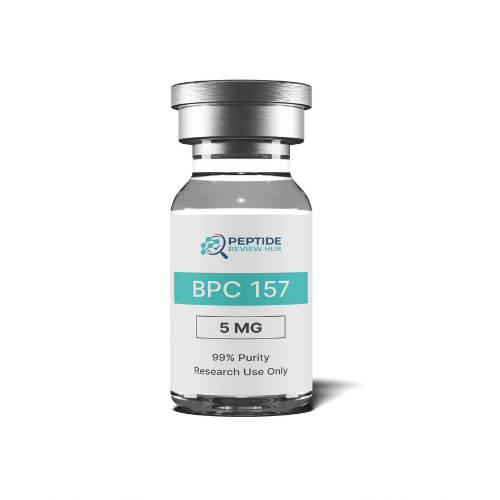
BPC 157
In the stomach of every man lies a substance more powerful than he knows. BPC-157 derives from this source - gastric juice, that most unpoetic of origins for what may prove a considerable discovery. The synthetic version contains fifteen amino acids arranged with the precision nature reserves for her most essential works. It endures where other peptides fail.
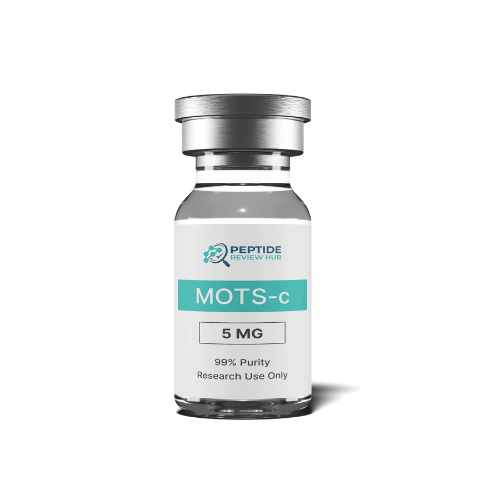
MOTS-c
The Mitochondrial-Derived Peptide MOTS-c promotes metabolic homeostasis and longevity, improves exercise capacity, reduces obesity, insulin resistance and other disease processes such as osteoporosis .
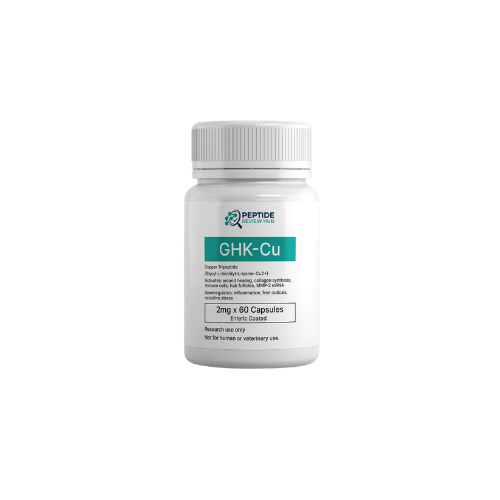
GHK-Cu
(2mg x 60 Capsules) (Copper Tripeptide) GHK-Cu is a small, naturally occurring peptide with the ability to attenuate inflammation, improve antioxidant responses, and improve gene expression on a large scale. Research shows that this copper-chelating peptide may be of critical importance both in the prevention of neurodegenerative disease and as a tool for exploring pathophysiological mechanisms. Studies in mice have revealed that GHK-Cu can protect against neurological insults, improve wound healing, reduce rates of infection, and boost blood vessel growth.
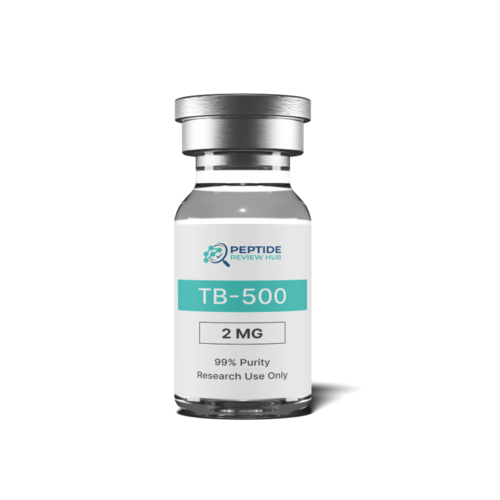
TB-500
Thymosin Beta-4 is a 43 amino acid peptide sequence. In animal models, Thymosin Beta-4 has been shown to improve blood vessel growth, regulate wound healing, decrease inflammation, and reduce oxidative damage in the heart and central nervous system. Thymosin-beta-4 has a role in protection, tissue repair, regeneration and remodeling of injured or damaged tissues. It is also of active interest in anti-aging research.