
Research Use Only. This compound is not intended for human consumption or therapeutic use.
Where to Buy ACE-031: Vendor Comparison & Research Info
ACE-031 is a synthetic protein made up of activin receptor type IIB and the immunoglobulin G1-Fc (IgG1-Fc). It binds to myostatin and related proteins within muscle, rendering them inactive. Research shows it to be useful in stabilizing muscle mass and strength in both primary muscle-wasting disorders and neuromuscular conditions.
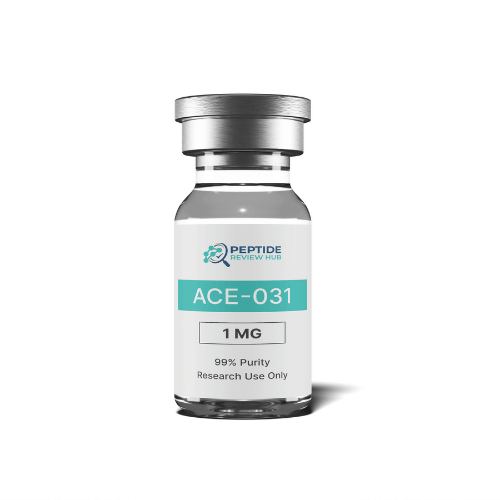
What is ACE-031?
Product Usage: This PRODUCT IS INTENDED AS A RESEARCH CHEMICAL ONLY. This designation allows the use of research chemicals strictly for in vitro testing and laboratory experimentation only. All product information available on this website is for educational purposes only. Bodily introduction of any kind into humans or animals is strictly forbidden by law. This product should only be handled by licensed, qualified professionals. This product is not a drug, food, or cosmetic and may not be misbranded, misused or mislabeled as a drug, food or cosmetic.
ACE-031 Overview
ACE-031 is a soluble form of the type IIB activin receptor (ACVR2B), which is a potent regulator of muscle growth in vivo. Myostatin, a negative regulator of muscle growth, is bound by ACVR2B and subsequently inactivated. Research in mouse models shows that knocking out the activin receptor boosts mass in all muscle cells. As a result of this connection, ACE-031 has been investigated in several clinical trials as a potential treatment for muscle-wasting diseases like Duchenne muscular dystrophy (DMD). Activin receptors also play important roles in the development of gametocytes, particularly sperm. The receptor is also often found to be inactivated in prostate cancer and is damaged or dysfunctional in several different types of colorectal cancer.
ACE-031 Structure
Sequence: Not Available
PubChem SID: 135293965
CAS Number: 1169766-01-1
Synonyms: Ramatercept, ActRIIB-IgG1, ACVR2B/Fc
What Is ACE-031?
ACE-031 is a soluble form of the activin type IIB receptor and is known to bind to myostatin and neutralize its effects. Myostatin is a protein, produced by muscle cells, that inhibits both hypertrophy and hyperplasia of skeletal muscle. ACE-031 also likely has effects on bone metabolism, fat storage, and the health of sperm.
ACE-031 Research
ACE-031 Research and Muscle Protection After Menopause
ACE-031 was tested in a small clinical trial to determine if it could help to maintain muscle mass in postmenopausal, healthy women. Maintaining muscle is critical to long-term bone health and helps to reduce the rate of joint injuries, falls, etc. in both men and women as they age. In a small placebo-controlled trial, ACE-031 produced significant increases in both lean body mass and thigh muscle volume after just a single dose. Results were observed 29 days after the injection. The study was particularly interesting because a secondary, unexpected outcome was observed. Trials participants receiving ACE-031 showed improvement in serum biomarkers of both bone and fat metabolism. This suggests that ACE-031, while primarily associated with muscle growth, likely inhibits fat storage and boosts bone production.
ACE-031 May Be Necessary for Maximum Muscle Cell Growth
Research in mice indicates that maximal skeletal muscle growth can only be attained with a myostatin inhibitor like ACE-031. Furthermore, it appears that blockade of myostatin by multiple avenues is most beneficial. While these findings are preliminary, they suggest that maximum muscle protection in muscle-wasting conditions might require a multifaceted approach utilizing therapies that both boost growth (growth hormone, IGF-1) and reduce muscle wasting (ACE-031).
ACE-031 Research and Energy Metabolism
Research in mice suggests that myostatin may negatively affect muscle energy metabolism. In other words, too much myostatin leads to extreme muscle fatigue. Blocking the effects of the natural version of ACE-031 in mice leads to elevated serum lactate levels and severe metabolic damage to muscles. It also leads to reduction in the number of blood vessels serving muscle tissue. Supplementing with ACE-031 there not only promotes muscle growth via inhibition of myostatin, it also improves oxidative capacity of muscle, which protects against fatigue and the negative effects of free radical production.
ACE-031 Research and Strength
There appears to be more to the ability of ACE-031 to improve muscle function than inhibition of myostatin. Research in mice indicates that ACE-031 can improve force-generating capacity in muscle tissue, in part by preserving energy supply and shifting muscle thermodynamics toward oxidative respiration. In the mice, administration of ACE-031 improved maximum and total contractile force by 40% and 25% respectively. There was no overall change in fatigue of muscle though, indicating that ACE-031 improves muscle strength without affecting energy dynamics. The research revealed no changes in ATP homeostasis or contractile efficiency.
ACE-031 Tested in Clinical Trials for Muscle Repair
Duchenne muscular dystrophy (DMD) is an x-linked recessive condition characterized by severe muscle loss. It generally leads to an inability to walk by age 12 with muscles that are lacking in protein content but that are exceptionally high in fat content. Due to a dysfunctional dystrophin protein, muscle cells in DMD are weak and prone to damage. Though this is the primary cause of the disease, a secondary effect occurs when myostatin leaks from damaged muscle cells and slows or inhibits growth in other cells. Gene therapy to address the dystrophin dysfunction has so far proved untenable, but there is currently hope that ACE-031 can slow the muscle damage by reducing the secondary impact caused by myostatin.
In a recent clinical trial, subcutaneous injection of ACE-031 every 2-4 weeks resulted in a trend toward maintenance of the 6-minute walk test, indicating that the peptide preserves muscle function. There was also a trend toward increased lean body mass, improve bone mineral density, and reduced fat mass. These latter two findings correlate well with other studies of ACE-031 that suggest it has positive effects on bone and fat metabolism.
ACE-031 Research and Bone Density
In a mouse model of DMD, ACE-031 was administered just once per week for seven weeks. At the end of the trial, the mice receiving ACE-031 had significantly increased total body and muscle weight as well as improved bone mineral density. The latter effect appears to be a result of decreased numbers of osteoclasts, cells responsible for breaking down bone. The increased mass wasn’t simply incidental either, strength testing indicates that the enhanced mineralization improved the biomechanics of the bone and boosted both the maximum force the bones could tolerate as well as the stiffness of the bones.
Though the trial was designed to investigate muscle effects of ACE-031 and yielded very positive results in this primary outcome measure, the team was smart to follow up on the observed bone effects as well. These effects have been observed in trials before, but never objectively measured. This trial puts numbers to the observations, showing that ACE-031 increased bone mass by upwards of 30% in the treated mice. This suggests that the molecule should be explored as a potential treatment for osteoporosis. The fact that it boosts muscle strength and bone density while reducing fat deposits makes ACE-031 a very tantalizing molecule to explore for treating the physiologic effects of aging.
Image showing bone density of vertebrae in controls (A) versus mice given ACE-031 (B). There is a significant difference in bone mass.
That ACE-031 has unique effects on bone that are separate from its effects on muscle was confirmed in another mouse trial in which mice were given either ACE-031, a strict myostatin inhibitor, or placebo. Results showed that while ACE-031 and the myostatin inhibitor both boosted muscle mass, only ACE-031 improved bone density. The results were substantial as well, with a 132% increase in bone density in the femur (a bone prone to damage in elderly populations) and a 27% increase in density in vertebrae. These findings of course suggest that ACE-031 is binding to something in addition to myostatin.
Cancer Treatment and Muscle Loss
Cancer and chemotherapy are both contributors to muscle loss. Research shows that both activate signaling pathways that lead to muscle cell death and necrosis. Both conditions also lead to changes in oxidative respiration, which puts metabolic stress on muscle cells. These negative effects are in addition to the increased production of free radicals that both cancer and chemotherapy cause, an indirect cause of muscle damage.
Treatment with ACE-031 in cell culture models prevents activation of the ERK1/2 pathway in muscle cells, which prevents muscle fiber atrophy via programmed cell death. As discussed above, ACE-031 also preserves mitochondrial function in muscles and boosts muscle fiber energy efficiency. This, of course, helps to offset the negative metabolic effects of cancer and chemotherapy by improving energy usage in a setting of scant nutrition when the body robs Peter to pay Paul. Improved energy usage also reduces the number of free radicals that are generated during metabolism. Researchers have called for testing ACE-031 in combination with anticancer drugs to determine how effective the combination can be in preventing chemotherapy-induced muscle atrophy.
It is important to note as well that some cancers produce myostatin themselves and that ACE-031 is a potential treatment for preventing muscle wasting in this setting. Research in cell culture shows that ACE-031 prevents muscle cell wasting via myostatin. Cancer cells appear to have several direct effects on muscle function, including inactivation of the natural version of ACE-031 as well as reducing the number of mitochondria (and thus energy production) in muscle cells
Image showing bone density of vertebrae in controls (A) versus mice given ACE-031 (B). There is a significant difference in bone mass.
The benefits of ACE-031 in cancer are not strictly related to muscle composition, strength, and lean body mass. It is clear that reducing muscle loss in the setting of cancer and cancer treatment prolongs lifespan markedly. Additionally, inactivating myostatin in the setting of cancer improves insulin sensitivity, reduces fat deposition (lipodystrophy), reduces inflammation, and boosts both bone strength and rates of healing following fracture.
ACE-031 exhibits minimal side effects, low oral and excellent subcutaneous bioavailability in mice. Per kg dosage in mice does not scale to humans. ACE-031 for sale at peptide Review hub is limited to educational and scientific research only, not for human consumption. Only buy ACE-031 if you are a licensed researcher.
Article Author
The above literature was researched, edited and organized by Dr. Logan, M.D. Dr. Logan holds a doctorate degree from Case Western Reserve University School of Medicine and a B.S. in molecular biology.
Scientific Journal Author
Dr. Attie joined Acceleron in December 2009, and brings over 20 years of experience in the biotech industry and academic research. Previously, he was at Altus Pharmaceuticals, where he was Vice President of Clinical Development and Medical Affairs. Before that, Dr. Attie was Chief Medical Officer at Insmed, where he was responsible for obtaining FDA approval and commercialization of an IGF-1-related product. Prior to that, Dr.Attie held numerous positions during his 12-year tenure at Genentech, where he was responsible for several phase I-IV studies and participated in 9 FDA submissions for growth hormone. Dr. Attie was Assistant Clinical Professor of Pediatrics at the University of California San Francisco Medical Center, is board-certified in Pediatrics and Pediatric Endocrinology, and has over 40 publications in peer-reviewed journals. He received his M.D. degree from New York University Medical Center and received his B.A. (in Music) from the University of Michigan, Ann Arbor.
Dr. Attie is being referenced as one of the leading scientists involved in the research and development of ACE-031. In no way is this doctor/scientist endorsing or advocating the purchase, sale, or use of this product for any reason. There is no affiliation or relationship, implied or otherwise, between Peptide Review Hub and this doctor. The purpose of citing the doctor is to acknowledge, recognize, and credit the exhaustive research and development efforts conducted by the scientists studying this peptide. Dr. Attie is listed in under the referenced citations.
Where to Buy ACE-031 Online
| Action | ||||||
|---|---|---|---|---|---|---|
1 |  Pure Peptide Labs Verified | 5.0/10 Editorial Rating | $79.95 10mg vial | $8.00/mg | In Stock | Visit Site |
2 | N/A/10 Editorial Rating | $44.95 1mg vial | $44.95/mg | In Stock | Visit Site | |
3 | N/A/10 Editorial Rating | $79.00 1mg vial | $79.00/mg | In Stock | Visit Site |


Top-Ranked Vendor
Pure Peptide Labs Review
Overall Score: 8.8/10
Score Breakdown
COA Transparency: 9/10
Reputation: 8/10
Pricing: 8/10
Policies: 9/10
Shipping: 9/10
Catalog: 9/10
COA Transparency
Score: 9/10
Testing Documentation & Verification
Pure Peptide Labs places a strong emphasis on transparency and independent testing. The company publishes batch records and promotes independent U.S. laboratory testing for its research compounds.
One notable feature is its public batch-record system, allowing customers to review testing information before purchasing. The company states that every batch is independently tested and maintains access to current and historical reports.
The emphasis on publicly available testing data provides stronger transparency than many suppliers operating within the research-peptide market.
Assessment
Testing documentation and public batch verification are major strengths that help establish customer confidence.
Reputation
Score: 8/10
Customer Feedback & Online Presence
Pure Peptide Labs has developed a professional presence focused on research-grade compounds and quality assurance. The company positions itself as a Texas-based operation serving laboratory researchers and institutions.
Its transparency initiatives, detailed product information, and emphasis on customer service contribute positively to credibility. While the company appears relatively new compared with some established competitors, its quality-first approach supports a favorable reputation profile.
Assessment
Professional operations and testing transparency contribute positively to the company's growing reputation.
Pricing
Score: 8/10
Product Value & Cost Competitiveness
Pure Peptide Labs offers competitive pricing across a broad catalog of peptides and research compounds.
Volume-discount programs improve value for larger orders, with automatic discounts available for bulk purchases. Additional incentives such as loyalty rewards and promotional offers further enhance overall value.
Assessment
Pricing is competitive and becomes particularly attractive for repeat customers and larger research purchases.
Policies
Score: 9/10
Customer Protection & Transparency
The company provides detailed policy information regarding shipping, research-use requirements, support expectations, and purchasing guidelines.
Pure Peptide Labs clearly states that products are intended for laboratory research only and maintains extensive guidance regarding ordering, support, and fulfillment. The company's policies are generally presented in a straightforward and easy-to-understand format.
One drawback is that all sales are generally considered final, which may limit flexibility for some customers.
Assessment
Strong policy transparency and clear operational guidelines help create a professional purchasing experience.
Shipping
Score: 9/10
Delivery Coverage & Fulfillment
Shipping is one of the company's strongest operational areas. Pure Peptide Labs promotes same-day shipping on eligible orders, tracked delivery services, and free domestic shipping.
Fast fulfillment, shipment tracking, and well-organized logistics contribute positively to customer satisfaction. The company also emphasizes reliable packaging and efficient order handling.
Assessment
Reliable fulfillment and fast domestic shipping are key strengths.
Catalog
Score: 9/10
Product Selection & Inventory Depth
Pure Peptide Labs maintains an extensive product catalog covering many major peptide-research categories.
Metabolic Research Products
Tirzepatide
Semaglutide
Cagrilintide
Mazdutide
Survodutide
Recovery & Regenerative Peptides
BPC-157
TB-500
ARA-290
GHK-Cu
LL-37
Growth Hormone Research Products
CJC-1295
Ipamorelin
Sermorelin
Tesamorelin
HGH Fragment 176-191
Longevity & Cellular Research
MOTS-c
NAD+
Epitalon
SS-31
Pinealon
Cognitive & Specialty Research Products
Selank
Semax
DSIP
P21
VIP
Assessment
The catalog is well-rounded and includes both mainstream and specialty research compounds, supporting a wide range of laboratory research applications.
What We Like
Strengths
Independent laboratory testing.
Public batch-record access.
Strong transparency standards.
Same-day shipping options.
Free domestic shipping.
Broad compound selection.
Loyalty rewards program.
Bulk-order discounts.
Texas-based support team.
Professional website and documentation.
What Could Be Better
Areas for Improvement
Limited long-term operating history.
All-sales-final structure may not suit every buyer.
More independent customer reviews would strengthen credibility.
Additional manufacturing details could improve transparency.
Expanded educational resources for researchers.
Online Ratings & Reviews
Key Positive Themes
Testing transparency.
Fast shipping.
Product quality.
Public batch records.
Helpful customer service.
Key Negative Themes
Limited company history.
Final-sale policy concerns.
Smaller review footprint than established competitors.
Overall Public Sentiment
Overall sentiment appears positive, particularly among buyers who value transparency, public testing records, and fast fulfillment.
Most Common Praise
Independent testing.
Batch verification.
Fast shipping.
Product consistency.
Customer support.
Most Common Concerns
Limited operating history.
More third-party reviews desired.
Final-sale purchasing policy.
Brand Overview
Company Name
Pure Peptide Labs
Industry
Research Peptides, Biotechnology Products & Laboratory Research Compounds
Main Products
Tirzepatide
Semaglutide
Cagrilintide
BPC-157
TB-500
MOTS-c
Epitalon
Selank
Semax
Tesamorelin
Headquarters
Texas, United States
Shipping Regions
Primarily United States
Payment Methods
Credit Cards
Debit Cards
ACH Payments
Standard Online Checkout Methods
Company Summary
Pure Peptide Labs is a U.S.-based supplier specializing in research peptides and laboratory compounds. The company differentiates itself through public batch records, independent laboratory testing, and a strong emphasis on transparency.
Its catalog includes metabolic, regenerative, longevity, cognitive, and growth-hormone-related compounds. Combined with same-day shipping, loyalty incentives, and accessible testing documentation, the company offers a professional sourcing experience for research customers.
Final Verdict
Pure Peptide Labs stands out for its commitment to public testing documentation, independent laboratory verification, and reliable shipping performance. The availability of batch records and transparent quality-control practices gives it a meaningful advantage over many competitors.
Its strongest advantages include testing transparency, fast fulfillment, product variety, and customer-focused service. While a longer operating history and broader independent review base would further strengthen credibility, Pure Peptide Labs presents a strong overall option for research-focused buyers.
Final Rating: 8.8/10
Chemical Properties & Handling
Standard storage protocols for lyophilized peptides generally apply unless otherwise specified.
- Lyophilized (Powder): Store at -20°C for up to 3 years. Keep away from direct light and moisture.
- Reconstituted (Liquid): Store at 2-8°C (refrigerated) and use within 20-30 days to maintain stability.
Research Reviews
No Research Reviews Yet
Be the first to share your research protocol and vendor experience with ACE-031.
Best ACE-031 Vendors & Price Comparison
ACE-031 is a highly specialized research peptide and soluble activin receptor construct that has generated significant interest in studies involving myostatin inhibition, muscle biology, bone metabolism, body composition, and muscle-wasting disorders. Researchers have investigated ACE-031 for its ability to bind and neutralize myostatin-related signaling pathways, making it a valuable tool for studying skeletal muscle growth, lean body mass regulation, and musculoskeletal health.
As interest in myostatin-related research expands, researchers frequently compare ACE-031 vendors based on product purity, analytical testing, pricing, supplier transparency, and overall quality assurance.
This ACE-031 Vendor Price Comparison Guide helps researchers evaluate suppliers using objective criteria including:
Product Pricing
Cost Per Milligram
Product Purity
Certificate of Analysis (COA)
Third-Party Testing
Vendor Reputation
Customer Reviews
Shipping Performance
Product Availability
Overall Value
Whether you're seeking the lowest-priced ACE-031 vendor, suppliers with extensive analytical documentation, or highly rated peptide companies, this guide provides a framework for informed vendor comparison.
Explore ACE-031 Vendors by Criteria
Most Popular ACE-031 Vendors
Compare suppliers commonly used by researchers studying muscle growth, myostatin biology, and regenerative signaling pathways.
Highest Reviewed ACE-031 Vendors
Discover vendors with strong customer reviews and positive community feedback.
Lowest Price ACE-031 Vendors
Identify suppliers offering competitive pricing and attractive cost-per-milligram value.
Highest Purity ACE-031 Vendors
Review suppliers providing transparent purity testing and extensive analytical verification.
Best Value ACE-031 Vendors
Compare purity, testing standards, shipping reliability, and customer support alongside pricing.
Fastest Shipping ACE-031 Vendors
Evaluate fulfillment speed, packaging standards, and delivery performance.
Newly Listed ACE-031 Vendors
Explore recently added suppliers offering ACE-031 research products.
What Is ACE-031?
Overview
ACE-031 is a soluble form of the Activin Type IIB Receptor (ActRIIB / ACVR2B) designed to bind and neutralize proteins involved in myostatin and activin signaling.
Researchers have investigated ACE-031 because of its ability to influence pathways associated with:
Skeletal muscle growth
Muscle preservation
Body composition
Bone metabolism
Energy regulation
Muscle-wasting disorders
Regenerative biology
Its activity has made it an important experimental tool for understanding how myostatin regulates muscle development and maintenance.
Molecular Characteristics
Compound Information
Researchers evaluating ACE-031 products should carefully review available molecular specifications and testing documentation.
Peptide Name
ACE-031
Alternative Names
Ramatercept
ActRIIB-IgG1
ACVR2B/Fc
CAS Number
1169766-01-1
PubChem SID
135293965
Classification
Activin Receptor Type IIB Fusion Protein
Research Category
Myostatin Signaling Modulator
Primary Research Target
ActRIIB / Myostatin Pathways
Why Researchers Compare ACE-031 Vendors
Research outcomes often depend on product quality and batch consistency.
Differences between suppliers may include:
Product purity
Manufacturing standards
Stability testing
Batch consistency
Formulation quality
Shipping and storage conditions
Identity verification
Analytical documentation
Choosing a vendor based solely on price may overlook critical quality-control considerations.
How We Compare ACE-031 Vendors
Third-Party Laboratory Testing
Independent analytical testing remains one of the strongest indicators of product quality.
Researchers should prioritize suppliers providing:
Third-party verification
Batch-specific reports
Identity confirmation
Purity analysis
Certificate of Analysis (COA)
A high-quality COA should include:
Batch number
Testing date
Purity results
Identity verification
Analytical methodology
Product Purity
Purity remains one of the most important variables when evaluating research peptides.
Suppliers offering transparent purity documentation generally provide greater confidence in product consistency.
Cost Per Milligram
Comparing total vial pricing alone may be misleading.
Cost Per Milligram Formula
Product Price ÷ Total Milligrams = Cost Per Milligram
This allows more accurate comparison across suppliers.
Customer Reviews
Customer feedback may provide useful information regarding:
Product consistency
Packaging quality
Shipping reliability
Customer support
Ordering experience
Vendor Reputation
Established suppliers often demonstrate:
Long-term industry experience
Transparent testing practices
Reliable inventory management
Consistent quality standards
Current Research & Evidence
Myostatin Inhibition Research
ACE-031 is primarily studied because of its interactions with myostatin signaling pathways.
Myostatin functions as a natural regulator of skeletal muscle growth. Researchers continue investigating how modulation of these pathways affects muscle size, maintenance, and adaptation.
Muscle Biology Research
Experimental studies have examined ACE-031 in areas including:
Muscle hypertrophy
Muscle preservation
Skeletal muscle physiology
Lean body mass regulation
Regenerative muscle biology
These studies have contributed significantly to current understanding of muscle-growth regulation.
Muscle-Wasting Disease Research
ACE-031 has been investigated in experimental settings involving:
Duchenne muscular dystrophy research
Muscle degeneration pathways
Muscle recovery mechanisms
Age-related muscle loss studies
Researchers continue exploring the biological role of activin receptor signaling in these conditions.
Body Composition Research
Several studies have examined how myostatin-related pathways influence:
Lean body mass
Adipose tissue regulation
Metabolic efficiency
Physical function
This remains an active area of investigation.
Key Findings on ACE-031 Research
Skeletal Muscle Growth
One of the primary observations in ACE-031 research is the relationship between ActRIIB signaling blockade and increases in lean muscle mass.
Researchers continue investigating the biological mechanisms underlying these changes.
Lean Body Mass Research
Clinical and preclinical models have demonstrated measurable effects on lean body mass markers following modulation of activin receptor signaling pathways.
Bone Metabolism Research
Research suggests ACE-031 may influence pathways beyond skeletal muscle.
Studies have investigated relationships between ACE-031 and:
Bone mineral density
Bone remodeling
Skeletal strength
Bone metabolism markers
These findings remain an important area of ongoing investigation.
Fat Metabolism Research
Experimental observations have suggested possible links between activin receptor signaling and body composition regulation.
Researchers continue to examine whether these pathways influence:
Fat storage
Adipose tissue biology
Energy balance
Metabolic signaling
Energy Metabolism Research
Research models have explored interactions between ACE-031 and:
Oxidative metabolism
Muscle endurance biology
Cellular energy utilization
Mitochondrial function
These studies continue to expand understanding of skeletal-muscle physiology.
Research Limitations
Despite promising findings, many ACE-031 investigations remain preclinical or exploratory.
Results observed in laboratory and animal models should not be interpreted as evidence of approved therapeutic applications in humans.
Product Quality & Analytical Testing
Why Testing Matters
Research-grade ACE-031 products should undergo verification to confirm:
Identity
Purity
Stability
Potency
Batch consistency
Common Testing Methods
High-Performance Liquid Chromatography (HPLC)
Used to evaluate purity and identify impurities.
Mass Spectrometry (MS)
Used to verify molecular identity and expected molecular weight.
Protein Characterization Testing
Used to confirm structural and functional integrity.
Stability Testing
Evaluates product integrity under specified storage conditions.
Batch Consistency Testing
Measures consistency across manufacturing lots.
Understanding ACE-031 Pricing
Several factors influence ACE-031 pricing across vendors.
Product Complexity
As a large biologic fusion protein, ACE-031 generally requires more complex manufacturing than many short-chain peptides.
Purity Standards
Products with higher documented purity frequently command premium pricing.
Third-Party Testing
Comprehensive analytical verification improves transparency but increases production costs.
Manufacturing Standards
Strict quality-control procedures can significantly influence pricing.
Vendor Reputation
Well-established suppliers often charge more due to their quality assurance processes and testing programs.
ACE-031 Vendor Evaluation Checklist
Quality Verification
✅ Third-party testing available
✅ Certificate of Analysis provided
✅ Identity verification documented
✅ Purity information disclosed
✅ Batch-specific testing
Vendor Reliability
✅ Strong customer reviews
✅ Transparent company information
✅ Responsive support team
✅ Consistent inventory availability
Purchasing Experience
✅ Secure checkout process
✅ Tracking available
✅ Clear refund policy
✅ Reliable fulfillment
Red Flags When Comparing ACE-031 Vendors
Testing Concerns
❌ Missing COAs
❌ No third-party testing
❌ Unverified purity claims
❌ Outdated analytical reports
Transparency Issues
❌ Hidden specifications
❌ Missing batch numbers
❌ Limited documentation
❌ No company contact information
Service Problems
❌ Frequent stock shortages
❌ Negative customer reviews
❌ Poor communication
❌ Unclear shipping policies
How to Choose the Best ACE-031 Vendor
Prioritize Testing Quality
Look for suppliers providing third-party purity verification and detailed Certificates of Analysis.
Compare Overall Value
Balance pricing against purity, testing documentation, and customer support.
Review Analytical Reports
Verify batch-specific testing information before purchasing.
Evaluate Supplier Reputation
Choose vendors with strong reputations for consistency and transparency.
Match Products to Research Goals
Select suppliers that provide the documentation and quality standards appropriate for your laboratory requirements.
Frequently Asked Questions
What is ACE-031?
ACE-031 is a soluble Activin Type IIB receptor fusion protein studied for its ability to modulate myostatin and activin signaling pathways.
What is ACE-031 used for in research?
Researchers investigate ACE-031 in studies involving muscle biology, body composition, muscle preservation, bone metabolism, and myostatin signaling.
Why compare ACE-031 vendors?
Purity, testing standards, analytical documentation, pricing, and product consistency may vary substantially between suppliers.
What should I review before purchasing?
Researchers should review:
Certificate of Analysis
Product purity
Third-party testing
Batch verification
Vendor reputation
Customer reviews
Why is third-party testing important?
Independent testing helps verify identity, purity, and consistency while improving transparency.
Is the cheapest vendor always the best choice?
No. Product quality, testing documentation, and supplier reliability are often more important than price alone.
How often should vendor comparisons be updated?
Pricing, product availability, testing reports, and supplier policies can change frequently and should be reviewed regularly.
Final Thoughts
ACE-031 remains one of the most intriguing research compounds in the field of myostatin inhibition, muscle biology, skeletal health, and regenerative science. Its unique mechanism involving activin receptor signaling has led to extensive investigation of muscle development, body composition, bone metabolism, and muscle-preservation pathways.
When comparing ACE-031 vendors, researchers should focus on purity verification, analytical testing, COA availability, supplier reputation, and overall value instead of relying solely on price. Careful vendor evaluation helps ensure consistent quality and reliable research outcomes.
Current Research & Evidence
Research evidence for ACE-031 has not yet been added.
Key Findings on ACE-031 Use
Key findings for ACE-031 have not yet been added.
Related Peptides in Peptide
BPC 157
In the stomach of every man lies a substance more powerful than he knows. BPC-157 derives from this source - gastric juice, that most unpoetic of origins for what may prove a considerable discovery. The synthetic version contains fifteen amino acids arranged with the precision nature reserves for her most essential works. It endures where other peptides fail.
MOTS-c
The Mitochondrial-Derived Peptide MOTS-c promotes metabolic homeostasis and longevity, improves exercise capacity, reduces obesity, insulin resistance and other disease processes such as osteoporosis .
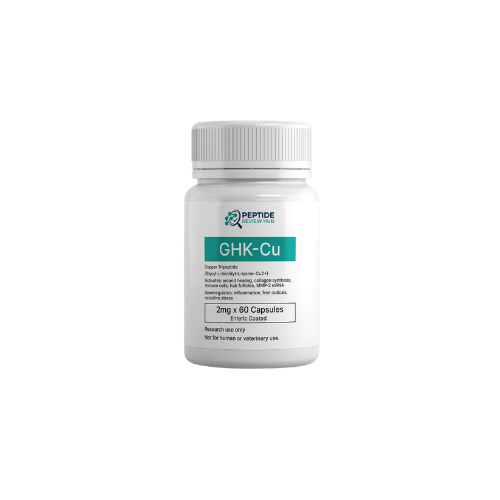
GHK-Cu
(2mg x 60 Capsules) (Copper Tripeptide) GHK-Cu is a small, naturally occurring peptide with the ability to attenuate inflammation, improve antioxidant responses, and improve gene expression on a large scale. Research shows that this copper-chelating peptide may be of critical importance both in the prevention of neurodegenerative disease and as a tool for exploring pathophysiological mechanisms. Studies in mice have revealed that GHK-Cu can protect against neurological insults, improve wound healing, reduce rates of infection, and boost blood vessel growth.
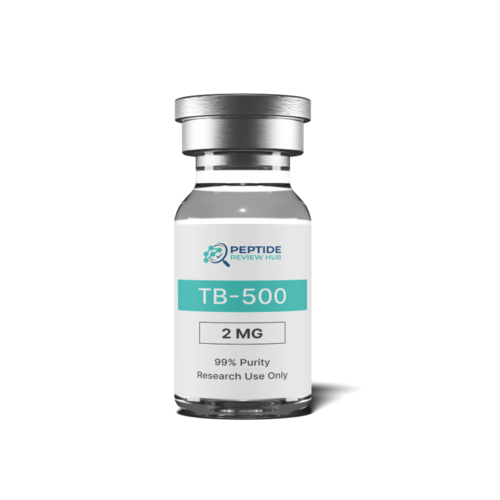
TB-500
Thymosin Beta-4 is a 43 amino acid peptide sequence. In animal models, Thymosin Beta-4 has been shown to improve blood vessel growth, regulate wound healing, decrease inflammation, and reduce oxidative damage in the heart and central nervous system. Thymosin-beta-4 has a role in protection, tissue repair, regeneration and remodeling of injured or damaged tissues. It is also of active interest in anti-aging research.