Research Use Only. This compound is not intended for human consumption or therapeutic use.

ProductsPeptideMelanotan 2
Peptide

Where to Buy Melanotan 2: Vendor Comparison & Research Info

Melanotan 2 (MT-2) is a synthetic version of human alpha-melanocyte-stimulating hormone (α-MSH). It was originally developed in the 1980s, at the University of Arizona, after it was found that α-MSH caused sexual arousal in rodents as well as darkening of the skin. Originally designed as a sunless tanning option, MT-2 was eventually found to have a wide range of effects such as:

44Vendors Listed
Lowest Price:$18.00
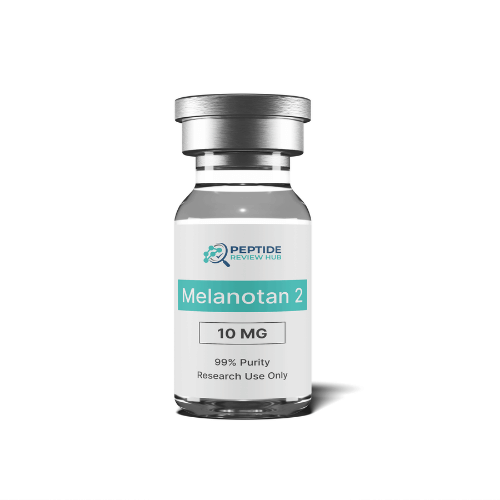
Melanotan 2

What is Melanotan 2?

This PRODUCT IS INTENDED AS A RESEARCH CHEMICAL ONLY. This designation allows the use of research chemicals strictly for in vitro testing and laboratory experimentation only. All product information available on this website is for educational purposes only. Bodily introduction of any kind into humans or animals is strictly forbidden by law. This product should only be handled by licensed, qualified professionals. This product is not a drug, food, or cosmetic and may not be misbranded, misused or mislabled as a drug, food or cosmetic.

What Is Melanotan 2 (MT-2)?

Melanotan 2 (MT-2) is a synthetic version of human alpha-melanocyte-stimulating hormone (α-MSH). It was originally developed in the 1980s, at the University of Arizona, after it was found that α-MSH caused sexual arousal in rodents as well as darkening of the skin. Originally designed as a sunless tanning option, MT-2 was eventually found to have a wide range of effects such as:

Melanotan 2 Peptide Structure

Peptide Sequence: Nle-Asp(1)-His-D-Phe-Arg-Trp-Lys(1) Molecular Formula: C50H69N15O9 Molecular Weight: 1024.198 g/mol PubChem CID: 92432 CAS Number: 121062-08-6

Melanotan 2 Research

Melanotan 2 and Melanocortin Signaling

Melanotan 2 produces its effects by binding with melanocortin receptors. There are five known melanocortin receptors, each with different function. MT-2 is known to bind primarily to MC-4R and MC-1R, but also binds weakly to MC-3R.

Melanotan 2 and Autism

The newest research finding for MT-2 indicates that the peptide can reverse certain autistic features in a commonly used mouse model of autism spectrum disorder (ASD). There is no treatment for the condition, but recent search has indicated that oxytocin therapy may be useful in mitigating some of the behavioral problems associated with ASD. Using a mouse model of maternal immune activation known to lead to autism, researchers investigated whether MT2, which is known to stimulate oxytocin release, could counteract ASD or reduce common ASD behaviors. Their research revealed that administration of MT-2 reverses the decreased communication, impaired social interaction, and repetitive behaviors associated with autism in this particular model. In fact, the researchers found that MT-2 administration increased the expression of oxytocin receptors in specific parts of the brain, suggesting a direct correlation between oxytocin signaling in those areas and ASD-specific behaviors[1].

Impact of MT-2 on sociability in rats with ASD (MIA) showing that MT-2 returns sociability ratings to near the baseline of control animals (C57).

These findings not only suggest potential avenues for developing a treatment for ASD, they have helped to define a specific brain pathway that may be integral to the development of ASD in the first place. These findings could help scientists develop a complete model of ASD and thus both treatments and preventative measures.

Melanotan 2 and Hunger

There is good evidence to suggest that MT-2 can reduce fat storage and hunger behavior in animal models. Researchers have found that the melanocortin-4 receptor (MC-4R) plays a role in food preferences and intake and that MT-2 is a potent agonist of MC-4R. Administration of MT-2 to mice causes significant reductions in how much food they consume, but also changes their preference for fatty foods. Mice given MT-2 ignore fatty foods, which they would otherwise prefer. Similarly, mice devoid of the MC-4R receptor consume fatty foods almost exclusively and are immune to the effects of MT-2[2].

The effects of MT-2 are similar to those of the hormone leptin, sometimes called the satiety hormone because it reduces cravings and food intake. Leptin, however, has never been useful in the treatment of obesity, even in individuals who are leptin deficient. This is likely because there are two pathways for satiety, called leptin-dependent and leptin-independent pathways. Research suggests MT-2 is more effective in stimulating both pathways and thus may be a more effective exogenous treatment for reducing hunger[3], [4]. This latter finding has been bolstered by the discovery that thyrotropin-releasing hormone (TRH) gene expression, which has long been known to play a role in the leptin-satiety pathway, is also affected by MC-4R stimulation[5]. Both MT-2 and leptin are thought to cause an increase in TRH expression in the paraventricular nucleus of the hypothalamus, a region of the brain associated with satiety and food intake, but only MT-2 crosses into the central nervous system in concentrations high enough to have an effect on TRH expression.

Melanotan 2 and Diabetes

The pathogenesis of diabetes is defined by high blood sugar levels, hypersecretion of glucagon, and the production of ketone bodies[6]. It has been known for some time that leptin counteracts these factors by increasing the uptake of glucose, suppressing glucagon production, and interfering with the pathway that leads to ketone body formation. These actions do not depend on insulin and thus leptin signaling is being actively investigated as an alternative means by which diabetes might be treated.

Research has revealed that leptin’s effects on blood sugar are regulated through melanocortin receptors and that MT-2 produces similar effects[7]. This is significant because leptin has its primary effects in the brain but does not cross the blood-brain barrier as readily as MT-2. Thus, exogenously administered leptin does not reach the CNS in substantial quantities, a fact that reduces its effectiveness as a drug and hands an advantage to MT-2 even though the effects of the two peptides on melanocortin receptors are nearly identical.

Melanotan 2, Impulse Control and Alcohol Intake

In keeping with the idea that MT-2 may affect oxytocin signaling and thus behavior in ASD, research also reveals that the MC-4R receptor may play a role in impulse control. Past studies in rats have shown that administration of MT-2 reduces alcohol intake and increases water intake even in rats that prefer alcohol[8]. More recently, research has revealed that melanotan-2 works synergistically (boosting efficacy more than seven-fold) with naltrexone to blunt binge-like ethanol intake

Percent of baseline alcohol consumption in mice treated with naltrexone or naltrexone and MT-2.

These findings suggest that MT-2 might not only be an effective treatment in alcohol-related disorders, but that the peptide is tapping into a more fundamental process of craving and desire in the mammalian brain. This research may open up pathways to a deeper understanding not just of alcohol abuse and hunger, but the role of oxytocin in impulsive behavior. It may even help researchers identify craving pathways and advance our understanding of human motivation in aspects of life ranging from work to relationships.

Melanotan 2 and Erectile Dysfunction

Erectile dysfunction (ED) is often attributed to vascular issues and can be effectively treated in a majority of men via sildenafil (Viagra) and other drugs that improve blood flow by reducing vascular resistance. Not all ED is due to vascular issues, however, and so sildenafil and similar drugs are ineffective in a small percentage of men and in the vast majority of women who suffer from hypoactive sexual desire disorder. It has long been known that MT-2 is an effective treatment for ED, but research suggests that it may have more wide-ranging application than drugs like sildenafil due to its actions in the central nervous system. In a study of men who had failed treatment with Viagra, eighty percent responded to MT-2 treatment[10]. MT-2 has been actively investigated in the past as a treatment for both male and female sexual desire disorders.

Melanotan 2 Impacts Wakefulness

We don’t understand a great deal about sleep and arousal, except that the regulation of consciousness is a complicated part of higher brain function. Research has revealed, however, that several different populations of neurons in the brain are critical to different aspects of arousal such as sleep onset, depth of consciousness, duration of sleep, and more. The paraventricular nucleus of the hypothalamus is one area of the brain that regulates arousal in response to stress, social interaction, feeding, and other cues.

Research using mice shows that stimulation with melanotan 2 increases arousal via interaction with neuronal fibers of the paraventricular nucleus. In fact, stimulation of this pathway can lead to immediate transition to wakefulness from both NREM and REM sleep[13]. Further research in this area may uncover how to improve sleep and enhance concentration via the melanocortin system, making peptides like melanotan 2 potential nootropics.

Melanotan 2 and Alzheimer's Disease

Past research has shown that activation of pro-opiomelanocortin (POMC)-derived neuropeptide can rescue some of the synaptic dysfunction that is caused by the neurofibrillary (amyloid) tangles that arise in Alzheimer’s Disease. POMC-derived neuropeptide can be activated by melanocortin receptors, so mouse models were employed to investigate whether melanotan 2 could be useful in this setting. This research showed that melanotan 2 substantially reduces amyloid accumulation and prominently reduces the A1 subtype of reactive astrocytes. This latter fact is important because A1 astrocytes are thought to be a primary driver of neurotoxicity and neuron death in Alzheimer’s Disease[14]. These findings suggests that melanocortin activation may be a potential therapeutic target in Alzheimer’s Disease. This represents a novel pathway for investigating Alzheimer’s Disease treatment and may similarly provide a means of mitigating neurotoxicity in other degenerative brain diseases.

MT-2 Research

MT-2 is a heavily researched peptide, particularly regarding human behavior, sexual desire, and impulse control. The peptide, in various forms, has been investigated in clinical trials, though problems with routes of administration have forced scientists back to the drawing board. There is active and ongoing research into the benefits of this particular peptide.

MT-2 exhibits minimal to moderate side effects, low oral and excellent subcutaneous bioavailability in mice. Per kg dosage in mice does not scale to humans. MT-2 for sale at         peptide Review hub is limited to educational and scientific research only, not for human consumption. Only buy MT-2 if you are a licensed researcher.

Scientific Journal Author

Dr. Wessells is a UW professor, chair of the Department of Urology, and has served on several national and international professional and government committees, including the WHO International Consultations on Erectile and Sexual Dysfunction, an NIDDK working group on urological complications of diabetes, and a NIH symposium on diabetes. He is a surgeon, researcher and expert on urogenital trauma and erectile dysfunction. His clinical interests include reconstructive surgery of the genitourinary tract, acute injury management and complex surgery for male sexual dysfunction.  His research interests are in urogenital trauma epidemiology and management; the physiology and pathophysiology of erectile dysfunction; reconstructive surgery; crash injury mechanics; and urological complications of diabetes. A proerectile melanocortin agonist developed by Dr. Wessells and his collaborators at the University of Arizona is in clinical trials for the treatment of erectile dysfunction.

Dr. Wessells is being referenced as one of the leading scientists involved in the research and development of Melanotan 2. In no way is this doctor/scientist endorsing or advocating the purchase, sale, or use of this product for any reason. There is no affiliation or relationship, implied or otherwise, between  peptide Review Hub and this doctor. The purpose of citing the doctor is to acknowledge, recognize, and credit the exhaustive research and development efforts conducted by the scientists studying this peptide. Dr. Wessells is listed in [11] and [12] under the referenced citations.

Where to Buy Melanotan 2 Online

Action
1
Peptide Hubs
Peptide Hubs
Verified
9.1/10
Editorial Rating
$25.00
10mg vial
$2.50/mg
In Stock
Visit Site
2
9.0/10
Editorial Rating
$18.00
5mg vial
$3.60/mg
In Stock
Visit Site
3
9.0/10
Editorial Rating
$20.00
5mg vial
$4.00/mg
In Stock
Visit Site
4
9.0/10
Editorial Rating
$100.00
10mg vial
$10.00/mg
In Stock
Visit Site
5
8.9/10
Editorial Rating
$39.99
10mg vial
$4.00/mg
In Stock
Visit Site
6
8.9/10
Editorial Rating
$41.00
10mg vial
$4.10/mg
In Stock
Visit Site
7
8.9/10
Editorial Rating
$39.99
10mg vial
$4.00/mg
In Stock
Visit Site
8
8.9/10
Editorial Rating
$40.00
10mg vial
$4.00/mg
In Stock
Visit Site
9
8.9/10
Editorial Rating
$28.00
10mg vial
$2.80/mg
In Stock
Visit Site
10
8.9/10
Editorial Rating
$31.99
10mg vial
$3.20/mg
In Stock
Visit Site
11
8.9/10
Editorial Rating
$23.99
10mg vial
$2.40/mg
In Stock
Visit Site
12
8.9/10
Editorial Rating
$44.00
10mg vial
$4.40/mg
In Stock
Visit Site
13
8.9/10
Editorial Rating
$35.00
10mg vial
$3.50/mg
In Stock
Visit Site
14
8.8/10
Editorial Rating
$55.00
10mg vial
$5.50/mg
In Stock
Visit Site
15
8.8/10
Editorial Rating
$35.00
10mg vial
$3.50/mg
In Stock
Visit Site
16
8.8/10
Editorial Rating
$39.95
10mg vial
$4.00/mg
In Stock
Visit Site
17
8.8/10
Editorial Rating
$45.99
10mg vial
$4.60/mg
In Stock
Visit Site
18
8.7/10
Editorial Rating
$39.00
10mg vial
$3.90/mg
In Stock
Visit Site
19
8.7/10
Editorial Rating
$43.99
10mg vial
$4.40/mg
In Stock
Visit Site
20
8.6/10
Editorial Rating
$40.00
10mg vial
$4.00/mg
In Stock
Visit Site
21
8.4/10
Editorial Rating
$29.99
10mg vial
$3.00/mg
In Stock
Visit Site
22
8.3/10
Editorial Rating
$30.00
10mg vial
$3.00/mg
In Stock
Visit Site
23
8.3/10
Editorial Rating
$55.00
10mg vial
$5.50/mg
In Stock
Visit Site
24
Peptide Pros
Peptide Pros
Verified
8.2/10
Editorial Rating
$36.95
10mg vial
$3.70/mg
In Stock
Visit Site
25
7.8/10
Editorial Rating
$19.99
78mg vial
$0.26/mg
In Stock
Visit Site
26
7.5/10
Editorial Rating
$599.00
10mg vial
$59.90/mg
Out of Stock
Visit Site
27
7.2/10
Editorial Rating
$35.00
10mg vial
$3.50/mg
In Stock
Visit Site
28
7.0/10
Editorial Rating
$39.99
10mg vial
$4.00/mg
In Stock
Visit Site
29
7.0/10
Editorial Rating
$45.00
10mg vial
$4.50/mg
In Stock
Visit Site
30
7.0/10
Editorial Rating
$39.99
10mg vial
$4.00/mg
In Stock
Visit Site
31
6.6/10
Editorial Rating
$35.00
10mg vial
$3.50/mg
In Stock
Visit Site
32
6.6/10
Editorial Rating
$49.00
10mg vial
$4.90/mg
In Stock
Visit Site
33
6.0/10
Editorial Rating
$28.79
10mg vial
$2.88/mg
In Stock
Visit Site
34
5.5/10
Editorial Rating
$45.00
17mg vial
$2.65/mg
In Stock
Visit Site
35
5.5/10
Editorial Rating
$22.50
10mg vial
$2.25/mg
In Stock
Visit Site
36
4.5/10
Editorial Rating
$190.61
50mg vial
$3.81/mg
In Stock
Visit Site
37
4.2/10
Editorial Rating
$27.59
10mg vial
$2.76/mg
Out of Stock
Visit Site
38
4.0/10
Editorial Rating
$75.00
10mg vial
$7.50/mg
In Stock
Visit Site
39
4.0/10
Editorial Rating
$49.95
10mg vial
$5.00/mg
In Stock
Visit Site
40
4.0/10
Editorial Rating
$34.99
10mg vial
$3.50/mg
In Stock
Visit Site
41
3.2/10
Editorial Rating
$85.00
mg vial
$/mg
In Stock
Visit Site
42
3.0/10
Editorial Rating
$55.00
mg vial
$/mg
In Stock
Visit Site
43
2.5/10
Editorial Rating
$54.90
10mg vial
$5.49/mg
In Stock
Visit Site
44
2.0/10
Editorial Rating
$242.00
100mg vial
$2.42/mg
In Stock
Visit Site

Top-Ranked Vendor

Editor's Choice
Peptide Hubs
Peptide Hubs
Verified Vendor

COA Transparency

Score: 8/10

Testing Documentation & Verification

Peptide Hubs markets itself as a supplier of research peptides and related laboratory compounds. The company emphasizes product quality, purity standards, and analytical testing procedures designed to support research applications.

Product information is generally organized and includes technical details intended to help customers evaluate available compounds. The company promotes quality-control measures and manufacturing consistency across its portfolio.

While transparency appears solid, wider availability of batch-specific Certificates of Analysis (COAs), third-party laboratory testing reports, and independent verification documentation would further strengthen buyer confidence.

Assessment

Peptide Hubs demonstrates a clear commitment to quality standards, though expanded public testing documentation would improve overall transparency.


Reputation

Score: 8/10

Customer Feedback & Online Presence

Peptide Hubs maintains a professional online presence focused on research products and customer service. The company appears positioned toward researchers and buyers seeking access to popular peptide compounds and specialty research materials.

Its product presentation, organization, and focus on customer support contribute positively to credibility. The supplier has developed a growing presence within the research-compound marketplace.

Independent review volume appears moderate, and prospective buyers may benefit from conducting routine due diligence before large purchases.

Assessment

A professional business presentation and research-focused approach support a generally favorable reputation.


Pricing

Score: 9/10

Product Value & Cost Competitiveness

Pricing is one of Peptide Hubs' stronger competitive advantages. The company appears to offer competitive rates across a broad selection of research compounds.

Volume discounts, wholesale opportunities, and bundled purchasing options help improve value for repeat buyers and larger research projects.

Assessment

Competitive pricing and broad product availability create strong value for research customers.


Policies

Score: 8/10

Customer Protection & Transparency

Peptide Hubs provides customer-support channels and purchasing information intended to simplify the ordering process.

The company appears focused on maintaining responsive communication and a straightforward customer experience. Product information is generally easy to access and navigate.

More publicly available information regarding returns, refunds, warranties, and dispute-resolution procedures would further strengthen policy transparency.

Assessment

Customer-support accessibility contributes positively to buyer confidence.


Shipping

Score: 8/10

Delivery Coverage & Fulfillment

Shipping appears to be a reliable operational area. The company promotes order fulfillment services designed to support efficient delivery and customer satisfaction.

Secure packaging, shipment processing, and logistics support help improve the overall purchasing experience.

Assessment

Reliable fulfillment practices contribute positively to customer satisfaction.


Catalog

Score: 9/10

Product Selection & Inventory Depth

Peptide Hubs offers a broad range of peptide and research compounds.

Metabolic Research Products

  • Tirzepatide

  • Retatrutide

  • Semaglutide

  • Cagrilintide

Recovery & Regenerative Peptides

  • BPC-157

  • TB-500

  • GHK-Cu

  • KPV

Growth Hormone Research Products

  • Tesamorelin

  • Ipamorelin

  • CJC-1295

  • Sermorelin

Longevity & Cellular Research

  • MOTS-C

  • SS-31

  • NAD+ Related Compounds

Specialty Research Products

  • Peptide Blends

  • Experimental Research Compounds

  • Laboratory Support Materials

Assessment

The catalog provides strong coverage across several major peptide-research categories while supporting both individual and commercial purchasing needs.


What We Like

Strengths

  • Competitive pricing.

  • Broad peptide selection.

  • User-friendly website.

  • Growing market presence.

  • Variety of research compounds.

  • Wholesale purchasing options.

  • Customer-focused service.

  • Organized product catalog.

  • Research-oriented business model.


What Could Be Better

Areas for Improvement

  • More publicly available batch-specific COAs.

  • Expanded third-party testing visibility.

  • Greater independent customer-review volume.

  • Enhanced manufacturing transparency.

  • More detailed refund and return information.

  • Additional educational resources for researchers.


Online Ratings & Reviews

Key Positive Themes

  • Competitive pricing.

  • Broad product selection.

  • Easy ordering process.

  • Product availability.

  • Responsive support.

Key Negative Themes

  • Limited third-party review volume.

  • Desire for additional testing transparency.

  • More publicly available documentation requested.

Overall Public Sentiment

Overall sentiment appears generally positive, with customers appreciating product availability, affordability, and ease of purchasing.

Most Common Praise

  • Product variety.

  • Value for money.

  • Customer support.

  • Research-focused catalog.

  • Ordering convenience.

Most Common Concerns

  • Limited independent reviews.

  • Additional testing documentation desired.

  • Greater company transparency requested.


Brand Overview

Company Name

Peptide Hubs

Industry

Research Peptides, Biotechnology Products & Research Compounds

Main Products

  • Tirzepatide

  • Retatrutide

  • Semaglutide

  • Cagrilintide

  • BPC-157

  • TB-500

  • GHK-Cu

  • MOTS-C

  • Tesamorelin

  • CJC-1295

Headquarters

United States-Oriented Research Supply Business

Shipping Regions

Domestic and International Availability

Payment Methods

  • Online Payment Solutions

  • Alternative Payment Methods

  • Commercial Purchasing Arrangements


Company Summary

Peptide Hubs is a research-focused supplier offering peptides, research compounds, and related laboratory products. The company emphasizes accessibility, competitive pricing, and customer support while serving researchers and procurement customers seeking popular peptide compounds.

Its catalog includes compounds commonly used in metabolic, regenerative, hormonal, and longevity-related research. Through a combination of product variety and value-oriented pricing, the company aims to provide convenient access to research materials.


Final Verdict

Peptide Hubs offers a solid mix of affordability, catalog depth, and customer accessibility. The company's strongest advantages include competitive pricing, broad product availability, and a straightforward purchasing experience.

While expanded third-party testing transparency and a larger body of independent customer reviews would further strengthen credibility, Peptide Hubs presents a reasonable option for buyers seeking a wide selection of research compounds at competitive prices.

Final Rating: 8.4/10

9.1Trust Score
Starts from $25.00

Chemical Properties & Handling

Molecular Profile
CAS Number121062-08-6
FormulaC50H69N15O9
Target Purity≥ 99%
Storage Guidelines

Standard storage protocols for lyophilized peptides generally apply unless otherwise specified.

  • Lyophilized (Powder): Store at -20°C for up to 3 years. Keep away from direct light and moisture.
  • Reconstituted (Liquid): Store at 2-8°C (refrigerated) and use within 20-30 days to maintain stability.

Research Reviews

No Research Reviews Yet

Be the first to share your research protocol and vendor experience with Melanotan 2.

Best Melanotan 2 Vendors & Price Comparison

Melanotan 2 (MT-2) is a synthetic melanocortin peptide originally developed as an analogue of alpha-melanocyte-stimulating hormone (α-MSH). Researchers investigate MT-2 because of its interaction with melanocortin receptors and its role in studies involving pigmentation biology, appetite regulation, neuroendocrine signaling, behavioral neuroscience, metabolic research, and melanocortin receptor pharmacology.

As interest in melanocortin peptides continues to expand, researchers frequently compare Melanotan 2 suppliers based on purity, analytical testing, manufacturing quality, pricing, and supplier transparency.

This Melanotan 2 Vendor Price Comparison Guide helps researchers evaluate suppliers using objective criteria including:

  • Product Pricing

  • Cost Per Milligram

  • Product Purity

  • Third-Party Testing

  • Certificate of Analysis (COA)

  • Vendor Reputation

  • Customer Reviews

  • Shipping Performance

  • Product Availability

  • Overall Value

Whether you're searching for the most affordable MT-2 supplier, the highest-purity research-grade product, or vendors providing extensive laboratory verification, this guide provides a framework for comparing peptide suppliers.


Explore Melanotan 2 Vendors by Criteria

Most Popular Melanotan 2 Vendors

Compare suppliers frequently selected by melanocortin and neuroendocrine researchers.

Highest Reviewed Melanotan 2 Vendors

Discover peptide suppliers with strong customer satisfaction and positive marketplace reputations.

Lowest Price Melanotan 2 Vendors

Identify suppliers offering competitive pricing and attractive cost-per-milligram value.

Highest Purity Melanotan 2 Vendors

Review vendors providing transparent purity verification and analytical testing.

Best Value Melanotan 2 Vendors

Compare pricing, testing standards, customer support, and overall product quality.

Fastest Shipping Melanotan 2 Vendors

Evaluate packaging quality, order fulfillment, and shipping reliability.

Newly Listed Melanotan 2 Vendors

Explore recently launched suppliers offering MT-2 research peptides.


What Is Melanotan 2?

Overview

Melanotan 2 (MT-2) is a synthetic melanocortin receptor agonist derived from alpha-melanocyte-stimulating hormone (α-MSH).

Researchers investigate Melanotan 2 because of its relationship with:

  • Melanocortin signaling

  • Pigmentation biology

  • Appetite regulation

  • Metabolic signaling

  • Neuroendocrine pathways

  • Behavioral neuroscience

  • Wakefulness and arousal signaling

  • Receptor pharmacology

MT-2 remains one of the most widely studied melanocortin peptides in modern research.


Molecular Characteristics

Peptide Information

Researchers evaluating MT-2 products should carefully review molecular specifications and analytical documentation.

Peptide Name

Melanotan 2 (MT-2)

Alternative Names

  • MT-2

  • Melanotan II

Amino Acid Sequence

Nle-Asp(1)-His-D-Phe-Arg-Trp-Lys(1)

Molecular Formula

C50H69N15O9

Molecular Weight

1024.20 g/mol

PubChem CID

92432

CAS Number

121062-08-6

Classification

Melanocortin Receptor Agonist

Research Category

Melanocortin & Neuroendocrine Research


Why Researchers Compare Melanotan 2 Vendors

Research reproducibility depends heavily on peptide quality and manufacturing consistency.

Differences among suppliers may include:

  • Purity levels

  • Batch consistency

  • Stability testing

  • Manufacturing standards

  • Product documentation

  • Storage procedures

  • Shipping practices

  • Quality-control systems

Careful supplier selection helps improve consistency and reliability.


How We Compare MT-2 Vendors

Third-Party Laboratory Testing

Independent testing remains one of the strongest indicators of peptide quality.

Researchers should prioritize suppliers offering:

  • Third-party laboratory testing

  • Purity analysis

  • Identity verification

  • Batch-specific reports


Certificate of Analysis (COA)

A quality COA should contain:

  • Batch number

  • Purity percentage

  • Testing date

  • Identity verification

  • Analytical methodology


Product Purity

Purity remains one of the most important considerations when evaluating research peptides.

Higher-purity products often contribute to improved experimental consistency.


Cost Per Milligram

Comparing vial prices alone may be misleading.

Cost Per Milligram Formula

Product Price ÷ Total Milligrams = Cost Per Milligram

This provides a more meaningful comparison among vendors.


Customer Reviews

Customer feedback often provides insights into:

  • Product consistency

  • Packaging quality

  • Shipping reliability

  • Customer support

  • Purchasing experience


Vendor Reputation

Established suppliers often demonstrate:

  • Transparent testing standards

  • Reliable quality-control systems

  • Consistent inventory availability

  • Positive customer satisfaction


Current Research & Evidence

Melanocortin Signaling Research

The primary focus of MT-2 research involves melanocortin receptor signaling.

Researchers continue investigating pathways involving:

  • MC1R activity

  • MC4R signaling

  • MC3R interactions

  • Neuroendocrine communication

  • Receptor-mediated biological responses

This remains the central area of Melanotan 2 research.


Receptor Pharmacology Research

MT-2 is frequently utilized in studies involving:

  • Receptor activation

  • Ligand binding

  • Signal transduction

  • Neuroendocrine regulation

  • Melanocortin biology

Researchers continue exploring these mechanisms in laboratory settings.


Key Areas of Melanotan 2 Research

Pigmentation Biology Research

Because MT-2 was derived from α-MSH, researchers continue investigating pathways involving:

  • Melanin production

  • Pigment-cell signaling

  • Melanocyte biology

  • Photobiology

This remains one of the most recognized areas of MT-2 research.


Appetite Regulation Research

Researchers have extensively studied Melanotan 2 because of its relationship with melanocortin-4 receptors (MC4R).

Areas of investigation include:

  • Hunger signaling

  • Food intake regulation

  • Satiety pathways

  • Nutritional behavior

  • Energy balance

This remains an active field of study.


Metabolic Research

Scientists continue investigating pathways involving:

  • Glucose regulation

  • Energy metabolism

  • Metabolic adaptation

  • Nutrient signaling

Additional research remains ongoing.


Behavioral Neuroscience Research

Researchers investigate MT-2 because of its apparent interactions with:

  • Motivation pathways

  • Reward signaling

  • Behavioral regulation

  • Neuroendocrine communication

This area continues to attract scientific interest.


Autism Spectrum Disorder Research

Experimental animal studies have examined whether melanocortin signaling may influence:

  • Social interaction

  • Communication pathways

  • Behavioral responses

  • Oxytocin-related signaling

These findings remain preclinical and require further investigation.


Oxytocin Signaling Research

Researchers continue exploring relationships involving:

  • Oxytocin receptor expression

  • Social behavior pathways

  • Neuroendocrine regulation

  • Brain signaling mechanisms

Further research remains necessary.


Alcohol & Impulse Control Research

Studies have investigated MT-2 because of its relationship with:

  • Reward processes

  • Alcohol intake behaviors

  • Craving pathways

  • Impulse regulation

Researchers continue studying these mechanisms in animal models.


Sleep & Wakefulness Research

Experimental investigations have explored pathways involving:

  • Arousal mechanisms

  • Wakefulness signaling

  • Hypothalamic activity

  • Sleep-state transitions

This remains an emerging area of melanocortin research.


Alzheimer's Disease Research

Scientists have investigated MT-2 within laboratory models involving:

  • Amyloid-related pathways

  • Neurodegenerative processes

  • Astrocyte biology

  • Neuroinflammation

  • Cognitive decline mechanisms

Additional studies remain ongoing.


Why Researchers Study Melanotan 2

MT-2 remains unique because it spans several different research disciplines simultaneously.

Common areas of investigation include:

  • Melanocortin receptor pharmacology

  • Pigmentation biology

  • Metabolic regulation

  • Appetite signaling

  • Neuroendocrine pathways

  • Behavioral neuroscience

  • Sleep research

  • Neurodegenerative disease research

Few research peptides demonstrate such broad scientific utility.


Research Limitations

Most findings involving Melanotan 2 originate from:

  • Cell-culture studies

  • Animal models

  • Laboratory investigations

  • Preclinical research programs

Additional studies remain necessary to fully characterize biological mechanisms and long-term effects.

Research findings should not be interpreted as evidence of approved therapeutic applications.


Product Quality & Analytical Testing

Why Testing Matters

Research-grade MT-2 products should undergo testing to verify:

  • Identity

  • Purity

  • Stability

  • Potency

  • Batch consistency


Common Testing Methods

High-Performance Liquid Chromatography (HPLC)

Used to assess purity and identify impurities.

Mass Spectrometry (MS)

Used to verify molecular identity and composition.

Identity Verification Testing

Confirms peptide authenticity.

Stability Testing

Evaluates integrity during storage.

Batch Consistency Testing

Measures reproducibility across manufacturing lots.


Understanding Melanotan 2 Pricing

Several factors influence pricing among peptide suppliers.

Product Purity

Higher-purity products often command premium pricing.

Analytical Verification

Comprehensive testing programs improve transparency while increasing production costs.

Manufacturing Standards

Strict production and quality-control standards can significantly affect pricing.

Research Demand

MT-2 remains one of the most recognized melanocortin peptides in research, contributing to ongoing market demand.

Vendor Reputation

Trusted suppliers frequently charge more due to established quality-assurance programs.


Melanotan 2 Vendor Evaluation Checklist

Quality Verification

✅ Third-party testing available

✅ Certificate of Analysis provided

✅ Identity verification documented

✅ Purity information disclosed

✅ Batch-specific testing available


Vendor Reliability

✅ Positive customer reviews

✅ Transparent company information

✅ Responsive customer support

✅ Reliable inventory availability


Purchasing Experience

✅ Secure checkout process

✅ Shipment tracking available

✅ Clear refund policies

✅ Reliable order fulfillment


Red Flags When Comparing Vendors

Testing Concerns

❌ No third-party testing

❌ Missing COAs

❌ Unverified purity claims

❌ Outdated laboratory reports


Transparency Issues

❌ Hidden product specifications

❌ Missing batch information

❌ Limited testing documentation

❌ No company contact information


Service Problems

❌ Frequent stock shortages

❌ Poor communication

❌ Negative customer reviews

❌ Unclear shipping policies


Frequently Asked Questions

What is Melanotan 2?

Melanotan 2 (MT-2) is a synthetic melanocortin receptor agonist derived from alpha-melanocyte-stimulating hormone (α-MSH).

What is Melanotan 2 used for in research?

Researchers investigate MT-2 in studies involving melanocortin receptor signaling, pigmentation biology, appetite regulation, metabolic pathways, behavioral neuroscience, sleep signaling, neuroendocrine regulation, and neurodegenerative disease models.

Why compare Melanotan 2 vendors?

Purity, analytical testing, product documentation, pricing, and supplier reliability can vary substantially among vendors.

What should researchers review before purchasing?

Researchers should evaluate:

  • Certificate of Analysis (COA)

  • Third-party testing

  • Purity verification

  • Identity confirmation

  • Vendor reputation

  • Customer reviews

Why is third-party testing important?

Independent laboratory testing helps verify peptide identity, purity, and batch consistency while improving transparency.

Is the cheapest supplier always the best option?

No. Product quality, laboratory verification, testing standards, and supplier reliability are often more important than price alone.

How often should vendor comparisons be updated?

Pricing, inventory availability, supplier policies, and laboratory reports can change frequently and should be reviewed regularly.


Final Thoughts

Melanotan 2 remains one of the most extensively researched melanocortin peptides due to its relationship with melanocortin receptor signaling, pigmentation biology, appetite regulation, metabolic pathways, neuroendocrine function, and behavioral neuroscience. Ongoing investigations continue exploring how melanocortin receptors influence broad areas of physiology, including metabolism, cognition, motivation, wakefulness, and neurodegenerative disease mechanisms.

When comparing Melanotan 2 vendors, researchers should prioritize purity verification, third-party laboratory testing, Certificate of Analysis availability, supplier reputation, and overall value rather than focusing solely on cost. A structured vendor-comparison process can help identify suppliers capable of meeting rigorous research-quality standards.

Current Research & Evidence

FDA Status & Regulatory Info

Melanotan II (MT-II) is a synthetic analog of α-melanocyte-stimulating hormone (α-MSH) studied for skin tanning, erectile function, and appetite suppression. Not FDA-approved and associated with significant safety concerns including dangerous nausea, uncontrolled melanocytic changes (nevi/moles), hypertension, and priapism. The FDA has issued multiple warnings. Banned from 503A compounding. Use with extreme caution.


Rx Required: No

503A Ban: Yes

Telehealth: N/A

Side Effects & Safety

  • Injection site reactions (redness, bruising, mild pain)

  • Potential for allergic reaction — discontinue if rash or hives occur

  • Individual reactions vary — start at the lowest dose and monitor carefully

  • Consult your healthcare provider before use and report any unusual symptoms

Key Findings on Melanotan 2 Use

Sexual Function - Effective

Research and clinical data supporting effects on sexual response

Libido Support - Effective

Clinical data shows improvements in desire and arousal metrics

Melanocortin Activity - Moderate

Acts via central nervous system melanocortin receptor pathways

Are You a Peptide Vendor or Supplier?

Join our growing network of peptide vendors and suppliers. Create your vendor profile, showcase your products, and connect with customers looking for reliable peptide suppliers. Register today and grow your business with us.

Create Your Profile

marketing@peptidereviewhub.com