
Research Use Only. This compound is not intended for human consumption or therapeutic use.
Where to Buy Follistatin: Vendor Comparison & Research Info
Follistatin-315 is a naturally occurring activin and myostatin binding protein. It improves muscle growth (both hypertrophy and hyperplasia), fights inflammatory responses, and boosts fertility. Follistatin-315 is the most abundant form of the glycoprotein found in blood plasma.
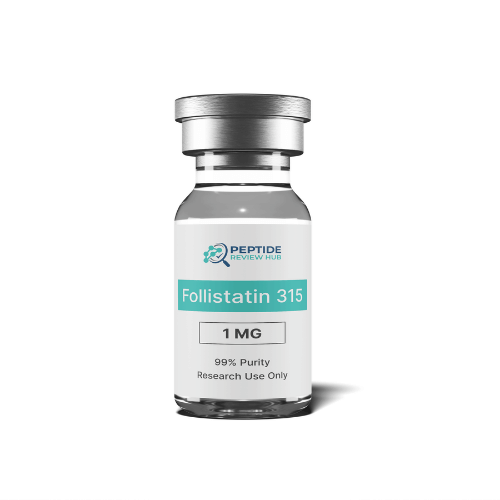
What is Follistatin?
Product Usage: This PRODUCT IS INTENDED AS A RESEARCH CHEMICAL ONLY. This designation allows the use of research chemicals strictly for in vitro testing and laboratory experimentation only. All product information available on this website is for educational purposes only. Bodily introduction of any kind into humans or animals is strictly forbidden by law. This product should only be handled by licensed, qualified professionals. This product is not a drug, food, or cosmetic and may not be misbranded, misused or mislabled as a drug, food or cosmetic.
What Is Follistatin 315?
Follistatin 315 is one of three naturally occurring isoforms of follistatin. All forms of the globular protein bind activin, a protein that has a variety of effects depending on the tissue under consideration. For instance, activin induces cell proliferation in some tissues and restricts it in others. Follistatin, which inactivates activin, therefore has the opposite effects. The actions of follistatin are not just limited to activin, however. It also binds to myostatin in muscle tissue, dramatically boosting muscle cell proliferation and growth. Research shows that follistatin is also involved in the inflammatory response, plays a role in development of the embryo, and influences fertility.
Follistatin 315 Structure
Structure of the unedited (full-sized) follistatin protein .
Molecular Weight: 3470 g/mol PubChem CID: 178101631 (Full follistatin protein) Synonyms: Activin-Binding Protein, FSH-Suppressing Protein, FST, FST-315
Follistatin 315 Research
The full effects of follistatin are not entirely known. The protein was first isolated from ovarian follicular fluid and was described as an inhibitor of follicle-stimulating hormone. Research has revealed that the intact protein begins as a 344-amino-acid precursor that is modified to create follistatin 315, 300, or 288. These various isoforms have similar effects, but are found in different tissues.
Research shows that disrupting the follistatin gene in newborn mice results in death within hours as a result of failed lung development. The knockout mice also have shiny skin, a number of facial deformities, defects in the axial skeleton, and impaired ovarian development. Attempts to rescue these mice by genetically engineering them to produce human follistatin 315 has revealed that the protein plays roles in blood vessel growth, muscle development, fat deposition, regulation of inflammation, and heart muscle function.
Follistatin 315 Research and Muscle Function
Early research on follistatin 315 led to the production of the mighty mouse, an experimental mouse that had four times the amount of muscle compared to the average mouse. Research showed that knocking out the myostatin gene gave these mice twice the muscle mass of controls. Extending that research revealed that a dual-approach that involved knocking out myostatin gene and stimulating the overproduction of follistatin could boost muscle growth even further. With follistatin turned up and myostatin turned down/off, mice in the experiment developed four times the muscle mass of regular mice These findings indicate that follistatin likely affects muscle growth in several ways. First, it inhibits myostatin and thus reduces the limits it puts on muscle growth. Second, follistatin clearly stimulates muscle growth via a pathway that does not involve myostatin. To date, that pathway has not be determined.
Research in mouse models of spinal muscular atrophy (SMA) indicates that follistatin offsets the loss of skeletal muscle common in this condition. It is important to note that muscle loss in SMA is a secondary effect caused by death of the nerve cells, in the spinal cord, that connect to muscles. Even though follistatin acts to inhibit myostatin, and therefore should primarily affect muscle tissue, mice in the experimental group showed both enhanced muscle mass compared to controls as well as improved numbers of ventral horn cells in their spinal cords. These mice had better motor function as well and lived an average of 30% longer than untreated mice[3].
Testing of follistatin in monkeys indicates that the peptide can boost muscle growth in the setting of inclusion body myositis, an inflammatory disease that limits muscle growth by damaging muscle cells and causing the release of myostatin[4].
In short, follistatin is a potent simulator of muscle development that has at least two mechanisms. The second has yet to be elucidated, but the first involves inhibition of myostatin. It is possible that follistatin has a stimulating effect on the nerves that supply the muscles and boosts both tone and mass that way.
The Role of Follistatin in Inflammation
Follistatin appears to play a role in regulating the inflammatory response in a number of different tissues and disease conditions. Recent research in mice with a form of rheumatoid arthritis has indicated that over-expression of activin A or under expression of follistatin leads to worsening of disease. Follistatin inhibits the effects of activin A, so this dichotomy is not unexpected[5]. Supplementing with follistatin reverses these effects and helps to reduce the clinical signs and symptoms of arthritis.
Previous research in asthma has shown elevated activin A levels in patients with mild-to-moderate disease. There is also a correlation of activin A levels with laboratory markers of disease severity[6]. Though follistatin levels in asthma are at normal levels, they are well below what would be needed to offset the inflammation caused by excess activin A. Supplementing mice with follistatin via intranasal administration inhibits the kind of airway remodeling often seen in asthma[7]. Preventing airway remodeling could help to reduce the long-term complications of asthma, reduce disease severity, and lessen the need for both controller and rescue medications. This function of follistatin would extend beyond asthma to help treat a number of inflammatory diseases of the lung such as sarcoidosis, idiopathic pulmonary fibrosis, and more.
In fact, inflammation and remodeling leading to fibrosis are common reasons for failed lung transplants. This pathway of eventual transplant failure has been linked to dysregulation of activin A. There is hope that follistatin supplementation may help to reduce remodeling in transplanted lungs and thus prolong survival in this vulnerable patient population.
Extensive research indicates that activin likely plays a role in the onset of a number of inflammatory responses to disease including cachexia, septicemia, and fibrosis. Follistatin, which blocks the proinflammatory and profibrotic functions of activin A is being investigated as a potential treatment for diseases ranging from asthma to colitis[8].
Follistatin has even been found to inhibit the fibrosis associated with radiation therapy. In a mouse model of radiation therapy, follistatin protected against the typical inflammatory responses of increased epidermal thickness and cell nucleus area. It also decreased expression of transforming growth factor beta and smooth muscle actin, both of which are associated with fibrosis[9]. Follistatin may therefore be a useful adjuvant to radiation therapy, allowing for higher doses or prolonged treatment and thus greater rates of remission and even cure. As it turns out, the same effects are seen in chemotherpeutic treatments often associated with fibrosis. Bleomycin is a notorious chemotherapeutic agent in causing fibrosis, but is useful in the setting of a number of different cancers, especially lung cancer. Research in rats shows that follistatin reduces cell infiltration of lung tissues, prevents remodeling, and attenuates fibrosis for up to a month after the peptide is injected[10].
Blood Vessel Growth
Follistatin and activin have conflicting effects on cell proliferation that change depending on the cell type involved. In smooth muscle, activin boosts cell proliferation. It inhibits, however, the growth of endothelial cells. Under normal conditions of growth, endothelial cells express follistatin during their early development in order to ward off the effects of activin A.
Research in mice indicates that follistatin can enhance the function of endothelial cells, particularly during responses to injury. Injection of follistatin in the setting of ischemia, for instance, boosts blood vessel function and helps the body to restore blood flow to deprived tissues[11]. This could make follistatin useful in the treatment of stroke and heart attack, but may also make it useful in settings where accelerated blood vessel growth is beneficial. Examples of such settings include muscle repair following injury, in patients recovering from burns, and in post-surgical applications where tissue viability is dependent on rapid return of blood flow.
Follistatin Research in Kidney Disease
The fact that positive results on inflammation are associated with follistatin as well as the fact that the protein plays a role in stimulating blood vessel growth led scientists to explore whether follistatin might impact kidney disease as the condition combines both dysregulated inflammatory responses and dysfunctional blood vessel growth in its overall pathology. In mouse models of the disease, administering follistatin reduced both cell death and measures of oxidative damage as well as overall scarring (fibrosis)[12]. As a therapeutic, follistatin could greatly reduce the rate of progression of chronic kidney disease and delay the time to which dialysis or even transplant become necessary.
Using Follistatin as a Marker of Disease
Because follistatin is associated with reduced rates of inflammation and fibrosis, it makes sense that the body would naturally produce more follistatin in the setting of disease or an unhealthy state. Research in humans suffering from cardiovascular disease shows that follistatin levels increase significantly when cardiovascular disease (e.g. plaques) begins to develop[13]. This makes scientists wonder if follistatin might be used as a marker of early disease onset. Monitoring of follistatin levels could make it easier for doctors to intervene in disease states early in their progression, perhaps even before they are clinically apparent, when preventative treatments can have the most impact.
Research in late-stage cardiovascular disease, for instance, shows elevated follistatin levels as a result of left ventricle remodeling. This may make follistatin an excellent measure for following the progression of heart failure, which could aid doctors in decisions about when to change medication doses, when to initiate more invasive therapy, or even when a patient may be progressing down the path toward a total heart transplant[14].
Follistatin Is the Basis for Protein Enhancement Research
While the body produces a number of natural compounds that offset disease effects, science and modern medicine have long understood that physiologic proteins are not always ideal for exogenous treatment. This may be because they are difficult to administer, degrade to quickly, or have deleterious side effects. Modifying the proteins can help to eliminate these side effects, but the process is often haphazard and lacks core principles of engineering that would make it faster, more affordable, and more effective. Research on follistatin is providing a model for altering naturally occurring proteins in order to boost wanted effects and limit unwanted effects. Scientists have shown that synthetic variants of follistatin can improve the protein’s therapeutic potential. This research is laying the groundwork necessary to make it easier and more predictable to alter proteins for treating human disease[15].
Follistatin 315 exhibits moderate side effects, low oral and excellent subcutaneous bioavailability in mice. Per kg dosage in mice does not scale to humans. Follistatin 315 for sale at peptide Review hub is limited to educational and scientific research only, not for human consumption. Only buy Follistatin 315 I if you are a licensed researcher.
Article Author
The above literature was researched, edited and organized by Dr. Logan, M.D. Dr. Logan holds a doctorate degree from Case Western Reserve University School of Medicine and a B.S. in molecular biology.
Where to Buy Follistatin Online
| Action | ||||||
|---|---|---|---|---|---|---|
1 | 8.9/10 Editorial Rating | $75.95 1mg vial | $75.95/mg | In Stock | Visit Site | |
2 | 8.9/10 Editorial Rating | $120.00 1mg vial | $120.00/mg | In Stock | Visit Site | |
3 |  Pure Peptide Labs Verified | 8.8/10 Editorial Rating | $134.95 10mg vial | $13.49/mg | In Stock | Visit Site |
4 | 7.0/10 Editorial Rating | $99.99 10mg vial | $10.00/mg | In Stock | Visit Site |


Top-Ranked Vendor

UK Peptides Review
Overall Score: 9.2/10
Score Breakdown
COA Transparency: 10/10
Reputation: 8/10
Pricing: 9/10
Policies: 10/10
Shipping: 9/10
Catalog: 9/10
Overall Score: 9.2/10
COA Transparency (10/10)
Testing & Quality Verification
UK Peptides strongly emphasizes independent verification and public documentation.
Key strengths include:
Third-party laboratory testing
HPLC-UV purity verification
ESI mass spectrometry confirmation
Signed Certificates of Analysis
Lot-specific documentation
Publicly accessible batch reports
Batch traceability systems
The company states that every lot is independently tested to ≥98% purity and verified through external laboratories, with signed COAs published directly alongside products. [ukpeptides.org]
Assessment
Among the strongest transparency standards seen in the UK peptide market.
Reputation (8/10)
Brand Presence & Customer Confidence
UK Peptides positions itself as a UK-based supplier focused on laboratory-grade research materials.
Strengths include:
UK-based operations
Independent testing focus
Research-oriented business model
Public quality methodology
Scientific documentation emphasis
The company's marketing centers heavily on analytical verification rather than lifestyle branding or promotional claims.
Assessment
A credible research-focused supplier with growing recognition among UK buyers.
Pricing (9/10)
Value & Cost Competitiveness
Pricing appears competitive relative to suppliers offering equivalent verification standards.
Advantages include:
Public COAs included
No additional documentation fees
UK-based inventory
Same-day dispatch availability
Independent testing included in product pricing
Assessment
Strong value considering the level of testing, documentation, and transparency offered.
Policies (10/10)
Customer Protection & Transparency
Policy transparency is one of the company's strongest categories.
Highlights include:
Research-use-only positioning
Independent testing requirements
Lot traceability
Published methodology standards
Detailed laboratory documentation
Verifiable batch records
The company clearly differentiates between independent laboratory verification and vendor-generated documentation.
Assessment
Excellent operational transparency and compliance-focused practices.
Shipping (9/10)
Fulfillment & Delivery
Shipping appears well organized for UK researchers.
Advantages include:
Same-day dispatch
UK inventory
Manchester-based fulfillment
Domestic shipping support
Product traceability
The company advertises same-day dispatch for qualifying orders and maintains UK-stocked inventory.
Assessment
Strong domestic logistics and reliable fulfillment processes.
Catalog (9/10)
Product Selection & Inventory Depth
The catalog focuses on high-demand research compounds.
Metabolic Research Products
Retatrutide
Tirzepatide-related products
Metabolic research peptides
Recovery & Regenerative Peptides
BPC-157
TB-500
BPC-157 / TB-500 blends
Growth Hormone Research Products
CJC-1295
Ipamorelin
Tesamorelin
Longevity & Cellular Research
MOTS-c
NAD+
SS-31
Specialty Research Products
Melanotan II
Kisspeptin
Cognitive and signaling peptides
Assessment
Broad coverage of the most actively researched peptide categories.
What We Like
Key Strengths
Signed third-party COAs.
Public testing reports.
HPLC and mass spectrometry verification.
Strong batch traceability.
Same-day dispatch.
UK-based inventory.
Excellent transparency.
Research-focused business model.
Competitive pricing.
Strong documentation standards.
What Could Be Better
Areas for Improvement
Shorter operating history than major industry veterans.
Limited international brand recognition.
Smaller catalog than large global suppliers.
More independent customer reviews would be helpful.
Expanded educational resources could add value.
Brand Overview
Company Name
UK Peptides
Industry
Research Peptides & Laboratory Compounds
Main Products
Retatrutide
BPC-157
TB-500
MOTS-c
CJC-1295
Ipamorelin
Tesamorelin
NAD+
SS-31
Melanotan II
Headquarters
Manchester, United Kingdom
Shipping Regions
United Kingdom
Company Summary
UK Peptides is a UK-based research peptide supplier focused on independently verified compounds, public COA access, and laboratory-grade quality standards. The company differentiates itself with signed third-party reports, batch-level traceability, and a transparency-first approach to peptide sourcing.
Final Verdict
UK Peptides is best suited for researchers who prioritize verifiable testing, batch transparency, and UK-based fulfillment.
Its strongest advantages are independent laboratory verification, publicly available COAs, strong documentation standards, and fast domestic dispatch. For transparency and quality-control practices, it ranks among the stronger UK-focused peptide suppliers currently available.
Final Rating: 9.2/10
Chemical Properties & Handling
Standard storage protocols for lyophilized peptides generally apply unless otherwise specified.
- Lyophilized (Powder): Store at -20°C for up to 3 years. Keep away from direct light and moisture.
- Reconstituted (Liquid): Store at 2-8°C (refrigerated) and use within 20-30 days to maintain stability.
Research Reviews
No Research Reviews Yet
Be the first to share your research protocol and vendor experience with Follistatin.
Best Follistatin Vendors & Price Comparison
Follistatin 315 (FST-315) is a naturally occurring activin-binding protein that has become one of the most heavily researched molecules in muscle biology, regenerative medicine, inflammation research, fibrosis studies, and vascular biology. Researchers are particularly interested in Follistatin because of its ability to bind and regulate proteins such as activin A and myostatin, both of which play important roles in tissue growth, remodeling, and repair.
As interest in growth-regulation proteins and regenerative biology expands, researchers frequently compare Follistatin vendors based on purity, analytical testing, product quality, pricing, and supplier reliability.
This Follistatin Vendor Price Comparison Guide helps researchers evaluate suppliers using objective criteria such as:
Product Pricing
Cost Per Milligram
Product Purity
Third-Party Testing
Certificate of Analysis (COA)
Vendor Reputation
Customer Reviews
Shipping Performance
Product Availability
Overall Value
Whether you're looking for the lowest-priced Follistatin supplier, the highest-purity product, or vendors offering extensive analytical documentation, this guide provides a framework for comparing research suppliers.
Explore Follistatin Vendors by Criteria
Most Popular Follistatin Vendors
Compare suppliers frequently selected by muscle biology, regenerative medicine, and inflammation researchers.
Highest Reviewed Follistatin Vendors
Discover peptide and protein suppliers with strong customer satisfaction and positive marketplace reputations.
Lowest Price Follistatin Vendors
Identify suppliers offering competitive pricing and attractive cost-per-milligram value.
Highest Purity Follistatin Vendors
Review suppliers providing transparent purity testing and analytical verification.
Best Value Follistatin Vendors
Compare testing standards, customer support, product quality, and pricing.
Fastest Shipping Follistatin Vendors
Evaluate shipping speed, fulfillment reliability, and packaging quality.
Newly Listed Follistatin Vendors
Explore recently added suppliers offering Follistatin research products.
What Is Follistatin 315?
Overview
Follistatin 315 (FST-315) is one of several naturally occurring isoforms of the follistatin protein.
Researchers investigate Follistatin because of its involvement in:
Myostatin regulation
Activin signaling
Muscle growth pathways
Tissue remodeling
Fibrosis regulation
Inflammatory signaling
Blood-vessel development
Organ repair mechanisms
Originally identified as a follicle-stimulating hormone regulator, Follistatin has since become an important research target across multiple biological disciplines.
Molecular Characteristics
Protein Information
Researchers evaluating Follistatin products should carefully review available molecular specifications and quality-control documentation.
Protein Name
Follistatin 315
Alternative Names
FST-315
Activin-Binding Protein
FSH-Suppressing Protein
FST
Molecular Weight
3470 g/mol
PubChem CID
178101631 (Full Follistatin Protein)
Classification
Activin-Binding Regulatory Protein
Research Category
Muscle Growth & Regenerative Biology Research
Why Researchers Compare Follistatin Vendors
Research reproducibility depends heavily on protein quality and manufacturing consistency.
Differences among suppliers may include:
Purity levels
Expression systems
Batch consistency
Stability testing
Storage conditions
Product documentation
Shipping procedures
Quality-control standards
Selecting a supplier solely based on price may overlook critical quality indicators.
How We Compare Follistatin Vendors
Third-Party Laboratory Testing
Independent testing remains one of the strongest indicators of supplier quality.
Researchers should prioritize vendors offering:
Third-party testing
Purity verification
Identity confirmation
Batch-specific analysis
Certificate of Analysis (COA)
A quality COA should include:
Batch number
Testing date
Purity percentage
Identity verification
Analytical methodology
Product Purity
Purity remains one of the most important variables when evaluating research proteins.
Higher-purity products may contribute to improved experimental consistency and reproducibility.
Cost Per Milligram
Comparing product price alone can be misleading.
Cost Per Milligram Formula
Product Price ÷ Total Milligrams = Cost Per Milligram
This allows meaningful comparisons between suppliers and package sizes.
Customer Reviews
Customer experiences often provide insight regarding:
Product consistency
Shipping reliability
Packaging quality
Customer support
Purchasing experience
Vendor Reputation
Established suppliers often demonstrate:
Strong quality-control systems
Transparent testing programs
Reliable inventory management
Positive customer satisfaction
Current Research & Evidence
Myostatin Research
One of the primary areas of Follistatin investigation involves myostatin signaling.
Researchers study interactions involving:
Skeletal muscle growth
Muscle-cell differentiation
Tissue development
Growth regulation pathways
This remains one of the most recognized aspects of Follistatin research.
Activin Research
Follistatin functions as a major binding protein for activin.
Scientists continue investigating activin-related pathways involving:
Cellular proliferation
Tissue remodeling
Developmental biology
Fibrosis mechanisms
Understanding activin regulation remains central to Follistatin research.
Regenerative Biology Research
Researchers continue exploring Follistatin's potential relationship with:
Tissue repair
Regeneration pathways
Cellular recovery
Organ remodeling
Healing processes
These studies span muscle, vascular, pulmonary, renal, and connective-tissue research.
Key Findings on Follistatin Research
Muscle Biology Research
Follistatin is widely studied because of its relationship with muscle-development pathways.
Researchers continue investigating:
Muscle-cell growth
Muscle maintenance
Skeletal-muscle regulation
Muscle-regeneration processes
This remains the most active area of Follistatin research.
Neuromuscular Research
Experimental models have examined how Follistatin-related pathways may influence:
Neuromuscular function
Motor performance
Muscle preservation
Muscle-wasting mechanisms
These investigations remain ongoing.
Inflammation Research
Researchers have explored Follistatin's relationship with inflammatory signaling pathways involving:
Activin A regulation
Cytokine activity
Tissue inflammation
Immune-system responses
Scientists continue evaluating these mechanisms across multiple organ systems.
Fibrosis Research
Fibrosis remains a major area of scientific interest.
Research involving Follistatin has examined pathways associated with:
Tissue scarring
Extracellular matrix remodeling
Organ fibrosis
Chronic inflammatory remodeling
These studies include pulmonary, renal, connective-tissue, and cardiovascular models.
Pulmonary Research
Researchers continue studying Follistatin in investigations involving:
Airway remodeling
Respiratory inflammation
Lung-tissue biology
Fibrotic lung pathways
This remains an important area of translational research.
Blood Vessel Research
Studies suggest Follistatin may be involved in pathways affecting:
Endothelial-cell biology
Angiogenesis
Vascular remodeling
Blood-vessel repair
Researchers continue evaluating these mechanisms in regenerative medicine models.
Kidney Research
Experimental investigations have explored Follistatin's relationship with:
Renal tissue biology
Fibrosis pathways
Cellular injury responses
Tissue remodeling
Additional research remains ongoing.
Cardiovascular Research
Researchers have also investigated Follistatin in studies involving:
Cardiac remodeling
Heart-failure biomarkers
Vascular health
Tissue-repair signaling
This remains an emerging area of interest.
Research Limitations
Most findings involving Follistatin originate from:
Cell-culture studies
Animal research
Laboratory investigations
Early-stage translational research
Additional studies are required to fully characterize the biological effects and mechanisms of Follistatin.
Research findings should not be interpreted as evidence of approved therapeutic use.
Product Quality & Analytical Testing
Why Testing Matters
Research-grade Follistatin products should undergo testing to verify:
Identity
Purity
Stability
Potency
Batch consistency
Common Testing Methods
High-Performance Liquid Chromatography (HPLC)
Used to assess purity and identify impurities.
Mass Spectrometry (MS)
Used to verify molecular identity.
Identity Verification Testing
Confirms product authenticity.
Stability Testing
Evaluates integrity during storage.
Batch Consistency Testing
Measures reproducibility across production lots.
Bioactivity Testing
Assesses functional activity of the protein in laboratory environments.
Understanding Follistatin Pricing
Several factors influence pricing among suppliers.
Product Purity
Higher-purity preparations often command premium pricing.
Recombinant Production Requirements
Follistatin is biologically complex and may require specialized manufacturing processes.
Analytical Verification
Comprehensive testing increases transparency but also increases production costs.
Batch Consistency Standards
Strict quality-control systems add cost but improve reproducibility.
Vendor Reputation
Trusted suppliers often charge more due to stronger quality-assurance programs.
Follistatin Vendor Evaluation Checklist
Quality Verification
✅ Third-party testing available
✅ Certificate of Analysis provided
✅ Purity information disclosed
✅ Identity verification documented
✅ Batch-specific testing available
✅ Bioactivity testing available
Vendor Reliability
✅ Positive customer reviews
✅ Transparent company information
✅ Responsive customer support
✅ Consistent inventory availability
Purchasing Experience
✅ Secure checkout process
✅ Tracking information provided
✅ Clear refund policies
✅ Reliable order fulfillment
Red Flags When Comparing Vendors
Testing Concerns
❌ No third-party testing
❌ Missing COAs
❌ Unverified purity claims
❌ No bioactivity verification
❌ Outdated laboratory reports
Transparency Issues
❌ Hidden product specifications
❌ Missing batch information
❌ Limited testing documentation
❌ No company contact information
Service Problems
❌ Frequent inventory shortages
❌ Poor communication
❌ Negative customer reviews
❌ Unclear shipping policies
How to Choose the Best Follistatin Vendor
Prioritize Independent Testing
Choose suppliers that provide third-party testing and batch-specific COAs.
Verify Bioactivity Documentation
For protein products such as Follistatin, bioactivity testing can be just as important as purity data.
Compare Overall Value
Evaluate purity, analytical testing, customer support, and product consistency alongside price.
Review Vendor Reputation
Established suppliers frequently provide better quality assurance and product reliability.
Match Products to Research Objectives
Choose suppliers whose manufacturing and testing standards align with your laboratory requirements.
Frequently Asked Questions
What is Follistatin 315?
Follistatin 315 (FST-315) is a naturally occurring activin-binding protein studied for its role in muscle regulation, inflammation, tissue remodeling, fibrosis, and regenerative biology.
What is Follistatin used for in research?
Researchers investigate Follistatin in studies involving myostatin inhibition, activin signaling, muscle biology, fibrosis, vascular growth, tissue-repair pathways, and inflammatory processes.
Why compare Follistatin vendors?
Purity, bioactivity, analytical testing, documentation quality, pricing, and supplier reliability may vary significantly between vendors.
What should researchers evaluate before purchasing?
Researchers should review:
Certificate of Analysis
Bioactivity testing
Purity verification
Identity confirmation
Vendor reputation
Customer reviews
Why is bioactivity testing important?
Bioactivity testing helps verify that the recombinant protein functions as intended in laboratory environments, beyond simply confirming purity.
Is the cheapest supplier always the best choice?
No. Product quality, bioactivity, analytical verification, and supplier reliability are often more important than price alone.
How often should vendor comparisons be updated?
Pricing, inventory availability, laboratory reports, and supplier policies can change frequently and should be reviewed regularly.
Final Thoughts
Follistatin 315 remains one of the most important regulatory proteins studied in muscle biology, tissue regeneration, fibrosis research, vascular health, and inflammation science. Its unique ability to interact with activin and myostatin pathways has made it a valuable research tool across numerous fields of biomedical investigation.
When comparing Follistatin vendors, researchers should prioritize purity verification, bioactivity testing, third-party laboratory analysis, COA availability, supplier reputation, and overall value rather than focusing solely on price. A structured evaluation process can help identify suppliers capable of meeting rigorous research-quality standards.
Current Research & Evidence
Research evidence for Follistatin has not yet been added.
Key Findings on Follistatin Use
Key findings for Follistatin have not yet been added.
Related Peptides in Peptide
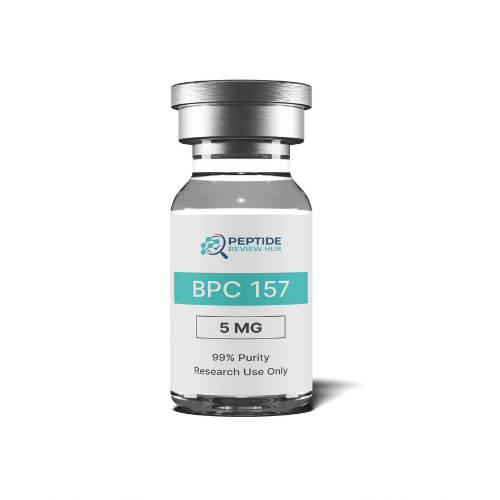
BPC 157
In the stomach of every man lies a substance more powerful than he knows. BPC-157 derives from this source - gastric juice, that most unpoetic of origins for what may prove a considerable discovery. The synthetic version contains fifteen amino acids arranged with the precision nature reserves for her most essential works. It endures where other peptides fail.
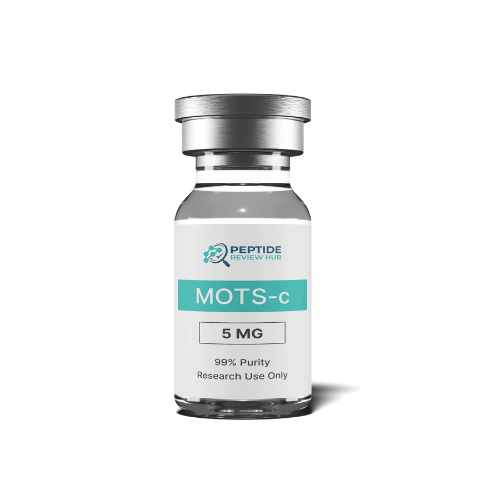
MOTS-c
The Mitochondrial-Derived Peptide MOTS-c promotes metabolic homeostasis and longevity, improves exercise capacity, reduces obesity, insulin resistance and other disease processes such as osteoporosis .
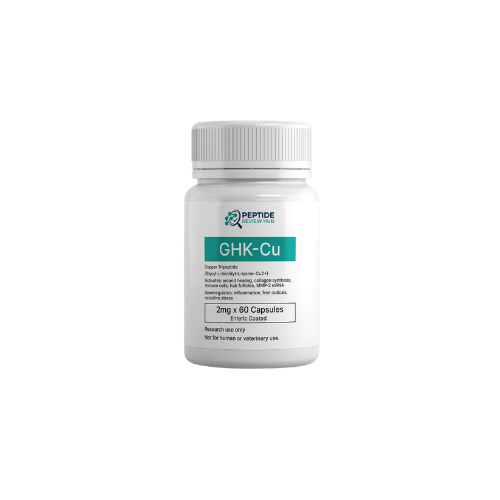
GHK-Cu
(2mg x 60 Capsules) (Copper Tripeptide) GHK-Cu is a small, naturally occurring peptide with the ability to attenuate inflammation, improve antioxidant responses, and improve gene expression on a large scale. Research shows that this copper-chelating peptide may be of critical importance both in the prevention of neurodegenerative disease and as a tool for exploring pathophysiological mechanisms. Studies in mice have revealed that GHK-Cu can protect against neurological insults, improve wound healing, reduce rates of infection, and boost blood vessel growth.
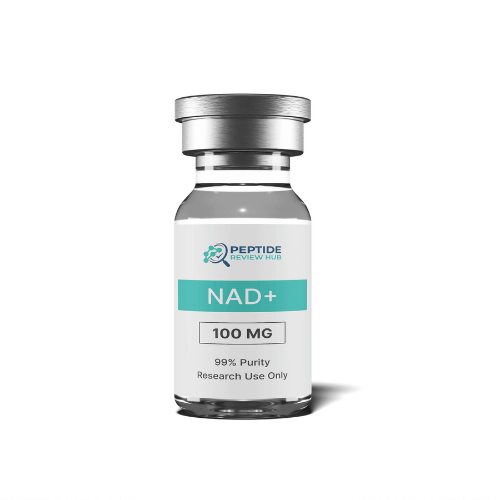
NAD+
NAD+ is a research-grade cellular coenzyme involved in redox reactions, mitochondrial energy metabolism, DNA repair, and NAD+-dependent signaling pathways. It is widely studied in research involving cellular aging, metabolic function, mitochondrial biology, genomic stability, and neuronal physiology.