
Research Use Only. This compound is not intended for human consumption or therapeutic use.
Where to Buy GLP-1: Vendor Comparison & Research Info
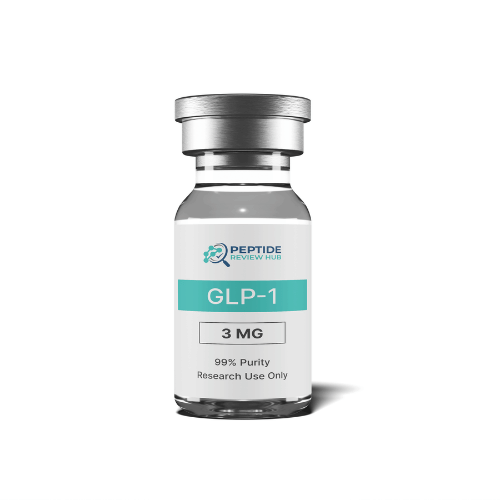
GLP-1 is a peptide hormone studied in research involving GLP-1 receptor signaling, cellular communication, metabolic biology, pancreatic pathways, and gastrointestinal research. It is intended strictly for laboratory research and not for human or animal consumption.
What is GLP-1?
GLP-1 is a peptide hormone studied extensively in research involving GLP-1 receptor signaling, cellular communication, glucose metabolism, pancreatic biology, and energy-regulation pathways. In laboratory settings, GLP-1-related research provides a model for investigating how peptide hormones interact with specific receptors and influence downstream cellular signaling.
GLP-1 belongs to the incretin family of peptide hormones and has been investigated for its interaction with the GLP-1 receptor, a G-protein-coupled receptor expressed in multiple tissues. Research involving GLP-1 signaling has examined intracellular pathways associated with cyclic AMP, pancreatic cellular activity, metabolic regulation, and gastrointestinal physiology.
When evaluating GLP-1 for laboratory research, researchers should review documentation covering peptide identity, sequence, purity, lot information, analytical testing, formulation, and storage specifications. GLP-1 should be regarded strictly as a research material and is not intended for human or animal consumption, diagnosis, prevention, or treatment of any disease or medical condition.
Vendors Listed
Lowest Price: $—
Compare Vendors | View Deals
What is GLP-1?
GLP-1, or glucagon-like peptide-1, is a naturally occurring peptide hormone derived from the proglucagon precursor. It has been extensively studied for its role in cellular signaling and metabolic physiology.
Research on GLP-1 focuses primarily on its interaction with the GLP-1 receptor and the intracellular signaling processes that follow receptor activation. Experimental investigations may examine receptor binding, second-messenger signaling, pancreatic cellular responses, gastrointestinal processes, and broader metabolic pathways.
GLP-1 research should be distinguished from research involving synthetic GLP-1 receptor agonists. Although these compounds may be designed to interact with the same receptor, their molecular structures, pharmacological properties, stability, and biological activity can differ from native GLP-1.
Overview
GLP-1 is a peptide hormone that has become an important subject of research in molecular biology, endocrinology, receptor pharmacology, and metabolic science.
Key research areas associated with GLP-1 include:
GLP-1 receptor signaling: Investigation of receptor-mediated cellular communication.
Second-messenger pathways: Study of intracellular signaling mechanisms, including cyclic AMP-related pathways.
Metabolic biology: Examination of pathways involved in glucose and energy metabolism.
Pancreatic research: Investigation of peptide-receptor signaling in pancreatic cellular models.
Gastrointestinal research: Study of GLP-1-associated signaling within gastrointestinal systems.
Peptide pharmacology: Evaluation of peptide-receptor interactions and biological responses.
Experimental findings depend on the specific GLP-1 sequence, formulation, concentration, receptor system, and laboratory model used.
Molecular Characteristics
GLP-1 exists in biologically active molecular forms derived from the proglucagon precursor. A commonly studied active form is GLP-1(7-36) amide, consisting of 30 amino acids.
Chemical Name: Glucagon-like peptide-1
Common Name: GLP-1
Common Research Form: GLP-1(7-36) amide
Peptide Length: 30 amino acids for GLP-1(7-36) amide
Molecular Type: Peptide hormone
Biological Target: GLP-1 receptor
Research Classification: Experimental laboratory material
Researchers should confirm the exact molecular form supplied by the manufacturer because GLP-1-related products may differ in sequence, terminal modification, formulation, concentration, and stability.
Product-specific certificates of analysis should be consulted for exact molecular specifications, purity measurements, batch information, and analytical results.
Research Applications
GLP-1 may be investigated in laboratory and preclinical research involving:
GLP-1 Receptor Research
Studying interactions between GLP-1 and the GLP-1 receptor and examining receptor-mediated signaling responses.
Cellular Signaling
Investigating intracellular signaling pathways activated following peptide-receptor interaction, including cyclic AMP-associated mechanisms.
Metabolic Biology
Exploring cellular pathways involved in glucose metabolism, energy regulation, and metabolic signaling.
Pancreatic Biology
Studying receptor-mediated signaling and cellular responses in experimental pancreatic models.
Gastrointestinal Research
Investigating GLP-1-associated pathways within experimental gastrointestinal systems.
Peptide Pharmacology
Examining peptide stability, receptor interaction, structure-activity relationships, and downstream biological signaling.
Receptor Binding Studies
Evaluating peptide-receptor interactions using biochemical, cellular, or molecular research models.
These applications represent areas of scientific investigation and should not be interpreted as established therapeutic applications.
Mechanism of Research Interest
The primary research interest in GLP-1 is its interaction with the GLP-1 receptor (GLP-1R), a G-protein-coupled receptor.
When GLP-1 interacts with GLP-1R in experimental systems, receptor activation can initiate intracellular signaling pathways involving heterotrimeric G proteins and second messengers such as cyclic AMP. Researchers can use these signaling processes to investigate receptor activity and downstream cellular responses.
GLP-1 signaling has been studied in several biological systems, including pancreatic, gastrointestinal, and neuronal research models. The specific response observed can vary according to receptor expression, experimental conditions, peptide concentration, cell type, and assay design.
GLP-1 research also provides an experimental framework for studying structure-function relationships in peptide hormones. Researchers may compare different GLP-1 sequences, analogues, modifications, or receptor-targeting compounds to better understand molecular interactions and signaling behavior.
Importantly, findings obtained from synthetic GLP-1 receptor agonists should not automatically be attributed to native GLP-1 because structural modifications can alter peptide stability, receptor activity, pharmacokinetics, and other molecular characteristics.
Preclinical Research
GLP-1 has been extensively investigated in laboratory and preclinical research involving peptide-receptor signaling, metabolic biology, pancreatic cellular models, gastrointestinal physiology, and related biological pathways.
Experimental studies have examined how GLP-1 receptor activation influences intracellular signaling and cellular responses. Research methods may include receptor-binding assays, cell-based signaling experiments, biochemical analysis, and animal models.
The evidence obtained from these models depends on the specific experimental design and cannot automatically be translated into established effects in humans.
Researchers should also distinguish between studies involving naturally occurring GLP-1 and studies involving modified GLP-1 receptor agonists. These compounds can have substantially different molecular and pharmacological characteristics.
Product Quality & Analytical Testing
Research-grade GLP-1 should be evaluated using appropriate analytical methods to confirm peptide identity, purity, molecular characteristics, and batch consistency.
Depending on the laboratory application, quality assessment may include:
HPLC: Evaluation of peptide purity and related impurities.
Mass Spectrometry: Verification of molecular mass and peptide identity.
Peptide Mapping: Characterization of peptide sequence and molecular composition where appropriate.
Chromatographic Testing: Assessment of purity and potential degradation products.
Amino Acid Analysis: Additional characterization of peptide composition when required.
Stability Testing: Monitoring peptide integrity under defined storage conditions.
Batch Testing: Comparison of analytical characteristics across production lots.
Researchers should review the certificate of analysis (COA), batch number, stated purity, analytical methodology, molecular form, concentration, and storage requirements before using GLP-1 in laboratory research.
Research Use Only
GLP-1 is an experimental research material and is not an approved medication, dietary supplement, or established medical treatment in the context of this research product.
It should not be presented as a treatment for diabetes, obesity, weight management, metabolic disorders, gastrointestinal conditions, or any other medical condition.
Research materials should be handled according to applicable laboratory procedures, institutional requirements, manufacturer specifications, and relevant regulations. Independent verification of peptide identity, molecular form, purity, composition, and analytical documentation is recommended before research use.
Where to Buy GLP-1 Online
| Rank | Vendor | Trust Score | Vial Size | Price / mg | Status | Action |
|---|---|---|---|---|---|---|
1 | N/A/10 Editorial Rating | $146.99 10mg vial | $14.70/mg | In Stock | Visit Site |
Top-Ranked Vendor

<p>ElementSarms is a research chemical supplier offering peptides, research compounds, SARMs, GLP-1 analogues, and other laboratory products for research and development purposes. Its product range includes compounds such as semaglutide, sermorelin, TB-500, tesamorelin, and other research peptides. The company provides educational resources covering peptides, laboratory research, and related scientific topics. ElementSarms states that its products are intended for laboratory and research use only and are not intended for human or veterinary consumption. The website also provides product information, research-focused articles, FAQs, and educational materials to support researchers exploring peptide and compound applications in controlled laboratory environments.</p>
Chemical Properties & Handling
Standard storage protocols for lyophilized peptides generally apply unless otherwise specified.
- Lyophilized (Powder): Store at -20°C for up to 3 years. Keep away from direct light and moisture.
- Reconstituted (Liquid): Store at 2-8°C (refrigerated) and use within 20-30 days to maintain stability.
Research Reviews
No Research Reviews Yet
Be the first to share your research protocol and vendor experience with GLP-1.
Best GLP-1 Vendors & Price Comparison
GLP-1 (Glucagon-Like Peptide-1) is a naturally occurring peptide hormone extensively studied in receptor pharmacology, metabolic biology, cellular signaling, pancreatic research, and gastrointestinal physiology. As one of the most important incretin hormones, GLP-1 has become a major focus of laboratory research examining peptide-receptor interactions, intracellular signaling pathways, and endocrine communication systems.
As interest in GLP-1 research continues to expand, researchers frequently compare GLP-1 suppliers based on product purity, analytical testing, manufacturing quality, pricing, and supplier transparency.
This GLP-1 Vendor Price Comparison Guide helps researchers evaluate suppliers using objective criteria including:
Product Pricing
Cost Per Milligram
Product Purity
Third-Party Testing
Certificate of Analysis (COA)
Vendor Reputation
Customer Reviews
Shipping Performance
Product Availability
Overall Value
Whether you're searching for the lowest-priced GLP-1 supplier, the highest-purity research-grade product, or vendors offering extensive laboratory verification, this guide provides a framework for comparing research peptide suppliers.
Explore GLP-1 Vendors by Criteria
Most Popular GLP-1 Vendors
Compare suppliers frequently selected by metabolic and endocrine researchers.
Highest Reviewed GLP-1 Vendors
Discover peptide suppliers with strong customer satisfaction and positive marketplace reputations.
Lowest Price GLP-1 Vendors
Identify vendors offering competitive pricing and favorable cost-per-milligram value.
Highest Purity GLP-1 Vendors
Review suppliers providing transparent purity verification and analytical testing.
Best Value GLP-1 Vendors
Compare pricing, product quality, testing standards, and customer support.
Fastest Shipping GLP-1 Vendors
Evaluate shipping reliability, packaging quality, and fulfillment performance.
Newly Listed GLP-1 Vendors
Explore recently added suppliers offering GLP-1 research peptides.
What Is GLP-1?
Overview
GLP-1 (Glucagon-Like Peptide-1) is a naturally occurring peptide hormone derived from the proglucagon precursor.
Researchers investigate GLP-1 because of its relationship with:
GLP-1 receptor signaling
Cellular communication
Metabolic biology
Pancreatic signaling
Gastrointestinal physiology
Endocrine regulation
Receptor pharmacology
Energy-regulation pathways
GLP-1 belongs to the incretin family of peptide hormones and remains one of the most extensively studied peptide signaling molecules in modern biology.
Molecular Characteristics
Peptide Information
Researchers evaluating GLP-1 products should carefully review product specifications and analytical documentation.
Chemical Name
Glucagon-Like Peptide-1
Common Name
GLP-1
Common Research Form
GLP-1(7-36) Amide
Peptide Length
30 Amino Acids
Molecular Type
Peptide Hormone
Biological Target
GLP-1 Receptor (GLP-1R)
Research Classification
Experimental Laboratory Material
Research Category
Metabolic & Endocrine Research
Why Researchers Compare GLP-1 Vendors
Research reproducibility depends heavily on peptide quality and manufacturing consistency.
Differences among suppliers may include:
Product purity
Batch consistency
Manufacturing standards
Stability testing
Product documentation
Storage conditions
Shipping procedures
Quality-control systems
Careful supplier evaluation helps improve reliability and experimental consistency.
How We Compare GLP-1 Vendors
Third-Party Laboratory Testing
Independent testing remains one of the strongest indicators of peptide quality.
Researchers should prioritize suppliers offering:
Third-party testing
Identity verification
Purity analysis
Batch-specific reports
Certificate of Analysis (COA)
A quality COA should contain:
Batch number
Testing date
Purity percentage
Identity verification
Analytical methodology
Product Purity
Purity remains one of the most important variables when evaluating research peptides.
Higher-purity products generally contribute to improved reproducibility and research consistency.
Cost Per Milligram
Comparing vial prices alone may be misleading.
Cost Per Milligram Formula
Product Price ÷ Total Milligrams = Cost Per Milligram
This allows researchers to compare vendors more accurately.
Customer Reviews
Customer experiences frequently provide insight into:
Product consistency
Packaging quality
Shipping reliability
Customer support
Overall purchasing experience
Vendor Reputation
Established suppliers often demonstrate:
Transparent testing procedures
Reliable quality-control systems
Positive customer satisfaction
Consistent inventory availability
Current Research & Evidence
GLP-1 Receptor Signaling Research
The primary focus of GLP-1 research involves interaction with the GLP-1 receptor (GLP-1R).
Researchers continue investigating pathways involving:
Receptor activation
Signal transduction
Cellular communication
Hormonal signaling
Receptor-mediated responses
This remains the central area of GLP-1 investigation.
Incretin Biology Research
GLP-1 is one of the most significant members of the incretin hormone family.
Researchers investigate:
Endocrine signaling
Nutrient-responsive pathways
Metabolic communication systems
Hormonal regulation networks
This remains a foundational area of GLP-1 science.
Key Areas of GLP-1 Research
Cellular Signaling Research
Researchers continue investigating how GLP-1 receptor activation influences:
Intracellular signaling pathways
Cellular communication networks
Receptor-mediated responses
Molecular signaling cascades
Additional research remains ongoing.
Second Messenger Research
A major focus of GLP-1 studies involves pathways associated with:
Cyclic AMP (cAMP)
G-protein signaling
Receptor activation
Intracellular response mechanisms
These pathways are critical components of receptor pharmacology research.
Metabolic Biology Research
Scientists continue studying GLP-1 because of its relationship with:
Glucose metabolism
Energy regulation
Nutrient signaling
Cellular metabolism
Metabolic communication networks
This remains one of the most active areas of investigation.
Pancreatic Biology Research
Researchers investigate GLP-1 in experimental models involving:
Pancreatic-cell signaling
Endocrine communication
Receptor-mediated cellular responses
Metabolic regulation pathways
These studies remain central to GLP-1 research.
Gastrointestinal Research
GLP-1-related signaling continues to be examined in:
Gastrointestinal physiology
Gut-derived hormone pathways
Digestive-system signaling
Enteroendocrine communication
Further research remains ongoing.
Peptide Pharmacology Research
Researchers frequently use GLP-1 as a model for investigating:
Peptide-receptor interactions
Structure-activity relationships
Ligand-binding characteristics
Receptor pharmacology
This field continues to grow as peptide-based science expands.
Receptor Binding Studies
Scientists continue evaluating:
Ligand affinity
Receptor selectivity
Activation profiles
Binding dynamics
These studies help improve understanding of peptide signaling systems.
Native GLP-1 vs GLP-1 Receptor Agonists
Researchers should distinguish between native GLP-1 and synthetic GLP-1 receptor agonists.
Native GLP-1
Naturally occurring peptide hormone
Derived from proglucagon
Short biological stability
Widely used in receptor-signaling research
GLP-1 Receptor Agonists
Structurally modified molecules
Designed for increased stability
Different pharmacological properties
Distinct molecular characteristics
Findings involving synthetic GLP-1 receptor agonists should not automatically be attributed to native GLP-1.
Why Researchers Study GLP-1
GLP-1 remains one of the most important peptides in modern endocrine and metabolic research.
Common research applications include:
Metabolic biology
Endocrinology
Peptide pharmacology
Receptor signaling
Pancreatic biology
Gastrointestinal physiology
Cellular communication
Hormonal regulation
Few peptide hormones have generated such extensive scientific interest.
Research Limitations
Most findings involving GLP-1 originate from:
Cell-culture studies
Laboratory investigations
Animal models
Preclinical research systems
Additional studies remain necessary to fully characterize biological mechanisms and long-term effects.
Research findings should not be interpreted as evidence of approved therapeutic, diagnostic, or clinical applications.
Product Quality & Analytical Testing
Why Testing Matters
Research-grade GLP-1 products should undergo testing to verify:
Identity
Purity
Stability
Composition
Batch consistency
Common Testing Methods
High-Performance Liquid Chromatography (HPLC)
Used to evaluate peptide purity and identify impurities.
Mass Spectrometry (MS)
Used to verify molecular mass and peptide identity.
Peptide Mapping
Characterizes peptide sequence and molecular composition.
Chromatographic Testing
Evaluates purity and potential degradation products.
Amino Acid Analysis
Provides additional characterization of peptide composition.
Stability Testing
Measures peptide integrity under defined storage conditions.
Batch Consistency Testing
Verifies reproducibility across manufacturing lots.
Understanding GLP-1 Pricing
Several variables influence pricing among suppliers.
Product Purity
Higher-purity products often command premium pricing.
Analytical Verification
Comprehensive testing improves transparency while increasing manufacturing costs.
Manufacturing Standards
Strict quality-control procedures can significantly influence pricing.
Research Demand
GLP-1 remains one of the most studied peptide hormones in modern biological research.
Vendor Reputation
Trusted suppliers often charge more due to established quality-assurance programs.
GLP-1 Vendor Evaluation Checklist
Quality Verification
✅ Third-party testing available
✅ Certificate of Analysis provided
✅ Identity verification documented
✅ Purity information disclosed
✅ Batch-specific testing available
Vendor Reliability
✅ Positive customer reviews
✅ Transparent company information
✅ Responsive customer support
✅ Reliable inventory availability
Purchasing Experience
✅ Secure checkout process
✅ Shipment tracking available
✅ Clear return policies
✅ Reliable order fulfillment
Red Flags When Comparing Vendors
Testing Concerns
❌ No third-party testing
❌ Missing COAs
❌ Unverified purity claims
❌ Outdated testing reports
Transparency Issues
❌ Missing product specifications
❌ Missing batch information
❌ Limited analytical documentation
❌ No supplier contact information
Service Problems
❌ Frequent inventory shortages
❌ Poor communication
❌ Negative customer reviews
❌ Unclear shipping policies
Frequently Asked Questions
What is GLP-1?
GLP-1 (Glucagon-Like Peptide-1) is a naturally occurring peptide hormone derived from the proglucagon precursor and studied extensively for its receptor-mediated signaling activity.
What is GLP-1 used for in research?
Researchers investigate GLP-1 in studies involving GLP-1 receptor signaling, metabolic biology, pancreatic research, gastrointestinal physiology, cellular signaling, peptide pharmacology, and endocrine regulation.
Why compare GLP-1 vendors?
Purity, analytical testing, documentation quality, pricing, and supplier reliability can vary substantially among peptide suppliers.
What should researchers review before purchasing?
Researchers should evaluate:
Certificate of Analysis (COA)
Third-party testing
Purity verification
Identity confirmation
Vendor reputation
Customer reviews
Why is third-party testing important?
Independent laboratory testing helps verify peptide identity, purity, and batch consistency while improving transparency and reproducibility.
Is the cheapest supplier always the best option?
No. Product quality, testing standards, documentation, and supplier reliability are often more important than price alone.
How often should vendor comparisons be updated?
Pricing, laboratory reports, supplier policies, and inventory availability can change frequently and should be reviewed regularly.
Final Thoughts
GLP-1 remains one of the most important peptide hormones in modern biological research due to its central role in receptor signaling, metabolic regulation, endocrine communication, pancreatic biology, gastrointestinal physiology, and peptide pharmacology. Ongoing investigations continue to expand scientific understanding of GLP-1 receptor activity and the complex cellular pathways involved in hormone-mediated signaling.
When comparing GLP-1 vendors, researchers should prioritize purity verification, third-party analytical testing, Certificate of Analysis availability, supplier reputation, and overall value rather than focusing solely on price. A structured vendor-comparison process can help identify suppliers capable of meeting rigorous research-quality standards.
Current Research & Evidence
Research evidence for GLP-1 has not yet been added.
Key Findings on GLP-1 Use
Key findings for GLP-1 have not yet been added.
Related Peptides in Peptide
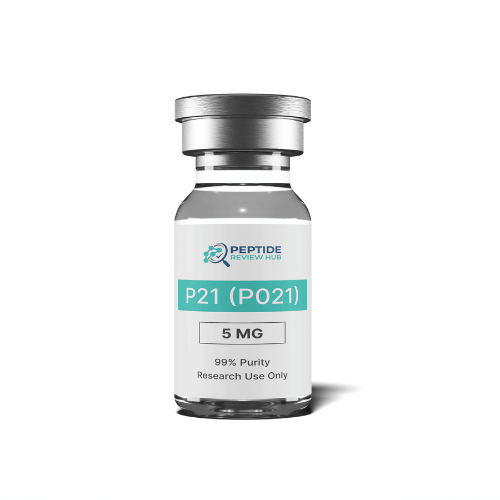
PT 21
PT-21 is an experimental research peptide investigated in controlled laboratory studies of cellular signaling, molecular pathways, tissue biology, and cellular responses. Supplied as a research material for qualified researchers, it is intended strictly for in vitro research and not for human or animal use.
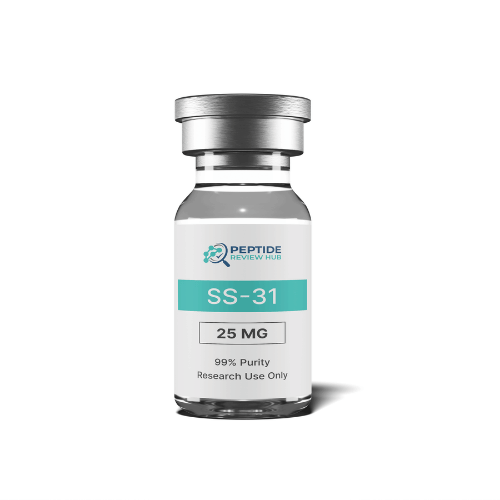
SS-31
SS-31, also known as elamipretide or MTP-131, is a synthetic mitochondria-targeted tetrapeptide studied in laboratory research involving cardiolipin interactions, mitochondrial respiration, oxidative stress, ATP production, and cellular energy metabolism.
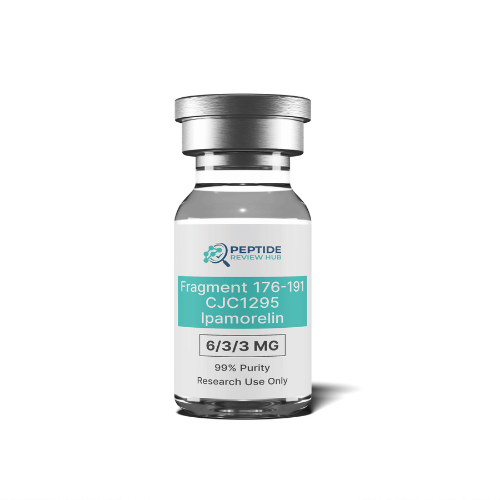
Fragment-176-191-CJC1295-Ipamorelin
Fragment-176-191-CJC1295-Ipamorelin is a research peptide blend combining Fragment 176-191, CJC-1295, and Ipamorelin for laboratory research into growth hormone signaling, metabolic pathways, adipose biology, and IGF-1-related mechanisms.
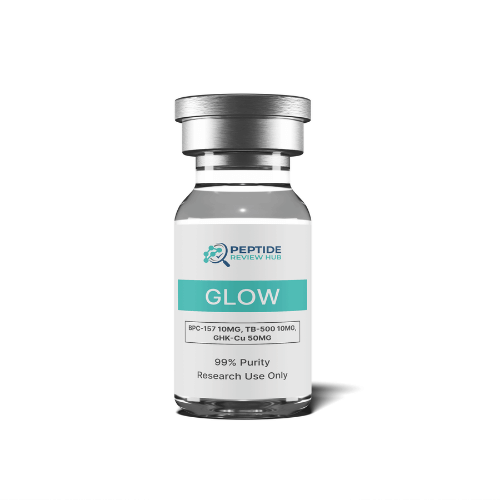
GLOW
GLOW (60mg) is an experimental peptide research stack combining GHK-Cu, BPC-157, and TB-500 for laboratory studies of cellular signaling, extracellular matrix biology, tissue-response pathways, cell migration, and inflammatory mechanisms.