 Peptide Review Hub
Research Use Only. This compound is not intended for human consumption or therapeutic use.
Where to Buy GHK-Cu Basic: Vendor Comparison & Research Info
GHK-Cu Basic is a lyophilized copper-peptide complex composed of Gly-His-Lys (GHK) bound to Cu²⁺. It is studied in laboratory research involving extracellular matrix remodeling, collagen biology, cellular signaling, tissue repair pathways, and angiogenesis.
What is GHK-Cu Basic?
GHK-Cu Basic is a synthetic copper-peptide complex consisting of the naturally occurring tripeptide Gly-His-Lys (GHK) associated with a Cu²⁺ ion. GHK-Cu is widely studied in cellular and molecular biology research because of its interactions with extracellular matrix regulation, cellular signaling, tissue remodeling, and copper-dependent biological processes.
The compound is commonly supplied as a lyophilized powder, providing a stable format for laboratory storage and experimental use.
Product Specifications
Compound: GHK-Cu (Copper Tripeptide-1)
Structure: Gly-His-Lys bound to Cu²⁺
Form: Lyophilized, freeze-dried powder
Purity: Greater than 98% where verified by analytical testing
Research Focus: Extracellular matrix remodeling, cellular signaling, tissue biology, and angiogenesis
Molecular Weight: Approximately 340.38 g/mol for the GHK-Cu complex
Mechanism & Research Profile
GHK-Cu has been investigated for its ability to interact with cellular signaling pathways involved in tissue structure and extracellular matrix regulation.
Research areas include:
Collagen synthesis and remodeling
Elastin and glycosaminoglycan regulation
Fibroblast activity
Cellular proliferation
Oxidative-stress pathways
Inflammatory signaling
Angiogenic processes
Gene-expression regulation
Tissue remodeling
Cellular communication
The copper component is particularly relevant to research examining copper-dependent enzymes and signaling processes within biological systems.
Extracellular Matrix Research
One of the major research applications of GHK-Cu involves extracellular matrix biology. Experimental studies have examined its relationship with structural proteins such as collagen and elastin, as well as other components involved in maintaining tissue architecture.
Research models may investigate:
Fibroblast behavior
Collagen production
Extracellular matrix organization
Tissue remodeling
Cellular migration
Structural protein expression
These mechanisms make GHK-Cu a useful research compound for studying cellular responses associated with tissue maintenance and remodeling.
Cellular Regeneration Research
GHK-Cu has also been investigated in experimental models examining cellular repair and regenerative signaling.
Areas of research include:
Cellular proliferation
Cell migration
Fibroblast responses
Vascular endothelial activity
Oxidative-stress responses
Inflammatory signaling
Tissue regeneration pathways
Findings from laboratory and preclinical research should be interpreted within the context of the specific model and should not be considered evidence of established clinical efficacy.
Gene-Expression Research
Studies have investigated the influence of GHK-Cu on gene-expression patterns involved in cellular function and tissue biology.
Researchers have examined changes associated with:
Extracellular matrix regulation
Antioxidant pathways
Inflammatory signaling
Cellular growth
Tissue remodeling
Wound-response mechanisms
This makes GHK-Cu relevant to molecular biology research exploring how small peptide complexes can influence broader cellular signaling networks.
Lyophilized Peptide Format
GHK-Cu Basic is supplied in a vacuum freeze-dried format. Lyophilization removes moisture while helping preserve the molecular integrity of the research compound during storage.
Potential advantages of this format include:
Improved storage stability
Reduced moisture exposure
Convenient laboratory handling
Preservation of peptide integrity
Controlled reconstitution for experimental applications
Reconstitution should be performed using appropriate laboratory procedures and materials suitable for the intended research application.
Storage & Container Considerations
Proper storage conditions are important for maintaining peptide stability.
Keep the lyophilized material in a cool, dry environment.
Protect the vial from direct sunlight and excessive heat.
Minimize unnecessary temperature fluctuations.
Keep the container sealed until laboratory use.
Avoid repeated freeze-thaw cycles after reconstitution.
Use clean, chemically compatible laboratory containers when transferring material.
Glass containers are commonly used for sensitive research compounds because they provide strong chemical resistance and low gas permeability.
Analytical Testing
Quality assessment of GHK-Cu may involve analytical methods designed to confirm identity, purity, and molecular characteristics.
Common testing methods include:
High-Performance Liquid Chromatography (HPLC)
Mass Spectrometry (MS)
Molecular-weight confirmation
Peptide identity verification
Purity assessment
Copper-to-peptide characterization
A batch-specific certificate of analysis should be reviewed when precise purity and composition information is required.
Research Summary
GHK-Cu Basic is a lyophilized copper-peptide complex consisting of Gly-His-Lys associated with Cu²⁺. Its research profile centers on extracellular matrix remodeling, collagen and elastin biology, cellular signaling, angiogenesis, oxidative-stress pathways, and gene-expression research. Its compact structure and copper-binding characteristics make it a useful model for investigating peptide-mediated cellular and molecular processes.
Where to Buy GHK-Cu Basic Online
| Rank | Vendor | Trust Score | Vial Size | Price / mg | Status | Action |
|---|---|---|---|---|---|---|
1 |  Dragon Peptides Verified | 9.0/10 Editorial Rating | $50.00 10mg vial | $5.00/mg | Out of Stock | Visit Site |
Top-Ranked Vendor
At Dragon Peptides, we are committed to supplying high-quality research peptides and compounds to scientists, laboratories, and professionals worldwide. Our company was founded on the principles of reliability, transparency, and customer satisfaction. We work closely with trusted manufacturers and testing facilities to ensure every product we offer meets strict quality standards. Our goal is to provide a dependable source for research products while maintaining a user-friendly and secure online experience. We continually expand and refine our product selection to support evolving research needs.
Chemical Properties & Handling
Standard storage protocols for lyophilized peptides generally apply unless otherwise specified.
- Lyophilized (Powder): Store at -20°C for up to 3 years. Keep away from direct light and moisture.
- Reconstituted (Liquid): Store at 2-8°C (refrigerated) and use within 20-30 days to maintain stability.
Research Reviews
No Research Reviews Yet
Be the first to share your research protocol and vendor experience with GHK-Cu Basic.
Related Peptides in
TB-500 2 mg Fragment (17-23)
TB-500 Fragment (17–23) is a synthetic peptide corresponding to residues 17–23 of thymosin beta-4. Research has examined this fragment in relation to actin binding, cellular migration, tissue-repair pathways, and regenerative biology, primarily in preclinical and laboratory settings.
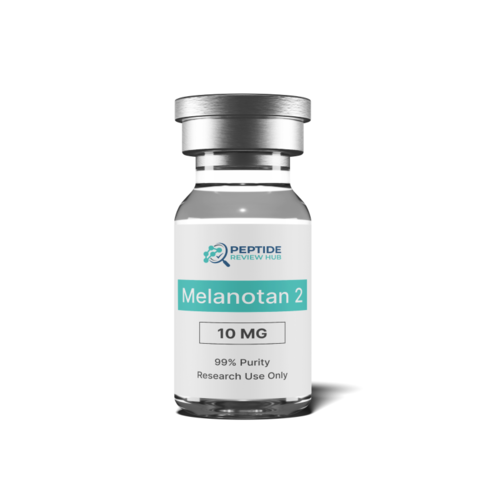
Melanotan 2
Melanotan 2 (MT-2) is a synthetic version of human alpha-melanocyte-stimulating hormone (α-MSH). It was originally developed in the 1980s, at the University of Arizona, after it was found that α-MSH caused sexual arousal in rodents as well as darkening of the skin. Originally designed as a sunless tanning option, MT-2 was eventually found to have a wide range of effects such as:
Tesamorelin
Tesamorelin 5mg is a synthetic GHRH analog studied for its interaction with the GHRH–GH–IGF-1 signaling pathway. It is researched in areas including visceral adipose tissue, lipid metabolism, endocrine signaling, glucose regulation, and metabolic health. Supplied as a lyophilized peptide, Tesamorelin 5mg is intended strictly for controlled laboratory and preclinical research.
Lasix 20mg
Lasix (Furosemide) is a potent loop diuretic studied in renal and cardiovascular research. It is primarily investigated for its effects on sodium and chloride transport, electrolyte regulation, fluid balance, kidney function, and diuretic mechanisms in controlled laboratory and pharmacological models.