
Research Use Only. This compound is not intended for human consumption or therapeutic use.
Where to Buy TB-500 2 mg Fragment (17-23): Vendor Comparison & Research Info
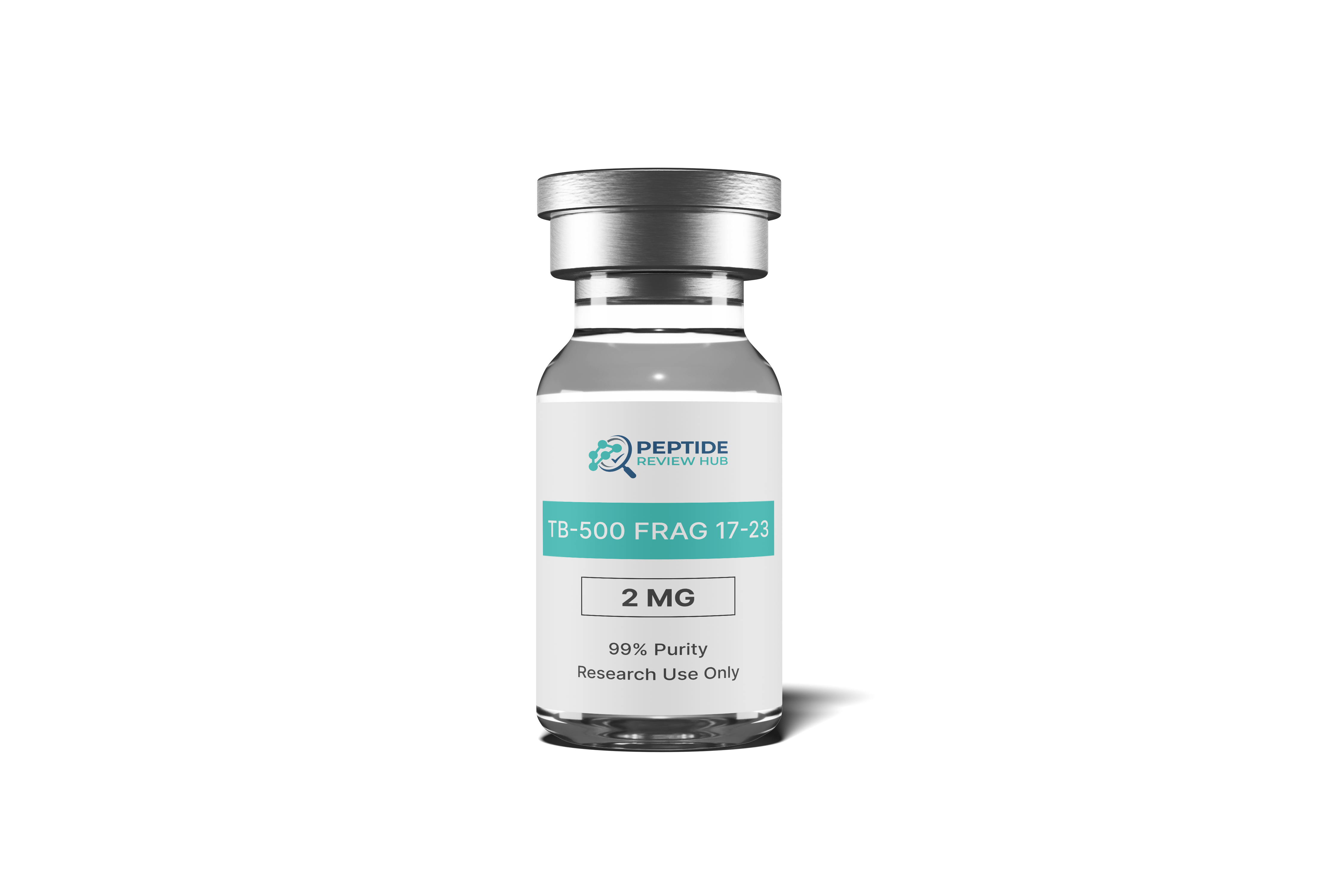
TB-500 Fragment (17–23) is a synthetic peptide corresponding to residues 17–23 of thymosin beta-4. Research has examined this fragment in relation to actin binding, cellular migration, tissue-repair pathways, and regenerative biology, primarily in preclinical and laboratory settings.
What is TB-500 2 mg Fragment (17-23)?
TB-500 Fragment (17–23) is a synthetic, -acetylated heptapeptide derived directly from the central functional domain of Thymosin Beta-4 (), a naturally occurring 43-amino-acid peptide expressed in most human tissue types. Encompassing amino acid residues 17 through 23, the sequence—Ac-LKKTETQ—represents the core, highly conserved actin-binding motif of the parent protein.
While full-length Thymosin Beta-4 serves multi-faceted intracellular and extracellular roles, the 17–23 fragment was engineered specifically to isolate the localized biochemical interactions between this essential sequence and globular actin (G-actin). By isolating this active binding cassette, researchers can examine cytoskeletal regulation, actin polymerization dynamics, cell migration pathways, focal adhesion remodeling, and localized tissue repair mechanisms without the confounding effects of secondary functional domains present in the full-length parent protein.
Supplied as a highly stable, lyophilized powder at analytical purity, TB-500 Fragment (17–23) serves as a precision research tool for in vitro, ex vivo, and preclinical laboratory studies across regenerative biology, molecular pharmacology, cellular physiology, and bio-engineering.
Structural Engineering & Molecular Biochemistry
To evaluate the utility of TB-500 Fragment (17–23), researchers must distinguish between the truncated 7-amino-acid fragment and the native, full-length 43-amino-acid Thymosin Beta-4 polypeptide.
1. The Active Actin-Binding Motif (LKKTETQ)
Native Thymosin Beta-4 acts as the primary intracellular actin-sequestering protein in eukaryotic cells. The specific heptapeptide sequence spanning residues 17–23 (Leu-Lys-Lys-Thr-Glu-Thr-Gln) forms the primary contact surface that interacts directly with the cleft between subdomains 1 and 3 of monomeric .
2. N-Terminal Acetylation (Ac-)
In its synthetic form, the N-terminal leucine residue is modified with an acetyl group (Ac-). This modification protects the peptide against rapid degradation by N-terminal aminopeptidases, enhancing chemical stability in aqueous solutions during laboratory assays and extending its functional half-life during experimental incubations.
3. Molecular Weight & Structural Conformational Flexibility
With a molecular mass of approximately (compared to for native ), the reduced steric footprint of the 17–23 fragment allows for distinct diffusion kinetics across cellular membranes and extracellular matrix environments. This smaller size facilitates targeted structural studies investigating direct protein-peptide binding without steric interference from neighboring polypeptide regions.
Mechanism of Action & Cellular Dynamics
The primary biochemical role of the sequence centers on its capacity to interact with the cytoskeletal network. Actin dynamics govern fundamental cellular processes, including cell shape maintenance, lamellipodia formation, focal adhesion assembly, directional motility, and cytokinesis.
1. Regulation of G-Actin Sequestration & F-Actin Polymerization
In resting cells, monomers are maintained in a dynamic equilibrium with filamentous actin (). Upon binding to , the motif inhibits spontaneous nucleotide exchange and prevents premature assembly into filaments. By regulating the pool of available , the peptide modulates the rate and spatial orientation of filament assembly at the leading edge of migrating cells.
2. Induction of Cell Motility & Chemotaxis
Cellular migration is a multi-step cycle involving membrane protrusion, adhesion, cell body contraction, and rear detachment. The 17–23 sequence promotes localized actin treadmilling, driving the formation of filopodia and lamellipodia. Experimental observations indicate that exposure to the fragment enhances directional movement in several key regenerative cell populations:
Fibroblasts: Accelerating matrix deposition and mechanical tension generation during structural tissue repair models.
Keratinocytes: Facilitating epithelial re-sheathing and border closure in scratch-wound assays.
Endothelial Cells: Supporting capillary sprout formation, directional alignment, and early-stage angiogenic responses.
3. Extracellular Matrix (ECM) Interactions & Remodeling
Beyond direct cytoskeletal interactions, research indicates that the presence of the active actin-binding motif influences downstream gene expression and protein secretion profiles. Laboratory models demonstrate alterations in matrix metalloproteinase (MMP) activity, collagen alignment, and fibronectin expression, contributing to structural matrix organization during tissue remodeling phases.
Primary Laboratory Research Domains
1. Wound Healing & Epithelial Regeneration
A major area of scientific investigation focuses on cutaneous and mucosal wound-healing models. Researchers employ scratch assays and 3D organotypic culture systems to evaluate how TB-500 Fragment (17–23) accelerates cell migration into denuded areas. While full-length Tbeta4 exhibits broader anti-inflammatory and anti-apoptotic signaling, comparative studies aim to determine how much of the accelerated re-epithelialization rate is driven purely by LKKTETQ-mediated motility versus secondary anti-inflammatory cascades.
2. Angiogenesis & Endothelial Cell Biology
Blood vessel growth (angiogenesis) relies on coordinated endothelial cell proliferation, migration, and lumen formation. The 17–23 fragment is routinely studied in tube-formation assays on basement membrane matrices (Matrigel) to determine its capacity to stimulate endothelial cell alignment into microvascular structures. Understanding these capillary sprouting mechanisms provides insights into tissue vascularization during repair.
3. Musculoskeletal & Tendon Repair Models
Connective tissue injury models—such as tendon, ligament, and skeletal muscle micro-trauma—frequently evaluate cell responses to actin-modulating mimetics. Investigators evaluate how the fragment influences tenocyte proliferation, collagen type I and III synthesis ratios, and biomechanical strength recovery in experimental models of mechanical overload.
4. Cardiovascular & Ischemic Tissue Research
Following ischemic injury, cardiac myofibroblasts and endothelial progenitor cells undergo significant cytoskeletal reorganization. Research protocols explore whether exposure to the isolated actin-binding motif can support cellular survival, attenuate fibrotic scar tissue formation, or promote local vascular remodeling in cultured cardiomyocytes and endothelial networks.
Comparative Analysis: Parent Protein vs. Fragment
Because published literature frequently references "TB-500" or "Thymosin Beta-4" interchangeably, researchers must carefully distinguish between the full-length protein and the isolated 17–23 fragment when interpreting experimental data.
Product Characteristics & Quality Control
High Analytical Purity: Every batch is subjected to Reverse-Phase High-Performance Liquid Chromatography (RP-HPLC) to ensure an analytical purity profile meeting or exceeding .
Mass Spectrometry Verification: Electrospray Ionization Mass Spectrometry (ESI-MS) validates the exact molecular weight and confirms correct amino acid assembly.
Controlled Lyophilization: Freeze-dried under nitrogen to yield a uniform cake that exhibits rapid reconstitution characteristics.
Minimal Counter-Ion Residue: Processed to minimize residual salt and moisture content, ensuring baseline reproducibility across delicate cell culture protocols.
Reconstitution & Laboratory Handling Protocols
To ensure optimal stability and activity of TB-500 Fragment (17–23) during experimental procedures, adhere to standard peptide handling practices:
Equilibration: Prior to reconstitution, allow the frozen vial to warm to ambient room temperature (). This minimizes air intake and prevents condensation from contaminating the dried cake.
Reconstitution: Slowly add sterile, deionized water (ddH2O), 0.9% sterile sodium chloride solution, or sterile phosphate-buffered saline (PBS, pH 7.4) along the inner glass wall of the vial.
Mixing: Gently rotate or swirl the vial until the lyophilized powder completely dissolves. Do not vortex vigorously, as aggressive mechanical agitation can disrupt hydrogen bonding and cause peptide aggregation.
Storage & Aliquoting: For immediate use, store reconstituted solutions at 2C-8C for up to 7 days. For long-term storage, aliquot the solution into sterile, low-binding polypropylene tubes and freeze at -20C or -80C. Avoid repeated freeze-thaw cycles.
Where to Buy TB-500 2 mg Fragment (17-23) Online
| Rank | Vendor | Trust Score | Vial Size | Price / mg | Status | Action |
|---|---|---|---|---|---|---|
1 |  Peptide Hubs Verified | 9.0/10 Editorial Rating | $50.00 10mg vial | $5.00/mg | Out of Stock | Visit Site |
2 | 8.7/10 Editorial Rating | $38.00 10mg vial | $3.80/mg | In Stock | Visit Site | |
3 | 7.8/10 Editorial Rating | $24.99 110mg vial | $0.23/mg | In Stock | Visit Site | |
4 |  Core Peptides Verified | 4.0/10 Editorial Rating | $78.00 10mg vial | $7.80/mg | In Stock | Visit Site |
5 | N/A/10 Editorial Rating | $99.00 10mg vial | $9.90/mg | In Stock | Visit Site | |
6 | N/A/10 Editorial Rating | $300.00 10mg vial | $30.00/mg | In Stock | Visit Site | |
7 | N/A/10 Editorial Rating | $161.00 10mg vial | $16.10/mg | In Stock | Visit Site | |
8 | N/A/10 Editorial Rating | $48.00 10mg vial | $4.80/mg | In Stock | Visit Site |






Top-Ranked Vendor
Peptide Hubs Review (2026): COA Transparency, Reputation, Pricing, Policies & Shipping Analysis
Review Methodology: This review is based on publicly available information from the official Peptide Hubs website, independent review platforms, and third-party sources available at the time of writing. All findings are presented objectively and unsupported claims have not been included.
Brand Overview
Company Name
Peptide Hubs
Website
Industry
Research Peptides & Research Chemicals
Main Products
Research Peptides
GLP-1 Research Compounds
Growth Hormone Releasing Peptides
Recovery Peptides
Cosmetic Peptide Products
Research Blends
Research Serums
Headquarters
The website references New York (NY 11784, United States). A specific corporate headquarters address could not be independently verified. [peptidehubs.com], [peptidehubs.com]
Shipping Regions
United States
International Shipping Available
Payment Methods
Information Not Publicly Available.
Company Summary
About Peptide Hubs
Peptide Hubs positions itself as a supplier of research peptides and research-related compounds intended exclusively for laboratory and scientific research purposes. The company states that it partners with manufacturers operating under WHO/GMP and ISO 9001:2015 standards while providing third-party tested research compounds and Certificates of Analysis (COAs). [peptidehubs.com], [peptidehubs.com]
The company's catalog includes a broad range of products commonly used in peptide research, including BPC-157, TB-500, Semaglutide, Retatrutide, Ipamorelin, Cagrilintide, NAD+, Epitalon, and numerous blends and specialty products. The website also emphasizes independent quality testing, secure ordering, and global shipping availability. [peptidehubs.com], [peptidehubs.com]
According to domain information referenced by third-party sources, the peptidehubs.com domain was registered in March 2025, making it a relatively new entrant compared to some long-established peptide vendors. [scam-detector.com]
The company promotes third-party testing, competitive pricing, free shipping on larger orders, and research-use-only compliance. However, some details regarding company ownership, executive leadership, and extensive third-party consumer review history remain limited in publicly available sources. [peptidehubs.com], [peptidehubs.com]
COA Transparency Review
Score: 8.5/10
Analysis
Peptide Hubs places significant emphasis on product testing and transparency. The company states that products undergo third-party testing and that Certificates of Analysis (COAs) are provided. It also highlights WHO/GMP manufacturing partnerships and purity verification through independent quality testing. [peptidehubs.com], [peptidehubs.com]
The website specifically states that Certificates of Analysis are available and that products are third-party tested for purity. Product pages and company information repeatedly reference analytical verification and product documentation. [peptidehubs.com], [peptidehubs.com]
The primary limitation is that COAs are not always immediately visible from every product page before purchase, and actual batch reports appear to require customer access or request-based retrieval. While transparency is stronger than many smaller competitors, greater public access to batch-specific reports would improve confidence.
Overall, Peptide Hubs demonstrates a higher-than-average commitment to testing transparency compared with many newer peptide vendors.
Score: 8.5/10
Sources:
Reputation Review
Score: 6.5/10
Analysis
Reputation is currently one of the more difficult categories to assess due to limited third-party review volume.
A dedicated Trustpilot business profile for Peptide Hubs was not located during research, meaning a verified Trustpilot score could not be confirmed. [uk.trustpilot.com]
Independent review coverage exists on niche industry websites. One review noted strong marks for product quality, shipping speed, product selection, and packaging, while also describing the company as a legitimate research peptide supplier. However, this represents editorial commentary rather than a large-scale consumer review dataset. [steroids.reviews]
Scam Detector currently assigns peptidehubs.com a medium trust score of 55.5/100 and notes the domain was registered in March 2025, indicating a relatively young online presence. [scam-detector.com]
The lack of extensive customer review history across major independent review platforms prevents a higher score despite positive indicators from the website itself.
Score: 6.5/10
Sources:
https://www.scam-detector.com/validator/peptidehubs-com-review/ [scam-detector.com]
https://www.steroids.reviews/peptide-hubs [steroids.reviews]
Pricing Review
Score: 9/10
Analysis
Pricing appears to be one of Peptide Hubs' strongest competitive advantages.
Examples from the product catalog show aggressive pricing across popular peptide categories:
BPC-157 5mg: $15
TB-500 5mg: $24
PT-141 10mg: $18
Semax 10mg: $21
Tirzepatide 5mg: $36
The site also markets frequent discounts, with many products listed at approximately 40% off standard retail pricing. [peptidehubs.com]
The company additionally offers:
Free shipping on orders above $599
Promotional pricing
Sale pricing across multiple product categories
[peptidehubs.com], [peptidehubs.com]
A publicly visible loyalty program was not identified during research, which prevents a perfect score. However, overall pricing compares favorably with industry averages.
Score: 9/10
Sources:
Policies Review
Score: 7.5/10
Analysis
Peptide Hubs maintains publicly accessible Terms of Use and policy pages. The company clearly states that all products are sold for research purposes only and includes comprehensive legal disclaimers. [peptidehubs.com], [peptidehubs.com]
Positive elements include:
Transparent research-use-only disclosures
Order cancellation provisions
Refund handling documentation
Product availability explanations
However, several policy areas could be improved:
Refund eligibility details are somewhat limited
Return process lacks extensive procedural guidance
No satisfaction guarantee identified
Some policy wording appears generalized
While policies are available and reasonably transparent, they are not as detailed as those offered by larger industry leaders.
Score: 7.5/10
Sources:
Shipping Review
Score: 8.5/10
Analysis
Peptide Hubs publicly discloses shipping information with greater transparency than many competitors.
Published shipping details include:
Domestic U.S. delivery: 4-5 business days
International delivery: 13-15 business days
Free shipping above $600
Flat-rate shipping options
International shipping support
The company also promotes secure and discreet shipping practices. Independent reviews have additionally referenced fast delivery and secure packaging. [steroids.reviews], [peptidehubs.com]
Tracking information appears to be available through account management and order tracking systems. [peptidehubs.com]
The only factor preventing a higher rating is limited independent verification from high-volume review sources regarding delivery consistency.
Score: 8.5/10
Sources:
https://peptidehubs.com/page/about-peptide-hubs [peptidehubs.com]
https://www.steroids.reviews/peptide-hubs [steroids.reviews]
Catalog Review
Score: 9/10
Analysis
Peptide Hubs offers a substantial catalog of research compounds.
Product categories include:
Recovery Peptides
Growth Hormone Peptides
GLP-1 Research Compounds
Research Blends
Research Serums
Cosmetic Peptides
Specialty Research Products
The catalog includes many popular products researchers commonly seek, including:
BPC-157
TB-500
Semaglutide
Retatrutide
Cagrilintide
Ipamorelin
Epitalon
Semax
PT-141
Catalog organization is straightforward and product coverage is broad. The company compares favorably with many mid-sized peptide vendors.
Score: 9/10
Sources:
Overall Score
Overall Score: 8.2/10
Calculation:
COA Transparency: 8.5
Reputation: 6.5
Pricing: 9.0
Policies: 7.5
Shipping: 8.5
Catalog: 9.0
Average: 8.2/10
What We Like
Strengths
Third-party testing is prominently emphasized.
Certificates of Analysis are available for products.
Broad catalog covering numerous peptide categories.
Competitive pricing across popular products.
Free shipping threshold available.
Domestic and international shipping options.
Detailed research-use-only disclosures.
WHO/GMP and ISO-related manufacturing claims disclosed.
What Could Be Better
Areas for Improvement
Limited verified Trustpilot presence.
Relatively young domain and operating history.
Public access to batch-specific COAs could be easier.
More detailed refund and replacement policies would improve transparency.
Additional independent review volume would strengthen confidence.
Corporate leadership information is not prominently disclosed.
Online Ratings & Reviews
Trustpilot
Rating
Information Not Publicly Available
Review Count
Information Not Publicly Available
Key Positive Themes
Information Not Publicly Available
Key Negative Themes
Information Not Publicly Available
Finnrick
Rating
No verified Finnrick vendor rating for Peptide Hubs could be located during research. [finnrick.com], [finnrick.com]
Key Findings
Information Not Publicly Available
Notable Observations
Peptide Hubs does not appear among publicly visible Finnrick vendor leaderboards reviewed during research. [finnrick.com], [finnrick.com]
Other Review Sources
Scam Detector
Trust Score: 55.5/100
Classification: Medium Trust / Proceed With Caution
Domain Registration: March 2025
Steroids.Reviews
Editorial Score: 4.3/5
Positive feedback regarding product quality, packaging, shipping, and catalog depth.
Overall Public Sentiment
Current sentiment appears generally positive but limited in volume.
Most Common Praise
Product selection
Pricing
Shipping speed
Packaging quality
Lab testing transparency
[steroids.reviews], [peptidehubs.com]
Most Common Complaints
Limited operating history
Lack of extensive third-party review data
Need for stronger independent reputation verification
Final Verdict
Conclusion
Peptide Hubs appears to be a promising research peptide supplier that focuses heavily on competitive pricing, broad product availability, and transparency regarding testing and quality assurance. The company publicly states that products undergo third-party testing and that Certificates of Analysis are available, both of which are positive indicators for research purchasers. [peptidehubs.com], [peptidehubs.com]
The strongest areas are pricing, catalog depth, shipping transparency, and quality-related claims. Researchers seeking a large selection of peptides at competitive prices will likely find the platform appealing. [peptidehubs.com], [peptidehubs.com]
The largest weakness is reputation maturity. Because the domain was registered in 2025 and verified review volume remains relatively limited, Peptide Hubs has not yet built the long-term reputation profile enjoyed by more established industry vendors. [scam-detector.com]
Overall, based strictly on publicly available information, Peptide Hubs demonstrates several positive trust indicators, but researchers should still perform standard due diligence, verify COAs before purchase, and monitor independent review platforms as additional customer feedback becomes available.
Final Rating: 8.2/10
Chemical Properties & Handling
Standard storage protocols for lyophilized peptides generally apply unless otherwise specified.
- Lyophilized (Powder): Store at -20°C for up to 3 years. Keep away from direct light and moisture.
- Reconstituted (Liquid): Store at 2-8°C (refrigerated) and use within 20-30 days to maintain stability.
Research Reviews
No Research Reviews Yet
Be the first to share your research protocol and vendor experience with TB-500 2 mg Fragment (17-23).
Best TB-500 2 mg Fragment (17-23) Vendors & Price Comparison
TB-500 Fragment (17-23) is a synthetic heptapeptide derived from the central actin-binding domain of Thymosin Beta-4 (Tβ4). Consisting of the sequence Ac-LKKTETQ, this research peptide is designed to isolate and study the functional actin-regulatory properties of the parent protein while minimizing the influence of other biological domains present in full-length Thymosin Beta-4.
Researchers investigate TB-500 Fragment (17-23) because of its relationship with:
Actin-binding biology
Cytoskeletal regulation
Cell migration
Tissue remodeling
Extracellular matrix organization
Angiogenesis research
Wound-healing models
Regenerative biology
As demand for regenerative and cell-signaling research compounds continues to expand, researchers frequently compare TB-500 Fragment (17-23) suppliers based on purity, analytical testing, manufacturing standards, pricing, and supplier transparency.
This TB-500 Fragment (17-23) Vendor Price Comparison Guide helps researchers evaluate suppliers using objective criteria including:
Product Pricing
Cost Per Milligram
Product Purity
Third-Party Testing
Certificate of Analysis (COA)
Vendor Reputation
Customer Reviews
Shipping Performance
Product Availability
Overall Value
Whether you're searching for the lowest-priced TB-500 Fragment supplier, the highest-purity research-grade material, or vendors offering extensive analytical verification, this guide provides a structured framework for comparing peptide suppliers.
Explore TB-500 Fragment (17-23) Vendors by Criteria
Most Popular TB-500 Fragment Vendors
Compare suppliers frequently selected by regenerative biology researchers.
Highest Reviewed Vendors
Discover peptide suppliers with strong customer satisfaction and industry reputations.
Lowest Price Vendors
Identify suppliers offering competitive pricing and favorable cost-per-milligram value.
Highest Purity Vendors
Review suppliers providing transparent purity verification and analytical testing.
Best Value Vendors
Compare pricing, laboratory documentation, testing standards, and customer support.
Fastest Shipping Vendors
Evaluate fulfillment speed, packaging quality, and delivery performance.
Newly Listed Vendors
Explore recently added suppliers offering TB-500 Fragment (17-23).
What Is TB-500 Fragment (17-23)?
Overview
TB-500 Fragment (17-23) is a synthetic, N-acetylated heptapeptide derived from residues 17-23 of naturally occurring Thymosin Beta-4.
Researchers investigate this fragment because of its association with:
Actin regulation
Cell motility
Cytoskeletal organization
Cellular migration
Tissue repair biology
Structural remodeling
Angiogenic signaling
Matrix organization
Unlike full-length Thymosin Beta-4, the fragment allows researchers to isolate and study the biologically important actin-binding sequence independently.
Molecular Characteristics
Peptide Information
Researchers evaluating TB-500 Fragment (17-23) products should carefully review analytical documentation and molecular specifications.
Peptide Name
TB-500 Fragment (17-23)
Parent Protein
Thymosin Beta-4 (Tβ4)
Classification
Synthetic Actin-Binding Heptapeptide
Research Category
Regenerative Biology & Cytoskeletal Research
Active Sequence
Ac-LKKTETQ
Length
7 Amino Acids
Structural Feature
N-Terminal Acetylation
Product Format
Lyophilized Powder
Typical Purity
≥99% Analytical Purity
Why Researchers Study TB-500 Fragment (17-23)
TB-500 Fragment has generated substantial scientific interest because it isolates the principal actin-binding region of Thymosin Beta-4.
Researchers investigate pathways involving:
G-actin binding
F-actin polymerization
Cellular migration
Tissue regeneration
Cytoskeletal remodeling
Extracellular matrix signaling
These pathways remain active areas of regenerative biology research.
Structural Engineering & Molecular Biochemistry
Active Actin-Binding Domain
One of the most important features of TB-500 Fragment (17-23) is the sequence:
LKKTETQ
Researchers investigate this motif because it serves as the primary actin-binding region within Thymosin Beta-4.
Studies examine:
Protein-peptide interactions
Actin sequestration
Filament organization
Cytoskeletal regulation
Cellular movement
N-Terminal Acetylation
The synthetic peptide contains an acetyl modification at the N-terminus.
Researchers investigate this modification because it may influence:
Chemical stability
Peptide longevity
Enzymatic resistance
Experimental reproducibility
Solution stability
Molecular Size Advantages
The relatively small size of the 17-23 fragment allows researchers to examine:
Direct protein interactions
Binding behavior
Diffusion characteristics
Structural biology
Molecular pharmacology
with reduced influence from other regions of the parent protein.
Mechanism of Research Interest
G-Actin Regulation Research
One of the primary focuses of TB-500 Fragment research involves interactions with globular actin (G-actin).
Researchers investigate pathways involving:
Actin sequestration
Cytoskeletal organization
Filament assembly
Cellular architecture
Structural dynamics
These pathways remain central to understanding cellular movement and adaptation.
F-Actin Polymerization Research
Scientists continue studying pathways related to:
Actin filament formation
Cellular morphology
Cytoskeletal remodeling
Cell migration
Movement-associated signaling
Further research remains ongoing.
TB-500 Fragment & Cell Migration Research
Cellular Motility Research
Researchers investigate TB-500 Fragment because of its relationship with cellular movement.
Areas of study include:
Cell migration
Chemotaxis
Cytoskeletal adaptation
Focal adhesion dynamics
Cellular communication
This remains one of the most important areas of investigation.
Fibroblast Research
Scientists continue exploring pathways involving:
Matrix production
Tissue remodeling
Mechanical signaling
Cellular migration
Connective-tissue adaptation
Keratinocyte Research
Researchers investigate pathways involving:
Cellular migration
Epithelial repair
Tissue maintenance
Surface-cell biology
Structural adaptation
Endothelial Cell Research
Studies frequently examine:
Endothelial migration
Cellular alignment
Vascular development
Tissue support systems
Structural biology
TB-500 Fragment & Wound-Healing Research
Tissue Repair Research
One of the most extensively studied applications of TB-500 Fragment involves tissue repair biology.
Researchers investigate pathways involving:
Cellular movement
Structural reorganization
Tissue remodeling
Regenerative biology
Matrix adaptation
Epithelial Regeneration Research
Scientists study pathways involving:
Surface-tissue repair
Cellular migration
Structural integrity
Matrix communication
Regenerative signaling
Further investigations remain active.
TB-500 Fragment & Angiogenesis Research
Blood Vessel Formation Research
TB-500 Fragment has attracted interest because of its relationship with angiogenic processes.
Researchers investigate:
Endothelial dynamics
Capillary formation
Vascular signaling
Cellular organization
Structural development
Vascular Biology Research
Studies continue examining pathways involving:
Blood-vessel remodeling
Cellular communication
Tissue perfusion models
Endothelial physiology
Regenerative signaling
TB-500 Fragment & Musculoskeletal Research
Tendon Biology Research
Researchers investigate pathways involving:
Tenocyte function
Collagen synthesis
Tissue adaptation
Mechanical stress responses
Connective-tissue biology
Ligament Research
Scientists continue exploring:
Tissue remodeling
Fibroblast signaling
Cellular maintenance
Structural adaptation
Matrix organization
Skeletal Muscle Research
Research includes pathways involving:
Muscle-cell adaptation
Regenerative signaling
Mechanical overload models
Cytoskeletal organization
Tissue maintenance
TB-500 Fragment & Extracellular Matrix Research
ECM Remodeling Research
Researchers investigate pathways involving:
Collagen organization
Fibronectin expression
Matrix signaling
Cellular communication
Tissue architecture
This remains a major area of regenerative research.
Matrix Metalloproteinase Research
Scientists continue studying pathways involving:
MMP activity
Tissue remodeling
Structural adaptation
Cellular migration
Matrix turnover
TB-500 Fragment & Cardiovascular Research
Ischemic Tissue Research
Researchers investigate pathways involving:
Cellular resilience
Vascular adaptation
Cardiac remodeling
Tissue maintenance
Endothelial biology
Cardiovascular Signaling Research
Studies examine relationships involving:
Cellular communication
Cytoskeletal dynamics
Structural adaptation
Vascular signaling
Tissue organization
Parent Protein vs Fragment Research
Why Researchers Differentiate the Two
Researchers should distinguish between:
Full-Length Thymosin Beta-4
43 amino acids
Multiple biological domains
Broad biological activity
TB-500 Fragment (17-23)
7 amino acids
Isolated actin-binding sequence
Targeted structural research applications
This distinction is important when interpreting scientific literature.
Quality & Analytical Testing
Why Testing Matters
Research-grade TB-500 Fragment products should undergo analytical testing to verify:
Identity
Purity
Structural integrity
Stability
Batch consistency
Common Testing Methods
Reverse-Phase High-Performance Liquid Chromatography (RP-HPLC)
Used to analyze purity and identify impurities.
Electrospray Ionization Mass Spectrometry (ESI-MS)
Used to verify molecular identity and sequence accuracy.
Identity Verification
Confirms correct amino-acid assembly.
Batch Consistency Analysis
Measures reproducibility across production lots.
Structural Characterization
Validates molecular composition and integrity.
Why Researchers Compare TB-500 Fragment Vendors
Research reproducibility depends heavily on peptide quality and manufacturing consistency.
Differences among suppliers may include:
Product purity
Batch reliability
Analytical verification
Manufacturing standards
Documentation quality
Storage procedures
Stability testing
Quality-control programs
Careful supplier selection can improve consistency across laboratory studies.
How We Compare Vendors
Third-Party Laboratory Testing
Researchers should prioritize suppliers offering:
✅ Third-party testing
✅ Identity verification
✅ Purity confirmation
✅ Batch-specific reports
✅ Analytical documentation
Certificate of Analysis (COA)
A quality COA should contain:
Batch number
Testing date
Purity percentage
Identity verification
Testing methodology
Product Purity
Purity remains one of the most important variables when evaluating research peptides.
Higher-purity products generally contribute to improved reproducibility and consistency.
Cost Per Milligram
Comparing vial prices alone may not accurately reflect value.
Cost Per Milligram Formula
Product Price ÷ Total Milligrams = Cost Per Milligram
This metric standardizes vendor comparisons.
TB-500 Fragment Vendor Evaluation Checklist
Quality Verification
✅ Third-party testing available
✅ Certificate of Analysis provided
✅ Identity verification documented
✅ Purity information disclosed
✅ RP-HPLC testing available
✅ Mass spectrometry verification available
Vendor Reliability
✅ Positive customer reviews
✅ Transparent company information
✅ Responsive customer support
✅ Reliable inventory availability
Purchasing Experience
✅ Secure checkout process
✅ Shipment tracking available
✅ Clear return policies
✅ Reliable fulfillment systems
Frequently Asked Questions
What is TB-500 Fragment (17-23)?
TB-500 Fragment (17-23) is a synthetic heptapeptide derived from the actin-binding domain of Thymosin Beta-4 and is used in cellular, regenerative, and cytoskeletal research.
What is TB-500 Fragment used for in research?
Researchers investigate TB-500 Fragment in studies involving actin regulation, cell migration, wound-healing models, angiogenesis, extracellular matrix remodeling, tissue adaptation, and regenerative biology.
How is TB-500 Fragment different from Thymosin Beta-4?
The fragment contains only the core actin-binding sequence (LKKTETQ), whereas full-length Thymosin Beta-4 contains 43 amino acids and exhibits broader biological functionality.
What should researchers review before purchasing?
Researchers should evaluate:
Certificate of Analysis (COA)
Third-party testing
RP-HPLC purity analysis
Mass spectrometry verification
Vendor reputation
Customer reviews
Why is analytical testing important?
Independent verification helps confirm peptide identity, purity, structural integrity, and batch consistency, improving research reproducibility.
Final Thoughts
TB-500 Fragment (17-23) remains an important research peptide because it isolates the key actin-binding region of Thymosin Beta-4, allowing researchers to investigate cell migration, cytoskeletal organization, tissue remodeling, angiogenesis, extracellular matrix biology, and regenerative processes with greater precision. Ongoing research continues expanding scientific understanding of how cellular movement and structural adaptation contribute to tissue repair and regeneration.
When comparing TB-500 Fragment vendors, researchers should prioritize purity verification, third-party analytical testing, Certificate of Analysis availability, RP-HPLC validation, mass spectrometry confirmation, supplier reputation, and overall value rather than focusing solely on price.
Current Research & Evidence
Research evidence for TB-500 2 mg Fragment (17-23) has not yet been added.
Key Findings on TB-500 2 mg Fragment (17-23) Use
Key findings for TB-500 2 mg Fragment (17-23) have not yet been added.
Related Peptides in Peptide
PT 21
PT-21 is an experimental research peptide investigated in controlled laboratory studies of cellular signaling, molecular pathways, tissue biology, and cellular responses. Supplied as a research material for qualified researchers, it is intended strictly for in vitro research and not for human or animal use.
SS-31
SS-31, also known as elamipretide or MTP-131, is a synthetic mitochondria-targeted tetrapeptide studied in laboratory research involving cardiolipin interactions, mitochondrial respiration, oxidative stress, ATP production, and cellular energy metabolism.
GLP-1
GLP-1 is a peptide hormone studied in research involving GLP-1 receptor signaling, cellular communication, metabolic biology, pancreatic pathways, and gastrointestinal research. It is intended strictly for laboratory research and not for human or animal consumption.
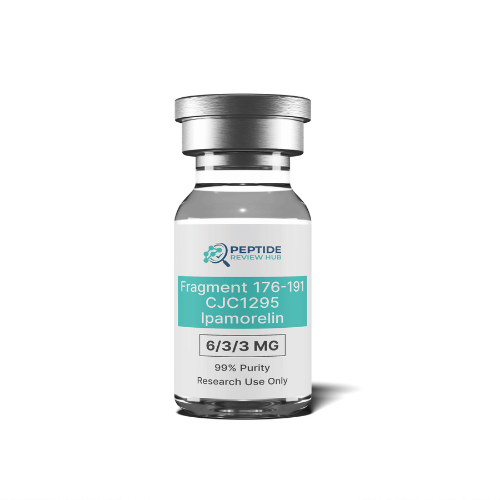
Fragment-176-191-CJC1295-Ipamorelin
Fragment-176-191-CJC1295-Ipamorelin is a research peptide blend combining Fragment 176-191, CJC-1295, and Ipamorelin for laboratory research into growth hormone signaling, metabolic pathways, adipose biology, and IGF-1-related mechanisms.