
How to Inject Compounded Semaglutide: Step-by-Step Guide, Safety Tips, and Best Practices
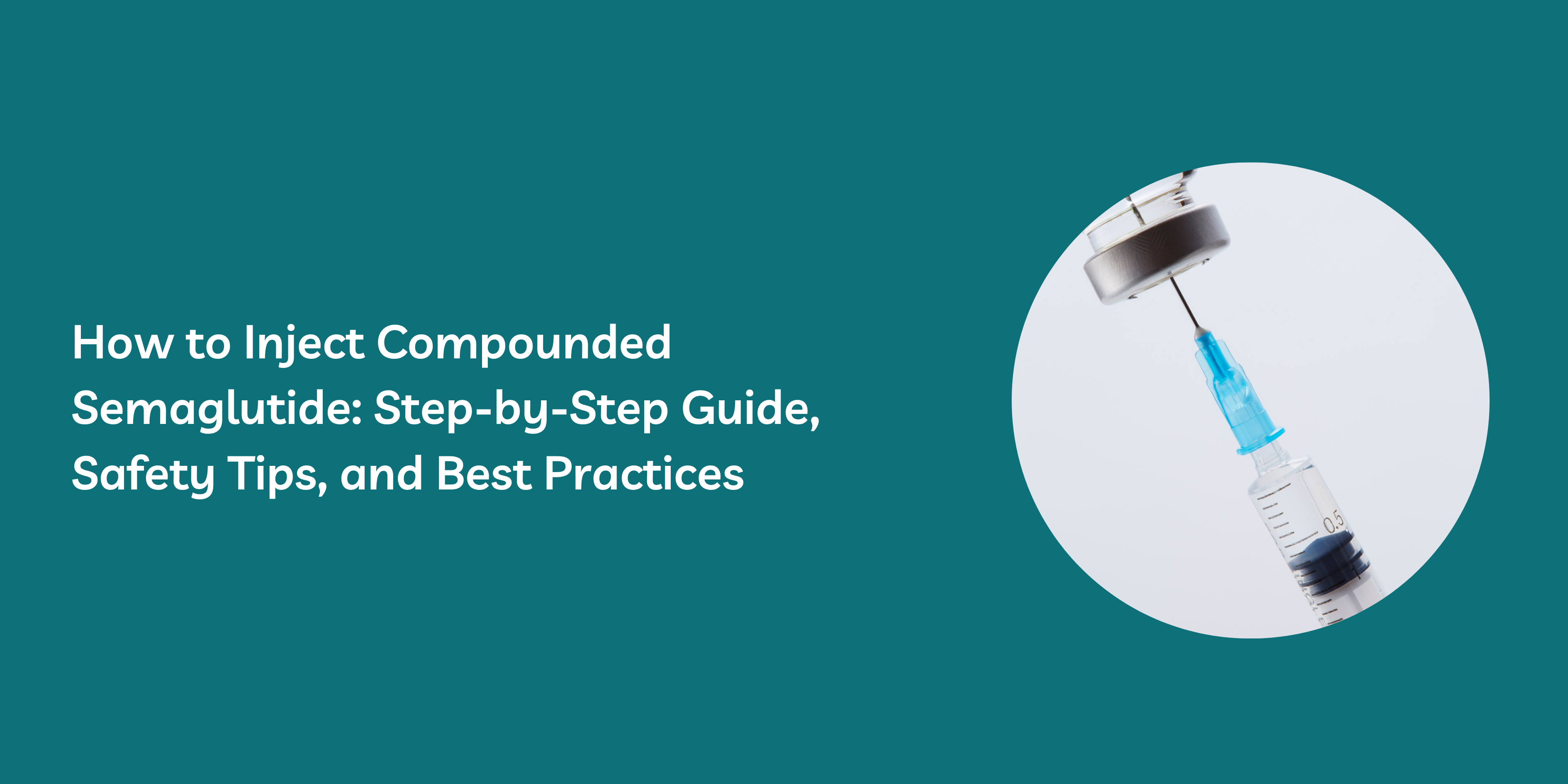
Compounded semaglutide has become a popular option for patients looking for more accessible GLP-1 therapy under the guidance of a healthcare provider. Unlike prefilled injection pens, compounded versions are often supplied in multi-dose vials, meaning patients must measure each dose using a syringe before administration.
The process may seem intimidating at first, but understanding the correct technique can make weekly injections simple and routine. Proper handling, accurate dosing, and good hygiene practices are essential for reducing mistakes and ensuring the medication is used as intended.
This guide explains how compounded semaglutide injections are typically prepared and administered, including vial handling, syringe measurements, injection techniques, storage recommendations, and common mistakes to avoid.
What Is Compounded Semaglutide and How Is It Injected?
Compounded semaglutide is generally administered as a subcutaneous injection, meaning the medication is delivered into the fatty tissue just beneath the skin. Most patients inject it once weekly using a sterile insulin syringe drawn from a multi-dose vial.
Common injection areas include:
Lower abdomen (away from the belly button)
Front or outer thigh
Upper arm area
Because compounded formulations can vary in concentration, always follow the specific instructions provided by your prescribing provider or pharmacy.
Step-by-Step Guide to Drawing Compounded Semaglutide From a Vial
Before starting, gather all necessary supplies:
Compounded semaglutide vial
Sterile insulin syringe (commonly 1 mL with a 29- or 31-gauge needle)
Alcohol swabs
Sharps disposal container
Before drawing your dose, check the vial label carefully. Confirm:
Medication name
Concentration (such as 5 mg/mL or 10 mg/mL)
Prescribed dose
Expiration date or beyond-use date
Step 1: Wash Your Hands and Prepare the Area
Wash your hands thoroughly with soap and water. Prepare a clean surface where you can organize your supplies.
Avoid touching the needle or syringe tip to maintain sterility.
Step 2: Clean the Vial Stopper
Use an alcohol swab to wipe the rubber stopper on the vial. Allow it to completely dry before inserting the needle.
This step helps reduce the chance of introducing bacteria into the medication.
Step 3: Add Air Into the Syringe
Remove the syringe from its packaging without touching the needle.
Pull the plunger back and fill the syringe with air equal to the amount of medication you plan to draw. Insert the needle through the center of the vial stopper and push the air into the vial.
Adding air helps balance pressure inside the vial and makes medication withdrawal smoother.
Step 4: Draw the Medication
Turn the vial upside down while keeping the needle inside.
Slowly pull the plunger back until you reach the prescribed amount. Check the syringe for air bubbles.
If bubbles appear:
Tap the syringe gently.
Allow bubbles to move toward the needle.
Push the air back into the vial.
Redraw the medication if needed.
Once the correct amount is measured, remove the syringe from the vial.
How to Inject Compounded Semaglutide Correctly
After preparing your syringe, choose an injection site and follow these steps.
Step 1: Select an Injection Site
Common areas include:
Abdomen, at least two inches away from the belly button
Front of the thigh
Back or outer area of the upper arm
Rotate locations each week to reduce irritation.
Step 2: Clean the Skin
Wipe the chosen area with an alcohol swab and allow it to dry completely.
Injecting before the alcohol dries can cause unnecessary stinging.
Step 3: Insert the Needle
Pinch a small fold of skin using your non-dominant hand.
Hold the syringe like a pencil and insert the needle into the skin fold at a 90-degree angle using a smooth motion.
Step 4: Deliver the Medication
Push the plunger slowly and steadily until the syringe is empty.
Keep the needle in place for another two to three seconds before removing it. This helps ensure the full dose is delivered.
Remove the needle and avoid rubbing the injection area afterward.
Understanding Compounded Semaglutide Dosage Measurements
One of the biggest differences between compounded semaglutide and prefilled pens is that doses must often be measured manually.
Your provider prescribes the dose in milligrams (mg), but the syringe measurement depends on the vial concentration.
For example:
A vial containing 5 mg/mL concentration:
A 0.25 mg dose equals 0.05 mL (5 units on a standard insulin syringe)
A vial containing 10 mg/mL concentration:
A 0.5 mg dose equals 0.05 mL
Because concentrations vary between pharmacies, never assume that the same number of syringe units equals the same medication amount.
The most common mistake with compounded formulations is drawing the wrong volume. Always confirm the conversion with your healthcare provider or pharmacist before your first injection.
Storage and Hygiene Rules You Should Follow
Proper storage and handling help maintain medication quality.
Follow these best practices:
Use a New Syringe Every Time
Never reuse needles or syringes. Reusing equipment can:
Increase infection risk
Introduce bacteria into the vial
Cause more discomfort because needles become dull
Dispose of used syringes immediately in an approved sharps container.
Store the Medication Correctly
Most compounded semaglutide solutions require refrigeration, commonly between 36°F and 46°F, unless your pharmacy provides different instructions.
Always check:
Storage requirements
Beyond-use date (BUD)
Expiration information
Compounded medications often have shorter stability periods compared with commercially manufactured products.
Reconstitution: When Your Medication Comes as Powder
Some compounded semaglutide products may arrive as a freeze-dried powder that requires mixing with a specific diluent before use.
If reconstitution is required:
Follow pharmacy instructions exactly.
Use only the recommended diluent amount.
Store the medication properly after mixing.
Do not guess measurements.
Once prepared, many compounded medications require refrigeration and should be used within the timeframe provided by the pharmacy, often around 28 to 30 days.
Common Injection Mistakes to Avoid
Avoid these frequent errors:
Measuring the Wrong Dose
Because vial strengths differ, always calculate based on the exact concentration listed on your medication label.
Injecting the Same Spot Repeatedly
Repeated injections in the same area can cause irritation. Rotate injection sites weekly and leave space between injection locations.
Poor Hygiene Practices
Skipping hand washing, failing to clean the vial stopper, or reusing syringes can increase contamination risks.
Ignoring Injection Site Reactions
Mild redness or tenderness may occur. However, contact your healthcare provider if you notice:
Persistent swelling
Increasing pain
Significant redness
Hard lumps that do not improve
How Effective Is Semaglutide Compared With Other GLP-1 Medications?
Clinical research has shown that GLP-1 medications can support meaningful weight reduction when combined with lifestyle changes and medical supervision.
Average weight loss reported in major studies:
Medication
Average Weight Loss
Tirzepatide
Around 22% of body weight
Semaglutide
Around 15% of body weight
Liraglutide
Around 8% of body weight
Retatrutide (investigational)
Around 24% in Phase 2 research
Individual results vary based on factors such as dose, adherence, diet, activity level, and overall health.
Tips for a Better Injection Experience
To make weekly injections easier:
Set a reminder for your weekly injection day.
Prepare supplies before starting.
Let refrigerated medication reach room temperature briefly if your pharmacy instructions allow.
Rotate injection locations.
Keep a record of doses and injection dates.
Contact your provider if you are unsure about measurements.
Final Thoughts
Learning how to inject compounded semaglutide correctly can make the process much easier and more comfortable. The key steps are simple: maintain cleanliness, measure carefully, inject into the proper area, and follow your pharmacy’s storage instructions.
Because compounded formulations can differ in concentration and preparation, always rely on the instructions provided with your specific medication. Working closely with a licensed healthcare provider ensures your treatment plan remains safe, accurate, and appropriate for your health goals.
Similar Blog Posts
All articles
9/7/2026
How to Evaluate Peptide Vendors and Avoid Common Red Flags
Read Article
9/7/2026
How to Choose a Reliable Research Peptide Vendor: A Complete Guide to COAs, Lab Testing, and Transparency
Read Article
9/1/2026