
Research Use Only. This compound is not intended for human consumption or therapeutic use.
Where to Buy Oxytocin: Vendor Comparison & Research Info
Oxytocin is a naturally occurring peptide hormone and neuropeptide involved in uterine contractions, lactation, social bonding, and neural signaling. Research continues to explore its effects on the brain, behavior, stress responses, and broader physiological pathways.
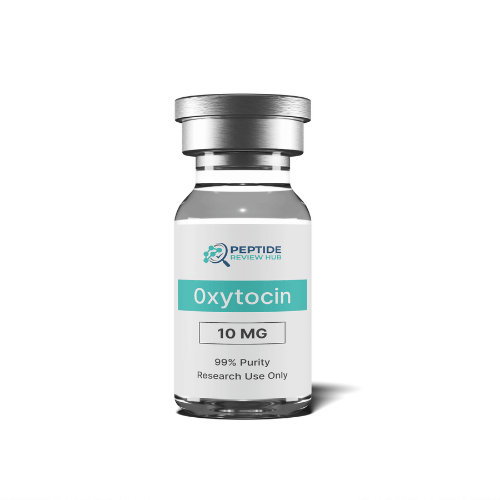
What is Oxytocin?
Oxytocin is a synthetic, high-purity representation of the endogenous cyclic nonapeptide hormone originally identified for its roles in reproductive biology and smooth muscle activation. Synthesized primarily within the magnocellular neurosecretory cells of the paraventricular and supraoptic nuclei of the hypothalamus, oxytocin is subsequently transported to the posterior pituitary gland for systemic secretion or released directly into central brain structures to act as a neuromodulator.
Chemically defined as a nine-amino-acid peptide featuring a critical intramolecular disulfide bridge between two cysteine residues, oxytocin acts as a selective agonist at the oxytocin receptor (OXTR). The peptide plays an indispensable role in neuroendocrinology, behavioral neuroscience, reproductive physiology, cardiovascular dynamics, and metabolic homeostasis.
Supplied as a stable, lyophilized powder at analytical purity, this 10 mg presentation provides an essential research tool for in vitro, ex vivo, and preclinical laboratory studies investigating G-protein coupled receptor (GPCR) cascades, social neurobiology, autonomic regulation, and cross-system neuroimmune interactions.
Molecular Structure & Biochemical Architecture
The structural integrity of oxytocin is defined by its primary sequence and a specific tertiary fold stabilized by a covalent linkage:
1. The Cyclic Core & Disulfide Bridge
Residues 1 through 6 form a rigid, six-amino-acid ring closed by an intramolecular disulfide bond (-S-S-) between and Cys1 and Cys6. This cyclic conformation is strictly required for high-affinity receptor recognition and activation at the binding pocket. Reduction of this disulfide bridge to free sulfhydryl groups abolishes its biological activity.
2. The Linear C-Terminal Tripeptide Tail
Residues 7 through 9 (Pro-Leu-Gly-NH2) extend from the cyclic core as an amidated linear tail. This region stabilizes the bioactive conformation and participates in binding interactions with the extracellular loops of the target receptor.
3. C-Terminal Amidation (-NH2)
The terminal glycine residue is amidated, mimicking the post-translational modification performed by peptidylglycine -amidating monooxygenase (PAM) in endogenous synthesis. This modification neutralizes negative terminal charges, protecting the peptide against carboxypeptidase degradation and preserving binding kinetics.
Receptor Signaling & Mechanism of Action
Oxytocin exerts its physiological effects almost exclusively through the oxytocin receptor (OXTR), a Class A Rhodopsin-like G-protein coupled receptor (GPCR). OXTR is widely distributed throughout central brain regions (amygdaloid complex, ventromedial hypothalamus, nucleus accumbens, hippocampus) and peripheral tissues (uterine myometrium, mammary myoepithelium, myocardium, vascular endothelium, and immune cells).
Upon ligand binding, engages distinct intracellular signaling pathways depending on the tissue type and functional G-protein coupling:
Gαq/11 Phospholipase Cβ(PLCβ)Pathway: Primary activation of stimulates , hydrolyzing phosphatidylinositol 4,5-bisphosphate () into inositol 1,4,5-trisphosphate () and diacylglycerol (). triggers rapid calcium () efflux from the sarcoplasmic/endoplasmic reticulum into the cytosol. Elevated intracellular calcium complexes with calmodulin to activate myosin light chain kinase (), driving smooth muscle contraction in uterine and mammary tissue.
Protein Kinase C (PKC) & Extracellular Signal-Regulated Kinase (ERK) Pathways: Simultaneously, activates , initiating downstream signaling cascades. In neuronal and cardiac tissues, this pathway modulates gene transcription, cell survival, synaptic remodeling, and long-term potentiation (LTP).
Gαi/o Coupling: In specific central neuronal populations, can couple to sub-types, inhibiting adenylyl cyclase activity and reducing intracellular cyclic AMP(cAMP) levels to modulate neuronal excitability and neurotransmitter release.
Primary Laboratory Research Domains
1. Social & Behavioral Neuroscience
Oxytocin is a principal experimental model for investigating the neurobiology of social cognition and emotional regulation. Researchers study central oxytocin transmission in animal models to evaluate:
Social Recognition & Memory: How oxytocin signaling in the medial amygdala and hippocampus modulates social habituation and partner discrimination.
Pair Bonding & Attachment: The neural mechanisms in the nucleus accumbens and ventral striatum where oxytocin interacts with dopaminergic (D2) signaling to establish social preferences.
Anxiolysis & Stress Adaptation: Attenuation of hypothalamic-pituitary-adrenal (HPA) axis reactivity by suppressing corticotropin-releasing hormone (CRH) release in the paraventricular nucleus.
2. Reproductive Physiology & Smooth Muscle Kinetics
In smooth muscle dynamics, oxytocin serves as the primary benchmark for studying receptor-mediated mechanical tension generation. Ex vivo tissue baths and cell models utilize oxytocin to examine:
Uterine Myometrium Dynamics: Estrogen-dependent upregulation of density and gap junction formation (Connexin-43) during labor induction models.
Mammary Myoepithelium: Milk ejection reflex dynamics via rapid myoepithelial contraction surrounding alveolar structures.
3. Cardiovascular Physiology & Metabolic Homeostasis
Modern research highlights oxytocin's role beyond neuroendocrinology, examining its cardioprotective and metabolic regulatory properties:
Cardioprotection: Stimulation of atrial natriuretic peptide (ANP) release from cardiomyocytes, aiding blood pressure regulation, anti-inflammatory cascades, and post-ischemic tissue repair.
Energy Balance: Central administration models demonstrate reduced high-fat food intake, improved peripheral insulin sensitivity, and enhanced lipolysis in adipose tissue.
4. Neuroimmune Interactions & Tissue Repair
Oxytocin receptors expressed on macrophages, neutrophils, and lymphocytes modulate local inflammatory cascades. Research protocols evaluate oxytocin's capacity to downregulate pro-inflammatory cytokines (TNF-α, IL-1β, IL-6), reduce oxidative stress, and accelerate cutaneous and mucosal wound healing models.
Technical Specifications & Analytical Parameters
Chemical Name: Oxytocin
Sequence Format: (Disulfide bridge: 1 6)
CAS Registry Number: 50-56-6
Molecular Formula: C43H66N12O12S2
Molecular Weight: 1,007.19 g/mol
Purity Level: (Verified by RP-HPLC)
Identity Verification: Mass Spectrometry (ESI-MS) & High-Performance Liquid Chromatography (HPLC)
Physical Appearance: Lyophilized, white to off-white cake/powder
Net Quantity: 10.0 mg per serum vial
Solubility Profile: Highly soluble in sterile water, saline, or buffered aqueous media ()
Recommended Storage: Store at (desiccated, dark environment)
Lyophilized Shelf Life: under specified frozen conditions
Product Quality & Handling
Analytical Verification: Every batch undergoes Reverse-Phase High-Performance Liquid Chromatography (RP-HPLC) and Electrospray Ionization Mass Spectrometry (ESI-MS) to guarantee structural identity, correct disulfide linkage, and high purity.
Lyophilized Format: Freeze-dried under nitrogen to preserve the sensitive disulfide bridge, ensuring stability during transport and storage before reconstitution.
Reconstitution Protocol
Equilibration: Allow frozen vials to adjust to ambient room temperature (20C-25C) prior to opening to prevent air humidity condensation on the lyophilized cake.
Reconstitution: Gently add sterile water, sodium chloride, or phosphate-buffered saline (PBS, pH 7.4 ) along the inner glass wall of the vial.
Dissolution: Swirl the vial with a gentle circular motion until the peptide fully dissolves. Avoid vigorous shaking or vortexing, as mechanical shear stress can disrupt peptide tertiary structure and induce aggregation.
Storage: Aliquot reconstituted solutions into sterile polypropylene microcentrifuge tubes and store at or to avoid repeated freeze-thaw cycles. Reconstituted solutions stored at should be used within 7 to 10 days.
Research Disclaimer: Oxytocin is supplied strictly for laboratory research, scientific evaluation, and in vitro or preclinical experimentation. It is not intended for human consumption, therapeutic administration, clinical diagnostic use, or veterinary applications. Handling must be restricted to qualified research personnel.
Where to Buy Oxytocin Online
| Rank | Vendor | Trust Score | Vial Size | Price / mg | Status | Action |
|---|---|---|---|---|---|---|
1 | 9.3/10 Editorial Rating | $49.99 10mg vial | $5.00/mg | In Stock | Visit Site | |
2 |  Peptide Hubs Verified | 9.0/10 Editorial Rating | $50.00 10mg vial | $5.00/mg | Out of Stock | Visit Site |
3 | 8.7/10 Editorial Rating | $79.00 10mg vial | $7.90/mg | In Stock | Visit Site | |
4 |  Pure Peptide Labs Verified | 5.0/10 Editorial Rating | $24.95 10mg vial | $2.50/mg | In Stock | Visit Site |
5 |  Core Peptides Verified | 4.0/10 Editorial Rating | $52.00 10mg vial | $5.20/mg | In Stock | Visit Site |
6 | 4.0/10 Editorial Rating | $47.95 5mg vial | $9.59/mg | In Stock | Visit Site | |
7 | N/A/10 Editorial Rating | $39.99 10mg vial | $4.00/mg | In Stock | Visit Site | |
8 | N/A/10 Editorial Rating | $29.90 10mg vial | $2.99/mg | In Stock | Visit Site | |
9 | N/A/10 Editorial Rating | $39.00 5mg vial | $7.80/mg | In Stock | Visit Site | |
10 | N/A/10 Editorial Rating | $49.00 10mg vial | $4.90/mg | In Stock | Visit Site | |
11 | N/A/10 Editorial Rating | $29.00 5mg vial | $5.80/mg | In Stock | Visit Site | |
12 | N/A/10 Editorial Rating | $55.99 10mg vial | $5.60/mg | In Stock | Visit Site | |
13 | N/A/10 Editorial Rating | $560.00 10mg vial | $56.00/mg | In Stock | Visit Site | |
14 | N/A/10 Editorial Rating | $58.00 10mg vial | $5.80/mg | In Stock | Visit Site | |
15 | N/A/10 Editorial Rating | $60.00 10mg vial | $6.00/mg | In Stock | Visit Site | |
16 | N/A/10 Editorial Rating | $313.14 40mg vial | $7.83/mg | In Stock | Visit Site | |
17 | N/A/10 Editorial Rating | $35.99 10mg vial | $3.60/mg | In Stock | Visit Site | |
18 | N/A/10 Editorial Rating | $45.00 10mg vial | $4.50/mg | In Stock | Visit Site | |
19 | N/A/10 Editorial Rating | $54.00 10mg vial | $5.40/mg | Out of Stock | Visit Site |














Top-Ranked Vendor

Overall Score
Category Scores
COA Transparency: 8.5/10
Reputation: 8.0/10
Pricing: 9.0/10
Policies: 8.0/10
Shipping: 8.5/10
Catalog: 9.5/10
Overall Score: 8.6/10
Calculation
(8.5 + 8.0 + 9.0 + 8.0 + 8.5 + 9.5) ÷ 6 = 8.58/10
COA Transparency
Score: 8.5/10
Analysis
Soma Chems places significant emphasis on product verification and quality assurance. The company promotes third-party testing and indicates that products are supported by Certificates of Analysis (COAs). Public information suggests that laboratory testing includes purity verification and analytical review of products before release.
The supplier also highlights quality-tested research compounds and publishes documentation supporting product verification. Compared with many research-peptide vendors, Soma Chems demonstrates a stronger commitment to transparency by referencing laboratory testing and quality-control procedures throughout its catalog.
However, the depth and consistency of publicly available COA documentation appear to vary among products. A larger archive of standardized batch-specific reports and easier access to historical testing data would further improve transparency.
Overall, Soma Chems performs well in this category and demonstrates an above-average focus on quality verification.
Reputation
Score: 8.0/10
Analysis
Soma Chems has established a growing reputation within the research-peptide industry and has received positive attention from several peptide-review platforms. Customer feedback commonly highlights fast shipping, competitive pricing, product quality, and responsive customer service.
Available reviews often praise the overall purchasing experience, reliable product availability, and communication during the ordering process. Several customers also reference repeat purchases and positive long-term experiences with the company.
Although the company does not yet have the same level of mainstream recognition as the largest peptide suppliers, its reputation profile appears to be steadily improving. Some customers have reported occasional shipping delays, but these complaints appear relatively limited compared with the volume of positive feedback.
Overall, Soma Chems maintains a positive reputation and favorable customer sentiment.
Pricing
Score: 9.0/10
Analysis
Pricing is one of Soma Chems' strongest competitive advantages. The supplier offers a large selection of peptides, sprays, amino products, blends, and specialty research compounds at pricing that is frequently lower than many premium competitors.
The company appears particularly focused on affordability without sacrificing product diversity. In addition to traditional peptide formats, Soma Chems offers oral formulations, sprays, and specialty blends that help differentiate its inventory from many competing suppliers.
Discounts, promotional offers, and value-oriented pricing further contribute to the company's appeal. Researchers seeking broad product availability at accessible pricing levels may find Soma Chems particularly attractive.
Overall, Soma Chems delivers excellent value for money and performs exceptionally well in the pricing category.
Policies
Score: 8.0/10
Analysis
Soma Chems provides clear research-use disclaimers and explains that its products are intended exclusively for analytical and scientific research purposes. The company also communicates that it is not a compounding pharmacy and provides policy information regarding privacy and data handling.
The supplier maintains accessible customer-service channels and basic ordering information, helping customers understand purchasing requirements and product restrictions.
While the company demonstrates above-average policy transparency compared with many peptide vendors, additional public detail regarding returns, refunds, exchanges, and shipment claims would strengthen the customer experience further.
Overall, policy information is professional, clear, and suitable for research-focused customers.
Shipping
Score: 8.5/10
Analysis
Shipping is frequently cited as a strength of the Soma Chems operation. Customer feedback often highlights fast fulfillment, prompt delivery, and reliable order processing.
The company appears focused on maintaining customer satisfaction through efficient shipping workflows and responsive communication. Review-platform feedback suggests that most customers experience timely deliveries and accurate order fulfillment.
Although isolated complaints regarding delayed shipments exist, they appear to represent exceptions rather than common experiences. The company also benefits from straightforward payment options that can simplify the ordering process for many customers.
Overall, shipping performance appears reliable and supports a positive customer experience.
Catalog
Score: 9.5/10
Analysis
Catalog depth is one of Soma Chems' most impressive strengths. The company offers more than 100 research products spanning peptides, amino compounds, sprays, liquids, blends, and specialty formulations.
Recovery and Regenerative Peptides
Examples
BPC-157
TB-500
GHK-Cu
LL-37
Growth and Performance Peptides
Examples
CJC-1295
Ipamorelin
Tesamorelin
IGF-LR3
Metabolic Research Compounds
Examples
AOD-9604
MOTS-C
Cagrilintide
Weight-management blends
Cognitive Research Compounds
Examples
Semax
Selank
Pinealon
P21
Specialty Products
Examples
Sprays
Amino formulations
Multi-peptide blends
NAD+
Melanotan products
The combination of variety, organization, and specialty offerings makes Soma Chems one of the broader catalogs currently available within this market segment.
What We Like
Positive Highlights
Large peptide and research-compound catalog.
Third-party testing emphasis.
COA availability.
Competitive pricing.
Strong product diversity.
Positive customer feedback.
Fast shipping reputation.
Availability of sprays and alternative formulations.
What Could Be Better
Areas for Improvement
More consistent public COA documentation.
Expanded historical testing archives.
Greater transparency regarding laboratory partners.
More detailed refund and return policies.
Increased mainstream review-platform presence.
Additional educational content for new researchers.
Online Ratings & Reviews
Trustpilot
Rating
Information Not Publicly Available.
Review Count
Information Not Publicly Available.
Key Positive Themes
Information Not Publicly Available.
Key Negative Themes
Information Not Publicly Available.
Finnrick
Rating
Information Not Publicly Available.
Key Findings
No verified Finnrick rating identified.
Limited supplier-specific analytical coverage available.
Notable Observations
Independent review activity is stronger on peptide-focused platforms.
Other Review Sources
Peptide Review Platforms
Rating
Approximately 4.7/5
Review Count
More than 20 publicly available reviews.
Key Findings
Positive comments regarding product quality.
Frequent praise for shipping speed.
Strong customer-service feedback.
Competitive pricing repeatedly highlighted.
Vendor Analysis Platforms
Key Findings
Large product inventory.
Competitive market positioning.
Strong value-oriented approach.
Broad availability of oral and spray formulations.
Community Discussions
Key Findings
Positive reception for affordability.
Appreciation for product diversity.
Growing visibility within the peptide community.
Overall Public Sentiment
Most Common Praise
Fast shipping.
Competitive pricing.
Product quality.
Large inventory.
Responsive customer support.
Easy ordering process.
Most Common Complaints
Occasional shipping delays.
Variability in COA depth.
Limited mainstream review coverage.
Relatively modest brand recognition compared with industry leaders.
Public Sentiment Summary
Overall sentiment is positive. Customers frequently praise Soma Chems for affordability, shipping speed, product availability, and quality. Most criticisms are relatively minor and relate to transparency enhancements or isolated logistical issues rather than product concerns.
Brand Overview
Company Name
Soma Chems
Website
Industry
Research Peptides and Research Compounds
Main Products
BPC-157
TB-500
GHK-Cu
CJC-1295
Ipamorelin
Tesamorelin
AOD-9604
MOTS-C
Semax
Selank
Pinealon
Melanotan products
Headquarters
Information Not Publicly Available
Shipping Regions
Information Not Publicly Available
Payment Methods
Credit Cards
Company Summary
Soma Chems is a research-peptide supplier focused on providing peptides, amino products, sprays, liquids, blends, and specialty research compounds. The company has developed a reputation for combining product diversity with competitive pricing, making it attractive to researchers seeking a broad range of compound options.
One of the company's strongest assets is its extensive catalog, which spans metabolic peptides, regenerative compounds, cognitive products, performance-focused peptides, and specialty formulations. The availability of sprays and alternative delivery formats further differentiates the supplier from many competitors.
Soma Chems also emphasizes quality verification through third-party testing and COA-supported products. These initiatives contribute positively to transparency and customer confidence. Customer reviews frequently highlight reliable fulfillment, affordable pricing, and responsive support.
While the company could strengthen transparency through a more extensive public archive of laboratory reports, it already provides many of the trust signals researchers seek when evaluating suppliers.
Overall, Soma Chems presents a strong profile supported by broad inventory depth, favorable pricing, quality-focused operations, and positive customer sentiment.
Final Verdict
Is Soma Chems Worth Considering?
Soma Chems appears best suited for researchers seeking a supplier that combines affordability, inventory depth, and product variety. The company's strongest advantages include competitive pricing, a large peptide catalog, positive customer feedback, and a growing reputation within the research-compound market.
The supplier performs especially well in categories related to product selection and value. Researchers can access a diverse range of compounds, including popular peptides, specialty blends, cognitive compounds, sprays, and amino-based formulations. This breadth makes the platform appealing for buyers who prefer sourcing from a single vendor.
Quality assurance also contributes positively to the company's profile. The supplier promotes laboratory testing and COA-backed products, helping support confidence in product quality and consistency. Customer feedback further reinforces strengths related to fulfillment and customer service.
The primary opportunities for improvement involve expanding public testing archives and providing greater transparency regarding laboratory partners and quality-control practices.
Overall, Soma Chems presents a positive profile characterized by excellent product diversity, strong value, and a growing reputation for quality and service. For many research-focused buyers, it represents a competitive option within the peptide marketplace.
Final Verdict Score: 8.6/10
Chemical Properties & Handling
Standard storage protocols for lyophilized peptides generally apply unless otherwise specified.
- Lyophilized (Powder): Store at -20°C for up to 3 years. Keep away from direct light and moisture.
- Reconstituted (Liquid): Store at 2-8°C (refrigerated) and use within 20-30 days to maintain stability.
Research Reviews
No Research Reviews Yet
Be the first to share your research protocol and vendor experience with Oxytocin.
Best Oxytocin Vendors & Price Comparison
Oxytocin is a synthetic research peptide modeled after the endogenous cyclic nonapeptide hormone naturally produced within the hypothalamus and released through the posterior pituitary. Researchers investigate Oxytocin because of its important role in neuroendocrinology, social behavior, reproductive physiology, smooth-muscle signaling, cardiovascular biology, metabolic regulation, and neuroimmune communication.
Its distinctive cyclic structure, stabilized by a critical disulfide bridge, makes Oxytocin one of the most extensively studied neuropeptides in modern biological research.
As interest in neuroscience, behavioral biology, receptor pharmacology, and neuroendocrine signaling continues to grow, researchers frequently compare Oxytocin suppliers based on purity, analytical testing, manufacturing standards, pricing, and supplier transparency.
This Oxytocin Vendor Price Comparison Guide helps researchers evaluate suppliers using objective criteria including:
Product Pricing
Cost Per Milligram
Product Purity
Third-Party Testing
Certificate of Analysis (COA)
Vendor Reputation
Customer Reviews
Shipping Performance
Product Availability
Overall Value
Whether you're searching for the lowest-priced Oxytocin supplier, the highest-purity research-grade material, or vendors offering extensive analytical verification, this guide provides a framework for comparing peptide suppliers.
Explore Oxytocin Vendors by Criteria
Most Popular Oxytocin Vendors
Compare suppliers frequently selected by neuroscience and neuroendocrinology researchers.
Highest Reviewed Vendors
Discover peptide suppliers with strong customer satisfaction and positive marketplace reputations.
Lowest Price Vendors
Identify suppliers offering competitive pricing and favorable cost-per-milligram value.
Highest Purity Vendors
Review suppliers providing transparent purity verification and analytical testing.
Best Value Vendors
Compare pricing, analytical documentation, quality-control standards, and customer support.
Fastest Shipping Vendors
Evaluate fulfillment speed, packaging reliability, and delivery performance.
Newly Listed Vendors
Explore recently added suppliers offering Oxytocin research peptides.
What Is Oxytocin?
Overview
Oxytocin is a cyclic nonapeptide hormone that functions through the Oxytocin Receptor (OXTR), a G-protein-coupled receptor (GPCR) distributed throughout the central nervous system and numerous peripheral tissues.
Researchers investigate Oxytocin because of its relationship with:
Neuroendocrine signaling
Social behavior research
Receptor pharmacology
Neurotransmitter regulation
Reproductive physiology
Cardiovascular biology
Metabolic homeostasis
Neuroimmune communication
Its broad physiological relevance makes Oxytocin one of the most important peptides in modern research.
Molecular Characteristics
Peptide Information
Researchers evaluating Oxytocin products should carefully review analytical documentation and molecular specifications.
Peptide Name
Oxytocin
Classification
Cyclic Nonapeptide Hormone
Research Category
Neuroscience & Neuroendocrine Research
CAS Number
50-56-6
Molecular Formula
C43H66N12O12S2
Molecular Weight
1,007.19 g/mol
Peptide Length
9 Amino Acids
Structural Feature
Intramolecular Disulfide Bridge
Product Format
Lyophilized Powder
Typical Purity
≥98% RP-HPLC Verified
Why Researchers Study Oxytocin
Oxytocin has generated enormous scientific interest because of its involvement in both central nervous system signaling and peripheral physiological regulation.
Researchers investigate pathways involving:
Social cognition
Behavioral adaptation
Neurotransmitter signaling
Cellular communication
Smooth-muscle physiology
Neuroendocrine regulation
These mechanisms remain active areas of scientific investigation.
Molecular Structure & Biochemical Architecture
Cyclic Core Structure
One of the defining features of Oxytocin is its cyclic structure formed by a disulfide bond linking two cysteine residues.
Researchers investigate this structural feature because it contributes to:
Receptor recognition
Binding affinity
Structural stability
Biological activity
Molecular signaling
This cyclic conformation is essential to Oxytocin research.
C-Terminal Amidation
Oxytocin naturally contains a C-terminal amidated glycine residue.
Researchers study this modification because it may influence:
Peptide stability
Receptor interactions
Degradation resistance
Molecular integrity
Pharmacological properties
Oxytocin Receptor Research
OXTR Signaling
The primary focus of Oxytocin research involves activation of the Oxytocin Receptor (OXTR).
Researchers investigate pathways involving:
GPCR signaling
Cellular communication
Hormonal regulation
Receptor activation
Signal transduction
This remains the central area of Oxytocin research.
Gαq/11 Signaling Research
Scientists continue examining pathways involving:
Phospholipase C activation
Intracellular calcium signaling
Cellular responsiveness
Signal amplification
Physiological regulation
Further studies remain ongoing.
PKC & ERK Research
Researchers investigate pathways involving:
Protein kinase signaling
Gene-expression regulation
Synaptic adaptation
Cellular survival
Molecular communication
Oxytocin & Social Neuroscience Research
Social Recognition Research
One of the most studied areas of Oxytocin biology involves social behavior.
Researchers investigate pathways involving:
Social recognition
Social memory
Behavioral adaptation
Neural communication
Cognitive signaling
This remains one of the largest areas of investigation.
Attachment & Bonding Research
Scientists continue studying pathways involving:
Social preference
Reward-system signaling
Behavioral regulation
Neurobiological communication
Cognitive adaptation
Further research remains active.
Stress & Resilience Research
Researchers examine pathways involving:
Stress-response signaling
Neuroendocrine regulation
HPA-axis communication
Behavioral adaptation
Cellular resilience
Oxytocin & Cognitive Research
Memory Research
Researchers investigate Oxytocin because of its relationship with:
Memory formation
Neural communication
Information processing
Learning mechanisms
Cognitive adaptation
Hippocampal Signaling Research
Scientists continue exploring:
Synaptic communication
Neuroplasticity
Cellular signaling
Long-term potentiation
Brain-network adaptation
Oxytocin & Reproductive Physiology Research
Uterine Signaling Research
Researchers investigate pathways involving:
Smooth-muscle contraction
Cellular communication
Tissue responsiveness
Hormonal regulation
Mechanical signaling
This remains a significant field of study.
Mammary Gland Research
Studies frequently examine pathways involving:
Myoepithelial signaling
Tissue communication
Cellular activation
Hormonal regulation
Physiological adaptation
Oxytocin & Cardiovascular Research
Cardiovascular Signaling Research
Researchers investigate Oxytocin because of its relationship with cardiovascular physiology.
Research areas include:
Cardiac communication
Cellular signaling
Tissue adaptation
Vascular biology
Physiological regulation
Cardiomyocyte Research
Scientists continue examining pathways involving:
Cellular resilience
Signal transduction
Tissue maintenance
Molecular adaptation
Cardiovascular physiology
Vascular Research
Researchers investigate pathways involving:
Endothelial signaling
Vascular communication
Tissue homeostasis
Cellular regulation
Physiological adaptation
Oxytocin & Metabolic Research
Energy Balance Research
Researchers continue studying pathways involving:
Metabolic regulation
Nutrient signaling
Energy homeostasis
Cellular adaptation
Hormonal communication
Insulin Signaling Research
Studies examine relationships involving:
Metabolic physiology
Endocrine regulation
Glucose biology
Cellular metabolism
Energy management
Lipid Metabolism Research
Scientists investigate pathways involving:
Fat metabolism
Cellular energy utilization
Hormonal signaling
Metabolic adaptation
Nutrient regulation
Oxytocin & Neuroimmune Research
Immune Signaling Research
Researchers investigate Oxytocin because of its relationship with immune-system communication.
Research includes:
Cytokine signaling
Cellular communication
Immune regulation
Stress adaptation
Tissue maintenance
Inflammatory Biology Research
Scientists continue studying pathways involving:
Pro-inflammatory signaling
Cellular responses
Tissue adaptation
Molecular regulation
Homeostatic processes
Oxytocin & Tissue Repair Research
Wound-Healing Research
Researchers investigate pathways involving:
Cellular migration
Tissue remodeling
Recovery mechanisms
Structural organization
Biological adaptation
Regenerative Biology Research
Studies continue examining:
Cellular communication
Tissue maintenance
Repair-associated signaling
Structural integrity
Physiological resilience
Why Researchers Compare Oxytocin Vendors
Research reproducibility depends heavily on peptide quality and manufacturing consistency.
Differences among suppliers may include:
Product purity
Batch consistency
Stability testing
Manufacturing standards
Analytical verification
Product documentation
Storage procedures
Quality-control systems
Careful supplier evaluation helps improve reliability across laboratory studies.
How We Compare Oxytocin Vendors
Third-Party Laboratory Testing
Researchers should prioritize suppliers offering:
Third-party testing
Identity verification
Purity analysis
Batch-specific reports
Structural confirmation
Certificate of Analysis (COA)
A quality COA should include:
Batch number
Testing date
Purity percentage
Identity verification
Analytical methodology
Product Purity
Purity remains one of the most important variables when evaluating research peptides.
Higher-purity products generally contribute to improved experimental reproducibility.
Cost Per Milligram
Comparing vial prices alone may not accurately reflect value.
Cost Per Milligram Formula
Product Price ÷ Total Milligrams = Cost Per Milligram
This metric standardizes vendor comparisons.
Customer Reviews
Customer experiences often provide insight regarding:
Product consistency
Packaging quality
Shipping reliability
Customer support
Purchasing experience
Vendor Reputation
Established peptide suppliers often demonstrate:
Transparent testing programs
Reliable analytical verification
Positive customer feedback
Consistent inventory availability
Quality & Analytical Testing
Why Testing Matters
Research-grade Oxytocin products should undergo testing to verify:
Identity
Purity
Structural integrity
Correct disulfide linkage
Stability
Batch consistency
Common Testing Methods
Reverse-Phase High-Performance Liquid Chromatography (RP-HPLC)
Used to assess purity and identify impurities.
Electrospray Ionization Mass Spectrometry (ESI-MS)
Used to verify molecular identity and peptide composition.
Identity Verification
Confirms peptide authenticity and correct sequence.
Structural Characterization
Verifies proper molecular architecture and disulfide bonding.
Batch Consistency Analysis
Measures reproducibility across manufacturing lots.
Storage & Handling
Researchers should follow validated laboratory procedures.
Best practices include:
✅ Protect from moisture
✅ Protect from excessive heat
✅ Minimize light exposure
✅ Allow vial equilibration before reconstitution
✅ Avoid repeated freeze-thaw cycles
✅ Follow validated storage protocols
✅ Use sterile laboratory handling techniques
Proper handling helps maintain peptide integrity and stability.
Understanding Oxytocin Pricing
Several factors influence supplier pricing.
Product Purity
Higher-purity peptides typically command premium pricing.
Manufacturing Complexity
Cyclic peptides containing disulfide bridges require specialized synthesis and quality-control procedures.
Analytical Verification
Extensive testing programs improve transparency and increase manufacturing costs.
Research Demand
Growing interest in neuroscience, behavioral biology, and neuroendocrine research contributes to market demand.
Vendor Reputation
Established suppliers often charge more because of rigorous quality-assurance standards.
Oxytocin Vendor Evaluation Checklist
Quality Verification
✅ Third-party testing available
✅ Certificate of Analysis provided
✅ RP-HPLC purity documentation available
✅ Mass spectrometry verification available
✅ Identity confirmation documented
✅ Batch-specific reports available
✅ Stability testing available
Vendor Reliability
✅ Positive customer reviews
✅ Transparent company information
✅ Responsive customer support
✅ Reliable inventory availability
Purchasing Experience
✅ Secure checkout process
✅ Shipment tracking available
✅ Clear return policies
✅ Reliable order fulfillment
Frequently Asked Questions
What is Oxytocin?
Oxytocin is a cyclic nonapeptide hormone and neuropeptide that functions primarily through the Oxytocin Receptor (OXTR) and is extensively studied in neuroscience, neuroendocrinology, reproductive biology, and cardiovascular research.
What is Oxytocin used for in research?
Researchers investigate Oxytocin in studies involving social behavior, stress adaptation, receptor pharmacology, cognitive biology, smooth-muscle signaling, cardiovascular physiology, metabolic regulation, neuroimmune communication, and tissue repair.
What receptor does Oxytocin target?
Oxytocin primarily acts through the Oxytocin Receptor (OXTR), a Class A G-protein-coupled receptor (GPCR).
What should researchers review before purchasing?
Researchers should evaluate:
Certificate of Analysis (COA)
Third-party testing
RP-HPLC purity verification
Mass spectrometry confirmation
Identity verification
Vendor reputation
Why is analytical testing important?
Independent testing helps verify peptide identity, purity, structural integrity, proper disulfide bond formation, and batch consistency, improving research reproducibility.
Final Thoughts
Oxytocin remains one of the most important neuropeptides in modern scientific research because of its involvement in social neuroscience, neuroendocrine signaling, receptor pharmacology, reproductive physiology, cardiovascular biology, metabolic regulation, neuroimmune communication, and tissue-repair pathways. Ongoing investigations continue expanding scientific understanding of how Oxytocin influences cellular communication and physiological adaptation across multiple biological systems.
When comparing Oxytocin vendors, researchers should prioritize purity verification, third-party analytical testing, Certificate of Analysis availability, RP-HPLC validation, mass spectrometry confirmation, supplier reputation, and overall value rather than focusing exclusively on price. A structured vendor-comparison process can help identify suppliers capable of meeting rigorous research-quality standards.
Current Research & Evidence
Research evidence for Oxytocin has not yet been added.
Key Findings on Oxytocin Use
Key findings for Oxytocin have not yet been added.
Related Peptides in Peptide
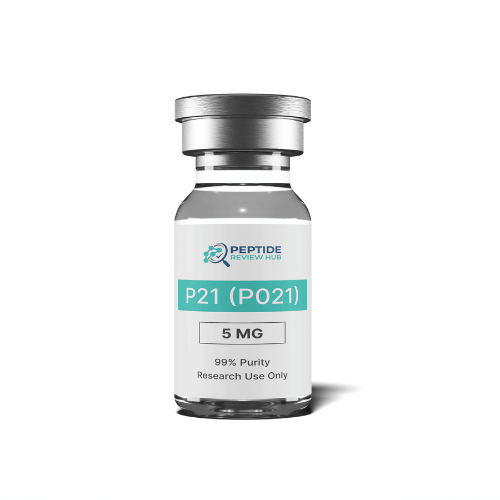
PT 21
PT-21 is an experimental research peptide investigated in controlled laboratory studies of cellular signaling, molecular pathways, tissue biology, and cellular responses. Supplied as a research material for qualified researchers, it is intended strictly for in vitro research and not for human or animal use.
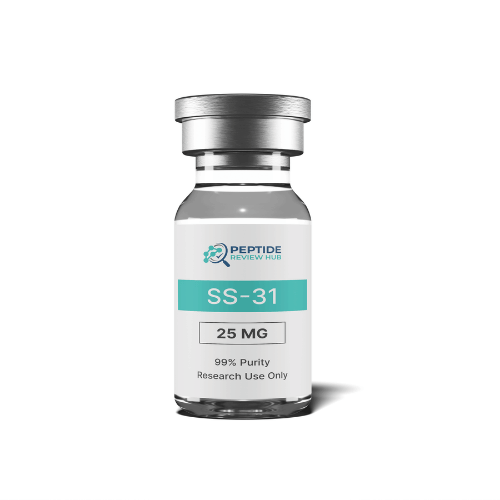
SS-31
SS-31, also known as elamipretide or MTP-131, is a synthetic mitochondria-targeted tetrapeptide studied in laboratory research involving cardiolipin interactions, mitochondrial respiration, oxidative stress, ATP production, and cellular energy metabolism.
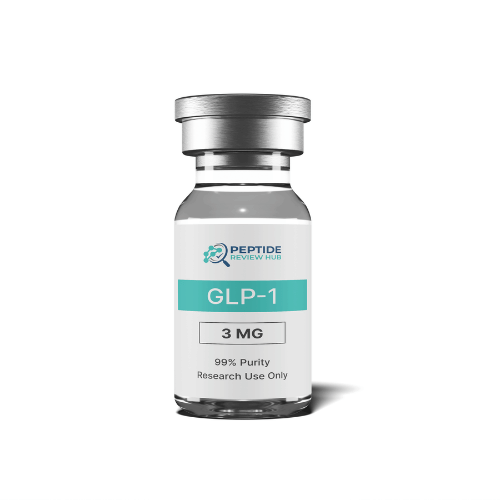
GLP-1
GLP-1 is a peptide hormone studied in research involving GLP-1 receptor signaling, cellular communication, metabolic biology, pancreatic pathways, and gastrointestinal research. It is intended strictly for laboratory research and not for human or animal consumption.
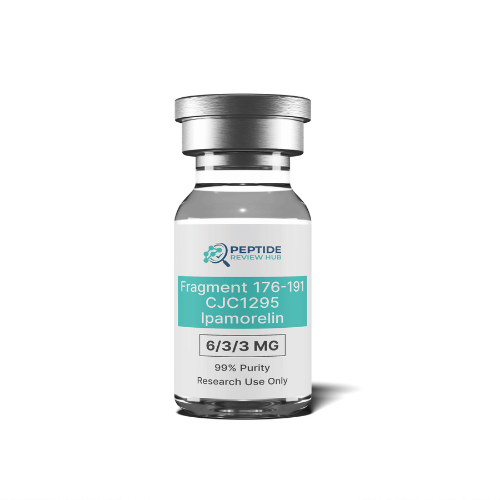
Fragment-176-191-CJC1295-Ipamorelin
Fragment-176-191-CJC1295-Ipamorelin is a research peptide blend combining Fragment 176-191, CJC-1295, and Ipamorelin for laboratory research into growth hormone signaling, metabolic pathways, adipose biology, and IGF-1-related mechanisms.