
Research Use Only. This compound is not intended for human consumption or therapeutic use.
Where to Buy PNC-27: Vendor Comparison & Research Info
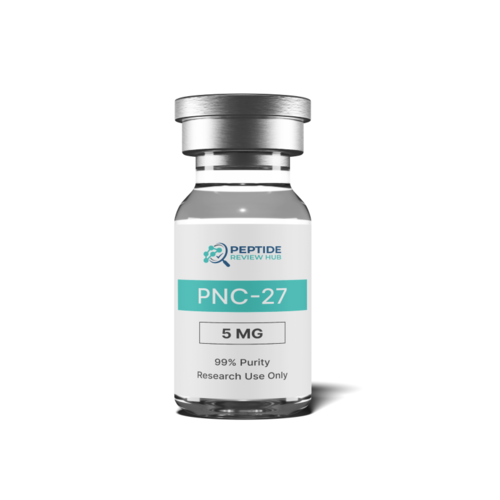
PNC-27 is a synthetic anti-cancer peptide that binds HDM-2 and thus prevents its interaction with the p53 tumor suppressor protein. Research shows that it selectively kills cancer cells by inducing membranolysis (destruction of the cell membrane).
What is PNC-27?
What is PNC-27?
PNC-27 is a synthetically created peptide designed to specifically target and destroy cancer cells. It is a member of the PNC set of investigational proteins designed to attach to malformed (cancerous) cells and cause them to die through cell necrosis, all while leaving normal, healthy cells intact and unharmed.
The PNC-27 peptide contains an HDM-2 binding domain corresponding to residues 12-26 of p53 and a transmembrane-penetrating domain. This has been found to enable the peptide to bind to and kill cancer cells through membranolysis, or disruption of the cell membrane.
Through research and study on animal subjects, the PNC-27 peptide has been shown to be highly effective in selectively targeting a wide variety of specific forms of cancer, including pancreatic cancer, breast cancer, leukemia, melanoma, and additional cancer lines.
PNC-27 Peptide
Molecular formula: C188H293N53O44S Molar Mass: 4031.7
How Does the PNC-27 Peptide Work?
PNC proteins were first theorized and created in 2000 by Drs. Matthew Pincus and Joseph Michl at the SUNY Downstate Medical Center in New York. Although they were originally intended to combat HIV, PNC-27 showed a remarkable ability to bind to cancer cells, causing them to die, while leaving healthy cells undamaged.
The PNC-27 cancer peptide is a nontoxic compound that causes the death of cancer cells only, leaving all other healthy cells unaffected. It is able to do this by attaching to the membranes of the individual cancer cells, creating holes in those membranes. As a result of the holes, rapid implosion occurs, leading to swift cell death due to the osmotic pressure difference in the inside vs. outside of the tumor cells.
PNC-27 accomplishes this due to its affinity for binding to a protein called HDM-2. Cancer cells have HDM-2 in their cell membranes. When the PNC-27 peptide is administered, it immediately travels to the HDM-2 located in the membranes of cancerous cells. By binding to them, it creates pores or holes in the cell membrane, causing “membranolysis,” or death of the cell membrane. This in turn leads to the destruction of the cancer cell.
Clinical Studies of the PNC-27 Peptide
In a paper published by the American Association for Cancer Research in 2010, Drs. Ehsan Sarafraz-Yazdi et al. revealed in depth how the PNC-27 cancer peptide exerted its effects and what its novel mechanism of action meant for the field of cancer research.[5] The paper’s authors reported that the peptide’s mechanism of action is due to the formation of oligomeric pores in the plasma membrane of tumor cells. Concurrently, oligomeric pores are not formed in untransformed, or non-tumor, cells. Further, they noted that it has been shown that MDM2 as a targeting molecule leads to PNC-27 selectivity towards cancer cells by its mis-localization to cancer cell plasma membranes.
Researchers concluded that these findings are descriptive of the unique localization of MDM2 variants in the plasma membranes of cancerous cells.[5] Further, they stated that this knowledge may hint at great promise for the PNC-27 peptide as a future anti-cancer drug pending clinical trials.
The PNC-27 research peptide has even been the subject of a fascinating Ted Talk. It can be seen conducted by Dr. Sarafraz-Yazdi, an Assistant Professor in the Division of Gynecologic Oncology at The State University of New York (SUNY).
PNC-27 Peptide Reviews
When the PNC-27 peptide is administered in animal studies, certain aspects have been noted in successful outcomes. Researchers have noted pain levels subjectively drop in a mean time of about a week. By the 3 week mark, animal subjects often present with flu-like symptoms, a likely indicator that subjects’ immune systems are responding to the death of cancer cells.
At 6 weeks, lactate dehydrogenase and bilirubin levels typically increase. Substantial tumor breakdown in successful research outcomes is often observed at around the 10 week mark. At this time, the tumors are noted to become softer and more pliable.
Some increase in the size of the tumor itself may be noted at this time. However, this is often due to inflammation because of immune system response. By the end of 3 months, researchers often notice animal study subjects to exhibit increased energy levels and reduced cancer-related symptoms.
PNC-27 Side Effects in Studies
PNC-27 side effects have been observed in animal studies. These have included skin and nose inflammation, watery eyes, dry skin, high blood pressure, headache, back pain, nosebleed, rectal bleeding, taste change, and too much protein in the urine.
PNC-27 Clinical Trials
In a 2009 study, researchers found that the previously established 3 dimensional structure of PNC-27’s p53 residues was directly superimposable on the structure for the same residues bound to HDM-2. This led the researchers to infer that PNC-27 could target HDM-2 in cancer cells’ membranes.
Notably, cancer cells have significant levels of HDM-2 in their membranes, while untransformed or noncancerous cells do not have significant levels of HDM-2. This allows the PNC-27 peptide to selectively target the cancerous cells, leaving undamaged the healthy surrounding tissue.
Upon further experimentation, it was discovered that by implanting untransformed cells not susceptible to PNC-27 with HDM-2 containing a membrane localization signal, these cells then became susceptible to PNC-27. As a result, this constituted further evidence that the PNC-27 peptide was able to selectively target HDM-2 in the membranes of cancer cells and destroy them via membranolysis, all while leaving healthy cells unharmed.
Further, in a 2010 study published in Cancer Chemotherapy and Pharmacology, researchers determined that PNC-27 exerts its cancer cell destroying effects as a whole peptide, not fragments. With the knowledge that the peptide forms transmembrane pores in the cancer cell membrane, researchers set out to determine whether these pores were created by parts of the peptide (fragments) or by the entire peptide itself.
During the experiment, it was shown that it was indeed the entire peptide that exerts its effects in the cell membrane of cancer cells. Further, it was observed that other nontransformed, or noncancerous, cells around the cancer cells “remained viable.” From the results of the experiment, researchers gleaned that the PNC-27 cancer peptide targeted specific markers in the membranes of cancer cells. Also, via this mechanism of action, PNC-27’s lifetime is increased.
PNC-27 Peptide Destroys Cancer Cells
In a 2006 study published in the International Journal of Cancer, researchers found that PNC-28, a forerunner to the PNC-27 peptide very similar in its structure and effects, was able to selectively inhibit pancreatic cancer cell growth in vivo. Study observers noted that the peptide induced necrosis, but not apoptosis, in a variety of tumor cell lines, including ras-transformed rat acinar pancreatic carcinoma cell line known as BMRPA1. In addition, the peptide had no effect on untransformed (normal) cells. As a result, researchers looked to determine if the cancer killing peptide could block the growth of pancreatic cancer cells in vivo.
Amazingly, researchers observed that when the cancer killing peptide was administered, it caused a complete blockade of any tumor growth during its 2-week period of administration and 2 weeks post-treatment. This was followed by weak tumor growth that plateaued at low tumor sizes compared with tumor growth in the presence of a control peptide.
Further, when the cancer killing peptide PNC-27 was administered after tumor growth had occurred at a remote site from the tumor, a decrease in tumor size followed by a slow increase in tumor growth that was “significantly slower than growth in the presence of control peptide” was observed to occur. Consequently, the study researchers concluded that the cancer killing peptide may be effective in treating cancer, especially if it was administered directly to the tumor itself.
PNC-27 Anti-Cancer Peptide Studies
In a more recent study conducted in 2014 and published in Annals of Clinical & Laboratory Science, researchers concluded that “the anti-cancer peptide, PNC-27, induces tumor cell necrosis of a poorly differentiated non-solid tissue mammalian leukemia cell line that depends on expression of HDM-2 in the plasma membrane of these cells.”[3]
Essentially, researchers built on knowledge gained from earlier experimentation that the PNC-27 peptide was able to destroy solid tissue tumor cells by binding to HDM-2 proteins in their cell membranes, an effect independent of p53 activity in those cells. The scientists sought to determine whether PNC-27 peptide would be similarly effective against non-solid tissue tumor cells.
This experiment would determine whether such non-solid tissue tumor cells actually expressed HDM-2 in their membranes in the first place (as the solid tissue cells were found to), and find whether PNC-27 could induce cell death in these cells through the same HDM-2 binding mechanism.
Incredibly, it was observed that these non-solid tumor cells do express HDM-2 in cell membranes.[3] Also, perhaps even more importantly, it was found that the PNC-27 peptide could induce cell necrosis through membranolysis via the same HDM-2 binding mechanism as in solid tissue tumor cells, independent of the p53 pathway.[3]
PNC-27 exhibits minimal side effects, low oral and excellent subcutaneous bioavailability in mice. Per kg dosage in mice does not scale to humans. PNC-27 for sale at Peptide review is limited to educational and scientific research only, not for human consumption. Only buy PNC-27 if you are a licensed researcher.
Article Author
The above literature was researched, edited and organized by Dr. Logan, M.D. Dr. Logan holds a doctorate degree from Case Western Reserve University School of Medicine and a B.S. in molecular biology.
Where to Buy PNC-27 Online
| Rank | Vendor | Trust Score | Vial Size | Price / mg | Status | Action |
|---|---|---|---|---|---|---|
1 |  Peptide Hubs Verified | 9.0/10 Editorial Rating | $50.00 5mg vial | $10.00/mg | Out of Stock | Visit Site |
2 |  Dragon Peptides Verified | 9.0/10 Editorial Rating | $50.00 5mg vial | $10.00/mg | Out of Stock | Visit Site |
3 | 7.8/10 Editorial Rating | $19.99 83mg vial | $0.24/mg | In Stock | Visit Site | |
4 |  Pure Peptide Labs Verified | 5.0/10 Editorial Rating | $99.95 10mg vial | $10.00/mg | In Stock | Visit Site |
5 |  Core Peptides Verified | 4.0/10 Editorial Rating | $138.00 5mg vial | $27.60/mg | In Stock | Visit Site |
6 | N/A/10 Editorial Rating | $150.00 10mg vial | $15.00/mg | In Stock | Visit Site | |
7 | N/A/10 Editorial Rating | $129.00 5mg vial | $25.80/mg | In Stock | Visit Site | |
8 | N/A/10 Editorial Rating | $600.00 5mg vial | $120.00/mg | In Stock | Visit Site | |
9 | N/A/10 Editorial Rating | $58.00 5mg vial | $11.60/mg | In Stock | Visit Site | |
10 | N/A/10 Editorial Rating | $74.99 5mg vial | $15.00/mg | In Stock | Visit Site | |
11 | N/A/10 Editorial Rating | $130.00 10mg vial | $13.00/mg | In Stock | Visit Site | |
12 | N/A/10 Editorial Rating | $99.00 10mg vial | $9.90/mg | In Stock | Visit Site |







Top-Ranked Vendor
Peptide Hubs Review (2026): COA Transparency, Reputation, Pricing, Policies & Shipping Analysis
Review Methodology: This review is based on publicly available information from the official Peptide Hubs website, independent review platforms, and third-party sources available at the time of writing. All findings are presented objectively and unsupported claims have not been included.
Brand Overview
Company Name
Peptide Hubs
Website
Industry
Research Peptides & Research Chemicals
Main Products
Research Peptides
GLP-1 Research Compounds
Growth Hormone Releasing Peptides
Recovery Peptides
Cosmetic Peptide Products
Research Blends
Research Serums
Headquarters
The website references New York (NY 11784, United States). A specific corporate headquarters address could not be independently verified. [peptidehubs.com], [peptidehubs.com]
Shipping Regions
United States
International Shipping Available
Payment Methods
Information Not Publicly Available.
Company Summary
About Peptide Hubs
Peptide Hubs positions itself as a supplier of research peptides and research-related compounds intended exclusively for laboratory and scientific research purposes. The company states that it partners with manufacturers operating under WHO/GMP and ISO 9001:2015 standards while providing third-party tested research compounds and Certificates of Analysis (COAs). [peptidehubs.com], [peptidehubs.com]
The company's catalog includes a broad range of products commonly used in peptide research, including BPC-157, TB-500, Semaglutide, Retatrutide, Ipamorelin, Cagrilintide, NAD+, Epitalon, and numerous blends and specialty products. The website also emphasizes independent quality testing, secure ordering, and global shipping availability. [peptidehubs.com], [peptidehubs.com]
According to domain information referenced by third-party sources, the peptidehubs.com domain was registered in March 2025, making it a relatively new entrant compared to some long-established peptide vendors. [scam-detector.com]
The company promotes third-party testing, competitive pricing, free shipping on larger orders, and research-use-only compliance. However, some details regarding company ownership, executive leadership, and extensive third-party consumer review history remain limited in publicly available sources. [peptidehubs.com], [peptidehubs.com]
COA Transparency Review
Score: 8.5/10
Analysis
Peptide Hubs places significant emphasis on product testing and transparency. The company states that products undergo third-party testing and that Certificates of Analysis (COAs) are provided. It also highlights WHO/GMP manufacturing partnerships and purity verification through independent quality testing. [peptidehubs.com], [peptidehubs.com]
The website specifically states that Certificates of Analysis are available and that products are third-party tested for purity. Product pages and company information repeatedly reference analytical verification and product documentation. [peptidehubs.com], [peptidehubs.com]
The primary limitation is that COAs are not always immediately visible from every product page before purchase, and actual batch reports appear to require customer access or request-based retrieval. While transparency is stronger than many smaller competitors, greater public access to batch-specific reports would improve confidence.
Overall, Peptide Hubs demonstrates a higher-than-average commitment to testing transparency compared with many newer peptide vendors.
Score: 8.5/10
Sources:
Reputation Review
Score: 6.5/10
Analysis
Reputation is currently one of the more difficult categories to assess due to limited third-party review volume.
A dedicated Trustpilot business profile for Peptide Hubs was not located during research, meaning a verified Trustpilot score could not be confirmed. [uk.trustpilot.com]
Independent review coverage exists on niche industry websites. One review noted strong marks for product quality, shipping speed, product selection, and packaging, while also describing the company as a legitimate research peptide supplier. However, this represents editorial commentary rather than a large-scale consumer review dataset. [steroids.reviews]
Scam Detector currently assigns peptidehubs.com a medium trust score of 55.5/100 and notes the domain was registered in March 2025, indicating a relatively young online presence. [scam-detector.com]
The lack of extensive customer review history across major independent review platforms prevents a higher score despite positive indicators from the website itself.
Score: 6.5/10
Sources:
https://www.scam-detector.com/validator/peptidehubs-com-review/ [scam-detector.com]
https://www.steroids.reviews/peptide-hubs [steroids.reviews]
Pricing Review
Score: 9/10
Analysis
Pricing appears to be one of Peptide Hubs' strongest competitive advantages.
Examples from the product catalog show aggressive pricing across popular peptide categories:
BPC-157 5mg: $15
TB-500 5mg: $24
PT-141 10mg: $18
Semax 10mg: $21
Tirzepatide 5mg: $36
The site also markets frequent discounts, with many products listed at approximately 40% off standard retail pricing. [peptidehubs.com]
The company additionally offers:
Free shipping on orders above $599
Promotional pricing
Sale pricing across multiple product categories
[peptidehubs.com], [peptidehubs.com]
A publicly visible loyalty program was not identified during research, which prevents a perfect score. However, overall pricing compares favorably with industry averages.
Score: 9/10
Sources:
Policies Review
Score: 7.5/10
Analysis
Peptide Hubs maintains publicly accessible Terms of Use and policy pages. The company clearly states that all products are sold for research purposes only and includes comprehensive legal disclaimers. [peptidehubs.com], [peptidehubs.com]
Positive elements include:
Transparent research-use-only disclosures
Order cancellation provisions
Refund handling documentation
Product availability explanations
However, several policy areas could be improved:
Refund eligibility details are somewhat limited
Return process lacks extensive procedural guidance
No satisfaction guarantee identified
Some policy wording appears generalized
While policies are available and reasonably transparent, they are not as detailed as those offered by larger industry leaders.
Score: 7.5/10
Sources:
Shipping Review
Score: 8.5/10
Analysis
Peptide Hubs publicly discloses shipping information with greater transparency than many competitors.
Published shipping details include:
Domestic U.S. delivery: 4-5 business days
International delivery: 13-15 business days
Free shipping above $600
Flat-rate shipping options
International shipping support
The company also promotes secure and discreet shipping practices. Independent reviews have additionally referenced fast delivery and secure packaging. [steroids.reviews], [peptidehubs.com]
Tracking information appears to be available through account management and order tracking systems. [peptidehubs.com]
The only factor preventing a higher rating is limited independent verification from high-volume review sources regarding delivery consistency.
Score: 8.5/10
Sources:
https://peptidehubs.com/page/about-peptide-hubs [peptidehubs.com]
https://www.steroids.reviews/peptide-hubs [steroids.reviews]
Catalog Review
Score: 9/10
Analysis
Peptide Hubs offers a substantial catalog of research compounds.
Product categories include:
Recovery Peptides
Growth Hormone Peptides
GLP-1 Research Compounds
Research Blends
Research Serums
Cosmetic Peptides
Specialty Research Products
The catalog includes many popular products researchers commonly seek, including:
BPC-157
TB-500
Semaglutide
Retatrutide
Cagrilintide
Ipamorelin
Epitalon
Semax
PT-141
Catalog organization is straightforward and product coverage is broad. The company compares favorably with many mid-sized peptide vendors.
Score: 9/10
Sources:
Overall Score
Overall Score: 8.2/10
Calculation:
COA Transparency: 8.5
Reputation: 6.5
Pricing: 9.0
Policies: 7.5
Shipping: 8.5
Catalog: 9.0
Average: 8.2/10
What We Like
Strengths
Third-party testing is prominently emphasized.
Certificates of Analysis are available for products.
Broad catalog covering numerous peptide categories.
Competitive pricing across popular products.
Free shipping threshold available.
Domestic and international shipping options.
Detailed research-use-only disclosures.
WHO/GMP and ISO-related manufacturing claims disclosed.
What Could Be Better
Areas for Improvement
Limited verified Trustpilot presence.
Relatively young domain and operating history.
Public access to batch-specific COAs could be easier.
More detailed refund and replacement policies would improve transparency.
Additional independent review volume would strengthen confidence.
Corporate leadership information is not prominently disclosed.
Online Ratings & Reviews
Trustpilot
Rating
Information Not Publicly Available
Review Count
Information Not Publicly Available
Key Positive Themes
Information Not Publicly Available
Key Negative Themes
Information Not Publicly Available
Finnrick
Rating
No verified Finnrick vendor rating for Peptide Hubs could be located during research. [finnrick.com], [finnrick.com]
Key Findings
Information Not Publicly Available
Notable Observations
Peptide Hubs does not appear among publicly visible Finnrick vendor leaderboards reviewed during research. [finnrick.com], [finnrick.com]
Other Review Sources
Scam Detector
Trust Score: 55.5/100
Classification: Medium Trust / Proceed With Caution
Domain Registration: March 2025
Steroids.Reviews
Editorial Score: 4.3/5
Positive feedback regarding product quality, packaging, shipping, and catalog depth.
Overall Public Sentiment
Current sentiment appears generally positive but limited in volume.
Most Common Praise
Product selection
Pricing
Shipping speed
Packaging quality
Lab testing transparency
[steroids.reviews], [peptidehubs.com]
Most Common Complaints
Limited operating history
Lack of extensive third-party review data
Need for stronger independent reputation verification
Final Verdict
Conclusion
Peptide Hubs appears to be a promising research peptide supplier that focuses heavily on competitive pricing, broad product availability, and transparency regarding testing and quality assurance. The company publicly states that products undergo third-party testing and that Certificates of Analysis are available, both of which are positive indicators for research purchasers. [peptidehubs.com], [peptidehubs.com]
The strongest areas are pricing, catalog depth, shipping transparency, and quality-related claims. Researchers seeking a large selection of peptides at competitive prices will likely find the platform appealing. [peptidehubs.com], [peptidehubs.com]
The largest weakness is reputation maturity. Because the domain was registered in 2025 and verified review volume remains relatively limited, Peptide Hubs has not yet built the long-term reputation profile enjoyed by more established industry vendors. [scam-detector.com]
Overall, based strictly on publicly available information, Peptide Hubs demonstrates several positive trust indicators, but researchers should still perform standard due diligence, verify COAs before purchase, and monitor independent review platforms as additional customer feedback becomes available.
Final Rating: 8.2/10
Chemical Properties & Handling
Standard storage protocols for lyophilized peptides generally apply unless otherwise specified.
- Lyophilized (Powder): Store at -20°C for up to 3 years. Keep away from direct light and moisture.
- Reconstituted (Liquid): Store at 2-8°C (refrigerated) and use within 20-30 days to maintain stability.
Research Reviews
No Research Reviews Yet
Be the first to share your research protocol and vendor experience with PNC-27.
Best PNC-27 Vendors & Price Comparison
What is PNC-27?
PNC-27 is a synthetically created peptide designed to specifically target and destroy cancer cells. It is a member of the PNC set of investigational proteins designed to attach to malformed (cancerous) cells and cause them to die through cell necrosis, all while leaving normal, healthy cells intact and unharmed.
The PNC-27 peptide contains an HDM-2 binding domain corresponding to residues 12-26 of p53 and a transmembrane-penetrating domain. This has been found to enable the peptide to bind to and kill cancer cells through membranolysis, or disruption of the cell membrane.
Through research and study on animal subjects, the PNC-27 peptide has been shown to be highly effective in selectively targeting a wide variety of specific forms of cancer, including pancreatic cancer, breast cancer, leukemia, melanoma, and additional cancer lines.
PNC-27 Peptide
Molecular formula: C188H293N53O44S Molar Mass: 4031.7
How Does the PNC-27 Peptide Work?
PNC proteins were first theorized and created in 2000 by Drs. Matthew Pincus and Joseph Michl at the SUNY Downstate Medical Center in New York. Although they were originally intended to combat HIV, PNC-27 showed a remarkable ability to bind to cancer cells, causing them to die, while leaving healthy cells undamaged.
The PNC-27 cancer peptide is a nontoxic compound that causes the death of cancer cells only, leaving all other healthy cells unaffected. It is able to do this by attaching to the membranes of the individual cancer cells, creating holes in those membranes. As a result of the holes, rapid implosion occurs, leading to swift cell death due to the osmotic pressure difference in the inside vs. outside of the tumor cells.
PNC-27 accomplishes this due to its affinity for binding to a protein called HDM-2. Cancer cells have HDM-2 in their cell membranes. When the PNC-27 peptide is administered, it immediately travels to the HDM-2 located in the membranes of cancerous cells. By binding to them, it creates pores or holes in the cell membrane, causing “membranolysis,” or death of the cell membrane. This in turn leads to the destruction of the cancer cell.
Clinical Studies of the PNC-27 Peptide
In a paper published by the American Association for Cancer Research in 2010, Drs. Ehsan Sarafraz-Yazdi et al. revealed in depth how the PNC-27 cancer peptide exerted its effects and what its novel mechanism of action meant for the field of cancer research.[5] The paper’s authors reported that the peptide’s mechanism of action is due to the formation of oligomeric pores in the plasma membrane of tumor cells. Concurrently, oligomeric pores are not formed in untransformed, or non-tumor, cells. Further, they noted that it has been shown that MDM2 as a targeting molecule leads to PNC-27 selectivity towards cancer cells by its mis-localization to cancer cell plasma membranes.
Researchers concluded that these findings are descriptive of the unique localization of MDM2 variants in the plasma membranes of cancerous cells.[5] Further, they stated that this knowledge may hint at great promise for the PNC-27 peptide as a future anti-cancer drug pending clinical trials.
The PNC-27 research peptide has even been the subject of a fascinating Ted Talk. It can be seen conducted by Dr. Sarafraz-Yazdi, an Assistant Professor in the Division of Gynecologic Oncology at The State University of New York (SUNY).
PNC-27 Peptide Reviews
When the PNC-27 peptide is administered in animal studies, certain aspects have been noted in successful outcomes. Researchers have noted pain levels subjectively drop in a mean time of about a week. By the 3 week mark, animal subjects often present with flu-like symptoms, a likely indicator that subjects’ immune systems are responding to the death of cancer cells.
At 6 weeks, lactate dehydrogenase and bilirubin levels typically increase. Substantial tumor breakdown in successful research outcomes is often observed at around the 10 week mark. At this time, the tumors are noted to become softer and more pliable.
Some increase in the size of the tumor itself may be noted at this time. However, this is often due to inflammation because of immune system response. By the end of 3 months, researchers often notice animal study subjects to exhibit increased energy levels and reduced cancer-related symptoms.
PNC-27 Side Effects in Studies
PNC-27 side effects have been observed in animal studies. These have included skin and nose inflammation, watery eyes, dry skin, high blood pressure, headache, back pain, nosebleed, rectal bleeding, taste change, and too much protein in the urine.
PNC-27 Clinical Trials
In a 2009 study, researchers found that the previously established 3 dimensional structure of PNC-27’s p53 residues was directly superimposable on the structure for the same residues bound to HDM-2. This led the researchers to infer that PNC-27 could target HDM-2 in cancer cells’ membranes.
Notably, cancer cells have significant levels of HDM-2 in their membranes, while untransformed or noncancerous cells do not have significant levels of HDM-2. This allows the PNC-27 peptide to selectively target the cancerous cells, leaving undamaged the healthy surrounding tissue.
Upon further experimentation, it was discovered that by implanting untransformed cells not susceptible to PNC-27 with HDM-2 containing a membrane localization signal, these cells then became susceptible to PNC-27. As a result, this constituted further evidence that the PNC-27 peptide was able to selectively target HDM-2 in the membranes of cancer cells and destroy them via membranolysis, all while leaving healthy cells unharmed.
Further, in a 2010 study published in Cancer Chemotherapy and Pharmacology, researchers determined that PNC-27 exerts its cancer cell destroying effects as a whole peptide, not fragments. With the knowledge that the peptide forms transmembrane pores in the cancer cell membrane, researchers set out to determine whether these pores were created by parts of the peptide (fragments) or by the entire peptide itself.
During the experiment, it was shown that it was indeed the entire peptide that exerts its effects in the cell membrane of cancer cells. Further, it was observed that other nontransformed, or noncancerous, cells around the cancer cells “remained viable.” From the results of the experiment, researchers gleaned that the PNC-27 cancer peptide targeted specific markers in the membranes of cancer cells. Also, via this mechanism of action, PNC-27’s lifetime is increased.
PNC-27 Peptide Destroys Cancer Cells
In a 2006 study published in the International Journal of Cancer, researchers found that PNC-28, a forerunner to the PNC-27 peptide very similar in its structure and effects, was able to selectively inhibit pancreatic cancer cell growth in vivo. Study observers noted that the peptide induced necrosis, but not apoptosis, in a variety of tumor cell lines, including ras-transformed rat acinar pancreatic carcinoma cell line known as BMRPA1. In addition, the peptide had no effect on untransformed (normal) cells. As a result, researchers looked to determine if the cancer killing peptide could block the growth of pancreatic cancer cells in vivo.
Amazingly, researchers observed that when the cancer killing peptide was administered, it caused a complete blockade of any tumor growth during its 2-week period of administration and 2 weeks post-treatment. This was followed by weak tumor growth that plateaued at low tumor sizes compared with tumor growth in the presence of a control peptide.
Further, when the cancer killing peptide PNC-27 was administered after tumor growth had occurred at a remote site from the tumor, a decrease in tumor size followed by a slow increase in tumor growth that was “significantly slower than growth in the presence of control peptide” was observed to occur. Consequently, the study researchers concluded that the cancer killing peptide may be effective in treating cancer, especially if it was administered directly to the tumor itself.
PNC-27 Anti-Cancer Peptide Studies
In a more recent study conducted in 2014 and published in Annals of Clinical & Laboratory Science, researchers concluded that “the anti-cancer peptide, PNC-27, induces tumor cell necrosis of a poorly differentiated non-solid tissue mammalian leukemia cell line that depends on expression of HDM-2 in the plasma membrane of these cells.”[3]
Essentially, researchers built on knowledge gained from earlier experimentation that the PNC-27 peptide was able to destroy solid tissue tumor cells by binding to HDM-2 proteins in their cell membranes, an effect independent of p53 activity in those cells. The scientists sought to determine whether PNC-27 peptide would be similarly effective against non-solid tissue tumor cells.
This experiment would determine whether such non-solid tissue tumor cells actually expressed HDM-2 in their membranes in the first place (as the solid tissue cells were found to), and find whether PNC-27 could induce cell death in these cells through the same HDM-2 binding mechanism.
Incredibly, it was observed that these non-solid tumor cells do express HDM-2 in cell membranes.[3] Also, perhaps even more importantly, it was found that the PNC-27 peptide could induce cell necrosis through membranolysis via the same HDM-2 binding mechanism as in solid tissue tumor cells, independent of the p53 pathway.[3]
PNC-27 exhibits minimal side effects, low oral and excellent subcutaneous bioavailability in mice. Per kg dosage in mice does not scale to humans. PNC-27 for sale at Peptide review is limited to educational and scientific research only, not for human consumption. Only buy PNC-27 if you are a licensed researcher.
Article Author
The above literature was researched, edited and organized by Dr. Logan, M.D. Dr. Logan holds a doctorate degree from Case Western Reserve University School of Medicine and a B.S. in molecular biology.
Current Research & Evidence
Research evidence for PNC-27 has not yet been added.
Key Findings on PNC-27 Use
Key findings for PNC-27 have not yet been added.
Related Peptides in Peptide
PT 21
PT-21 is an experimental research peptide investigated in controlled laboratory studies of cellular signaling, molecular pathways, tissue biology, and cellular responses. Supplied as a research material for qualified researchers, it is intended strictly for in vitro research and not for human or animal use.
SS-31
SS-31, also known as elamipretide or MTP-131, is a synthetic mitochondria-targeted tetrapeptide studied in laboratory research involving cardiolipin interactions, mitochondrial respiration, oxidative stress, ATP production, and cellular energy metabolism.
GLP-1
GLP-1 is a peptide hormone studied in research involving GLP-1 receptor signaling, cellular communication, metabolic biology, pancreatic pathways, and gastrointestinal research. It is intended strictly for laboratory research and not for human or animal consumption.
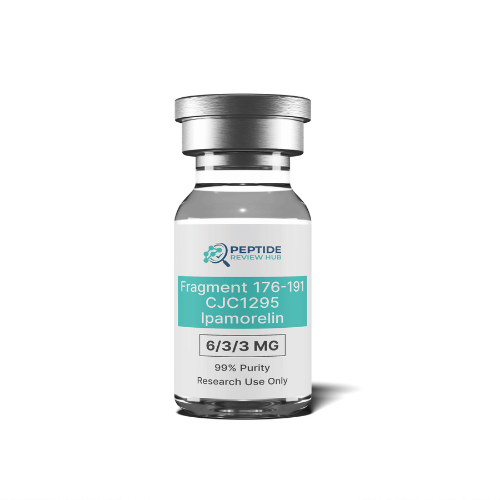
Fragment-176-191-CJC1295-Ipamorelin
Fragment-176-191-CJC1295-Ipamorelin is a research peptide blend combining Fragment 176-191, CJC-1295, and Ipamorelin for laboratory research into growth hormone signaling, metabolic pathways, adipose biology, and IGF-1-related mechanisms.