
Research Use Only. This compound is not intended for human consumption or therapeutic use.
Where to Buy BPC-157, TB-500, GHK-Cu: Vendor Comparison & Research Info
Research reveals that BPC-157 and TB-500, which both help to stimulate wound healing via different biochemical pathways, may have synergistic effects when combined together.
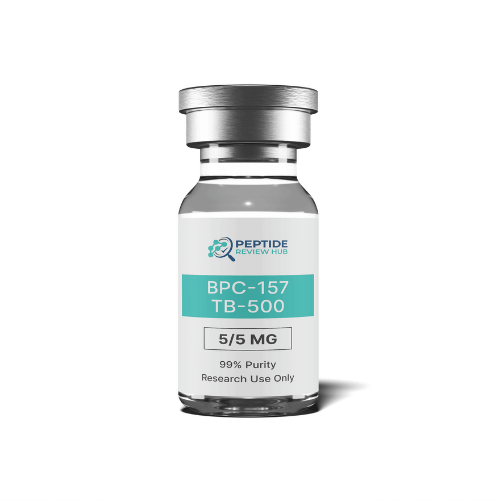
What is BPC-157, TB-500, GHK-Cu?
PRODUCT IS INTENDED AS A RESEARCH CHEMICAL ONLY. This designation allows the use of research chemicals strictly for in vitro testing and laboratory experimentation only. All product information available on this website is for educational purposes only. Bodily introduction of any kind into humans or animals is strictly forbidden by law. This product should only be handled by licensed, qualified professionals. This product is not a drug, food, or cosmetic and may not be misbranded, misused or mislabled as a drug, food or cosmetic.
Potential BPC-157 and TB-500 Synergy in Wound Repair
Research reveals that BPC-157 and TB-500, which both help to stimulate wound healing via different biochemical pathways, may have synergistic effects when combined together.
Cell Migration
Successful wound healing depends on fibroblasts, which regulate extracellular matrix production, as well as cells of the immune system. For these cells to do their jobs, they need to move to the location of injury. This movement, called migration, is heavily dependent the protein actin. Both BPC-157 and TB-500 are important in actin regulation. BPC-157 works at the level of the gene to increase actin production[1]. TB-500, an actin binding protein, helps to sequester actin in areas where it is most useful for building filaments from actin to allow for cell movement[2]. Together, BPC-157 and TB-500 work synergistically to increase the quantity and function of actin and thus increase the rate at which fibroblasts and cells of the immune system migrate to areas of injury.
The Big Picture Involves Growth Hormone
Both TB-500 and BPC-157 interact with growth hormone in the healing process. BPC-157 increases the expression of growth hormone receptors on fibroblasts, boosting the longevity of these cells and thus their ability to promote soft tissue regeneration[3]. With TB-500 on board, the extra growth hormone receptors will not go to waste because the fibroblasts will have adequate stores of actin to make use of their elongated lifespans. Combining TB5-00, BPC-157, collagen, and a growth hormone secretagogue is a surefire way to increase rates of wound healing and may one day replace standard treatment regimens as the gold standard.
About The Author
The above literature was researched, edited and organized by Dr. E. Logan, M.D. Dr. E. Logan holds a doctorate degree from Case Western Reserve University School of Medicine and a B.S. in molecular biology.
Scientific Journal Author
Allan L. Goldstein, MD, Allan L. Goldstein is professor and Catharine B. & William McCormick Chair of the department of Biochemistry and Molecular Biology at The George Washington University School of Medicine and Health Sciences, where he has served since 1978. Thymosins were discovered in the mid 1960’s, when Allan Goldstein from the Laboratory of Abraham White at the Albert Einstein College of Medicine in New York studied the role of the thymus in development of the vertebrate immune system. He is a world-renowned authority on the thymus gland and the workings of the immune system, and co-discoverer of the thymosins. Dr. Goldstein is the author of over 400 scientific articles in professional journals, the inventor on more than 15 U.S. Patents, and the editor of several books in the fields of biochemistry, biomedicine, immunology and neuro-science. He is on the editorial boards of numerous scientific and medical journals and has been a consultant to many re-search organizations in industry and government; co-founder of The Institute for Advanced Studies in Aging and Geriatric Medicine, a non-profit research and educational institute; a member of the Board of Trustees of the Albert Sabin Vaccine Institute; and serves as the Chairman of the Board of RegeneRx Biopharmaceuticals. Dr. Goldstein received his B.S. from Wagner College in 1959 and his M.S. and Ph.D. from Rutgers University in 1964. He served as a faculty member of the Albert Einstein College of Medicine from 1964 to 1972, and moved to the University of Texas Medical Branch in Galveston in 1972 as professor and director of the division of Biochemistry.
Allan L. Goldstein, MD is being referenced as one of the leading scientists involved in the research and development of TB-500 and other Thymosins. In no way is this doctor/scientist endorsing or advocating the purchase, sale, or use of this product for any reason. There is no affiliation or relationship, implied or otherwise, between peptide Review Hub and this doctor. The purpose of citing the doctor is to acknowledge, recognize, and credit the exhaustive research and development efforts conducted by the scientists studying this peptide. Dr. Goldstein is listed in [5] under the referenced citations.
Where to Buy BPC-157, TB-500, GHK-Cu Online
| Rank | Vendor | Trust Score | Vial Size | Price / mg | Status | Action |
|---|---|---|---|---|---|---|
1 | 7.8/10 Editorial Rating | $29.99 56mg vial | $0.54/mg | In Stock | Visit Site | |
2 | 6.9/10 Editorial Rating | $55.00 10mg vial | $5.50/mg | In Stock | Visit Site | |
3 |  Purehealthpeptides Verified | N/A/10 Editorial Rating | $52.00 5mg vial | $10.40/mg | In Stock | Visit Site |
4 | N/A/10 Editorial Rating | $120.00 20mg vial | $6.00/mg | In Stock | Visit Site | |
5 | N/A/10 Editorial Rating | $39.99 10mg vial | $4.00/mg | In Stock | Visit Site | |
6 | N/A/10 Editorial Rating | $36.19 10mg vial | $3.62/mg | In Stock | Visit Site | |
7 | N/A/10 Editorial Rating | $115.00 10mg vial | $11.50/mg | In Stock | Visit Site | |
8 | N/A/10 Editorial Rating | $56.00 10mg vial | $5.60/mg | In Stock | Visit Site | |
9 | N/A/10 Editorial Rating | $120.00 10mg vial | $12.00/mg | In Stock | Visit Site | |
10 | N/A/10 Editorial Rating | $110.00 10mg vial | $11.00/mg | In Stock | Visit Site | |
11 |  New Wave Peptides Verified | N/A/10 Editorial Rating | $45.00 10mg vial | $4.50/mg | In Stock | Visit Site |
12 | N/A/10 Editorial Rating | $70.00 10mg vial | $7.00/mg | In Stock | Visit Site | |
13 | N/A/10 Editorial Rating | $450.00 10mg vial | $45.00/mg | In Stock | Visit Site | |
14 | N/A/10 Editorial Rating | $155.00 10mg vial | $15.50/mg | In Stock | Visit Site | |
15 | N/A/10 Editorial Rating | $87.70 10mg vial | $8.77/mg | In Stock | Visit Site | |
16 | N/A/10 Editorial Rating | $60.00 3mg vial | $20.00/mg | In Stock | Visit Site | |
17 | N/A/10 Editorial Rating | $79.99 10mg vial | $8.00/mg | In Stock | Visit Site | |
18 | N/A/10 Editorial Rating | $103.99 10mg vial | $10.40/mg | In Stock | Visit Site | |
19 | N/A/10 Editorial Rating | $90.00 10mg vial | $9.00/mg | In Stock | Visit Site | |
20 | N/A/10 Editorial Rating | $74.00 10mg vial | $7.40/mg | In Stock | Visit Site |
















Top-Ranked Vendor

Overall Score: 7.8/10
Score Breakdown
COA Transparency: 8/10
Reputation: 7/10
Pricing: 8/10
Policies: 7/10
Shipping: 8/10
Catalog: 9/10
COA Transparency
Score: 8/10
Testing Documentation & Verification
Evolve BioPep emphasizes quality assurance, peptide manufacturing standards, and analytical testing throughout its product offerings. The company highlights purity testing, quality-control procedures, and manufacturing oversight designed to support research-grade product consistency.
The website demonstrates a commitment to quality by discussing testing and verification practices. Certificates of Analysis (COAs) and quality-related documentation appear to be part of the company's product-validation process. However, publicly accessible batch-specific testing reports and comprehensive third-party verification records are not consistently available across all product listings.
Assessment
Evolve BioPep demonstrates a strong focus on product quality and analytical verification. Greater public access to batch-specific COAs and expanded third-party testing transparency would further strengthen buyer confidence.
Reputation
Score: 7/10
Customer Feedback & Online Presence
Evolve BioPep maintains a professional online presence within the peptide manufacturing and research-compound industry. The company positions itself as a supplier serving researchers, laboratories, distributors, and wholesale customers.
Its emphasis on manufacturing capabilities and quality standards contributes positively to its credibility. However, publicly available independent customer reviews remain relatively limited compared with larger consumer-facing peptide suppliers. As a result, reputation assessment relies more heavily on company information, product offerings, and industry positioning.
Assessment
The company appears professionally operated and manufacturing-focused. A larger volume of independently verified customer reviews would further strengthen its reputation profile.
Pricing
Score: 8/10
Product Value & Cost Competitiveness
As a manufacturer-oriented supplier, Evolve BioPep appears competitively positioned within the peptide market. Direct production capabilities may provide pricing advantages for laboratories, distributors, and wholesale buyers seeking larger-volume purchases.
The company supports both standard and bulk-order requirements, which may create additional cost efficiencies for commercial customers. Its manufacturing-focused model helps support value-oriented sourcing opportunities compared with some reseller-based competitors.
Assessment
Competitive pricing and wholesale-oriented manufacturing capabilities contribute positively to the company's value proposition.
Policies
Score: 7/10
Customer Protection & Transparency
Evolve BioPep provides business information, customer-contact resources, and inquiry channels designed to support communication with prospective buyers.
Basic company information is available, but detailed policy disclosures covering refunds, returns, guarantees, and dispute-resolution procedures could be more comprehensive. Additional transparency in these areas would help customers better understand purchasing protections and support expectations.
Assessment
Policy visibility is adequate, though expanded customer-protection documentation would improve overall transparency.
Shipping
Score: 8/10
Delivery Coverage & Fulfillment
Evolve BioPep appears focused on serving international markets and highlights manufacturing and export capabilities intended to support global customers.
Its business model suggests experience with international fulfillment and wholesale distribution. While shipping capabilities appear to be a strength, detailed information regarding delivery guarantees, shipping timelines, tracking procedures, and destination-specific costs is somewhat limited within publicly available materials.
Assessment
Global shipping capability supports the company's appeal to international buyers. Additional fulfillment transparency would further enhance the customer experience.
Catalog
Score: 9/10
Product Selection & Inventory Depth
Evolve BioPep maintains a broad portfolio of peptides, research compounds, and custom manufacturing services.
Main Categories
GLP-1 & Metabolic Research Products
Retatrutide
Tirzepatide
Semaglutide
Cagrilintide
AOD-9604
Recovery & Regenerative Peptides
BPC-157
TB-500
GHK-Cu
KPV
Growth Hormone & Performance Research Products
CJC-1295
Ipamorelin
Tesamorelin
IGF-1 LR3
Longevity & Wellness Research Products
MOTS-C
Epitalon
NAD+
Manufacturing & Custom Services
Custom Peptide Synthesis
Contract Manufacturing
Bulk Peptide Supply
Research Compounds
Peptide Development Services
Assessment
The company's catalog demonstrates strong diversity and supports a wide range of research applications. Custom manufacturing and development services add substantial value for wholesale and commercial customers.
What We Like
Strengths
Manufacturing-focused business model.
Broad peptide and research-compound catalog.
Competitive wholesale pricing.
Custom peptide synthesis capabilities.
International distribution support.
Strong emphasis on quality assurance.
Diverse product categories.
Professional website and business presentation.
What Could Be Better
Areas for Improvement
More publicly available batch-specific COAs.
Expanded third-party testing disclosures.
Increased visibility of independent customer reviews.
More detailed refund and return policies.
Greater transparency regarding shipping timelines.
Additional publicly accessible quality-control documentation.
Online Ratings & Reviews
Key Positive Themes
Manufacturing expertise.
Product variety.
Custom synthesis services.
Competitive pricing.
International supply capabilities.
Key Negative Themes
Limited independent review volume.
Limited public testing documentation.
Limited third-party verification visibility.
Moderate policy transparency.
Overall Public Sentiment
Available information suggests generally neutral-to-positive sentiment. Buyers tend to focus on the company's manufacturing capabilities, product diversity, custom production services, and wholesale sourcing opportunities. Additional transparency and broader customer-review visibility would strengthen overall public confidence.
Most Common Praise
Product selection.
Manufacturing expertise.
Competitive pricing.
Custom manufacturing services.
Global availability.
Most Common Concerns
Limited customer-review volume.
Limited publicly available COAs.
Limited third-party testing visibility.
Limited policy transparency.
Brand Overview
Company Name
Evolve BioPep
Industry
Peptide Manufacturing & Research Compounds
Main Products
Retatrutide
Tirzepatide
Semaglutide
Cagrilintide
AOD-9604
BPC-157
TB-500
GHK-Cu
KPV
CJC-1295
Ipamorelin
Tesamorelin
IGF-1 LR3
MOTS-C
Epitalon
NAD+
Custom Peptide Synthesis
Headquarters
China
Shipping Regions
International Markets
Payment Methods
Information Not Publicly Available
Company Summary
Evolve BioPep is a peptide manufacturer specializing in research peptides, custom synthesis, and contract manufacturing services. The company serves laboratories, research organizations, distributors, and commercial buyers seeking direct access to manufacturing capabilities and wholesale sourcing opportunities.
A key strength of Evolve BioPep is its broad product portfolio combined with custom development capabilities. In addition to supplying widely researched peptides, the company supports custom synthesis projects and bulk production requirements, making it suitable for customers with specialized sourcing needs. The catalog spans multiple categories, including metabolic research compounds, regenerative peptides, growth-hormone-related products, and longevity-focused research materials.
The company emphasizes manufacturing quality, production consistency, and international distribution support. Its factory-oriented business model may provide cost advantages for wholesale customers while supporting scalable production requirements. These characteristics position Evolve BioPep as a supplier capable of serving both research-focused and commercial markets.
While the company demonstrates strong manufacturing capabilities and extensive product diversity, greater transparency regarding testing documentation, third-party validation, and customer feedback would further strengthen its credibility. Overall, Evolve BioPep presents itself as a capable supplier with a strong focus on manufacturing and product availability.
Final Verdict
Evolve BioPep appears to be a capable peptide manufacturer offering competitive pricing, custom synthesis services, and a comprehensive peptide catalog.
Its strongest advantages include manufacturing expertise, extensive product diversity, international shipping support, and wholesale sourcing capabilities. These strengths make the company particularly attractive to laboratories, distributors, research organizations, and businesses seeking direct manufacturing relationships.
The primary opportunities for improvement involve transparency and independent validation. More publicly available batch-specific Certificates of Analysis, expanded third-party testing disclosures, and a larger collection of verified customer reviews would significantly improve buyer confidence and overall trustworthiness.
Overall, Evolve BioPep demonstrates many of the characteristics associated with an established peptide manufacturer, including production capabilities, broad catalog depth, and global distribution support. Customers seeking factory-direct sourcing and custom manufacturing solutions are likely to find value in the company's offerings.
Final Rating: 7.8/10
Chemical Properties & Handling
Standard storage protocols for lyophilized peptides generally apply unless otherwise specified.
- Lyophilized (Powder): Store at -20°C for up to 3 years. Keep away from direct light and moisture.
- Reconstituted (Liquid): Store at 2-8°C (refrigerated) and use within 20-30 days to maintain stability.
Research Reviews
No Research Reviews Yet
Be the first to share your research protocol and vendor experience with BPC-157, TB-500, GHK-Cu.
Best BPC-157, TB-500, GHK-Cu Vendors & Price Comparison
BPC-157 and TB-500 represent one of the most widely discussed peptide combinations in regenerative medicine, soft-tissue research, and wound-healing studies. Researchers frequently investigate these peptides together because they appear to influence complementary biological pathways involved in tissue repair, cell migration, angiogenesis, extracellular matrix remodeling, and recovery from injury.
As interest in combination peptide research continues to expand, researchers commonly compare BPC-157/TB-500 suppliers based on purity, analytical testing, pricing, vendor transparency, and overall product quality.
This BPC-157 & TB-500 Vendor Price Comparison Guide helps researchers evaluate suppliers using objective criteria including:
Product Pricing
Cost Per Milligram
Product Purity
Third-Party Testing
Certificate of Analysis (COA)
Vendor Reputation
Customer Reviews
Shipping Performance
Product Availability
Overall Value
Whether you're looking for the lowest-priced BPC-157/TB-500 blend, vendors with extensive laboratory verification, or the highest-rated peptide suppliers, this guide provides a framework for comparing research vendors.
Explore BPC-157 & TB-500 Vendors by Criteria
Most Popular BPC-157 & TB-500 Vendors
Compare suppliers frequently selected by regenerative biology and tissue-repair researchers.
Highest Reviewed BPC-157 & TB-500 Vendors
Discover vendors with strong customer satisfaction and positive marketplace reputations.
Lowest Price BPC-157 & TB-500 Vendors
Identify suppliers offering competitive pricing and favorable cost-per-milligram value.
Highest Purity BPC-157 & TB-500 Vendors
Review suppliers providing transparent purity verification and analytical testing.
Best Value BPC-157 & TB-500 Vendors
Compare pricing, testing standards, customer support, and product quality.
Fastest Shipping BPC-157 & TB-500 Vendors
Evaluate order-fulfillment speed, packaging quality, and shipping reliability.
Newly Listed BPC-157 & TB-500 Vendors
Explore recently launched suppliers offering peptide blend products.
What Are BPC-157 & TB-500?
Overview
BPC-157 and TB-500 are two distinct research peptides that are often investigated together because they appear to affect different components of tissue repair and regeneration.
Researchers have explored these peptides in studies involving:
Soft-tissue repair
Tendon research
Ligament research
Muscle recovery
Angiogenesis
Cell migration
Connective-tissue biology
Wound-healing pathways
The combination remains particularly popular within regenerative medicine research because the two peptides appear to target complementary biological mechanisms.
Peptide Characteristics
BPC-157
Full Name
Body Protection Compound-157
Classification
Synthetic Gastric-Derived Peptide Fragment
Primary Research Areas
Tissue repair
Angiogenesis
Gastrointestinal biology
Connective-tissue regeneration
Growth-factor signaling
TB-500
Full Name
Thymosin Beta-4 Fragment
Classification
Synthetic Thymosin-Derived Peptide
Primary Research Areas
Cell migration
Actin regulation
Wound healing
Tissue remodeling
Regenerative biology
Why Researchers Study BPC-157 and TB-500 Together
One of the primary reasons researchers combine these peptides is because they appear to influence different biological pathways involved in tissue repair.
Research has explored potential interactions involving:
Fibroblast activity
Cellular migration
Actin regulation
Growth-factor signaling
Tissue remodeling
Angiogenesis
Connective-tissue repair
This complementary profile has made the BPC-157/TB-500 combination one of the most commonly discussed peptide pairings in regenerative research.
Potential Research Synergy
Cell Migration Research
Successful tissue repair depends heavily on cellular migration.
Researchers investigate how repair-associated cells move toward areas of injury through mechanisms involving:
Actin filament formation
Cytoskeletal remodeling
Cell movement
Tissue-response pathways
Studies suggest that BPC-157 and TB-500 may influence different aspects of actin-related biology, making combination research particularly interesting.
Fibroblast Research
Fibroblasts play a central role in:
Collagen production
Extracellular matrix maintenance
Tissue remodeling
Connective-tissue repair
Researchers continue evaluating whether combined peptide approaches may influence fibroblast-related pathways.
Growth Factor Research
Both peptides have generated attention because of their apparent relationships with growth-related signaling networks.
Research continues exploring interactions involving:
Growth-factor receptors
Cellular repair mechanisms
Tissue regeneration pathways
Healing-associated signaling
Angiogenesis Research
Researchers investigate both peptides in models involving:
Blood-vessel formation
Vascular remodeling
Tissue oxygenation
Recovery following injury
Angiogenesis remains a major area of regenerative medicine research.
Why Researchers Compare Vendors
Research reproducibility depends heavily on peptide quality and manufacturing consistency.
Differences among suppliers may include:
Purity levels
Batch consistency
Manufacturing standards
Stability testing
Product documentation
Shipping procedures
Storage conditions
Quality-control systems
Careful supplier evaluation helps improve research reliability.
How We Compare BPC-157 & TB-500 Vendors
Third-Party Laboratory Testing
Independent testing remains one of the strongest indicators of peptide quality.
Researchers should prioritize suppliers providing:
Third-party testing
Identity verification
Purity analysis
Batch-specific reports
Certificate of Analysis (COA)
A quality COA should include:
Batch number
Purity percentage
Testing date
Identity confirmation
Analytical methodology
Product Purity
Purity remains one of the most important variables when evaluating research peptides.
Higher-purity products may contribute to greater consistency and reproducibility.
Cost Per Milligram
Comparing only vial prices may be misleading.
Cost Per Milligram Formula
Product Price ÷ Total Milligrams = Cost Per Milligram
This allows researchers to compare products more accurately.
Customer Reviews
Customer feedback often provides valuable insight regarding:
Product consistency
Packaging quality
Shipping reliability
Customer support
Purchasing experience
Vendor Reputation
Established peptide suppliers often demonstrate:
Transparent testing procedures
Reliable quality-control systems
Strong customer satisfaction
Consistent inventory availability
Current Research Areas
Soft Tissue Research
Researchers continue evaluating BPC-157 and TB-500 in studies involving:
Tendons
Ligaments
Muscle tissue
Connective tissue
Recovery pathways
These remain among the most common applications of the peptide combination.
Wound-Healing Research
Experimental models have explored relationships involving:
Tissue regeneration
Cellular repair
Extracellular matrix remodeling
Fibroblast activity
This remains one of the most active areas of investigation.
Actin Regulation Research
TB-500 is heavily associated with actin-related pathways.
Researchers study how these mechanisms influence:
Cell mobility
Tissue remodeling
Structural repair
Recovery processes
Growth Hormone Receptor Research
BPC-157 has been investigated in relation to pathways involving:
Growth-factor signaling
Fibroblast biology
Cellular repair mechanisms
Tissue maintenance
Researchers continue studying these interactions in laboratory models.
Product Quality & Analytical Testing
Why Testing Matters
Research-grade BPC-157 and TB-500 products should undergo testing to verify:
Identity
Purity
Stability
Potency
Batch consistency
Common Testing Methods
High-Performance Liquid Chromatography (HPLC)
Used to assess purity and identify impurities.
Mass Spectrometry (MS)
Used to verify molecular identity and peptide composition.
Identity Verification Testing
Confirms peptide authenticity.
Stability Testing
Evaluates peptide integrity during storage.
Batch Consistency Testing
Measures reproducibility across manufacturing lots.
Understanding BPC-157 & TB-500 Pricing
Several factors influence pricing among suppliers.
Product Purity
Higher-purity preparations often command premium pricing.
Blend Formulation
Pre-formulated blends frequently involve additional manufacturing and quality-control processes.
Analytical Verification
Comprehensive testing improves transparency but increases production costs.
Manufacturing Standards
Strict quality-control systems influence pricing.
Vendor Reputation
Established suppliers often charge higher prices because of stronger quality-assurance procedures.
BPC-157 & TB-500 Vendor Evaluation Checklist
Quality Verification
✅ Third-party testing available
✅ Certificate of Analysis provided
✅ Identity verification documented
✅ Purity information disclosed
✅ Batch-specific testing available
Vendor Reliability
✅ Positive customer reviews
✅ Transparent company information
✅ Responsive customer support
✅ Reliable inventory availability
Purchasing Experience
✅ Secure checkout process
✅ Shipment tracking available
✅ Clear refund policies
✅ Reliable order fulfillment
Red Flags When Comparing Vendors
Testing Concerns
❌ No third-party testing
❌ Missing COAs
❌ Unverified purity claims
❌ Outdated laboratory reports
Transparency Issues
❌ Hidden specifications
❌ Missing batch information
❌ Limited documentation
❌ No company contact information
Service Problems
❌ Frequent inventory shortages
❌ Poor communication
❌ Negative customer reviews
❌ Unclear shipping policies
How to Choose the Best BPC-157 & TB-500 Vendor
Prioritize Laboratory Transparency
Choose suppliers that provide third-party testing and batch-specific COAs.
Compare Overall Value
Balance purity, testing standards, customer support, and pricing.
Verify Blend Accuracy
For combination products, confirm that both peptides are clearly identified and independently tested.
Review Product Documentation
Verify analytical reports before purchasing.
Evaluate Vendor Reputation
Established peptide suppliers often provide stronger consistency and quality assurance.
Frequently Asked Questions
What are BPC-157 and TB-500?
BPC-157 and TB-500 are research peptides widely studied for their potential roles in tissue repair, cell migration, angiogenesis, connective-tissue biology, and regenerative processes.
Why are BPC-157 and TB-500 often studied together?
Researchers investigate them together because they appear to influence complementary biological pathways involved in tissue repair and cellular regeneration.
What research areas involve BPC-157 and TB-500?
Common research areas include:
Wound healing
Soft-tissue biology
Tendon research
Ligament research
Muscle repair
Cell migration
Angiogenesis
Why compare vendors?
Purity, analytical testing, documentation quality, pricing, and supplier reliability can vary substantially among vendors.
What should researchers review before purchasing?
Researchers should evaluate:
Certificate of Analysis (COA)
Third-party testing
Purity verification
Identity confirmation
Vendor reputation
Customer reviews
Is third-party testing important?
Yes. Independent laboratory testing helps verify product identity, purity, and consistency while improving transparency.
Is the cheapest supplier always the best option?
No. Product quality, testing standards, documentation, and supplier reliability are often more important than price alone.
Final Thoughts
The BPC-157 and TB-500 combination remains one of the most widely discussed pairings in regenerative medicine research because of its apparent influence on tissue repair, cell migration, fibroblast activity, angiogenesis, and connective-tissue biology. Ongoing investigations continue exploring how these peptides may interact across multiple healing-related pathways.
When comparing BPC-157 & TB-500 vendors, researchers should prioritize purity verification, third-party laboratory testing, Certificate of Analysis availability, supplier reputation, and overall value rather than focusing solely on price. A structured vendor-comparison approach can help identify suppliers capable of meeting rigorous research-quality standards.
Current Research & Evidence
Research evidence for BPC-157, TB-500, GHK-Cu has not yet been added.
Key Findings on BPC-157, TB-500, GHK-Cu Use
Key findings for BPC-157, TB-500, GHK-Cu have not yet been added.
Related Peptides in Peptide
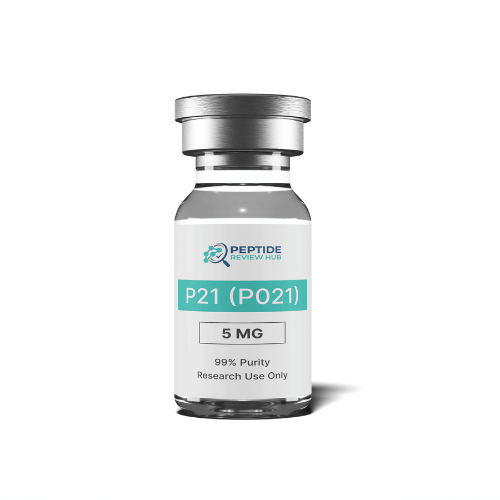
PT 21
PT-21 is an experimental research peptide investigated in controlled laboratory studies of cellular signaling, molecular pathways, tissue biology, and cellular responses. Supplied as a research material for qualified researchers, it is intended strictly for in vitro research and not for human or animal use.
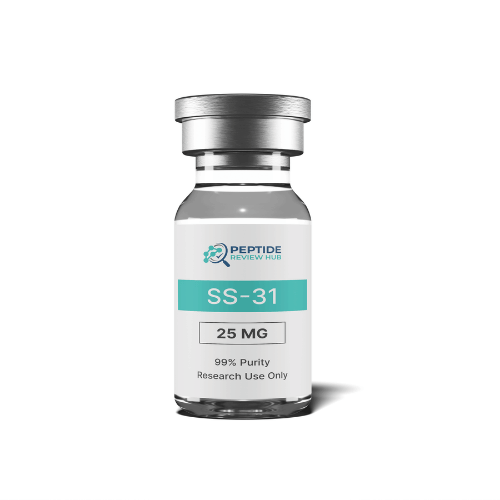
SS-31
SS-31, also known as elamipretide or MTP-131, is a synthetic mitochondria-targeted tetrapeptide studied in laboratory research involving cardiolipin interactions, mitochondrial respiration, oxidative stress, ATP production, and cellular energy metabolism.
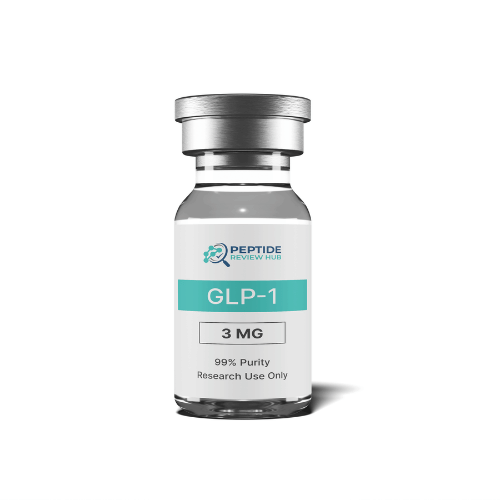
GLP-1
GLP-1 is a peptide hormone studied in research involving GLP-1 receptor signaling, cellular communication, metabolic biology, pancreatic pathways, and gastrointestinal research. It is intended strictly for laboratory research and not for human or animal consumption.
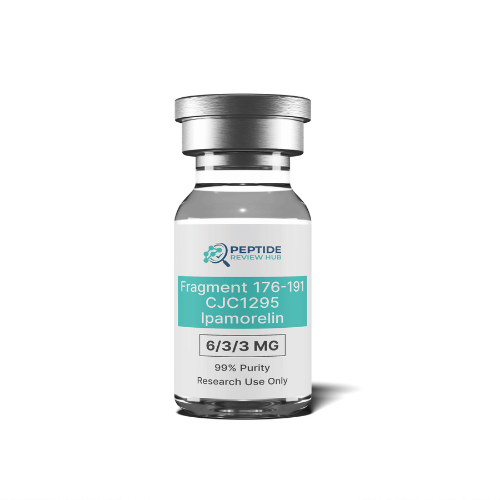
Fragment-176-191-CJC1295-Ipamorelin
Fragment-176-191-CJC1295-Ipamorelin is a research peptide blend combining Fragment 176-191, CJC-1295, and Ipamorelin for laboratory research into growth hormone signaling, metabolic pathways, adipose biology, and IGF-1-related mechanisms.