
Research Use Only. This compound is not intended for human consumption or therapeutic use.
Where to Buy ARA-290: Vendor Comparison & Research Info
ARA-290 16mg ARA-290 is a variant of erythropoietin which has been shown to decrease inflammatory pathways through paracrine signaling and the innate repair receptors. Research has shown ARA-290 to help reduce HbA1c, improve cholesterol, modulate peripheral neuropathies and general neuropathic pain and stimulates wound repair.
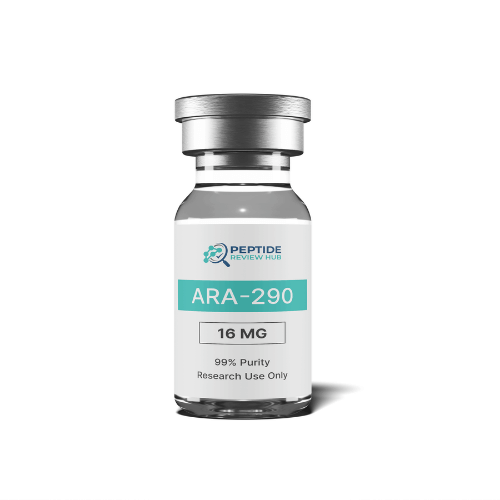
What is ARA-290?
ARA-290 is a variant of erythropoietin which has been shown to decrease inflammatory pathways through paracrine signaling and the innate repair receptors. Research has shown ARA-290 to help reduce HbA1c, improve cholesterol, modulate peripheral neuropathies and general neuropathic pain and stimulates wound repair
THIS PRODUCT IS INTENDED AS A RESEARCH CHEMICAL ONLY. This designation allows the use of research chemicals strictly for in vitro testing and laboratory experimentation only. All product information available on this website is for educational purposes only. Bodily introduction of any kind into humans or animals is strictly forbidden by law. This product should only be handled by licensed, qualified professionals. This product is not a drug, food, or cosmetic and may not be misbranded, misused or mislabled as a drug, food or cosmetic.
What is ARA-290?
ARA-290 is a small peptide derived from the helix beta domain of erythropoietin (EPO). EPO has long been known to exhibit actions beyond the stimulation of red blood cell production in bone marrow. The glycoprotein, which is made in the kidney, has been found to stimulate blood vessel growth, promote cell survival, alter blood pressure, and produce neuroprotective effects in diabetic neuropathy. ARA-290 offers the neuroprotective and pain relieving effects of EPO without stimulating red blood ell production[1]. ARA-290 has completed phase II trials and is in preparation to enter phase III trials for a variety of applications in diabetes and the autoimmune sarcoidosis. Right now, the peptide is of active interest for its ability to control neuropathic pain, but it is also under investigation as a potential stimulator of wound repair in chronic diabetes, as an immune modulatory drug, and as a potential treatment for systemic lupus erythematosus (lupus or SLE).
ARA-290 Structure
Sequence: ZEQLERALNSS Molecular Formula: C51H84N16O21 Molecular Weight: 1257.3 g/mol PubChem CID: 91810664 CAS No: 1208243-50-8 Synonyms: cibinetide, PH-BSP
ARA-290 Research
Blood Vessel Health
Retinal ischemia, which results from a number of disease processes, is a leading cause of blindness in industrialized nations. The ability to protect retinal epithelial cells from injury or the ability to promote their regeneration following an insult, could go a long way to reducing disease burden. Research in mice indicates that ARA-290 can protect endothelial colony forming cells against the ravages of inflammation. In so doing, ARA-290 prolongs cell survival and helps endothelial colony forming cells (ECFCs) to repair and rebuild blood vessels[2].
Other studies in mice show that ARA-290 enhances the proliferation, migration, and longevity of ECFCs throughout the vasculature. It also appears that ARA-290 boosts the homing ability of ECFCs, helping them to better target areas of the vasculature that are in need of repair. There is hope that this function can not only help to boost the effects of endogenous ECFCs, but can help to improve the ability of transplanted ECFCs to repair vasculature and restore blood flow to ischemic tissue[3]. If successful in the case of ECFC transplants, ARA-290 could open up a whole new area of medical therapy allowing functional cells to be transplanted successfully for tissue repair, hormone production, protein building, and more.
Reducing Inflammatory Cytokines
Research in mice shows that ARA-290 can hep to promote the survival of transplanted islet cells by inhibiting macrophage activation. For years, the treatment of diabetes via the transplantation of healthy insulin-producing islet cells has been the holy grail of endocrinology. Islet cells, unlike exogenous insulin, provide a much more physiologic control of blood sugar and therefore drastically reduce the complications often seen even in well-controlled diabetes. Unfortunately, islet cells do not survive transplantation for long and thus the procedure has been all but abandoned. With the development of ARA-290, however, that may be changing. Studies in mice have revealed that the peptides ability to suppress inflammatory cytokines like IL-6, IL-12, and TNF-alpha drastically prolongs the survival of transplanted islet cells[4].
The ability of ARA-290 to protect against normal inflammatory responses appears to be mediated through the binding of the peptide to the tissue-protective receptor (TPR), boosting tissue protection and helping to regulate the immune system. EPO also binds to the TPR, but has a number of cardiovascular and hematopoietic side effects that have made it untenable as a treatment in many if not most settings. By binding to the TPR and not promoting some of the other effects of EPO, peptides like ARA-290 help to reduce apoptosis and cut back on the levels of harmful inflammatory cytokines. The net results are tissue protection and improved tissue regeneration. Both of these features lead to reduced morbidity and mortality, fast wound healing, reduced scar formation, and fast post-injury recovery of function[5].
Tissue Protection
Research in mice shows that ARA-290 can help to promote the survival of transplanted islet cells by inhibiting macrophage activation. For years, the treatment of diabetes via the transplantation of healthy insulin-producing islet cells has been the holy grail of endocrinology. Islet cells, unlike exogenous insulin, provide a much more physiologic control of blood sugar and therefore drastically reduce the complications often seen even in well-controlled diabetes. Unfortunately, islet cells do not survive transplantation for long and thus the procedure has been all but abandoned. With the development of ARA-290, however, that may be changing. Studies in mice have revealed that the peptides ability to suppress inflammatory cytokines like IL-6, IL-12, and TNF-alpha drastically prolongs the survival of transplanted islet cells[4].
The ability of ARA-290 to protect against normal inflammatory responses appears to be mediated through the binding of the peptide to the tissue-protective receptor (TPR), boosting tissue protection and helping to regulate the immune system. EPO also binds to the TPR, but has a number of cardiovascular and hematopoietic side effects that have made it untenable as a treatment in many if not most settings. By binding to the TPR and not promoting some of the other effects of EPO, peptides like ARA-290 help to reduce apoptosis and cut back on the levels of harmful inflammatory cytokines. The net results are tissue protection and improved tissue regeneration. Both of these features lead to reduced morbidity and mortality, fast wound healing, reduced scar formation, and fast post-injury recovery of function[5].
Immune System
The TPR is expressed on a variety of immune cells including macrophages, dendritic cells, mast cells, and lymphocytes (particularly T-cells). Mounting evidence suggests that ARA-290 and similar peptides can bind to this TPR on immune cells to directly affect their function.
For macrophages, stimulation of the TPR by ARA-290 significantly reduces the excretion of proinflammatory cytokines like TNF-alpha and IL-6. Interestingly, even though this downregulation of the immune response leads to decreased pathogen clearance in certain settings, it reduces disease severity and helps to prevent long-term disease processes from setting up. Research also shows that activation of TPR restricts the pathway of macrophage chemokine secretion, which in turn lessens the infiltration of inflammatory cytokines while boosting the recruitment tissue macrophages (resident macrophages) to areas of injury. The net result appears to be improved tissue healing with reduced inflammatory side effects.
Other research shows that ARA-290 may help to alter antigen presentation by dendritic cells, thereby altering the adaptive immunity that leads to long-term resistance against pathogens to which the body has already been exposed. While this sounds like a very bad thing on its surface, it is important to remember that adaptive immunity is the primary driver of organ and tissue rejection following transplant. The ability to modulate the process and fine tune it can help to reduce graft rejection in everything from kidney and heart transplants to bone marrow transplants and experimental transplants[5], [6].
There are several applications for an immune system modulator like ARA-290. Perhaps the most promising is in the setting of colitis. Colitis, which can be a consequence of infection, can also be a result of chronic automimmune disease such as is seen in Crohn’s disease and ulcerative colitis. Currently the treatments for autoimmune colitis are limited to injectable medications with a myriad of side effects. The ability to treat colitis with more selective immune modulators could ease the suffering of many people who suffer from inflammatory bowel disease[7].
Another potential avenue of the immune modulatory effects of ARA-290 is in the treatment of systemic lupus erythematosus (SLE). Research in mice shows that administration of ARA-290 suppresses levels of autoantibodies (namely ANA and anti-dsDNA) that serve as markers for SLE diagnosis and as indicators of disease severity. Moreover, ARA-290 decreases the kidney damage that often leads to morbidity and mortality in SLE. These findings suggest that ARA-290 may offer the first truly targeted treatment for SLE[8].
Pain Perception
The immune system has long been known to play a role in the perception of pain (nociception), but effect regulators of this mechanism of pain have been hard to develop. In particular, the immune system plays an important role in the development of neuropathic (nerve-based) pain, such as the neuropathy seen in diabetes. Neuropathic pain is notoriously difficult to control, but research shows that targeting the IRR (innate repair receptor) can decrease inflammation and alleviate neuropathic pain. ARA-290 is known to act on this receptor, but new research suggests that it can also inhibit TRPV1 channel activity.[9]. The TRPV1 channel, also known as the capsaicin receptor, is responsible for the perception of heat and associated burning pain so often reported in neuropathic disease. The ability of ARA-290 to act on this receptor could make it useful in treating pain associated with diabetes, multiple sclerosis, chemotherapy, and amputation.
Small nerve fiber loss is a consequence of certain autoimmune diseases, particularly sarcoidosis and diabetes. Also called small fiber neuropathy, the condition results when small fibers in the skin that are responsible for temperature and pain sensation deteriorate. Symptoms, which range in severity, can be of the pins and needles type or give the sensation of sand in the shoe or a wrinkle in a sock. The pain is usually transient, but is severe and occurs multiple times throughout a day. In the worst cases, the pain becomes persistent and generally manifests as a burning sensation. Research in people suffering from small fiber nerve loss shows that treatment with ARA-290 increases the number of small nerve fibers and reduces pain significantly. This suggests that ARA-290 may offer an effective treatment for nerve damage seen in diseases like sarcoidosis, diabetes, thyroid dysfunction, celiac disease, HIV, and more[10], [11].
Orphan Drug
In 2016, Araim Pharmaceuticals announced that the FDA had granted it orphan drug status to explore the efficacy of daily cibinetide in the treatment of patients with painful sarcoid neuropathy. A year later, Chief Science Officer Michael Brines, along with several others, published a paper revealing the benefits of ARA-290 in the treatment of peripheral nerve pain and small nerve fiber pain.
According to Dr. Brines and his colleagues, ARA-290 (cibinetide) is preparing for phase 3 trials as a treatment for neuropathy. This peptide has the potential to treat the roughly 87 million Americans who suffer from nerve damage and its associated morbidities. There even appears to be a role for ARA-290 in accelerating impaired wound healing in mice with diabetes, suggesting that the peptide may help to stave off the amputations and chronic ulcers that many diabetics suffer later in life[12].
Summary
While ARA-290 has been of primary interest for its novel mechanism of controlling neuropathic pain, the peptide is also of interest for its immune modulating properties, for its ability to stimulate wound repair, and as a potential means of protecting vasculature during ischemic insults. The most advanced area of research surrounds the ability of ARA-290 to modulate neuropathic pain. The peptide is currently in phase II and III trials for the treatment of diabetic neuropathy and sarcoid neuropathy respectively. There is also interest in using the peptide as a treatment for systemic lupus erythematosus and in the pain syndromes associated with multiple sclerosis, HIV, celiac disease, and more. There is burgeoning interest in using ARA-290 as a potential disease modifying agent in inflammatory bowel disease as well.
ARA-290 exhibits minimal side effects, low oral and excellent subcutaneous bioavailability in mice. Per kg dosage in mice does not scale to humans. ARA-290 for sale at peptide Review hub is limited to educational and scientific research only, not for human consumption. Only buy ARA-290 if you are a licensed researcher.
Scientific Journal Author
Dr. Michael Brines received a BS with highest honors in physics and biology from the University of Notre Dame and a PhD in neurobiology and behavior from The Rockefeller University. Subsequently, he earned his MD from Yale University and completed a residency in Internal Medicine at Yale-New Haven Hospital. Following residency, he completed fellowship training in Clinical Investigation, as well as Endocrinology, Diabetes, and Metabolism at Yale. Michael Brines is board certified in Internal Medicine as well as in Endocrinology, Diabetes, & Metabolism. Michael Brines has been the inventor or co-inventor on numerous US patents and foreign counterparts, and has authored or coauthored more than 100 scientific publications.
Michael Brines, M.D. is being referenced as one of the leading scientists involved in the research and development of ARA-290. In no way is this doctor/scientist endorsing or advocating the purchase, sale, or use of this product for any reason. There is no affiliation or relationship, implied or otherwise, between peptide Review hub and this doctor. The purpose of citing the doctor is to acknowledge, recognize, and credit the exhaustive research and development efforts conducted by the scientists studying this peptide. Dr. Michael Brines is listed in [9] under the referenced citations.
Where to Buy ARA-290 Online
| Rank | Vendor | Trust Score | Vial Size | Price / mg | Status | Action |
|---|---|---|---|---|---|---|
1 | 9.3/10 Editorial Rating | $49.99 10mg vial | $5.00/mg | In Stock | Visit Site | |
2 |  Peptide Hubs Verified | 9.0/10 Editorial Rating | $50.00 16mg vial | $3.13/mg | Out of Stock | Visit Site |
3 |  Dragon Peptides Verified | 9.0/10 Editorial Rating | $50.00 5mg vial | $10.00/mg | Out of Stock | Visit Site |
4 | 7.8/10 Editorial Rating | $29.99 53mg vial | $0.57/mg | In Stock | Visit Site | |
5 |  Pure Peptide Labs Verified | 5.0/10 Editorial Rating | $45.95 10mg vial | $4.60/mg | In Stock | Visit Site |
6 | 4.0/10 Editorial Rating | $42.95 2mg vial | $21.48/mg | In Stock | Visit Site | |
7 | N/A/10 Editorial Rating | $39.99 10mg vial | $4.00/mg | In Stock | Visit Site | |
8 | N/A/10 Editorial Rating | $54.90 10mg vial | $5.49/mg | In Stock | Visit Site | |
9 | N/A/10 Editorial Rating | $80.00 10mg vial | $8.00/mg | In Stock | Visit Site | |
10 | N/A/10 Editorial Rating | $79.00 10mg vial | $7.90/mg | In Stock | Visit Site | |
11 | N/A/10 Editorial Rating | $44.99 16mg vial | $2.81/mg | In Stock | Visit Site | |
12 | N/A/10 Editorial Rating | $225.00 10mg vial | $22.50/mg | In Stock | Visit Site | |
13 | N/A/10 Editorial Rating | $95.00 10mg vial | $9.50/mg | In Stock | Visit Site | |
14 | N/A/10 Editorial Rating | $69.99 10mg vial | $7.00/mg | In Stock | Visit Site | |
15 | N/A/10 Editorial Rating | $115.00 40mg vial | $2.88/mg | In Stock | Visit Site | |
16 | N/A/10 Editorial Rating | $620.00 10mg vial | $62.00/mg | In Stock | Visit Site | |
17 | N/A/10 Editorial Rating | $74.99 20mg vial | $3.75/mg | In Stock | Visit Site | |
18 | N/A/10 Editorial Rating | $79.00 10mg vial | $7.90/mg | In Stock | Visit Site | |
19 | N/A/10 Editorial Rating | $42.00 10mg vial | $4.20/mg | Out of Stock | Visit Site |












Top-Ranked Vendor

Overall Score
Category Scores
COA Transparency: 8.5/10
Reputation: 8.0/10
Pricing: 9.0/10
Policies: 8.0/10
Shipping: 8.5/10
Catalog: 9.5/10
Overall Score: 8.6/10
Calculation
(8.5 + 8.0 + 9.0 + 8.0 + 8.5 + 9.5) ÷ 6 = 8.58/10
COA Transparency
Score: 8.5/10
Analysis
Soma Chems places significant emphasis on product verification and quality assurance. The company promotes third-party testing and indicates that products are supported by Certificates of Analysis (COAs). Public information suggests that laboratory testing includes purity verification and analytical review of products before release.
The supplier also highlights quality-tested research compounds and publishes documentation supporting product verification. Compared with many research-peptide vendors, Soma Chems demonstrates a stronger commitment to transparency by referencing laboratory testing and quality-control procedures throughout its catalog.
However, the depth and consistency of publicly available COA documentation appear to vary among products. A larger archive of standardized batch-specific reports and easier access to historical testing data would further improve transparency.
Overall, Soma Chems performs well in this category and demonstrates an above-average focus on quality verification.
Reputation
Score: 8.0/10
Analysis
Soma Chems has established a growing reputation within the research-peptide industry and has received positive attention from several peptide-review platforms. Customer feedback commonly highlights fast shipping, competitive pricing, product quality, and responsive customer service.
Available reviews often praise the overall purchasing experience, reliable product availability, and communication during the ordering process. Several customers also reference repeat purchases and positive long-term experiences with the company.
Although the company does not yet have the same level of mainstream recognition as the largest peptide suppliers, its reputation profile appears to be steadily improving. Some customers have reported occasional shipping delays, but these complaints appear relatively limited compared with the volume of positive feedback.
Overall, Soma Chems maintains a positive reputation and favorable customer sentiment.
Pricing
Score: 9.0/10
Analysis
Pricing is one of Soma Chems' strongest competitive advantages. The supplier offers a large selection of peptides, sprays, amino products, blends, and specialty research compounds at pricing that is frequently lower than many premium competitors.
The company appears particularly focused on affordability without sacrificing product diversity. In addition to traditional peptide formats, Soma Chems offers oral formulations, sprays, and specialty blends that help differentiate its inventory from many competing suppliers.
Discounts, promotional offers, and value-oriented pricing further contribute to the company's appeal. Researchers seeking broad product availability at accessible pricing levels may find Soma Chems particularly attractive.
Overall, Soma Chems delivers excellent value for money and performs exceptionally well in the pricing category.
Policies
Score: 8.0/10
Analysis
Soma Chems provides clear research-use disclaimers and explains that its products are intended exclusively for analytical and scientific research purposes. The company also communicates that it is not a compounding pharmacy and provides policy information regarding privacy and data handling.
The supplier maintains accessible customer-service channels and basic ordering information, helping customers understand purchasing requirements and product restrictions.
While the company demonstrates above-average policy transparency compared with many peptide vendors, additional public detail regarding returns, refunds, exchanges, and shipment claims would strengthen the customer experience further.
Overall, policy information is professional, clear, and suitable for research-focused customers.
Shipping
Score: 8.5/10
Analysis
Shipping is frequently cited as a strength of the Soma Chems operation. Customer feedback often highlights fast fulfillment, prompt delivery, and reliable order processing.
The company appears focused on maintaining customer satisfaction through efficient shipping workflows and responsive communication. Review-platform feedback suggests that most customers experience timely deliveries and accurate order fulfillment.
Although isolated complaints regarding delayed shipments exist, they appear to represent exceptions rather than common experiences. The company also benefits from straightforward payment options that can simplify the ordering process for many customers.
Overall, shipping performance appears reliable and supports a positive customer experience.
Catalog
Score: 9.5/10
Analysis
Catalog depth is one of Soma Chems' most impressive strengths. The company offers more than 100 research products spanning peptides, amino compounds, sprays, liquids, blends, and specialty formulations.
Recovery and Regenerative Peptides
Examples
BPC-157
TB-500
GHK-Cu
LL-37
Growth and Performance Peptides
Examples
CJC-1295
Ipamorelin
Tesamorelin
IGF-LR3
Metabolic Research Compounds
Examples
AOD-9604
MOTS-C
Cagrilintide
Weight-management blends
Cognitive Research Compounds
Examples
Semax
Selank
Pinealon
P21
Specialty Products
Examples
Sprays
Amino formulations
Multi-peptide blends
NAD+
Melanotan products
The combination of variety, organization, and specialty offerings makes Soma Chems one of the broader catalogs currently available within this market segment.
What We Like
Positive Highlights
Large peptide and research-compound catalog.
Third-party testing emphasis.
COA availability.
Competitive pricing.
Strong product diversity.
Positive customer feedback.
Fast shipping reputation.
Availability of sprays and alternative formulations.
What Could Be Better
Areas for Improvement
More consistent public COA documentation.
Expanded historical testing archives.
Greater transparency regarding laboratory partners.
More detailed refund and return policies.
Increased mainstream review-platform presence.
Additional educational content for new researchers.
Online Ratings & Reviews
Trustpilot
Rating
Information Not Publicly Available.
Review Count
Information Not Publicly Available.
Key Positive Themes
Information Not Publicly Available.
Key Negative Themes
Information Not Publicly Available.
Finnrick
Rating
Information Not Publicly Available.
Key Findings
No verified Finnrick rating identified.
Limited supplier-specific analytical coverage available.
Notable Observations
Independent review activity is stronger on peptide-focused platforms.
Other Review Sources
Peptide Review Platforms
Rating
Approximately 4.7/5
Review Count
More than 20 publicly available reviews.
Key Findings
Positive comments regarding product quality.
Frequent praise for shipping speed.
Strong customer-service feedback.
Competitive pricing repeatedly highlighted.
Vendor Analysis Platforms
Key Findings
Large product inventory.
Competitive market positioning.
Strong value-oriented approach.
Broad availability of oral and spray formulations.
Community Discussions
Key Findings
Positive reception for affordability.
Appreciation for product diversity.
Growing visibility within the peptide community.
Overall Public Sentiment
Most Common Praise
Fast shipping.
Competitive pricing.
Product quality.
Large inventory.
Responsive customer support.
Easy ordering process.
Most Common Complaints
Occasional shipping delays.
Variability in COA depth.
Limited mainstream review coverage.
Relatively modest brand recognition compared with industry leaders.
Public Sentiment Summary
Overall sentiment is positive. Customers frequently praise Soma Chems for affordability, shipping speed, product availability, and quality. Most criticisms are relatively minor and relate to transparency enhancements or isolated logistical issues rather than product concerns.
Brand Overview
Company Name
Soma Chems
Website
Industry
Research Peptides and Research Compounds
Main Products
BPC-157
TB-500
GHK-Cu
CJC-1295
Ipamorelin
Tesamorelin
AOD-9604
MOTS-C
Semax
Selank
Pinealon
Melanotan products
Headquarters
Information Not Publicly Available
Shipping Regions
Information Not Publicly Available
Payment Methods
Credit Cards
Company Summary
Soma Chems is a research-peptide supplier focused on providing peptides, amino products, sprays, liquids, blends, and specialty research compounds. The company has developed a reputation for combining product diversity with competitive pricing, making it attractive to researchers seeking a broad range of compound options.
One of the company's strongest assets is its extensive catalog, which spans metabolic peptides, regenerative compounds, cognitive products, performance-focused peptides, and specialty formulations. The availability of sprays and alternative delivery formats further differentiates the supplier from many competitors.
Soma Chems also emphasizes quality verification through third-party testing and COA-supported products. These initiatives contribute positively to transparency and customer confidence. Customer reviews frequently highlight reliable fulfillment, affordable pricing, and responsive support.
While the company could strengthen transparency through a more extensive public archive of laboratory reports, it already provides many of the trust signals researchers seek when evaluating suppliers.
Overall, Soma Chems presents a strong profile supported by broad inventory depth, favorable pricing, quality-focused operations, and positive customer sentiment.
Final Verdict
Is Soma Chems Worth Considering?
Soma Chems appears best suited for researchers seeking a supplier that combines affordability, inventory depth, and product variety. The company's strongest advantages include competitive pricing, a large peptide catalog, positive customer feedback, and a growing reputation within the research-compound market.
The supplier performs especially well in categories related to product selection and value. Researchers can access a diverse range of compounds, including popular peptides, specialty blends, cognitive compounds, sprays, and amino-based formulations. This breadth makes the platform appealing for buyers who prefer sourcing from a single vendor.
Quality assurance also contributes positively to the company's profile. The supplier promotes laboratory testing and COA-backed products, helping support confidence in product quality and consistency. Customer feedback further reinforces strengths related to fulfillment and customer service.
The primary opportunities for improvement involve expanding public testing archives and providing greater transparency regarding laboratory partners and quality-control practices.
Overall, Soma Chems presents a positive profile characterized by excellent product diversity, strong value, and a growing reputation for quality and service. For many research-focused buyers, it represents a competitive option within the peptide marketplace.
Final Verdict Score: 8.6/10
Chemical Properties & Handling
Standard storage protocols for lyophilized peptides generally apply unless otherwise specified.
- Lyophilized (Powder): Store at -20°C for up to 3 years. Keep away from direct light and moisture.
- Reconstituted (Liquid): Store at 2-8°C (refrigerated) and use within 20-30 days to maintain stability.
Research Reviews
No Research Reviews Yet
Be the first to share your research protocol and vendor experience with ARA-290.
Best ARA-290 Vendors & Price Comparison
ARA-290 (also known as Cibinetide and PH-BSP) is a synthetic peptide derived from the tissue-protective region of erythropoietin (EPO). Unlike EPO, ARA-290 has been specifically engineered to target tissue-protective and anti-inflammatory pathways without stimulating red blood cell production. Because of its unique biological profile, ARA-290 has attracted significant research interest in neuropathy, inflammation, immune modulation, vascular repair, wound healing, and tissue-protection studies.
As ARA-290 research continues to expand, researchers frequently compare suppliers based on purity, analytical testing, vendor transparency, customer reviews, and overall value.
This ARA-290 Vendor Price Comparison Guide helps researchers evaluate suppliers using objective criteria, including:
Product Pricing
Cost Per Milligram
Peptide Purity
Third-Party Testing
Certificate of Analysis (COA)
Vendor Reputation
Customer Reviews
Shipping Performance
Product Availability
Overall Value
Whether you're searching for the lowest-priced ARA-290 supplier, vendors with comprehensive laboratory testing, or peptide companies with the best reputation for quality, this guide provides a framework for comparison.
Explore ARA-290 Vendors by Criteria
Most Popular ARA-290 Vendors
Compare suppliers frequently selected by neuropathy, inflammation, and regenerative biology researchers.
Highest Reviewed ARA-290 Vendors
Discover vendors with strong customer satisfaction and positive marketplace feedback.
Lowest Price ARA-290 Vendors
Identify suppliers offering competitive pricing and attractive cost-per-milligram value.
Highest Purity ARA-290 Vendors
Review suppliers providing transparent purity verification and batch-specific testing.
Best Value ARA-290 Vendors
Compare quality standards, testing documentation, customer support, and pricing.
Fastest Shipping ARA-290 Vendors
Evaluate fulfillment speed, packaging quality, and delivery reliability.
Newly Listed ARA-290 Vendors
Explore recently launched suppliers offering ARA-290 research peptides.
What Is ARA-290?
Overview
ARA-290 is a small peptide derived from the helix-beta region of erythropoietin (EPO).
Researchers became interested in ARA-290 after discovering that certain beneficial effects of EPO were mediated through tissue-protective signaling pathways that are separate from red blood cell production.
Research involving ARA-290 has examined:
Neuropathic pain
Tissue repair
Immune regulation
Inflammatory signaling
Vascular repair
Wound healing
Endothelial-cell biology
Autoimmune disease pathways
Unlike EPO, ARA-290 does not appear to stimulate erythropoiesis, making it an attractive research tool for studying tissue-protective signaling.
Molecular Characteristics
Peptide Information
Researchers evaluating ARA-290 products should carefully review molecular specifications and analytical documentation.
Peptide Name
ARA-290
Alternative Names
Cibinetide
PH-BSP
Amino Acid Sequence
ZEQLERALNSS
Molecular Formula
C51H84N16O21
Molecular Weight
1257.3 g/mol
PubChem CID
91810664
CAS Number
1208243-50-8
Classification
Tissue-Protective Erythropoietin-Derived Peptide
Research Category
Neuropathy, Inflammation & Tissue Repair Research
Why Researchers Compare ARA-290 Vendors
Research quality depends heavily on peptide quality and analytical verification.
Differences among suppliers may include:
Peptide purity
Batch consistency
Manufacturing standards
Peptide stability
Testing procedures
Storage conditions
Product documentation
Customer support
Choosing a vendor based only on price may overlook important quality considerations.
How We Compare ARA-290 Vendors
Third-Party Laboratory Testing
Independent laboratory testing remains one of the strongest indicators of product quality.
Researchers should prioritize vendors providing:
Third-party testing
Identity verification
Purity analysis
Batch-specific reports
Certificate of Analysis (COA)
A high-quality COA should include:
Testing date
Batch number
Purity results
Identity verification
Analytical methodology
Product Purity
Purity remains one of the most important factors when evaluating research peptides.
Suppliers that provide transparent purity reporting generally rank higher in quality assessments.
Cost Per Milligram
Comparing only vial pricing can create misleading conclusions.
Cost Per Milligram Formula
Product Price ÷ Total Milligrams = Cost Per Milligram
This allows meaningful comparisons across suppliers.
Customer Reviews
Customer experiences often provide insight regarding:
Product consistency
Packaging quality
Shipping reliability
Customer support
Purchasing experience
Vendor Reputation
Established peptide suppliers frequently demonstrate:
Consistent quality standards
Reliable testing programs
Strong customer satisfaction
Long-term marketplace presence
Current Research & Evidence
Neuropathy Research
ARA-290 is best known for research involving neuropathic pain and small-fiber neuropathy.
Researchers have investigated its potential role in:
Nerve repair pathways
Neuropathic pain regulation
Peripheral nerve health
Small-fiber regeneration
This remains one of the most active areas of ARA-290 research.
Tissue-Protective Signaling Research
ARA-290 binds to tissue-protective receptors involved in cellular survival and regenerative signaling.
Researchers continue exploring how these pathways influence:
Cellular recovery
Tissue resilience
Injury response
Regenerative biology
Inflammation Research
Studies suggest ARA-290 may influence inflammatory pathways by modulating cytokine activity.
Research has examined interactions involving:
TNF-alpha
IL-6
IL-12
Macrophage signaling
Immune regulation
These mechanisms remain under active investigation.
Wound-Healing Research
Researchers continue studying ARA-290's relationship with:
Tissue regeneration
Wound repair pathways
Scar formation
Cellular healing responses
Interest has been particularly strong in diabetic wound-healing research.
Key Findings on ARA-290 Research
Blood Vessel Health Research
Experimental studies suggest ARA-290 may support pathways involved in vascular repair and endothelial-cell function.
Researchers continue investigating:
Vascular regeneration
Endothelial cell biology
Blood-vessel maintenance
Ischemic tissue repair
Immune-System Research
Activation of tissue-protective receptors may influence immune-cell behavior.
Research involving ARA-290 has examined:
Macrophage activity
Dendritic-cell signaling
Cytokine production
Inflammatory balance
This has generated interest in autoimmune and inflammatory disease research.
Neuropathic Pain Research
One of the most advanced areas of ARA-290 investigation involves neuropathic pain signaling.
Researchers continue studying potential interactions with:
Pain pathways
Sensory nerve function
Inflammatory pain signaling
Neurological recovery mechanisms
Autoimmune Disease Research
ARA-290 has been investigated in experimental models involving:
Systemic lupus erythematosus (SLE)
Sarcoidosis
Inflammatory bowel disease
Immune-mediated disorders
Scientists continue evaluating how tissue-protective signaling may influence autoimmune pathways.
Diabetes Research
Research has examined possible relationships between ARA-290 and:
Neuropathy associated with diabetes
Glucose regulation
HbA1c changes
Tissue repair in diabetic models
Additional research remains necessary to better understand these mechanisms.
Research Limitations
Although ARA-290 has progressed through multiple stages of clinical and preclinical investigation, many areas of research remain ongoing.
Results observed in laboratory, animal, and clinical studies should not be interpreted as proof of approved therapeutic applications outside approved research settings.
Further investigation is required to fully characterize its biological activity and safety profile.
Product Quality & Analytical Testing
Why Testing Matters
Research-grade ARA-290 should undergo testing to verify:
Identity
Purity
Stability
Potency
Batch consistency
Common Testing Methods
High-Performance Liquid Chromatography (HPLC)
Used to evaluate peptide purity and detect impurities.
Mass Spectrometry (MS)
Used to verify peptide identity and molecular weight.
Identity Testing
Confirms peptide composition and sequence.
Stability Testing
Evaluates peptide integrity under storage conditions.
Batch Consistency Testing
Measures consistency across production lots.
Understanding ARA-290 Pricing
Several factors influence pricing between suppliers.
Product Purity
Higher purity preparations often command premium pricing.
Analytical Verification
Comprehensive testing programs improve transparency but increase production costs.
Manufacturing Standards
Strict quality-control procedures often contribute to higher pricing.
Peptide Complexity
Specialized peptides frequently require more advanced synthesis and verification.
Vendor Reputation
Trusted peptide manufacturers often charge more due to established quality-assurance programs.
ARA-290 Vendor Evaluation Checklist
Quality Verification
✅ Third-party testing available
✅ Certificate of Analysis provided
✅ Identity verification documented
✅ Purity information disclosed
✅ Batch-specific testing available
Vendor Reliability
✅ Positive customer reviews
✅ Transparent business information
✅ Responsive customer support
✅ Reliable inventory availability
Purchasing Experience
✅ Secure checkout process
✅ Shipment tracking available
✅ Clear refund policy
✅ Consistent order fulfillment
Red Flags When Comparing Vendors
Testing Concerns
❌ No third-party testing
❌ Missing COAs
❌ Unverified purity claims
❌ Outdated laboratory reports
Transparency Issues
❌ Hidden specifications
❌ Missing batch numbers
❌ Limited documentation
❌ No company contact information
Service Problems
❌ Frequent stock shortages
❌ Poor customer communication
❌ Negative customer reviews
❌ Unclear shipping policies
How to Choose the Best ARA-290 Vendor
Prioritize Testing Transparency
Choose suppliers providing independent testing and batch-specific Certificates of Analysis.
Compare Overall Value
Balance pricing against purity, testing quality, and customer support.
Review Product Documentation
Verify laboratory reports before purchasing.
Consider Supplier Reputation
Established vendors often provide stronger quality assurance and greater consistency.
Match Products to Research Objectives
Select products and suppliers that meet the analytical and documentation requirements of your laboratory.
Frequently Asked Questions
What is ARA-290?
ARA-290 (Cibinetide) is an erythropoietin-derived peptide studied for tissue-protective, anti-inflammatory, regenerative, and neuropathy-related research applications.
What is ARA-290 used for in research?
Researchers investigate ARA-290 in studies involving neuropathic pain, immune modulation, tissue repair, wound healing, inflammation, and vascular biology.
Why compare ARA-290 vendors?
Product purity, testing standards, documentation quality, supplier reputation, and pricing can vary significantly between vendors.
What should researchers review before purchasing?
Researchers should evaluate:
Certificate of Analysis
Purity testing
Third-party verification
Identity confirmation
Vendor reputation
Customer reviews
Why is third-party testing important?
Independent testing helps verify product identity, purity, and consistency while improving transparency.
Is the cheapest supplier always the best option?
No. Product quality, testing standards, transparency, and supplier reliability are often more important than price alone.
How often should vendor comparisons be updated?
Pricing, inventory, testing reports, and supplier policies can change frequently and should be reviewed regularly.
Final Thoughts
ARA-290 is one of the most promising tissue-protective peptides currently under investigation because of its unique ability to activate regenerative and anti-inflammatory pathways without reproducing the hematopoietic effects associated with erythropoietin. Researchers continue exploring its role in neuropathy, wound healing, immune modulation, vascular repair, inflammatory disease, and tissue-protection research.
When comparing ARA-290 vendors, researchers should prioritize purity verification, third-party testing, COA availability, supplier reputation, and overall value rather than focusing solely on price. A structured vendor comparison process can help identify suppliers that meet the highest research-quality standards.
Current Research & Evidence
Research evidence for ARA-290 has not yet been added.
Key Findings on ARA-290 Use
Key findings for ARA-290 have not yet been added.
Related Peptides in Peptide
PT 21
PT-21 is an experimental research peptide investigated in controlled laboratory studies of cellular signaling, molecular pathways, tissue biology, and cellular responses. Supplied as a research material for qualified researchers, it is intended strictly for in vitro research and not for human or animal use.
SS-31
SS-31, also known as elamipretide or MTP-131, is a synthetic mitochondria-targeted tetrapeptide studied in laboratory research involving cardiolipin interactions, mitochondrial respiration, oxidative stress, ATP production, and cellular energy metabolism.
GLP-1
GLP-1 is a peptide hormone studied in research involving GLP-1 receptor signaling, cellular communication, metabolic biology, pancreatic pathways, and gastrointestinal research. It is intended strictly for laboratory research and not for human or animal consumption.
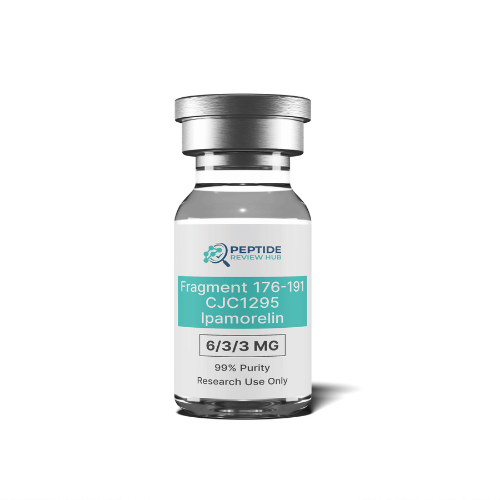
Fragment-176-191-CJC1295-Ipamorelin
Fragment-176-191-CJC1295-Ipamorelin is a research peptide blend combining Fragment 176-191, CJC-1295, and Ipamorelin for laboratory research into growth hormone signaling, metabolic pathways, adipose biology, and IGF-1-related mechanisms.