
Research Use Only. This compound is not intended for human consumption or therapeutic use.
Where to Buy Tripeptide-29: Vendor Comparison & Research Info
This PRODUCT IS INTENDED AS A RESEARCH CHEMICAL ONLY. This designation allows the use of research chemicals strictly for in vitro testing and laboratory experimentation only. All product information available on this website is for educational purposes only.
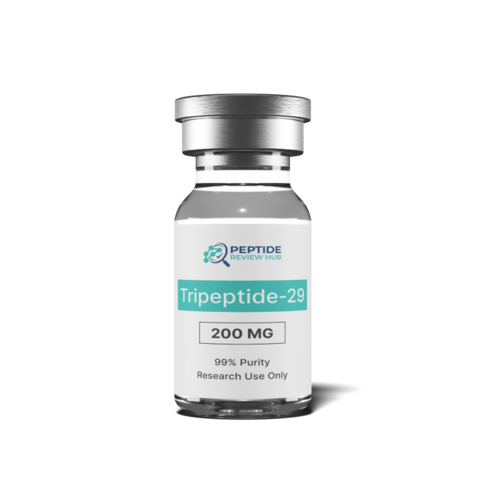
What is Tripeptide-29?
This PRODUCT IS INTENDED AS A RESEARCH CHEMICAL ONLY. This designation allows the use of research chemicals strictly for in vitro testing and laboratory experimentation only. All product information available on this website is for educational purposes only. Bodily introduction of any kind into humans or animals is strictly forbidden by law. This product should only be handled by licensed, qualified professionals. This product is not a drug, food, or cosmetic and may not be misbranded, misused or mislabled as a drug, food or cosmetic.
Tripeptide-29 200mg (Collagen peptide)
Tripeptide-29 is a synthetic mimic of one of the basic building blocks of collagen. Collagen is a long-chain polymer made of short monomeric repeats that are generally made up of three amino acids in sequence. These repeats bond together to create secondary structures, which then combine to form tertiary and even quaternary structures. These complex structures have many emergent properties that the peptide subunits don’t possess. However, changing the nature of the peptide subunits can change the ultimate properties of a quaternary collage compound. Collagen subunits almost always follow the pattern of Gly-Pro-X or Gly-X-Hyp. Tripeptide-29 is a Gly-Pro-Hyp peptide, making it a perfect synthetic analogue of common collage building blocks.
Tripeptide-29 Peptide
Chemical Formula: C12H19N3O5
Molecular Weight: 285.3 g/mol
Amino Acid Sequence: Gly-Pro-Hyp
What Is Tripeptide-29?
Tripeptide-29 is a synthetic analogue of a collage building block. The three-amino-acid long peptide mimics the common Gly-Pro-X/Gly-X-Hyp format of collagen subunits.
What Does Tripeptide-29 Do?
Fundamentally, tripeptide-29 acts as a building block of larger collagen molecules. In so doing, it can change, by virtue of its amino acid sequence and relative frequency with the collagen superstructure, the tertiary and quaternary properties of a collagen molecule. It is important to remember that collagen is not just a structural protein, but also plays roles in cell adhesion, tissue regulation, and healing. Thus, tripeptide-29 has the potential to impact a multitude of physiologic features.
The Roles of Collagen
To be clear, collagen is one of the most ubiquitous molecules in the animal kingdom. It is found in humans, all mammals, reptiles, fish, birds, and even algae. Collage plays roles in:
Tripeptide-29 Research
In vitro research into tripeptide-29 has revealed that the peptide, in its non-polymerized form, is a partial agonists of the collagen receptor GPVI[1]. GPVI is expressed on the surface of platelets, the cell-like structures responsible for the early formation of blood clots. The GPVI receptor plays a crucial role in the collagen-induced activation of platelet aggregation in vascular tissue, a first step to clot formation and tissue repair. Thus, collagen fibers are generally considered thrombogenic.
When dysregulated, collagen thrombogenesis may lead to the development of blood clots. Interestingly, crosslinking of tripeptide-29 appears to boost GPVI activation, suggesting that the peptide could be useful in understanding how to create a “just-right” clotting environment in the setting of various bleeding/clotting disorders.
Tripeptide-29 and Collagen Stability
Benchtop research into the role of short peptides like tripeptide-29 has revealed that they can be used to modulate the stability of collagen. Tripeptide-29, in particular, has helped scientists to understand that the ultimate structure of collagen is influenced most by the last peptide in a tripeptide monomer. In a monomer of A-B-C, it is the peptide in the C position that has most influence on final collagen stability[2]. This finding could help scientists to one day create synthetic implants for cartilage, bone, teeth, and more.
Collagen and Free Radical Damage
Free radical damage is the primary cause of cellular and tissue aging. The body has a number of defenses against free radical damage, but they all become less effective over time. Research in sea cucumber has revealed that collagen hydrolysates constructed from monomers like tripeptide-29 are effective radical scavengers, and that the structure of the tripeptide monomer can affect scavenger activity. No research has been carried out on Tripeptide 29, yet, but there is interest in determining how such peptides could be used in foods and nutraceutical products[3].
Tripeptide-29 Regulates Tissue Fibrosis
In vitro studies of pig skin, cattle skin, fish scales, and chick feet have revealed that tripeptide-29 is an inhibitor of dipeptidylpeptidase-IV activity[4], [5]. Dipeptidylpeptidase-IV (DPP4) is an enzyme found mostly in cells associated with immune signaling and cell apoptosis. It is an intrinsic part of the cell membrane and indiscriminately destroys growth factors, chemokines, neuropeptides, and vasoactive peptides. It also plays a large role in glucose metabolism by breaking down incretins, hormones that stimulate a decrease in blood glucose levels.
Animal studies have revealed that DPP4 plays a role in the development of fibrosis in organs that include the kidney and liver[5]. Inhibiting the enzyme thus prevents scarring in disease processes that affect these organs. Tripeptide-29 maybe doubly beneficial in this setting, as diabetes is a prime cause of kidney fibrosis. The ability of Tripeptide-29 to stimulate glucose uptake and reduce fibrosis, both by inhibiting DPP4, opens a number of research avenues in the control of not just diabetes, but its pathologic sequelae as well.
Tripeptide-29 and Skin Tone
There is recent interest in the role of tripeptide-29 and other tripeptides in protecting skin against the normal process of aging. Research in animals suggests that topical use of tripeptides can reduce the visible effects of skin aging by improving contour, reducing skin deformation, and boosting hydration. There is also evidence that tripeptides can smooth skin texture and reduce the appearance of brown and red spots. In fact, 90% of subjects in the study showed improved moisturization of the skin in addition to increased flexibility secondary to improve elasticity[6].
When combined with certain hexapeptides, topical tripeptide-29 can boost skin turnover and reduce fine lines, crow’s feet, under eye bags, and eye hollowing. In these animal studies, roughly 50% of subjects showed improved skin appearance with twice daily application of the peptide paste[7].
Referenced Citations
Tripeptide-29 is a synthetic collagen-like tripeptide composed of Hydroxyproline, Proline, Glycine. CAS No. 2239-67-0 Water Content: <5% Sequence: Gly-Pro-Hyp Molecular Formula: C12H19N3O5 Molecular Weight: 285.3
ALL ARTICLES AND PRODUCT INFORMATION PROVIDED ON THIS WEBSITE ARE FOR INFORMATIONAL AND EDUCATIONAL PURPOSES ONLY.
The products offered on this website are furnished for in-vitro studies only. In-vitro studies (Latin: in glass) are performed outside of the body. These products are not medicines or drugs and have not been approved by the FDA to prevent, treat or cure any medical condition, ailment or disease. Bodily introduction of any kind into humans or animals is strictly forbidden by law.
Where to Buy Tripeptide-29 Online
| Action | ||||||
|---|---|---|---|---|---|---|
1 |  Core Peptides Verified | 8.9/10 Editorial Rating | $176.00 200mg vial | $0.88/mg | In Stock | Visit Site |
2 | 8.8/10 Editorial Rating | $500.00 10mg vial | $50.00/mg | In Stock | Visit Site |

Top-Ranked Vendor
Core Peptides Review
Overall Score: 9.0/10
COA Transparency (9/10)
Testing & Quality Verification
Core Peptides demonstrates a strong commitment to transparency through third-party testing and publicly available Certificates of Analysis (COAs). The company states that every peptide batch is independently tested and provides COA documentation directly on product pages. Batch-specific testing data, purity verification, and HPLC analysis are prominently emphasized.
Products are advertised as being manufactured in the USA and independently verified before release. The company's transparency is further strengthened by making testing information accessible rather than requiring customers to request documentation separately.
The availability of batch-level testing information allows researchers to review quality metrics before purchase, which is a significant trust indicator in the research peptide industry.
Assessment
Core Peptides performs exceptionally well in transparency. Public COA availability, independent testing, and batch-specific verification place the company among the stronger transparency-focused peptide suppliers.
Reputation (8/10)
Market Presence & Customer Trust
Core Peptides has established a professional presence within the research peptide market. The brand is recognized primarily for its focus on independently tested products, U.S.-based operations, and educational resources for researchers.
Customer discussions frequently highlight product quality, shipping speed, and transparency. The company also maintains an active educational approach through guides, calculators, and research-support materials, helping build credibility beyond simple product sales.
While the company appears well-regarded among research customers, publicly available third-party reviews remain more limited than those available for larger, long-established suppliers.
Assessment
A positive reputation built around transparency, quality assurance, and customer support, though long-term review volume remains smaller than industry leaders.
Pricing (9/10)
Value & Competitive Positioning
Core Peptides offers competitive pricing relative to other premium research-peptide suppliers. The company provides volume discounts, multi-vial pricing, promotional sales, and free-shipping thresholds that help improve overall value.
Unlike budget suppliers that compete strictly on low cost, Core Peptides positions itself as a quality-focused supplier while maintaining reasonable pricing. Researchers purchasing larger quantities benefit from automatic discount structures.
The combination of independent testing, domestic inventory, and competitive pricing creates a strong value proposition.
Assessment
Pricing strikes an excellent balance between affordability and quality assurance.
Policies (9/10)
Customer Protection & Transparency
Core Peptides maintains clear and easily accessible policies covering shipping, refunds, cancellations, and research-use requirements.
Customers can request order cancellations before shipment, and refund information is straightforward and publicly available. Educational materials explaining product use restrictions and purchasing expectations further support transparency.
The company clearly communicates that products are intended solely for laboratory research purposes, helping reduce confusion regarding usage policies.
Assessment
Well-organized, transparent policies contribute positively to customer confidence and overall professionalism.
Shipping (9/10)
Fulfillment & Delivery
Shipping is a major strength for Core Peptides. The company offers same-day shipping on eligible orders and provides tracking information automatically after dispatch.
Free domestic shipping is available above qualifying order thresholds, while expedited and overnight options are offered for customers needing faster delivery. Professional packaging and tracking support improve the overall purchasing experience.
Domestic fulfillment allows many customers to receive products quickly while maintaining shipment visibility throughout transit.
Assessment
Fast processing, shipment tracking, and multiple delivery options make shipping one of the company's strongest operational areas.
Catalog (10/10)
Product Selection & Inventory Depth
Core Peptides maintains one of the largest peptide catalogs in its category, offering over 100 research compounds and blends.
Metabolic Research Products
Tirzepatide
Retatrutide
Semaglutide
AOD-9604
Recovery & Regenerative Peptides
BPC-157
TB-500
GHK-Cu
LL-37
Growth Hormone Research Products
CJC-1295
Ipamorelin
GHRP-2
GHRP-6
Hexarelin
Longevity & Cellular Research
MOTS-C
NAD+
Epithalon
Humanin
Cognitive Research Products
Selank
Semax
DSIP
P21
Specialty & Blend Products
KLOW Blend
BPC-157/TB-500 Blends
Multi-Peptide Formulations
Bioregulator Peptides
Assessment
The catalog is exceptionally deep and includes both mainstream and specialty compounds rarely available from smaller suppliers.
What We Like
Key Strengths
Third-party tested products.
Batch-specific COAs available.
Large peptide inventory.
Strong transparency standards.
Same-day shipping available.
Free shipping thresholds.
Educational research resources.
Automatic volume discounts.
U.S.-based fulfillment.
Professional customer service.
What Could Be Better
Areas for Improvement
More independent review coverage across major review platforms.
Greater visibility into manufacturing partners.
Expanded international shipping information.
More long-term customer testimonials.
Broader company-history information.
Online Ratings & Reviews
Trustpilot
Rating: Information Not Publicly Available
Review Count: Information Not Publicly Available
Key Positive Themes
Product quality
Fast shipping
Transparent testing
Key Negative Themes
Limited review volume
Smaller public review footprint
Finnrick
Rating: Information Not Publicly Available
Key Findings
Information Not Publicly Available
Notable Observations
Information Not Publicly Available
Other Review Sources
Independent community discussions generally focus on:
Product quality
COA transparency
Shipping speed
Customer service responsiveness
Overall Public Sentiment
Overall sentiment appears positive. Customers frequently highlight transparency, catalog depth, and fulfillment speed as major strengths.
Most Common Praise
Independent testing
Broad peptide selection
Reliable shipping
Product consistency
Professional support
Most Common Complaints
Limited third-party review history
Desire for greater corporate transparency
Higher pricing than some budget suppliers
Brand Overview
Company Name
Core Peptides
Website
Industry
Research Peptides & Laboratory Research Compounds
Main Products
Tirzepatide
Retatrutide
Semaglutide
BPC-157
TB-500
GHK-Cu
MOTS-C
Selank
Semax
NAD+
Headquarters
United States
Shipping Regions
Primarily United States, with international options available for selected regions
Payment Methods
Credit Cards
Debit Cards
Secure Online Checkout
Alternative Payment Methods
Company Summary
Core Peptides is a research-peptide supplier specializing in independently tested compounds intended for laboratory and educational research applications. The company has built its reputation around transparency, product verification, and broad product availability.
A key differentiator is its commitment to publishing Certificates of Analysis for products and emphasizing third-party testing. The company maintains a large catalog spanning metabolic research compounds, regenerative peptides, growth-hormone-related products, cognitive compounds, longevity-focused peptides, and custom blend formulations.
Core Peptides also invests heavily in customer education through research guides, calculators, FAQs, and informational content designed to help researchers understand product handling and storage requirements.
Combined with same-day fulfillment, volume discounts, and quality-control standards, the company positions itself as a premium research-focused supplier serving both individual researchers and larger research organizations.
Final Verdict
Core Peptides is best suited for researchers who prioritize quality assurance, transparency, and product availability. The company's strongest advantages include extensive third-party testing, publicly available quality documentation, rapid fulfillment, and one of the broadest peptide catalogs in the industry.
Its emphasis on batch verification and educational resources helps differentiate it from competitors that focus primarily on product sales. Customers seeking access to mainstream peptides as well as specialty compounds will likely find significant value in the company's extensive inventory.
The primary limitation is the relatively limited volume of publicly available third-party reviews compared with larger and older suppliers. However, the company's transparency practices and customer-focused approach help offset this concern.
Overall, Core Peptides presents a strong combination of catalog depth, testing standards, shipping efficiency, and professionalism, making it one of the more compelling research-peptide suppliers currently operating in the market.
Final Rating: 9.0/10
Chemical Properties & Handling
Standard storage protocols for lyophilized peptides generally apply unless otherwise specified.
- Lyophilized (Powder): Store at -20°C for up to 3 years. Keep away from direct light and moisture.
- Reconstituted (Liquid): Store at 2-8°C (refrigerated) and use within 20-30 days to maintain stability.
Research Reviews
No Research Reviews Yet
Be the first to share your research protocol and vendor experience with Tripeptide-29.
Best Tripeptide-29 Vendors & Price Comparison
Tripeptide-29 is a synthetic collagen-mimetic peptide composed of the amino acid sequence Gly-Pro-Hyp (Glycine-Proline-Hydroxyproline). As one of the fundamental structural motifs found throughout collagen, Tripeptide-29 has become an important research tool in studies involving collagen biology, tissue engineering, extracellular matrix function, skin aging, wound repair, fibrosis regulation, and biomaterials development.
As interest in collagen-related research continues to expand, researchers frequently compare Tripeptide-29 vendors based on purity, analytical testing, pricing, product documentation, and supplier transparency.
This Tripeptide-29 Vendor Price Comparison Guide helps researchers evaluate suppliers using objective criteria, including:
Product Pricing
Cost Per Milligram
Product Purity
Third-Party Testing
Certificate of Analysis (COA)
Vendor Reputation
Customer Reviews
Shipping Performance
Product Availability
Overall Value
Whether you're seeking the lowest-priced Tripeptide-29 supplier, vendors with comprehensive analytical testing, or the highest-purity collagen peptides available, this guide provides a framework for comparing research suppliers.
Explore Tripeptide-29 Vendors by Criteria
Most Popular Tripeptide-29 Vendors
Compare suppliers frequently selected by collagen, skin biology, and tissue-engineering researchers.
Highest Reviewed Tripeptide-29 Vendors
Discover vendors with strong customer feedback and positive marketplace reputations.
Lowest Price Tripeptide-29 Vendors
Identify suppliers offering competitive pricing and attractive cost-per-milligram value.
Highest Purity Tripeptide-29 Vendors
Review suppliers providing detailed purity verification and analytical documentation.
Best Value Tripeptide-29 Vendors
Compare pricing, testing standards, product quality, and customer support to determine overall value.
Fastest Shipping Tripeptide-29 Vendors
Evaluate fulfillment speed, packaging quality, and delivery reliability.
Newly Listed Tripeptide-29 Vendors
Explore recently added suppliers offering Tripeptide-29 research products.
What Is Tripeptide-29?
Overview
Tripeptide-29 is a synthetic analogue of a common collagen building block consisting of:
Glycine – Proline – Hydroxyproline (Gly-Pro-Hyp)
This sequence closely mirrors one of the repeating structural motifs frequently observed throughout collagen molecules.
Researchers investigate Tripeptide-29 because collagen plays essential roles in:
Structural support
Tissue integrity
Cell adhesion
Extracellular matrix biology
Tissue repair
Wound healing
Skin function
Connective tissue maintenance
As a result, Tripeptide-29 serves as a useful model for studying collagen assembly and function.
Molecular Characteristics
Peptide Information
Researchers evaluating Tripeptide-29 should carefully review product specifications and analytical documentation.
Peptide Name
Tripeptide-29
Alternative Name
Collagen Peptide Mimetic
Amino Acid Sequence
Gly-Pro-Hyp
Molecular Formula
C12H19N3O5
Molecular Weight
285.3 g/mol
CAS Number
2239-67-0
Classification
Synthetic Collagen-Mimetic Peptide
Research Category
Collagen & Extracellular Matrix Research
Why Researchers Compare Tripeptide-29 Vendors
Research outcomes often depend on peptide quality and consistency.
Supplier differences may include:
Peptide purity
Manufacturing standards
Batch consistency
Stability testing
Storage procedures
Product documentation
Shipping reliability
Quality-control practices
Comparing suppliers solely on price may overlook important quality factors.
How We Compare Tripeptide-29 Vendors
Third-Party Laboratory Testing
Independent laboratory verification remains one of the strongest indicators of product quality.
Researchers should prioritize suppliers offering:
Third-party testing
Identity verification
Purity analysis
Batch-specific results
Certificate of Analysis (COA)
A quality COA should include:
Lot number
Purity percentage
Test date
Identity confirmation
Analytical methodology
Product Purity
Purity is one of the most important criteria for collagen-related research.
Higher-purity preparations generally support greater experimental consistency.
Cost Per Milligram
Comparing vial prices alone can create misleading conclusions.
Cost Per Milligram Formula
Product Price ÷ Total Milligrams = Cost Per Milligram
This provides a more accurate comparison of product value.
Customer Reviews
Customer experiences may provide insight regarding:
Product consistency
Shipping reliability
Packaging quality
Customer support
Purchasing experience
Vendor Reputation
Established peptide suppliers often demonstrate:
Consistent quality standards
Strong testing practices
Reliable inventory
Transparent business operations
Current Research & Evidence
Collagen Biology Research
Tripeptide-29 is primarily investigated for its role as a collagen-mimetic peptide.
Researchers use Tripeptide-29 to better understand:
Collagen assembly
Collagen stability
Extracellular matrix formation
Protein folding mechanisms
These investigations may ultimately assist in the development of advanced biomaterials and tissue-engineering technologies.
Platelet & GPVI Research
Laboratory research suggests Tripeptide-29 may interact with GPVI (glycoprotein VI), a receptor involved in platelet activation and collagen-mediated signaling.
Scientists continue studying these interactions to better understand:
Platelet biology
Tissue repair mechanisms
Vascular signaling
Clot formation pathways
Tissue Engineering Research
Tripeptide-29 has become increasingly relevant in studies involving:
Synthetic biomaterials
Tissue scaffolds
Cartilage engineering
Bone regeneration research
Connective tissue development
Researchers continue exploring how collagen-like peptides influence structural properties of engineered tissues.
Key Findings on Tripeptide-29 Research
Collagen Stability Research
One important area of investigation focuses on collagen stability.
Research suggests that the composition and sequence of collagen subunits can influence:
Structural integrity
Thermal stability
Mechanical properties
Long-term durability
Tripeptide-29 serves as a useful model for investigating these characteristics.
Extracellular Matrix Research
The extracellular matrix (ECM) plays a critical role in tissue architecture and cellular communication.
Researchers continue studying how collagen-based peptides contribute to:
Cell signaling
Tissue organization
Matrix remodeling
Wound-repair pathways
Fibrosis Research
Experimental evidence suggests collagen-like peptides may influence pathways related to fibrosis and tissue remodeling.
Researchers have explored relationships involving:
Dipeptidyl Peptidase-4 (DPP4)
Fibrotic signaling
Scar formation
Connective tissue regulation
This remains an active area of investigation.
Metabolic Research
Because DPP4 participates in glucose regulation pathways, researchers continue exploring whether collagen-derived peptides may influence:
Glucose metabolism
Metabolic signaling
Tissue remodeling in diabetes
Fibrosis-related disease processes
Further research remains necessary.
Free Radical & Oxidative Stress Research
Investigators have studied collagen hydrolysates and peptide fragments for their potential interactions with oxidative-stress pathways.
Current research focuses on:
Free-radical biology
Oxidative damage
Tissue aging
Structural protein preservation
Skin Aging Research
Tripeptide-29 has attracted significant interest in cosmetic and skin-science research.
Investigations have explored relationships with:
Skin elasticity
Hydration
Texture
Fine lines
Skin appearance
Researchers continue evaluating mechanisms responsible for these observations.
Research Limitations
Most findings concerning Tripeptide-29 originate from:
In vitro research
Benchtop experiments
Cell culture studies
Early-stage preclinical investigations
Results should not be interpreted as evidence of approved therapeutic applications in humans.
Additional research remains necessary to fully characterize the biological effects of Tripeptide-29.
Product Quality & Analytical Testing
Why Testing Matters
Research-grade Tripeptide-29 should undergo testing to verify:
Identity
Purity
Stability
Potency
Batch consistency
Common Testing Methods
High-Performance Liquid Chromatography (HPLC)
Used to evaluate peptide purity and identify impurities.
Mass Spectrometry (MS)
Used to verify molecular identity and molecular weight.
Identity Verification Testing
Confirms peptide composition and sequence.
Stability Testing
Evaluates peptide integrity during storage.
Batch Consistency Testing
Measures consistency across manufacturing lots.
Understanding Tripeptide-29 Pricing
Several factors influence supplier pricing.
Product Purity
Higher-purity peptides often command premium pricing.
Analytical Verification
Comprehensive testing programs increase transparency and quality assurance.
Manufacturing Standards
Stricter quality-control procedures generally increase cost.
Product Format
Pricing may vary depending on:
Lyophilized powder
Bulk powder
Cosmetic-grade formulations
Research-grade formulations
Vendor Reputation
Trusted suppliers frequently charge premiums due to established quality systems.
Tripeptide-29 Vendor Evaluation Checklist
Quality Verification
✅ Third-party testing available
✅ Certificate of Analysis provided
✅ Identity verification documented
✅ Purity information disclosed
✅ Batch-specific testing available
Vendor Reliability
✅ Positive customer reviews
✅ Transparent business information
✅ Responsive customer support
✅ Reliable inventory availability
Purchasing Experience
✅ Secure checkout process
✅ Tracking available
✅ Clear refund policy
✅ Reliable fulfillment
Red Flags When Comparing Vendors
Testing Concerns
❌ No third-party testing
❌ Missing Certificates of Analysis
❌ Outdated purity reports
❌ Unverified product claims
Transparency Concerns
❌ Hidden specifications
❌ Missing batch numbers
❌ Limited documentation
❌ No company contact information
Service Concerns
❌ Frequent stock shortages
❌ Poor customer communication
❌ Negative customer reviews
❌ Unclear shipping policies
How to Choose the Best Tripeptide-29 Vendor
Prioritize Transparency
Choose suppliers that provide third-party testing and detailed Certificates of Analysis.
Compare Overall Value
Evaluate purity, testing standards, customer support, and pricing together.
Review Documentation
Verify laboratory reports before purchasing.
Consider Vendor Reputation
Established suppliers often offer greater consistency and stronger quality-control programs.
Match Products to Research Needs
Select products and suppliers appropriate for your laboratory requirements and research objectives.
Frequently Asked Questions
What is Tripeptide-29?
Tripeptide-29 is a synthetic collagen-mimetic peptide composed of Glycine-Proline-Hydroxyproline (Gly-Pro-Hyp).
What is Tripeptide-29 used for in research?
Researchers investigate Tripeptide-29 in studies involving collagen biology, extracellular matrix function, tissue engineering, fibrosis, skin aging, and connective tissue research.
Why compare Tripeptide-29 vendors?
Purity, analytical testing, product quality, documentation, and pricing can vary significantly between suppliers.
What should researchers review before purchasing?
Researchers should evaluate:
Certificate of Analysis
Purity testing
Third-party verification
Identity confirmation
Vendor reputation
Customer reviews
Why is third-party testing important?
Independent testing helps verify product identity, purity, and consistency.
Is the cheapest vendor always the best option?
No. Product quality, analytical verification, transparency, and supplier reliability are often more important than price alone.
How often should vendor comparisons be updated?
Pricing, product availability, testing standards, and supplier policies can change frequently and should be reviewed regularly.
Final Thoughts
Tripeptide-29 remains an important research tool in collagen science because it closely mimics one of the fundamental structural units found throughout collagen. Researchers continue studying its role in collagen stability, extracellular matrix biology, fibrosis regulation, tissue engineering, skin aging, and regenerative medicine.
When comparing Tripeptide-29 vendors, researchers should prioritize purity verification, third-party testing, COA availability, supplier reputation, and overall value. A structured vendor-comparison approach can help identify suppliers that meet rigorous research-quality standards.
Current Research & Evidence
Research evidence for Tripeptide-29 has not yet been added.
Key Findings on Tripeptide-29 Use
Key findings for Tripeptide-29 have not yet been added.
Related Peptides in Peptide
BPC 157
In the stomach of every man lies a substance more powerful than he knows. BPC-157 derives from this source - gastric juice, that most unpoetic of origins for what may prove a considerable discovery. The synthetic version contains fifteen amino acids arranged with the precision nature reserves for her most essential works. It endures where other peptides fail.
MOTS-c
The Mitochondrial-Derived Peptide MOTS-c promotes metabolic homeostasis and longevity, improves exercise capacity, reduces obesity, insulin resistance and other disease processes such as osteoporosis .
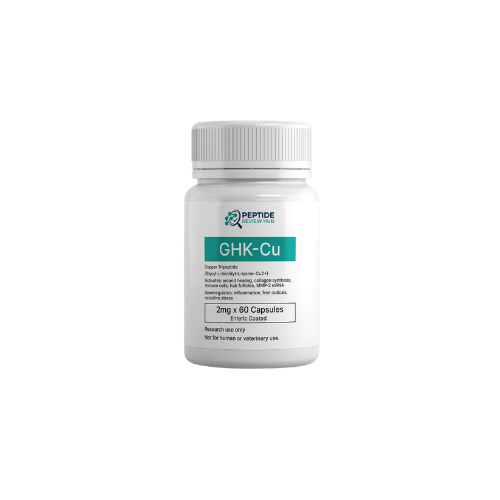
GHK-Cu
(2mg x 60 Capsules) (Copper Tripeptide) GHK-Cu is a small, naturally occurring peptide with the ability to attenuate inflammation, improve antioxidant responses, and improve gene expression on a large scale. Research shows that this copper-chelating peptide may be of critical importance both in the prevention of neurodegenerative disease and as a tool for exploring pathophysiological mechanisms. Studies in mice have revealed that GHK-Cu can protect against neurological insults, improve wound healing, reduce rates of infection, and boost blood vessel growth.
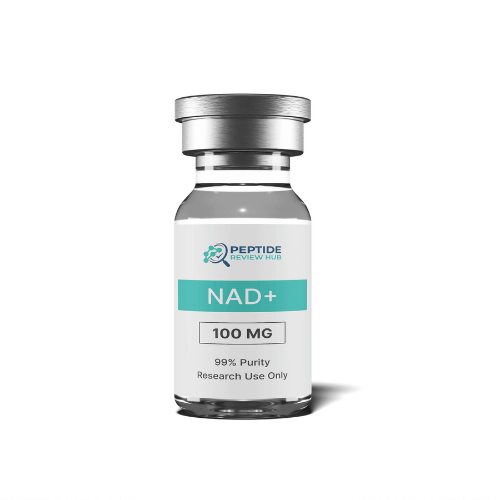
NAD+
NAD+ is a research-grade cellular coenzyme involved in redox reactions, mitochondrial energy metabolism, DNA repair, and NAD+-dependent signaling pathways. It is widely studied in research involving cellular aging, metabolic function, mitochondrial biology, genomic stability, and neuronal physiology.