
Research Use Only. This compound is not intended for human consumption or therapeutic use.
Where to Buy Adipotide: Vendor Comparison & Research Info
Adipotide is an experimental research peptide investigated for its potential effects on adipose-tissue biology, vascular targeting, and metabolic pathways. Research has focused primarily on its mechanism of selectively targeting blood vessels associated with adipose tissue, making it a compound of interest in preclinical studies involving fat metabolism and targeted cellular pathways.
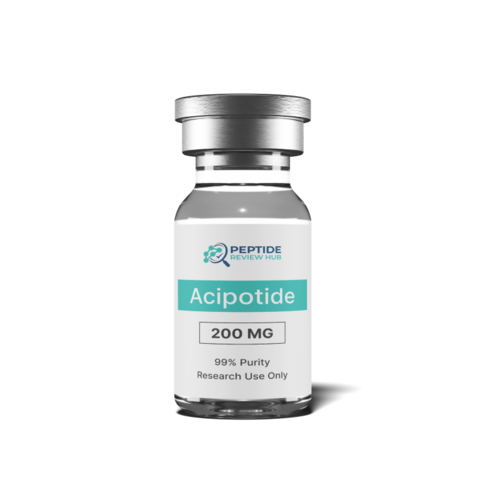
What is Adipotide?
THIS PRODUCT IS INTENDED AS A RESEARCH CHEMICAL ONLY. This designation allows the use of research chemicals strictly for in vitro testing and laboratory experimentation only. All product information available on this website is for educational purposes only. Bodily introduction of any kind into humans or animals is strictly forbidden by law. This product should only be handled by licensed, qualified professionals. This product is not a drug, food, or cosmetic and may not be misbranded, misused or mislabled as a drug, food or cosmetic.
What is Adipotide?
Adipotide (a.k.a. FTPP or proapototic peptide) kills fat cells, plain and simple, by targeting the blood supply of those cells. Interestingly, adipotide is able to discern the blood vessels in fat cells from the blood vessels throughout the rest of the body and is therefore highly selective. Research in monkeys shows that adipotide not only causes weight loss, it actually boosts insulin sensitivity and offsets some of the effects of type 2 diabetes.
Adipotide Structure
Sequence: Cys-Lys-Gly-Gly-Arg-Ala-Lys-Asp-Cys—Gly-Gly--(Lys-Leu-Ala-Lys-Leu-Ala-Lys)2 Molecular Formula: C152H252N44O42 Molecular Weight: 2611.41 g/mol
Adipotide Research
1. Adipotide And Fat Loss
Adipotide was developed and placed into phase I clinical trials in 2011 to investigate its ability to kill fat cells. Tests in rhesus monkeys revealed that adipotide causes targeted apoptosis in the blood vessels of white adipose tissue (fat). Without a blood supply, the fat cells simply died. The net result was rapid weight loss, rapid decrease in body mass index (BMI), and improved insulin resistance characteristics. Interestingly, treatment with adipotide and subsequent fat loss not only improved weight, but actually contributed to changes in eating behavior. Monkeys who lost weight with adipotide also showed a decrease in food consumption.
A. Percent weight loss in control groups (blue) versus those treated with adipotide (two differing doses, shown in red) B. Percent reduction in BMI (control versus treatmen.
A. Shows the change in insulin requirements (area under the curve) for treated (red) and control (blue) groups. The AUC was calculated from an IVGTT test. B. Shows the insulinogenic index for before and after in the treatment (red) and control (blue) groups. Treated groups show a dramatic decrease in insulin secretion. C. Change in biscuit consumption in treated (red) and control (blue) groups.
The targeting of adipotide to the blood vessels serving fat cells may be mediated by a protein receptor called prohibitin. Prohibitin is a membrane protein that may only be found in blood vessels serving white fat and in cancer cells. It has been demonstrated that adipotide associates with this protein. If it turns out that prohibitin is found only in fat vasculature and cancer tissue, then adipotide testing will be responsible for identifying a fat-specific target that can be used not jGlucose tolerance is a term that refers to higher than normal levels of blood sugar. The condition is generally diagnosed with a blood test and confirmed by testing fasting glucose levels or by administering a glucose tolerance test in which a set amount of sugar is consumed and then blood levels of sugar are measured. Glucose tolerance is a proxy measure for diabetes, with increased glucose tolerance indicating a trend toward diabetes.
Treating elevated glucose levels can be done with diet and exercise, but these methods require dedication and motivation. They also take considerable time to have an effect. In general, most people with impaired glucose tolerance go on to develop overt type 2 diabetes and require drugs like metformin and, in some cases, insulin. Research into adipotide has revealed that the peptide produces rapid and weight-independent improvement in glucose tolerance[4]. The latter part is critical, because it indicates that a reduction in white fat by adipotide is effective in reducing glucose tolerance regardless of the impact on weight. In other words, it is the fat loss that is important, not the weight loss. These findings not only open the pathway for developing new treatments for pre-diabetes and diabetes, they help to clarify and explain the mechanisms that lead to diabetes in the first place.
There is some argument as to whether adipotide directly causes fat loss or simply decreases food intake which indirectly leads to fat loss[4]. It is likely that adipotide directly causes fat loss. This hypothesis is supported by the fact that the peptide causes changes in fat cell density without causing weight loss and affects glucose tolerance without causing weight loss.
Future Adipotide Research
The primary area of adipotide research is in fat loss and diabetes. The peptide targets specific cells in the blood vessels that supply fat tissue, causing those blood vessels to die and, as a result, causing the fat cells they supply to die. Adipotide is an anti-angiogenic peptide, which means it targets blood vessels. Anti-angiogenic molecules are of keen interest right now in the treatment of cancer. There is limited, but promising research, on the role of adipotide in cancer.
Adipotide exhibits minimal side effects, low oral and excellent subcutaneous bioavailability in mice. Per kg dosage in mice does not scale to humans. Adipotide for sale at peptide Review Hubis limited to educational and scientific research only, not for human consumption. Only buy Adipotide if you are a licensed researcher.
Where to Buy Adipotide Online
| Rank | Vendor | Trust Score | Vial Size | Price / mg | Status | Action |
|---|---|---|---|---|---|---|
1 | 8.7/10 Editorial Rating | $64.00 10mg vial | $6.40/mg | In Stock | Visit Site | |
2 |  Pure Peptide Labs Verified | 5.0/10 Editorial Rating | $74.95 10mg vial | $7.50/mg | In Stock | Visit Site |
3 |  Biotechpeptides Verified | N/A/10 Editorial Rating | $77.00 10mg vial | $7.70/mg | In Stock | Visit Site |
4 | N/A/10 Editorial Rating | $165.00 10mg vial | $16.50/mg | In Stock | Visit Site | |
5 | N/A/10 Editorial Rating | $110.00 10mg vial | $11.00/mg | In Stock | Visit Site | |
6 | N/A/10 Editorial Rating | $230.00 10mg vial | $23.00/mg | In Stock | Visit Site | |
7 | N/A/10 Editorial Rating | $54.00 mg vial | $/mg | Out of Stock | Visit Site |



Top-Ranked Vendor

Chemical Properties & Handling
Standard storage protocols for lyophilized peptides generally apply unless otherwise specified.
- Lyophilized (Powder): Store at -20°C for up to 3 years. Keep away from direct light and moisture.
- Reconstituted (Liquid): Store at 2-8°C (refrigerated) and use within 20-30 days to maintain stability.
Research Reviews
No Research Reviews Yet
Be the first to share your research protocol and vendor experience with Adipotide.
Best Adipotide Vendors & Price Comparison
Adipotide (also known as FTPP) is a highly specialized research peptide that has attracted significant attention in obesity, adipose-tissue biology, metabolic regulation, and diabetes research. Unlike traditional weight-management compounds, Adipotide has been investigated for its ability to target blood vessels that supply white adipose tissue, making it one of the most unique compounds studied in metabolic science.
As interest in fat-cell biology and metabolic research continues to expand, researchers frequently compare Adipotide vendors based on purity, analytical testing, pricing, product documentation, and supplier transparency.
This Adipotide Vendor Price Comparison Guide helps researchers evaluate suppliers using objective criteria including:
Product Pricing
Cost Per Milligram
Product Purity
Third-Party Testing
Certificate of Analysis (COA)
Vendor Reputation
Customer Reviews
Shipping Performance
Product Availability
Overall Value
Whether you're looking for the most affordable Adipotide vendor, suppliers with extensive analytical testing, or highly rated peptide providers, this guide can help simplify your comparison process.
Explore Adipotide Vendors by Criteria
Most Popular Adipotide Vendors
Compare suppliers frequently selected by metabolic and obesity researchers.
Highest Reviewed Adipotide Vendors
Discover vendors with strong customer satisfaction and positive marketplace feedback.
Lowest Price Adipotide Vendors
Identify suppliers offering competitive pricing and cost-effective research products.
Highest Purity Adipotide Vendors
Review vendors providing extensive purity testing and analytical verification.
Best Value Adipotide Vendors
Compare purity, testing standards, customer service, and pricing to determine overall value.
Fastest Shipping Adipotide Vendors
Evaluate order fulfillment speed, shipping reliability, and packaging quality.
Newly Listed Adipotide Vendors
Explore recently added suppliers offering Adipotide research products.
What Is Adipotide?
Overview
Adipotide (FTPP) is a synthetic research peptide developed to target blood vessels supplying white adipose tissue.
Researchers have investigated Adipotide for its relationship to:
Adipose tissue biology
Metabolic regulation
Obesity research
Insulin sensitivity
Glucose metabolism
Weight-regulation pathways
Angiogenesis research
Its unique mechanism has made Adipotide an important research tool for studying the relationship between fat tissue and metabolic health.
Molecular Characteristics
Peptide Information
Researchers evaluating Adipotide products should review molecular specifications and testing documentation carefully.
Peptide Name
Adipotide
Alternative Names
FTPP
Proapoptotic Peptide
Fat-Targeted Proapoptotic Peptide
Amino Acid Sequence
Cys-Lys-Gly-Gly-Arg-Ala-Lys-Asp-Cys-Gly-Gly-(Lys-Leu-Ala-Lys-Leu-Ala-Lys)₂
Molecular Weight
2611.41 g/mol
Classification
Targeted Research Peptide
Research Category
Adipose Tissue & Metabolic Biology Research
Why Researchers Compare Adipotide Vendors
Not all peptide suppliers maintain identical standards for manufacturing and quality control.
Differences between vendors may include:
Peptide purity
Batch consistency
Manufacturing methods
Stability testing
Shipping conditions
Certificate availability
Identity verification
Product documentation
Evaluating suppliers based solely on price may overlook important quality indicators.
How We Compare Adipotide Vendors
Third-Party Laboratory Testing
Independent testing remains one of the most important indicators of research-grade quality.
Researchers should prioritize vendors offering:
Third-party verification
Batch-specific testing
Purity analysis
Identity confirmation
Certificate of Analysis (COA)
A quality COA should include:
Batch number
Purity results
Testing date
Identity verification
Laboratory methods
Product Purity
Purity directly impacts research consistency and reproducibility.
Suppliers that provide transparent purity reporting generally receive stronger rankings.
Cost Per Milligram
Comparing vial prices without considering peptide content can be misleading.
Cost Per Milligram Formula
Product Price ÷ Total Milligrams = Cost Per Milligram
This allows more meaningful comparisons across vendors.
Customer Reviews
Customer experiences often reveal valuable information regarding:
Product consistency
Packaging standards
Order fulfillment
Customer support
Overall buying experience
Vendor Reputation
Established suppliers typically demonstrate:
Long-term industry experience
Reliable testing standards
Strong customer satisfaction
Consistent product quality
Current Research & Evidence
Adipose Tissue Research
The primary focus of Adipotide research involves white adipose tissue biology.
Researchers continue investigating how adipose tissue contributes to:
Metabolic regulation
Energy balance
Hormonal signaling
Glucose metabolism
Obesity Research
Adipotide has been studied as a research tool for understanding:
Fat-tissue reduction
Adipocyte regulation
Body composition changes
Energy storage mechanisms
Research in this area remains one of the most active applications of the peptide.
Metabolic Health Research
Researchers have examined how reductions in adipose tissue may influence:
Metabolic efficiency
Insulin signaling
Glucose handling
Systemic inflammation
Angiogenesis Research
Adipotide is often classified as an anti-angiogenic peptide because of its interaction with blood vessels serving adipose tissue.
Researchers continue investigating this unique mechanism and its broader implications.
Key Findings on Adipotide Research
Fat Tissue Targeting
One of the most distinctive aspects of Adipotide research is its ability to selectively target blood vessels associated with white adipose tissue.
This characteristic separates it from many traditional metabolic research compounds.
Body Composition Research
Experimental studies have evaluated the relationship between Adipotide and:
Fat-mass reduction
Body-weight changes
Energy-storage pathways
Adipose tissue remodeling
Insulin Sensitivity Research
Research suggests that changes in adipose tissue may influence insulin signaling and glucose regulation.
Researchers continue exploring these metabolic relationships.
Glucose Metabolism Research
Studies have investigated Adipotide's interaction with:
Glucose tolerance pathways
Insulin-response mechanisms
Metabolic regulation
Energy utilization
Appetite & Feeding Behavior Research
Some experimental findings have observed changes in food-consumption behavior following treatment.
Researchers continue investigating potential links between adipose tissue biology and appetite regulation.
Future Research Applications
In addition to obesity and metabolic research, scientists have explored the potential relevance of Adipotide in:
Angiogenesis biology
Cancer-related research
Vascular-targeting studies
Fat-tissue signaling mechanisms
Further research remains necessary to better understand these applications.
Research Limitations
Most Adipotide findings originate from laboratory and animal studies.
Results observed in experimental systems should not be interpreted as evidence of approved therapeutic use in humans.
Additional research is required to fully understand the compound's biological effects and potential applications.
Product Quality & Analytical Testing
Why Testing Matters
Research-grade Adipotide products should undergo testing to verify:
Identity
Purity
Stability
Potency
Batch consistency
Common Testing Methods
High-Performance Liquid Chromatography (HPLC)
Used to evaluate purity and detect impurities.
Mass Spectrometry (MS)
Used to verify molecular identity and expected molecular weight.
Identity Testing
Confirms peptide composition and product authenticity.
Stability Testing
Evaluates product integrity during storage.
Batch Consistency Testing
Measures reproducibility between manufacturing lots.
Understanding Adipotide Pricing
Several factors can influence pricing among suppliers.
Product Purity
Higher documented purity often results in premium pricing.
Analytical Verification
Comprehensive testing programs increase transparency and quality assurance.
Manufacturing Standards
Strict quality-control procedures can contribute to higher production costs.
Peptide Complexity
Specialized peptides such as Adipotide generally require more advanced synthesis and testing procedures.
Vendor Reputation
Trusted suppliers often charge higher prices due to established quality standards.
Adipotide Vendor Evaluation Checklist
Quality Verification
✅ Third-party testing available
✅ Certificate of Analysis provided
✅ Identity verification documented
✅ Purity information disclosed
✅ Batch-specific testing
Vendor Reliability
✅ Positive customer reviews
✅ Transparent company information
✅ Responsive support team
✅ Reliable inventory availability
Purchasing Experience
✅ Secure checkout process
✅ Shipment tracking available
✅ Clear refund policy
✅ Reliable order fulfillment
Red Flags When Comparing Vendors
Testing Concerns
❌ No third-party testing
❌ Missing COAs
❌ Unverified purity claims
❌ Outdated analytical reports
Transparency Issues
❌ Hidden specifications
❌ Missing batch numbers
❌ Limited product documentation
❌ No company contact information
Service Problems
❌ Frequent stock shortages
❌ Negative customer feedback
❌ Poor communication
❌ Unclear shipping policies
How to Choose the Best Adipotide Vendor
Prioritize Transparency
Select suppliers that provide third-party laboratory testing and batch-specific COAs.
Compare Overall Value
Balance pricing against purity, analytical testing, and customer support.
Verify Documentation
Review laboratory reports before purchasing.
Consider Vendor Reputation
Established suppliers often provide stronger quality assurance and consistency.
Match Product Quality to Research Goals
Choose suppliers that meet the testing, documentation, and quality-control standards required for your research.
Frequently Asked Questions
What is Adipotide?
Adipotide (FTPP) is a targeted research peptide studied for its interaction with blood vessels associated with white adipose tissue.
What is Adipotide used for in research?
Researchers primarily investigate Adipotide in studies involving obesity, adipose-tissue biology, metabolic health, glucose regulation, and angiogenesis.
Why compare Adipotide vendors?
Product purity, testing standards, documentation quality, and vendor reliability can vary significantly between suppliers.
What should I review before purchasing?
Researchers should evaluate:
Certificate of Analysis
Purity testing
Third-party verification
Identity testing
Vendor reputation
Customer reviews
Why is third-party testing important?
Independent testing helps verify product identity, purity, and consistency.
Is the cheapest vendor always the best option?
No. Product quality, analytical verification, and supplier reliability are often more important than price alone.
How often should vendor comparisons be updated?
Vendor pricing, inventory, testing standards, and laboratory reports may change frequently and should be reviewed regularly.
Final Thoughts
Adipotide remains one of the most unique peptides in metabolic and adipose-tissue research due to its targeted approach toward fat-associated vascular systems. Researchers continue investigating its role in obesity research, insulin sensitivity, glucose metabolism, angiogenesis, and body-composition biology.
When comparing Adipotide vendors, priority should be placed on purity verification, third-party testing, COA availability, supplier reputation, and overall research quality rather than cost alone. Evaluating vendors through objective quality-control criteria helps researchers select suppliers best suited to their laboratory requirements.
Current Research & Evidence
Research evidence for Adipotide has not yet been added.
Key Findings on Adipotide Use
Key findings for Adipotide have not yet been added.
Related Peptides in Peptide
PT 21
PT-21 is an experimental research peptide investigated in controlled laboratory studies of cellular signaling, molecular pathways, tissue biology, and cellular responses. Supplied as a research material for qualified researchers, it is intended strictly for in vitro research and not for human or animal use.
SS-31
SS-31, also known as elamipretide or MTP-131, is a synthetic mitochondria-targeted tetrapeptide studied in laboratory research involving cardiolipin interactions, mitochondrial respiration, oxidative stress, ATP production, and cellular energy metabolism.
GLP-1
GLP-1 is a peptide hormone studied in research involving GLP-1 receptor signaling, cellular communication, metabolic biology, pancreatic pathways, and gastrointestinal research. It is intended strictly for laboratory research and not for human or animal consumption.
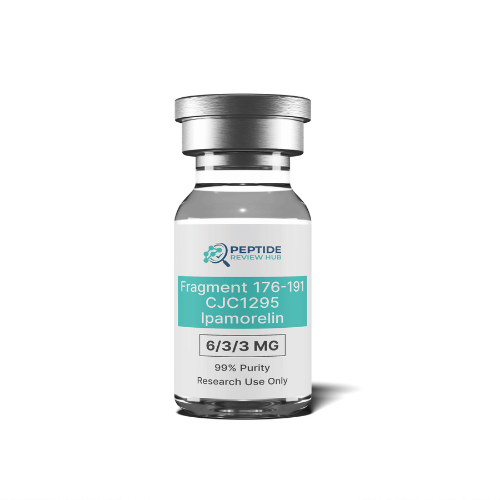
Fragment-176-191-CJC1295-Ipamorelin
Fragment-176-191-CJC1295-Ipamorelin is a research peptide blend combining Fragment 176-191, CJC-1295, and Ipamorelin for laboratory research into growth hormone signaling, metabolic pathways, adipose biology, and IGF-1-related mechanisms.