
Research Use Only. This compound is not intended for human consumption or therapeutic use.
Where to Buy Tamoxifen: Vendor Comparison & Research Info
Tamoxifen is a selective estrogen receptor modulator (SERM) widely studied in oncology, endocrinology, and molecular biology research. It is investigated for estrogen receptor signaling, hormone-responsive cell growth, gene transcription, endocrine regulation, and pharmacokinetic mechanisms in controlled laboratory models.
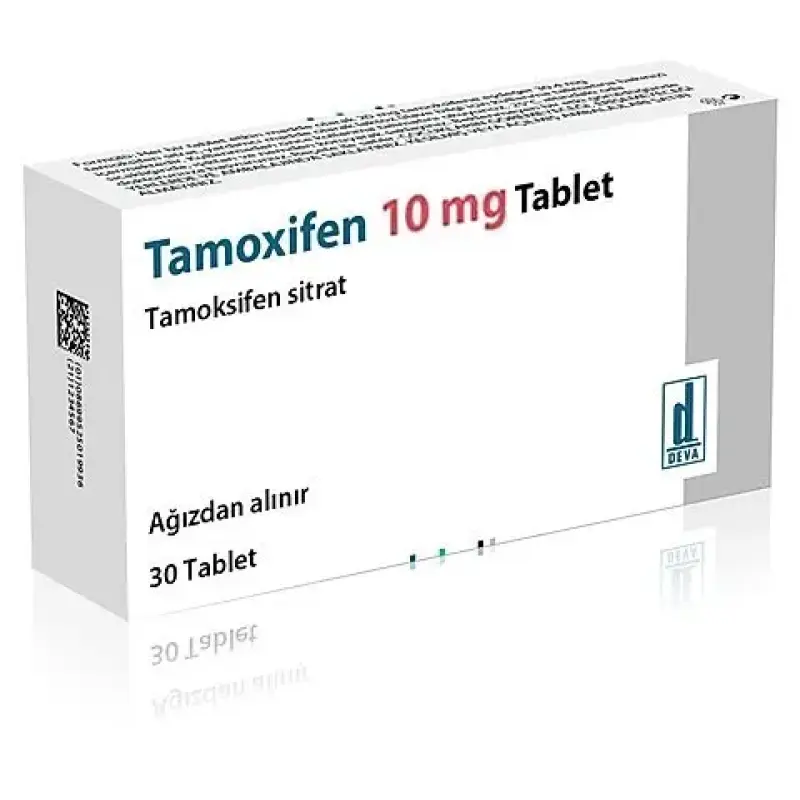
What is Tamoxifen?
Tamoxifen is a selective estrogen receptor modulator (SERM) extensively studied in oncology, endocrinology, reproductive biology, and estrogen-signaling research. Its tissue-selective activity makes it an important research compound for investigating estrogen receptor activation, antagonism, gene transcription, and hormone-responsive cellular pathways.
Overview
Tamoxifen interacts with estrogen receptors and can produce different biological effects depending on tissue type and cellular context. In estrogen-sensitive breast tissue, it primarily exhibits antagonist activity, while estrogen-like effects may occur in other tissues.
This distinctive pharmacological profile has made tamoxifen an important model compound for studying estrogen-dependent signaling, hormone-responsive cancers, and endocrine regulation.
Molecular Characteristics
Active Ingredient: Tamoxifen
Chemical Class: Selective Estrogen Receptor Modulator (SERM)
Chemical Formula: C₂₆H₂₉NO
Molecular Weight: 371.51 g/mol
CAS Number: 10540-29-1
Form: Pharmaceutical research compound
Research Applications
Tamoxifen is investigated in a wide range of scientific fields, including:
Estrogen receptor signaling
Breast cancer research
Hormone-responsive tumor biology
Endocrine regulation
Reproductive biology
Gene-expression studies
Estrogen-dependent cellular proliferation
Pharmacology and drug-development research
Conditional gene-expression systems
Mechanism of Action
Tamoxifen acts primarily by binding to estrogen receptors and altering receptor-mediated transcription. Once bound, the receptor-ligand complex can interact with DNA and recruit different regulatory proteins depending on the cellular environment.
This tissue-dependent behavior allows researchers to investigate how estrogen receptors regulate cellular growth, differentiation, and metabolic processes.
Key Mechanistic Features
Estrogen Receptor Binding:
Tamoxifen competes with endogenous estrogen for estrogen receptor binding sites, providing a model for studying receptor antagonism.
Tissue Selectivity:
Its activity varies between tissues because different cells contain distinct receptor subtypes and transcriptional co-regulators.
Transcriptional Regulation:
Researchers investigate how tamoxifen-bound estrogen receptors alter expression of estrogen-responsive genes.
Metabolic Activation:
Tamoxifen undergoes hepatic metabolism to active metabolites, including 4-hydroxytamoxifen and endoxifen, which are important subjects in pharmacokinetic and pharmacological research.
Primary Research Areas
1. Oncology Research
Tamoxifen is widely studied in estrogen receptor-positive breast cancer models. Researchers use it to investigate estrogen-dependent tumor growth, receptor signaling, resistance mechanisms, and cellular adaptation.
2. Estrogen Receptor Biology
Experimental studies use tamoxifen to characterize estrogen receptor function and examine how receptor activation or blockade influences downstream gene expression.
3. Endocrine Research
Tamoxifen provides a useful model for investigating feedback mechanisms within estrogen-sensitive endocrine pathways and interactions between estrogen signaling and reproductive hormones.
4. Molecular Biology
Tamoxifen is also widely used as a research tool in inducible genetic systems. Certain experimental models employ tamoxifen-dependent activation of Cre recombinase to control gene recombination in specific tissues or at selected time points.
Pharmacokinetic Research
Tamoxifen has a relatively complex metabolic profile. Research may evaluate:
Absorption and distribution
Hepatic metabolism
Active metabolite formation
Cytochrome P450 activity
Tissue distribution
Elimination pathways
Drug–drug interactions
These investigations help characterize differences in tamoxifen activity between experimental models and biological systems.
Analytical Testing
Reliable research materials should undergo appropriate analytical verification. Common laboratory techniques include:
High-Performance Liquid Chromatography (HPLC)
Liquid Chromatography–Mass Spectrometry (LC-MS)
Nuclear Magnetic Resonance (NMR)
Identity and purity testing
Stability analysis
Analytical characterization supports reproducibility and helps confirm compound identity and formulation consistency.
Safety & Research Disclaimer
Tamoxifen is a pharmacologically active prescription compound with significant biological effects. Research involving tamoxifen should be conducted by appropriately qualified personnel under applicable laboratory, institutional, and regulatory requirements.
Potential safety considerations include thromboembolic events, changes in liver function, visual disturbances, and other clinically significant effects.
Tamoxifen is intended for legitimate laboratory and scientific research purposes only. It is not intended for self-administration, bodybuilding use, or unsupervised therapeutic use.
Where to Buy Tamoxifen Online
| Rank | Vendor | Trust Score | Vial Size | Price / mg | Status | Action |
|---|---|---|---|---|---|---|
1 | 9.0/10 Editorial Rating | $15.50 10mg vial | $1.55/mg | In Stock | Visit Site |
Top-Ranked Vendor

Apotheka.to is a global online platform offering a wide range of performance and wellness products, including anabolic steroids, post cycle therapy (PCT), HGH, peptides, erectile support, and weight loss solutions. Designed for athletes, bodybuilders, and fitness-focused individuals, the platform provides access to products commonly associated with muscle growth, recovery, and overall performance enhancement. With a user-friendly interface, secure ordering, discreet packaging, and worldwide shipping, Apotheka.to ensures a seamless shopping experience. By combining product variety with accessibility, the platform serves as a convenient destination for those seeking advanced supplementation and lifestyle support solutions.
Chemical Properties & Handling
Standard storage protocols for lyophilized peptides generally apply unless otherwise specified.
- Lyophilized (Powder): Store at -20°C for up to 3 years. Keep away from direct light and moisture.
- Reconstituted (Liquid): Store at 2-8°C (refrigerated) and use within 20-30 days to maintain stability.
Research Reviews
No Research Reviews Yet
Be the first to share your research protocol and vendor experience with Tamoxifen.
Best Tamoxifen Vendors & Price Comparison
Tamoxifen is a selective estrogen receptor modulator (SERM) extensively investigated in oncology research, estrogen receptor biology, endocrine regulation, reproductive physiology, gene-expression studies, and hormone-responsive cellular signaling.
Its tissue-selective pharmacology makes Tamoxifen one of the most important research compounds for examining estrogen receptor activation, receptor antagonism, transcriptional regulation, metabolite formation, and endocrine feedback mechanisms. Researchers continue to utilize Tamoxifen as both a pharmacological model compound and a molecular biology research tool.
This Tamoxifen Vendor Price Comparison Guide helps researchers evaluate suppliers using objective criteria including:
Product Pricing
Cost Per Tablet
Cost Per Milligram
Active Ingredient Verification
Product Purity
Third-Party Testing
Certificate of Analysis (COA)
Vendor Reputation
Customer Reviews
Shipping Performance
Product Availability
Overall Value
Whether you're searching for the lowest-priced Tamoxifen supplier, the highest-purity research material, or vendors offering comprehensive analytical verification, this guide provides a structured framework for supplier evaluation.
Explore Tamoxifen Vendors by Criteria
Most Popular Tamoxifen Vendors
Compare suppliers frequently selected by oncology and endocrine researchers.
Highest Reviewed Vendors
Discover vendors with strong customer satisfaction and established reputations.
Lowest Price Vendors
Identify suppliers offering competitive pricing and favorable cost-per-milligram value.
Highest Purity Vendors
Review suppliers providing transparent analytical testing and purity verification.
Best Value Vendors
Compare testing standards, pricing, documentation quality, and customer support.
Fastest Shipping Vendors
Evaluate fulfillment reliability, packaging quality, and delivery performance.
Newly Listed Vendors
Explore recently added suppliers offering Tamoxifen research materials.
What Is Tamoxifen?
Overview
Tamoxifen contains:
Tamoxifen
Selective Estrogen Receptor Modulator (SERM)
Pharmaceutical research compound
Estrogen-receptor signaling modulator
Researchers investigate Tamoxifen because of its relationship with:
Estrogen receptor signaling
Oncology research
Endocrine regulation
Reproductive biology
Gene-expression pathways
Hormone-responsive tissues
Pharmacological modulation
Molecular biology applications
Its tissue-selective behavior distinguishes it from many other endocrine research compounds.
Molecular Characteristics
Compound Information
Researchers evaluating Tamoxifen products should carefully review supplier specifications and analytical documentation.
Active Ingredient
Tamoxifen
Chemical Class
Selective Estrogen Receptor Modulator (SERM)
Chemical Formula
C₂₆H₂₉NO
Molecular Weight
371.51 g/mol
CAS Number
10540-29-1
Research Category
Estrogen Receptor & Endocrine Research
Form
Pharmaceutical Research Compound
What Makes Tamoxifen Different?
The defining characteristic of Tamoxifen is its tissue-selective estrogen receptor activity.
Estrogen Receptor Research Utility
Researchers investigate:
Estrogen receptor binding
Receptor modulation
Gene transcription
Cellular signaling
Hormonal regulation
Tissue-Selective Activity
Scientists frequently study:
Tissue-specific responses
Receptor subtype biology
Regulatory proteins
Cellular adaptation
Hormone-dependent communication
Molecular Biology Applications
Researchers also utilize Tamoxifen for:
Inducible gene-expression systems
Conditional recombination models
Temporal gene activation studies
Cellular engineering research
Experimental biology applications
Why Researchers Study Tamoxifen
Tamoxifen remains widely investigated because of its relationship with:
Estrogen receptor function
Hormone-responsive tissues
Endocrine signaling
Reproductive physiology
Oncology research
Gene regulation
Cellular proliferation
Steroid-hormone biology
These remain major areas of scientific investigation.
Mechanism of Action Research
Estrogen Receptor Binding
The primary scientific interest surrounding Tamoxifen involves estrogen receptor interaction.
Researchers investigate pathways involving:
Receptor binding
Ligand competition
Signal transduction
Gene transcription
Cellular communication
This remains the central focus of Tamoxifen research.
Transcriptional Regulation Research
Researchers frequently examine:
Estrogen-responsive genes
Regulatory proteins
Molecular pathways
Cellular adaptation
Tissue responsiveness
Tamoxifen & Estrogen Receptor Research
Receptor Biology Research
Researchers investigate:
Estrogen receptor activation
Receptor antagonism
Ligand-receptor interactions
Nuclear signaling
Molecular communication
Gene Expression Research
Studies frequently examine:
Estrogen-responsive transcription
Regulatory proteins
Cellular signaling networks
Molecular adaptation
Physiological responses
Hormone Signaling Research
Scientists continue studying:
Hormonal communication
Receptor-mediated activity
Cellular regulation
Endocrine signaling
Tissue responses
Tamoxifen & Oncology Research
Hormone-Responsive Tumor Research
Researchers investigate pathways involving:
Estrogen-dependent signaling
Cellular proliferation
Gene-expression regulation
Tissue adaptation
Molecular communication
Cancer Biology Research
Studies frequently examine:
Tumor-cell signaling
Hormone-responsive pathways
Cellular adaptation
Regulatory mechanisms
Biological responsiveness
Resistance Mechanism Research
Scientists continue studying:
Adaptive signaling
Receptor regulation
Molecular communication
Cellular responses
Pharmacological adaptation
Tamoxifen & Endocrine Research
Hormonal Regulation Research
Researchers investigate:
Estrogen signaling
Endocrine communication
Hormonal feedback pathways
Regulatory networks
Physiological adaptation
Reproductive Endocrinology
Studies frequently evaluate:
Hormone-responsive tissues
Reproductive physiology
Endocrine regulation
Cellular communication
Molecular signaling
Feedback Mechanism Research
Scientists continue studying:
Hormonal feedback loops
Regulatory adaptation
Endocrine homeostasis
Signaling pathways
Cellular responsiveness
Tamoxifen & Molecular Biology Research
Conditional Gene Activation Research
One of Tamoxifen's most important research applications involves:
Cre-lox systems
Inducible gene activation
Controlled recombination
Temporal gene expression
Experimental genetics
Transgenic Model Research
Researchers frequently investigate:
Gene-function analysis
Tissue-specific expression
Cellular targeting
Experimental timing controls
Genetic pathway research
Tamoxifen & Pharmacokinetic Research
Metabolic Pathway Research
Researchers investigate:
Hepatic metabolism
Active metabolite formation
Enzymatic conversion
Tissue distribution
Drug elimination
Active Metabolite Research
Studies frequently examine:
4-Hydroxytamoxifen
Receptor interactions
Biological activity
Molecular signaling
Endoxifen
Pharmacological responses
Cellular communication
Estrogen-receptor modulation
Drug Interaction Research
Scientists continue studying:
Cytochrome P450 pathways
Metabolic variation
Pharmacokinetic differences
Drug-response mechanisms
Biological adaptation
Why Researchers Compare Tamoxifen Vendors
Research reproducibility depends heavily on product quality and manufacturing consistency.
Differences among suppliers may include:
Active ingredient purity
Product stability
Analytical verification
Identity confirmation
Manufacturing standards
Batch consistency
Documentation quality
Quality-control procedures
Careful supplier evaluation can improve consistency across laboratory studies.
How We Compare Tamoxifen Vendors
Third-Party Laboratory Testing
Researchers should prioritize suppliers offering:
✅ Third-party testing
✅ Identity verification
✅ Purity confirmation
✅ Batch-specific reports
✅ Analytical documentation
Certificate of Analysis (COA)
A quality COA should include:
Batch number
Testing date
Purity verification
Identity confirmation
Analytical methodology
Active Ingredient Verification
Researchers should verify:
Tamoxifen identity
Purity percentage
Batch consistency
Stability testing
Analytical validation
Cost Per Milligram
Comparing package prices alone may not accurately reflect value.
Cost Per Milligram Formula
Product Price ÷ Total Milligrams = Cost Per Milligram
Cost Per Tablet Formula
Product Price ÷ Total Tablets = Cost Per Tablet
These metrics standardize supplier comparisons.
Customer Reviews
Customer experiences often provide insight regarding:
Product consistency
Packaging quality
Shipping reliability
Customer support
Purchasing experience
Vendor Reputation
Established suppliers often demonstrate:
Transparent testing procedures
Reliable quality-control systems
Positive customer feedback
Consistent inventory availability
Quality & Analytical Testing
Why Testing Matters
Research-grade Tamoxifen should undergo testing to verify:
Identity
Purity
Stability
Potency
Batch consistency
Common Testing Methods
High-Performance Liquid Chromatography (HPLC)
Used to assess purity and verify compound identity.
Liquid Chromatography-Mass Spectrometry (LC-MS)
Used to confirm molecular identity and composition.
Nuclear Magnetic Resonance (NMR)
Used to verify molecular structure.
Identity Testing
Confirms Tamoxifen authenticity.
Stability Analysis
Evaluates product integrity over time.
Batch Consistency Testing
Measures manufacturing reproducibility.
Storage & Handling
Researchers should follow validated laboratory procedures.
Best practices include:
✅ Store according to supplier recommendations
✅ Protect from excessive heat
✅ Protect from moisture
✅ Protect from direct sunlight
✅ Maintain original packaging
✅ Keep containers sealed when not in use
✅ Inspect materials before laboratory use
✅ Maintain laboratory documentation
Proper storage helps preserve analytical integrity and product stability.
Understanding Tamoxifen Pricing
Several factors influence supplier pricing.
Product Purity
Higher-purity materials generally command premium pricing.
Manufacturing Standards
Advanced manufacturing and quality-control procedures contribute to costs.
Analytical Verification
Comprehensive testing improves transparency while increasing production expenses.
Stability Validation
Additional quality monitoring can increase product value.
Vendor Reputation
Established suppliers frequently command higher pricing because of documented testing programs and quality-assurance standards.
Tamoxifen Vendor Evaluation Checklist
Quality Verification
✅ Third-party testing available
✅ Certificate of Analysis provided
✅ Identity verification documented
✅ Purity testing available
✅ Stability analysis available
✅ Batch-specific reports available
Vendor Reliability
✅ Positive customer reviews
✅ Transparent company information
✅ Responsive customer support
✅ Reliable inventory availability
Purchasing Experience
✅ Secure checkout process
✅ Shipment tracking available
✅ Clear return policies
✅ Reliable order fulfillment
Frequently Asked Questions
What is Tamoxifen?
Tamoxifen is a Selective Estrogen Receptor Modulator (SERM) widely studied in oncology, endocrinology, molecular biology, and estrogen-receptor research.
What is Tamoxifen used for in research?
Researchers investigate Tamoxifen in studies involving estrogen receptor signaling, hormone-responsive tumor biology, endocrine regulation, gene-expression pathways, reproductive biology, and pharmacology.
Why is Tamoxifen important in molecular biology?
Tamoxifen is commonly used in inducible genetic systems, including Cre-lox recombination models, allowing researchers to control gene activation and recombination events.
What should researchers review before purchasing?
Researchers should evaluate:
Certificate of Analysis (COA)
HPLC verification
LC-MS confirmation
NMR analysis
Stability testing
Vendor reputation
Why is analytical testing important?
Independent testing helps verify identity, purity, potency, stability, and batch consistency, improving research reproducibility.
Is Tamoxifen a peptide?
No. Tamoxifen is a Selective Estrogen Receptor Modulator (SERM) and synthetic pharmaceutical compound rather than a peptide. However, it is often sold alongside peptides and other research compounds by specialized research suppliers.
Final Thoughts
Tamoxifen remains one of the most important research compounds in estrogen receptor biology, oncology research, endocrine regulation, reproductive physiology, molecular genetics, and hormone-responsive cellular signaling. Its tissue-selective activity and well-characterized pharmacology provide researchers with a valuable model for investigating estrogen-dependent biological pathways and endocrine communication.
When comparing Tamoxifen vendors, researchers should prioritize purity verification, third-party analytical testing, Certificate of Analysis availability, HPLC validation, LC-MS confirmation, stability testing, supplier reputation, and overall value rather than focusing exclusively on price. A structured vendor-comparison process can help identify suppliers capable of maintaining rigorous research-quality standards.
Current Research & Evidence
Research evidence for Tamoxifen has not yet been added.
Key Findings on Tamoxifen Use
Key findings for Tamoxifen have not yet been added.
Related Peptides in medicine

Jardiance
Jardiance (Empagliflozin) is a selective SGLT2 inhibitor studied in metabolic, renal, and cardiovascular research. It is investigated for its effects on renal glucose reabsorption, urinary glucose excretion, sodium handling, energy metabolism, and pathways connecting kidney and cardiovascular function.

Klomen
Klomen (Clomiphene Citrate) is a selective estrogen receptor modulator studied in reproductive endocrinology and hormone-signaling research. It is investigated for its effects on estrogen receptor activity, HPG-axis regulation, gonadotropin signaling, and reproductive endocrine pathways.
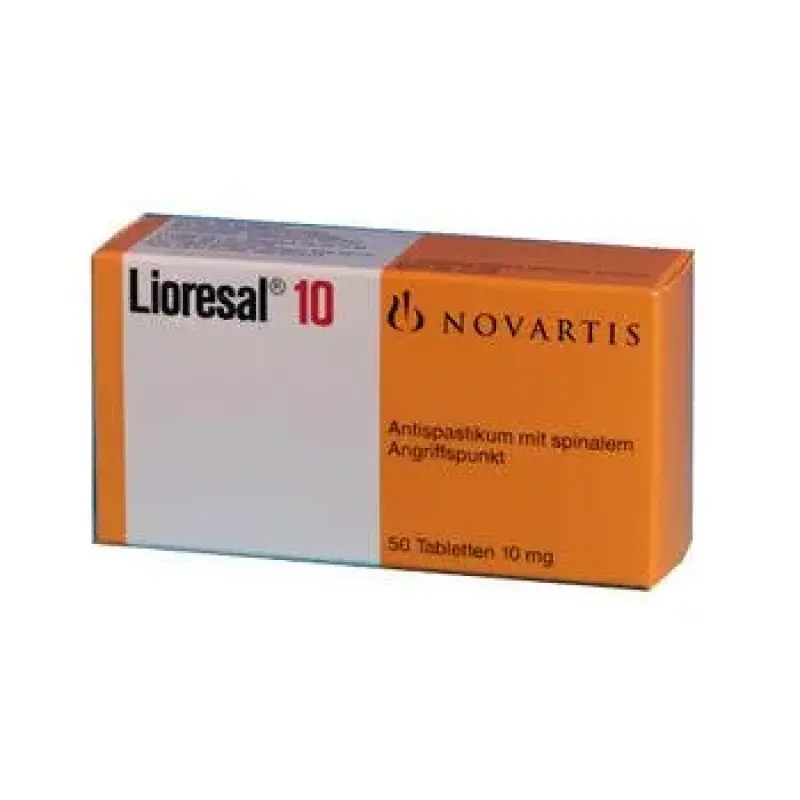
Lioresal
Lioresal (Baclofen) is a centrally acting muscle relaxant and GABA-B receptor agonist studied in neurology and neuromuscular research. It is investigated for its effects on inhibitory neurotransmission, spinal reflex activity, motor-neuron signaling, and regulation of skeletal muscle tone.

Lipitor
Lipitor (atorvastatin) is a statin medication researched for its role in regulating cholesterol and lipid metabolism. It works primarily by reducing hepatic cholesterol synthesis, making it an important compound for research involving LDL cholesterol, cardiovascular risk factors, and lipid homeostasis.