
Research Use Only. This compound is not intended for human consumption or therapeutic use.
Where to Buy Suspension 100: Vendor Comparison & Research Info
Testosterone Suspension 100 is a high-concentration, non-esterified testosterone formulation containing 100 mg/mL testosterone in an aqueous suspension. Its rapid-availability profile distinguishes it from esterified formulations such as Testosterone Propionate, Enanthate, and Cypionate, making it suitable for research into testosterone pharmacokinetics, androgen-receptor activity, and endocrine signaling. For research use only.
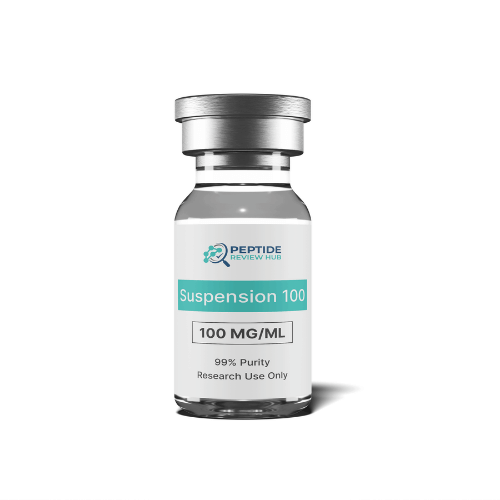
What is Suspension 100?
Testosterone Suspension 100 is a high-concentration injectable formulation containing 100 mg/mL of testosterone without an attached ester. Unlike esterified testosterone products such as Testosterone Propionate, Testosterone Enanthate, or Testosterone Cypionate, testosterone suspension does not rely on an ester chain to control hormone release.
The absence of an ester gives Testosterone Suspension a distinctive rapid-availability profile and a comparatively short duration of activity. This makes it a specialized formulation for research involving testosterone pharmacology, androgen-receptor activity, and short-acting testosterone kinetics.
For research use only. Not approved for human consumption.
Product Overview
Testosterone Suspension 100 contains testosterone suspended in an aqueous, water-based formulation. Because the testosterone molecule is not chemically modified with an ester, its release characteristics differ substantially from conventional oil-based testosterone esters.
Esterified testosterone products are designed to release testosterone gradually as the ester is metabolized. Testosterone Suspension, by comparison, provides a much more immediate availability profile and therefore has a shorter active window.
This makes the compound particularly relevant to controlled research investigating:
Testosterone pharmacokinetics
Androgen receptor signaling
Short-acting testosterone formulations
Hormonal response to rapid testosterone availability
Comparative studies of testosterone esters and non-esterified testosterone
What Makes Testosterone Suspension Different?
The defining feature of Testosterone Suspension 100 is its non-esterified testosterone composition.
Common injectable testosterone products use ester groups to modify the release characteristics of testosterone. Testosterone Suspension does not contain this additional ester structure, resulting in a substantially different pharmacokinetic profile.
Key characteristics include:
100 mg/mL testosterone concentration
No attached ester
Water-based suspension
Rapid testosterone availability
Shorter activity compared with long-acting testosterone esters
Distinct pharmacokinetic profile for laboratory research
Useful for comparative testosterone-release studies
Testosterone Suspension vs. Testosterone Esters
Testosterone Suspension provides an interesting comparison with esterified testosterone formulations because the underlying hormone is the same while the molecular presentation and release characteristics differ.
Testosterone Suspension vs. Testosterone Propionate
Testosterone Propionate contains testosterone attached to a short propionate ester. Testosterone Suspension contains testosterone without an ester.
Testosterone Suspension: Non-esterified testosterone with rapid availability
Testosterone Propionate: Short-acting esterified testosterone
Testosterone Suspension vs. Testosterone Enanthate
Testosterone Enanthate contains a longer ester that slows the release of testosterone into circulation.
Testosterone Suspension: Rapid-availability formulation
Testosterone Enanthate: Longer-acting ester formulation
Testosterone Suspension vs. Testosterone Cypionate
Testosterone Cypionate is another long-acting ester designed to provide extended testosterone release.
Testosterone Suspension: No ester and comparatively short duration
Testosterone Cypionate: Long-acting esterified testosterone
Testosterone Suspension vs. Testosterone Blends
Multi-ester testosterone formulations combine different testosterone esters to produce a broader release profile. Testosterone Suspension takes the opposite approach by using non-esterified testosterone.
Testosterone Suspension: Single, non-esterified testosterone
Testosterone Blend: Combination of multiple testosterone esters
Key Features
Concentration: 100 mg/mL
Active compound: Testosterone
Ester: None
Formulation: Aqueous suspension
Release profile: Rapid availability
Duration: Shorter than conventional long-acting testosterone esters
Research applications: Testosterone pharmacology and androgen signaling
Format: Injectable suspension
Research Applications
Testosterone Suspension 100 can serve as a research material for investigating the biological effects and pharmacokinetics of non-esterified testosterone.
Potential research areas include:
Androgen Receptor Research:
Investigating testosterone interaction with androgen receptors and downstream gene-expression pathways.
Pharmacokinetic Studies:
Comparing the absorption and clearance characteristics of non-esterified testosterone with short- and long-chain testosterone esters.
Muscle Biology:
Studying testosterone-dependent pathways involved in protein synthesis, muscle-cell signaling, and skeletal muscle physiology.
Endocrine Research:
Examining testosterone's interaction with the hypothalamic-pituitary-gonadal axis and associated hormonal pathways.
Comparative Testosterone Research:
Evaluating differences between suspension formulations and esterified testosterone preparations.
Formulation and Release Characteristics
Testosterone Suspension differs from conventional testosterone injections primarily because it contains testosterone without an ester modification.
The general distinction can be summarized as follows:
FormulationTestosterone StructureGeneral Release ProfileTestosterone SuspensionNo esterRapidTestosterone PropionateShort esterRelatively rapidTestosterone EnanthateLong esterExtendedTestosterone CypionateLong esterExtendedTestosterone BlendMultiple estersMixed/extended
The absence of an ester makes Testosterone Suspension particularly useful for research comparing immediate testosterone availability with the progressively slower release profiles produced by esterified formulations.
Quality and Product Verification
Product quality and analytical verification are important considerations when working with research compounds. Testing can be used to evaluate identity, concentration, purity, and potential contaminants.
Relevant analytical methods may include:
High-Performance Liquid Chromatography (HPLC)
Mass spectrometry
Identity testing
Concentration analysis
Sterility and microbiological testing where applicable
Researchers should consult the applicable certificate of analysis and batch-specific documentation when evaluating a particular product.
Storage and Handling
Proper storage helps maintain the integrity of Testosterone Suspension 100.
General considerations include:
Store according to the manufacturer's specified conditions.
Protect the product from excessive heat and direct sunlight.
Avoid inappropriate freezing or extreme temperature fluctuations.
Keep the container properly sealed when not being examined.
Inspect the formulation for unexpected changes in appearance.
Follow appropriate laboratory handling and sterile procedures for injectable research materials.
Because injectable research materials can present contamination and handling risks, appropriate laboratory safety procedures should always be followed.
Safety Information
Testosterone is a biologically active androgen, and research involving testosterone should account for its substantial endocrine activity. Testosterone exposure can influence endogenous hormone production, lipid metabolism, cardiovascular parameters, hematological markers, and other physiological systems.
Testosterone Suspension should therefore be handled only within appropriate controlled research environments and in accordance with applicable regulations.
Important: Testosterone Suspension 100 is intended for research purposes only and should not be represented as a treatment, supplement, or approved medication. It is not intended for human or veterinary use.
Product Summary
Testosterone Suspension 100 is a specialized 100 mg/mL non-esterified testosterone formulation distinguished by its aqueous suspension and rapid-availability characteristics. Unlike Testosterone Propionate, Testosterone Enanthate, Testosterone Cypionate, and multi-ester testosterone blends, it contains no ester attached to the testosterone molecule.
Its distinctive pharmacokinetic profile makes it a useful research material for investigating testosterone pharmacology, androgen-receptor signaling, endocrine pathways, and comparative testosterone-release characteristics.
Where to Buy Suspension 100 Online
| Rank | Vendor | Trust Score | Vial Size | Price / mg | Status | Action |
|---|---|---|---|---|---|---|
1 | 9.0/10 Editorial Rating | $45.00 100mg vial | $0.45/mg | In Stock | Visit Site |
Top-Ranked Vendor

Chemical Properties & Handling
Standard storage protocols for lyophilized peptides generally apply unless otherwise specified.
- Lyophilized (Powder): Store at -20°C for up to 3 years. Keep away from direct light and moisture.
- Reconstituted (Liquid): Store at 2-8°C (refrigerated) and use within 20-30 days to maintain stability.
Research Reviews
No Research Reviews Yet
Be the first to share your research protocol and vendor experience with Suspension 100.
Best Suspension 100 Vendors & Price Comparison
Testosterone Suspension 100 is a specialized non-esterified testosterone research formulation containing 100 mg/mL of testosterone in an aqueous suspension. Unlike esterified testosterone compounds such as Testosterone Propionate, Testosterone Enanthate, and Testosterone Cypionate, Testosterone Suspension contains no attached ester, making it a valuable research tool for studying rapid testosterone availability, androgen receptor signaling, endocrine regulation, and comparative testosterone pharmacokinetics.
Because of its unique pharmacological profile, researchers frequently compare Testosterone Suspension suppliers based on purity, concentration accuracy, analytical verification, manufacturing practices, and overall value.
This Testosterone Suspension 100 Vendor Price Comparison Guide helps researchers evaluate suppliers using objective criteria including:
Product Pricing
Cost Per Milligram
Active Ingredient Verification
Product Purity
Third-Party Testing
Certificate of Analysis (COA)
Vendor Reputation
Customer Reviews
Shipping Performance
Product Availability
Overall Value
Whether you're searching for the lowest-priced Testosterone Suspension supplier, the most accurately dosed formulation, or vendors offering extensive analytical verification, this guide provides a structured framework for supplier evaluation.
Explore Testosterone Suspension Vendors by Criteria
Most Popular Testosterone Suspension Vendors
Compare suppliers frequently selected by endocrine and androgen-signaling researchers.
Highest Reviewed Vendors
Discover vendors with strong customer satisfaction and established industry reputations.
Lowest Price Vendors
Identify suppliers offering competitive pricing and favorable cost-per-milligram value.
Highest Purity Vendors
Review suppliers providing transparent concentration verification and analytical testing.
Best Value Vendors
Compare pricing, product quality, laboratory documentation, and customer support.
Fastest Shipping Vendors
Evaluate fulfillment reliability, packaging standards, and delivery performance.
Newly Listed Vendors
Explore recently added suppliers offering Testosterone Suspension research formulations.
What Is Testosterone Suspension 100?
Overview
Testosterone Suspension 100 is a water-based injectable research formulation containing non-esterified testosterone.
Researchers investigate Testosterone Suspension because of its relationship with:
Androgen receptor signaling
Testosterone pharmacology
Endocrine regulation
HPG-axis signaling
Protein metabolism
Skeletal muscle biology
Comparative testosterone kinetics
Hormonal feedback mechanisms
Its lack of an ester attachment creates a pharmacokinetic profile that differs substantially from conventional testosterone esters.
Molecular Characteristics
Compound Information
Researchers evaluating Testosterone Suspension products should carefully review analytical documentation and supplier specifications.
Active Compound
Testosterone (Non-Esterified)
Classification
Androgen Receptor Agonist
Research Category
Androgen & Endocrine Research
Concentration
100 mg/mL
Ester
None
Formulation Type
Aqueous Suspension
Release Profile
Rapid Availability
Product Format
Injectable Research Formulation
What Makes Testosterone Suspension Different?
Unlike conventional testosterone products, Testosterone Suspension contains testosterone without a chemical ester modification.
Researchers investigate this formulation because it provides:
Rapid testosterone availability
Direct testosterone exposure
Distinct pharmacokinetic characteristics
Comparative ester-free research models
Unique release-profile investigations
These features distinguish it from traditional esterified testosterone compounds.
Testosterone Suspension vs Testosterone Esters
Testosterone Suspension vs Testosterone Propionate
Both compounds contain testosterone, but their release characteristics differ.
Testosterone Suspension
No ester attachment
Rapid availability profile
Aqueous formulation
Testosterone Propionate
Short-chain testosterone ester
Modified release characteristics
Typically oil-based formulation
Testosterone Suspension vs Testosterone Enanthate
Testosterone Suspension
Non-esterified testosterone
Shorter activity profile
Rapid systemic availability
Testosterone Enanthate
Long ester attachment
Gradual release profile
Extended activity characteristics
Testosterone Suspension vs Testosterone Cypionate
Testosterone Suspension
Ester-free testosterone
Immediate availability model
Short-duration research profile
Testosterone Cypionate
Long-acting testosterone ester
Extended-release characteristics
Delayed absorption profile
Testosterone Suspension vs Testosterone Blends
Testosterone Suspension
Single active ingredient
Non-esterified testosterone
Direct testosterone exposure
Testosterone Blends
Multiple testosterone esters
Mixed-release characteristics
Broader pharmacokinetic profile
Why Researchers Study Testosterone Suspension
Testosterone Suspension has generated significant scientific interest because of its unique pharmacokinetic properties.
Researchers investigate pathways involving:
Androgen receptor activation
Hormonal signaling
Gene-expression regulation
Protein metabolism
Skeletal muscle physiology
Endocrine feedback systems
Gonadotropin signaling
Cellular adaptation
These remain active areas of endocrine and androgen research.
Mechanism of Action Research
Androgen Receptor Signaling
The primary scientific interest surrounding Testosterone Suspension involves testosterone-mediated activation of androgen receptors.
Researchers investigate pathways involving:
Receptor activation
Gene transcription
Cellular signaling
Protein regulation
Tissue-specific responses
This remains the central focus of Testosterone Suspension research.
Hormonal Feedback Research
Researchers also investigate interactions involving:
Testosterone signaling
LH regulation
FSH regulation
HPG-axis communication
Endocrine feedback mechanisms
Further investigation remains ongoing.
Testosterone Suspension & Androgen Receptor Research
Receptor Biology Research
Researchers frequently use Testosterone Suspension to investigate:
Androgen receptor activation
Ligand-receptor interactions
Nuclear receptor biology
Transcriptional regulation
Cellular signaling
This remains a foundational area of research.
Gene Expression Research
Scientists continue studying:
AR-mediated transcription
Regulatory proteins
Signaling pathways
Cellular adaptation
Tissue responsiveness
Testosterone Suspension & Pharmacokinetic Research
Comparative Release Profile Research
One of the most important uses of Testosterone Suspension is comparative pharmacokinetic investigation.
Researchers evaluate:
Ester-free testosterone kinetics
Absorption characteristics
Clearance profiles
Concentration-response relationships
Duration-of-activity differences
Testosterone Availability Research
Studies frequently investigate:
Rapid hormone availability
Pharmacodynamic responses
Hormone-distribution pathways
Comparative release characteristics
Regulatory adaptation
Testosterone Suspension & Skeletal Muscle Research
Muscle Biology Research
Researchers investigate pathways involving:
Muscle-cell signaling
Protein metabolism
Cellular adaptation
Tissue maintenance
Structural physiology
This remains one of the most studied applications of testosterone research.
Protein Synthesis Research
Scientists continue examining:
Anabolic signaling pathways
Protein regulation
Cellular communication
Muscle-cell responsiveness
Physiological adaptation
Musculoskeletal Research
Research includes investigation of:
Muscle physiology
Cellular development
Regulatory signaling
Structural adaptation
Molecular communication
Testosterone Suspension & Endocrine Research
HPG-Axis Research
Researchers investigate interactions involving the hypothalamic-pituitary-gonadal axis.
Areas of study include:
Endocrine feedback regulation
Gonadotropin signaling
Hormonal communication
Reproductive endocrinology
Cellular adaptation
Hormonal Regulation Research
Scientists continue studying:
Testosterone signaling
Endocrine communication
Receptor-mediated responses
Physiological regulation
Hormonal homeostasis
Gonadotropin Research
Researchers investigate:
LH signaling
FSH signaling
Endocrine adaptation
Feedback loops
Cellular regulation
Comparative Testosterone Research
Esterified vs Non-Esterified Testosterone
Researchers frequently use Testosterone Suspension to compare:
Release characteristics
Absorption rates
Biological exposure
Hormonal signaling patterns
Pharmacokinetic profiles
This remains one of the most valuable research applications of ester-free testosterone.
Testosterone Formulation Research
Studies frequently evaluate:
Suspension formulations
Ester formulations
Mixed-release systems
Testosterone delivery models
Hormonal response characteristics
Why Researchers Compare Testosterone Suspension Vendors
Research reproducibility depends heavily on product quality and manufacturing consistency.
Differences among suppliers may include:
Active ingredient concentration
Product purity
Batch consistency
Sterility procedures
Stability testing
Manufacturing standards
Analytical verification
Quality-control systems
Careful supplier evaluation can improve consistency across laboratory studies.
How We Compare Testosterone Suspension Vendors
Third-Party Laboratory Testing
Researchers should prioritize suppliers offering:
✅ Third-party testing
✅ Identity verification
✅ Concentration confirmation
✅ Batch-specific reports
✅ Analytical documentation
Certificate of Analysis (COA)
A quality COA should contain:
Batch number
Testing date
Concentration verification
Identity confirmation
Analytical methodology
Concentration Verification
Researchers should verify:
Testosterone content
Concentration accuracy
Batch consistency
Identity confirmation
Analytical validation
Cost Per Milligram
Comparing package pricing alone may not accurately reflect value.
Cost Per Milligram Formula
Product Price ÷ Total Milligrams = Cost Per Milligram
This metric standardizes supplier comparisons.
Customer Reviews
Customer experiences often provide insight regarding:
Product consistency
Packaging quality
Shipping reliability
Customer support
Purchasing experience
Vendor Reputation
Established suppliers often demonstrate:
Transparent testing procedures
Reliable quality-control systems
Positive customer feedback
Consistent inventory availability
Quality & Analytical Testing
Why Testing Matters
Research-grade Testosterone Suspension should undergo testing to verify:
Identity
Purity
Concentration accuracy
Stability
Batch consistency
Common Testing Methods
High-Performance Liquid Chromatography (HPLC)
Used to assess purity and confirm concentration.
Mass Spectrometry (MS)
Used to verify compound identity and composition.
Identity Verification
Confirms testosterone authenticity.
Concentration Analysis
Measures actual testosterone content.
Sterility Testing
May be performed when applicable to injectable research materials.
Batch Consistency Analysis
Measures reproducibility across production lots.
Storage & Handling
Researchers should follow validated laboratory procedures.
Best practices include:
✅ Store according to supplier recommendations
✅ Protect from excessive heat
✅ Protect from direct sunlight
✅ Avoid extreme temperature fluctuations
✅ Keep container sealed when not in use
✅ Inspect formulation before laboratory use
✅ Maintain laboratory documentation
Proper storage helps preserve product integrity and research consistency.
Understanding Testosterone Suspension Pricing
Several factors influence supplier pricing.
Product Purity
Higher-purity materials generally command premium pricing.
Manufacturing Standards
Advanced formulation and quality-control procedures contribute to production costs.
Analytical Verification
Comprehensive testing improves transparency while increasing manufacturing expenses.
Sterility Requirements
Injectable formulations often require additional quality-control measures.
Vendor Reputation
Established suppliers often command higher pricing because of rigorous testing and documentation standards.
Testosterone Suspension Vendor Evaluation Checklist
Quality Verification
✅ Third-party testing available
✅ Certificate of Analysis provided
✅ Identity verification documented
✅ Concentration testing available
✅ Stability testing available
✅ Batch-specific reports available
Vendor Reliability
✅ Positive customer reviews
✅ Transparent company information
✅ Responsive customer support
✅ Reliable inventory availability
Purchasing Experience
✅ Secure checkout process
✅ Shipment tracking available
✅ Clear return policies
✅ Reliable order fulfillment
Frequently Asked Questions
What is Testosterone Suspension 100?
Testosterone Suspension 100 is a non-esterified testosterone research formulation containing 100 mg/mL testosterone in an aqueous suspension.
What is Testosterone Suspension used for in research?
Researchers investigate Testosterone Suspension in studies involving androgen receptor signaling, testosterone pharmacology, endocrine regulation, skeletal muscle biology, HPG-axis research, and comparative testosterone pharmacokinetics.
What makes Testosterone Suspension unique?
The formulation contains testosterone without an ester attachment, resulting in a pharmacokinetic profile that differs substantially from esterified testosterone products.
Why compare Testosterone Suspension vendors?
Purity, concentration accuracy, sterility procedures, analytical verification, batch consistency, and supplier transparency can vary significantly between vendors.
What should researchers review before purchasing?
Researchers should evaluate:
Certificate of Analysis (COA)
Third-party testing
HPLC verification
Mass spectrometry confirmation
Concentration testing
Vendor reputation
Is Testosterone Suspension a peptide?
No. Testosterone Suspension contains non-esterified testosterone, which is a steroid hormone rather than a peptide. It is commonly sold alongside peptides and other research compounds by specialty research suppliers.
Final Thoughts
Testosterone Suspension 100 remains one of the most distinctive testosterone research formulations because it contains non-esterified testosterone with rapid-availability characteristics. Researchers continue utilizing Testosterone Suspension as a valuable model for investigating androgen receptor signaling, testosterone pharmacology, endocrine feedback systems, skeletal muscle biology, and comparative testosterone-release profiles.
When comparing Testosterone Suspension vendors, researchers should prioritize concentration verification, third-party analytical testing, Certificate of Analysis availability, HPLC validation, mass spectrometry confirmation, supplier reputation, sterility standards, and overall value rather than focusing exclusively on price. A structured vendor-comparison process can help identify suppliers capable of meeting rigorous research-quality standards.
Current Research & Evidence
Research evidence for Suspension 100 has not yet been added.
Key Findings on Suspension 100 Use
Key findings for Suspension 100 have not yet been added.
Related Peptides in Steroids
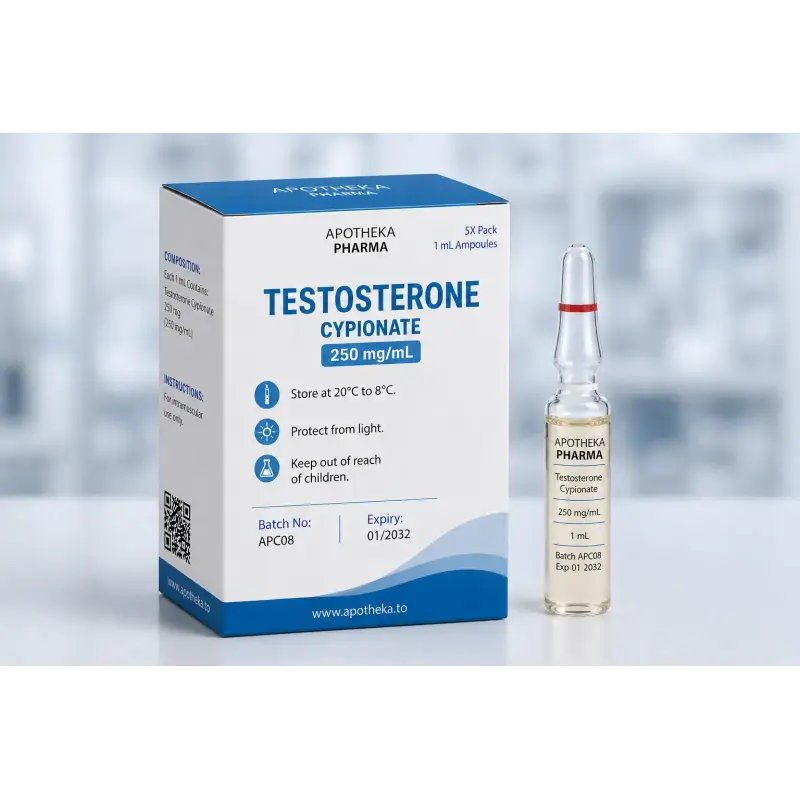
Testosterone Cypionate 250
Testosterone Cypionate is a long-acting testosterone ester studied in endocrine and pharmaceutical research. It is primarily investigated for androgen receptor signaling, testosterone pharmacokinetics, steroid metabolism, hormonal regulation, reproductive biology, and skeletal muscle and bone physiology in controlled research settings.
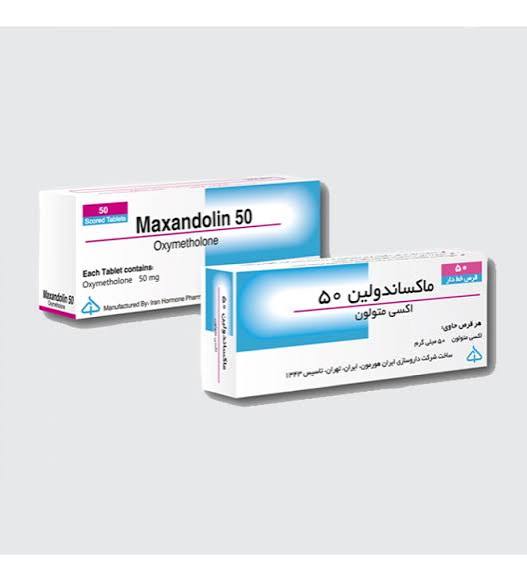
Maxandolin/Oxymetholone 50 tabs
Maxandrolin (Oxymetholone) is a synthetic anabolic-androgenic steroid studied in research involving androgen receptor signaling, protein metabolism, erythropoietic pathways, skeletal muscle biology, and steroid pharmacology. Supplied in a 50-tablet format, it is intended for controlled laboratory and scientific research only.
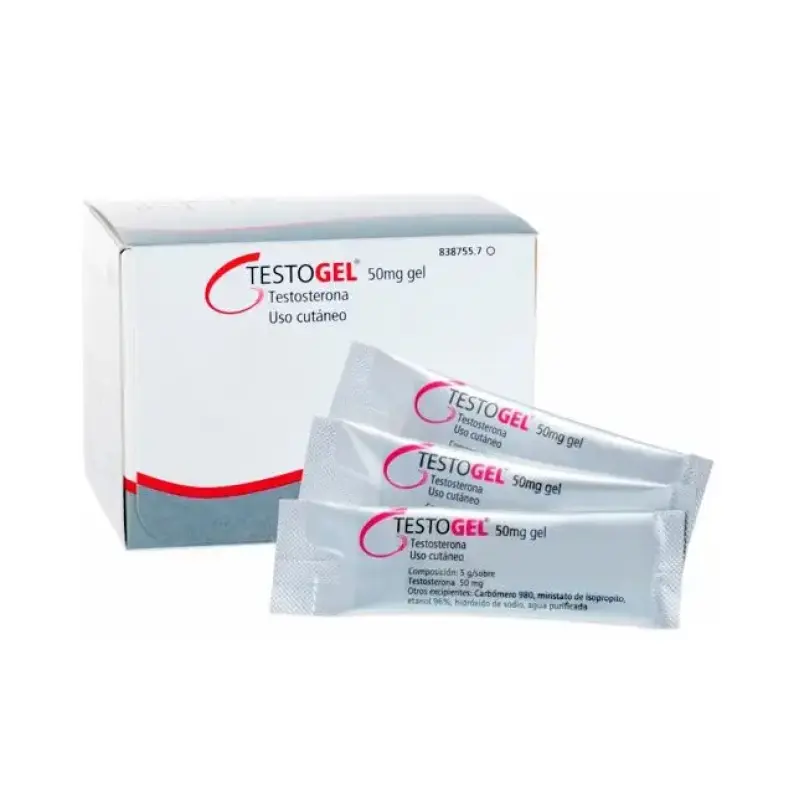
Testogel
Testogel (Testosterone Gel) is a transdermal testosterone formulation studied in endocrine and pharmaceutical research. It is primarily investigated for testosterone absorption, androgen receptor signaling, steroid metabolism, pharmacokinetics, and transdermal drug-delivery mechanisms in controlled research settings.
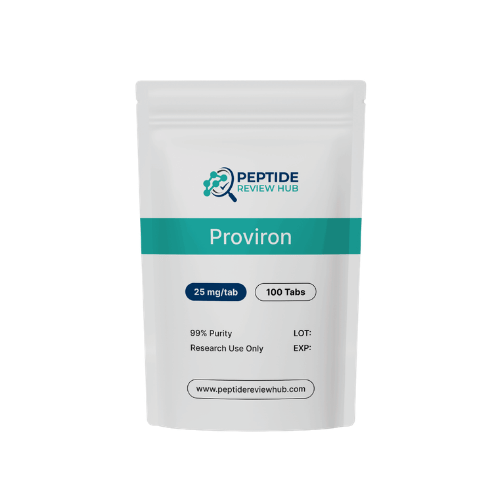
Proviron
Proviron (Mesterolone) is a synthetic DHT-derived androgen studied for its interaction with androgen receptors and its effects on endocrine, reproductive, and cellular signaling pathways. It is primarily investigated in research involving androgen receptor activity, steroid hormone biology, and tissue-specific androgen responses.