
Research Use Only. This compound is not intended for human consumption or therapeutic use.
Where to Buy Atorvastatin: Vendor Comparison & Research Info
Atorvastatin is a statin-class research compound used to study HMG-CoA reductase inhibition, cholesterol biosynthesis, LDL-receptor regulation, and the mevalonate pathway. It is suitable for laboratory and preclinical research involving lipid metabolism, vascular biology, and related cellular signaling mechanisms.
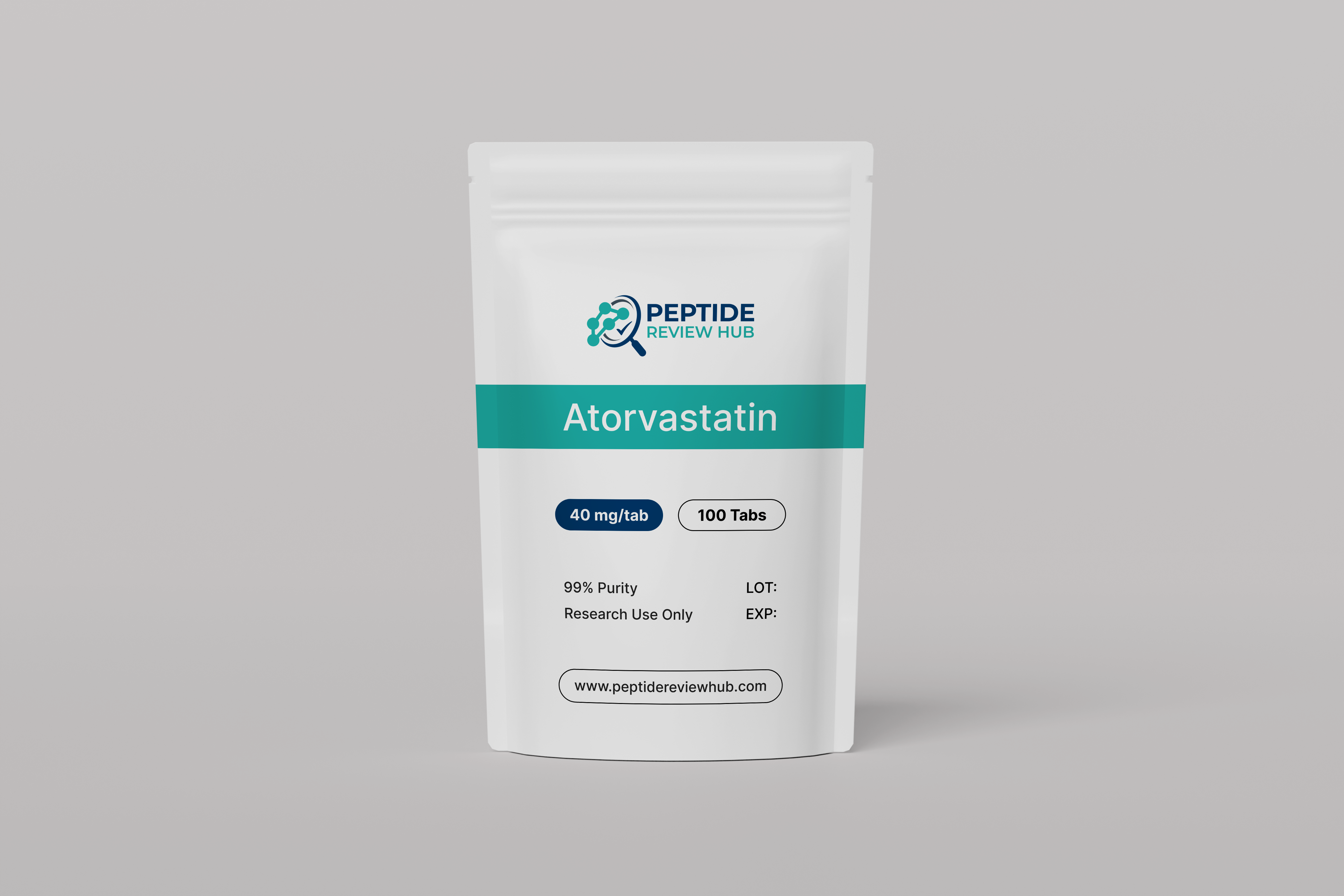
What is Atorvastatin?
Atorvastatin is a research compound used to investigate HMG-CoA reductase inhibition, cholesterol biosynthesis, and lipid-regulation pathways. As a statin-class compound, Atorvastatin provides researchers with a well-characterized model for studying the rate-limiting step of the mevalonate pathway and its downstream effects on cellular signaling.
The compound is primarily relevant to in-vitro laboratory studies and preclinical research models examining lipid metabolism, vascular biology, and related biochemical processes.
Overview
Atorvastatin is a potent competitive inhibitor of 3-hydroxy-3-methylglutaryl-coenzyme A (HMG-CoA) reductase, the enzyme responsible for converting HMG-CoA into mevalonate. This pathway plays a central role in cholesterol synthesis and the production of several downstream isoprenoid metabolites.
Research involving Atorvastatin can help investigators examine cholesterol regulation, LDL-receptor expression, endothelial signaling, and other biological effects associated with mevalonate pathway modulation.
Molecular Characteristics & Chemical Profile
Chemical Identity: Atorvastatin Calcium
Molecular Formula: C₆₆H₆₈CaF₂N₄O₁₀
Molecular Weight: Approximately 1155.34 g/mol
Purity: >99% when supported by appropriate analytical testing
Form: Crystalline or lyophilized material
Research Classification: HMG-CoA reductase inhibitor / statin
Research Applications
Atorvastatin can be utilized in multiple areas of biochemical and biomedical research, including:
HMG-CoA Reductase Kinetics: Studying enzyme inhibition, binding characteristics, and concentration-response relationships.
LDL-Receptor Dynamics: Investigating cellular feedback mechanisms involved in cholesterol regulation and LDL-receptor expression.
Mevalonate Pathway Research: Examining downstream metabolites such as farnesyl pyrophosphate and geranylgeranyl pyrophosphate.
Vascular Biology: Exploring endothelial signaling, nitric oxide pathways, and vascular cellular responses.
Cancer Biology: Investigating how mevalonate-pathway activity influences cellular proliferation, survival, and apoptosis.
Mechanism of Action
The primary research value of Atorvastatin comes from its ability to inhibit HMG-CoA reductase, reducing the conversion of HMG-CoA to mevalonate.
The pathway can be broadly represented as:
HMG-CoA → Mevalonate → Isoprenoids → Cholesterol and related cellular products
Inhibition of this pathway provides researchers with a controlled method for studying how changes in cholesterol and isoprenoid availability influence cellular function.
Key Mechanistic Effects
Reduced Cholesterol Biosynthesis: HMG-CoA reductase inhibition decreases cholesterol production within relevant cellular systems.
LDL-Receptor Regulation: Changes in intracellular cholesterol can influence sterol-regulated gene expression and LDL-receptor activity.
Isoprenoid Depletion: Reduced mevalonate production can alter downstream prenylated proteins and associated signaling pathways.
Vascular Signaling: Researchers can investigate effects on endothelial nitric oxide synthase and related vascular mechanisms.
Cellular Signaling: Alterations in protein prenylation provide a model for studying pathways involving proteins such as Rho and Ras.
Primary Research Areas
1. Atherosclerosis & Lipid Homeostasis
Atorvastatin is widely used in experimental models examining cholesterol metabolism and atherosclerotic processes. Researchers can investigate lipid accumulation, vascular-wall responses, and mechanisms involved in plaque development and stability.
2. Neurodegenerative Research
Preclinical studies have investigated the relationship between cholesterol metabolism, neuroinflammation, and beta-amyloid processing. Atorvastatin can therefore serve as a tool for exploring how modulation of the mevalonate pathway affects neuronal models.
3. Endothelial Function
Atorvastatin is also studied in vascular research examining endothelial signaling and nitric oxide production. These models can help distinguish lipid-dependent effects from other cellular responses associated with HMG-CoA reductase inhibition.
4. Oncology Research
The mevalonate pathway contributes to multiple processes involved in cellular growth and survival. Atorvastatin can be used experimentally to investigate how pathway inhibition affects proliferation, apoptosis, protein prenylation, and tumor-cell signaling.
Analytical Testing & Product Quality
For laboratory research, analytical verification is important because impurities or concentration inaccuracies can affect enzyme assays and cellular experiments.
Appropriate analytical characterization may include:
High-Performance Liquid Chromatography (HPLC) for purity assessment
Mass Spectrometry (MS) for molecular identification
Compound identity verification
Concentration and batch-consistency testing
Stability assessment under appropriate storage conditions
A stated purity level should be supported by current analytical documentation rather than assumed solely from product labeling.
Storage & Handling
Proper storage helps maintain the stability and integrity of Atorvastatin research material.
Store according to the supplier's specified conditions.
Protect from excessive heat, moisture, and direct light.
Keep the material in its original sealed container when possible.
Minimize exposure to environmental contaminants.
Follow appropriate laboratory handling and protective-equipment procedures.
Consult the applicable safety documentation before handling.
Important Research Notice
Atorvastatin is a pharmacologically active compound. Research material should be handled only by appropriately trained personnel in suitable laboratory environments. This product description is intended for scientific research and educational purposes and should not be interpreted as instructions for human dosing, treatment, or disease prevention.
Product Summary
Atorvastatin 40mg is a statin-class research compound used to investigate HMG-CoA reductase inhibition, cholesterol biosynthesis, LDL-receptor regulation, isoprenoid signaling, and vascular biology. Its well-characterized mechanism makes it a useful research model for studying the mevalonate pathway across biochemical, cellular, vascular, neurological, and preclinical research applications.
Where to Buy Atorvastatin Online
| Rank | Vendor | Trust Score | Vial Size | Price / mg | Status | Action |
|---|---|---|---|---|---|---|
1 |  Dragon Peptides Verified | 9.0/10 Editorial Rating | $65.00 40mg vial | $1.63/mg | In Stock | Visit Site |
Top-Ranked Vendor
Dragon Peptides Review & Business Profile
Research date: September 28, 2026
Brand reviewed: Dragon Peptides
Website: dragon-peptides.to
Research note: I found several similarly named peptide businesses and domains, including Drakon Peptides. I excluded those from the assessment. The findings below relate specifically to dragon-peptides.to. Where information could not be independently verified, I have marked it accordingly.
Executive Scorecard
CategoryScoreCOA Transparency5/10
Reputation2/10
Pricing8/10
Policies5/10
Shipping6/10
Catalog8/10
Overall5.7/10
Overall Score: 5.7/10
1. COA Transparency — 5/10
Dragon Peptides makes several strong quality claims on its website, including 99% purity, independent quality testing, third-party purity testing and availability of Certificates of Analysis. Individual product pages also describe products as “lab tested” and repeatedly state that COAs are provided. (DRAGON-PEPTIDES.TO)
However, the major limitation is public verifiability. During this review, I could not locate a clearly organized, publicly accessible COA library showing batch numbers, laboratory names, testing dates and downloadable original reports for the catalog. The website's own content therefore establishes that Dragon Peptides claims to conduct testing, but does not provide enough easily accessible documentation to independently verify testing frequency or batch-by-batch results. Finnrick, an independent peptide-testing database, also did not return a Dragon Peptides vendor profile or test record in the searches conducted. (Finnrick)
Assessment: The testing claims are visible, but the supporting documentation could be considerably more transparent.
2. Reputation — 2/10
The publicly verifiable independent reputation footprint for dragon-peptides.to is limited. I could not verify a Trustpilot profile or Finnrick rating specifically for this domain, and I found no reliable Google Reviews or BBB profile attributable to the same brand/domain.
A third-party Trustprofile page for dragon-peptides.to currently displays an “Unsafe domain reported” warning and references a ScamAdviser report. (Trustprofile) Gridinsoft separately assigns the domain a 4/100 automated trust score and classifies it as “Suspicious Website.” Importantly, Gridinsoft says its assessment is based on automated technical/content signals and limited independent reputation data; it is not equivalent to verified customer-review evidence. (Gridinsoft LLC)
The website itself contains customer reviews on product pages, with positive comments about shipping, packaging and product quality, but these are first-party reviews hosted by the seller, so they should not be weighted the same as independent review-platform feedback. (DRAGON-PEPTIDES.TO)
Assessment: The principal weakness is the lack of a substantial, independently verifiable review history.
3. Pricing — 8/10
Dragon Peptides publishes prices directly on its catalog, with currently displayed products ranging approximately from $20 to $120. The site also prominently advertises 40% discounts on numerous products. Examples include BPC-157 5mg at $24, CJC-1295 DAC 5mg at $39, Ipamorelin 5mg at $27, Selank 10mg at $27 and TB-500 10mg at $27. (DRAGON-PEPTIDES.TO)
These prices appear competitive against publicly listed research-peptide prices. For example, a February 2026 market survey cited CJC-1295 DAC prices of approximately $8.40–$14 per mg among surveyed vendors, while Dragon Peptides' listed $39 price for 5mg equates to $7.80/mg before considering any additional promotion. (Peptide Commons)
The site also states that bulk-order pricing can be adjusted according to its bulk-discount policy. (DRAGON-PEPTIDES.TO)
There is no clearly documented loyalty/rewards program that I could independently verify.
Assessment: Pricing is one of the site's stronger commercial features, although discount terminology should be interpreted against the actual checkout price rather than the advertised percentage.
4. Policies — 5/10
Dragon Peptides provides dedicated pages for Terms of Use and Refunds & Returns, which is a positive transparency signal. The current refund page states that orders can be cancelled before shipment and that shipped products generally cannot be returned. Damaged, incorrect or missing orders may qualify for a refund or replacement following verification. (DRAGON-PEPTIDES.TO)
However, there are some policy inconsistencies. The current refund page describes a specific refund framework, while the Terms of Use contain additional and sometimes different operational rules concerning cancellations, lost packages, damaged products, seized shipments and reshipments. The Terms page also states that products are tested before receipt and that quality issues should be reported through a support ticket. (DRAGON-PEPTIDES.TO)
The homepage currently advertises a 60-day money-back guarantee, but the dedicated refund policy appears considerably narrower, limiting refunds primarily to verified shipping errors or product damage. (DRAGON-PEPTIDES.TO)
Assessment: Policies are available, but they would benefit from consolidation and clearer alignment.
5. Shipping — 6/10
Dragon Peptides provides unusually detailed shipping information. Its current shipping page states that the company offers U.S. domestic fulfillment at approximately five days, international fulfillment at up to 15 days, and tracking for all shipments. It lists a $45 flat worldwide shipping fee and says international orders are fulfilled from European warehouses. (DRAGON-PEPTIDES.TO)
The company also describes discreet, neutral packaging and says larger orders can be split into multiple packages. (DRAGON-PEPTIDES.TO)
However, there is a notable contradiction between the current shipping page and the Terms of Use. The shipping page describes both U.S. domestic and international fulfillment, whereas the Terms page says international shipping only and no domestic service. The Terms page additionally describes an average arrival window of 7–20 days. (DRAGON-PEPTIDES.TO)
Assessment: Shipping information is detailed, but customers would benefit from a single authoritative shipping policy with consistent delivery estimates and fulfillment-origin information.
6. Catalog — 8/10
Catalog breadth is a significant feature of the website. The peptide catalog includes compounds such as BPC-157, CJC-1295 DAC, Ipamorelin, Selank, Semax, Sermorelin, TB-500, Tesamorelin, MOTS-c, GHK-Cu, PT-141, Epitalon, IGF-1 LR3, Melanotan II, Retatrutide, Mazdutide and Survodutide, along with blends and other categories. (DRAGON-PEPTIDES.TO)
The catalog is organized into categories including peptides, blends and SARMs, with product filtering by price and sorting by title, manufacturer and price. The first catalog page alone contains more than 20 visible products and pagination indicates additional pages. (DRAGON-PEPTIDES.TO)
The homepage claims 200+ peptide variants, although I could not independently verify the exact total from the accessible catalog during this review. (DRAGON-PEPTIDES.TO)
Assessment: The catalog is broad and reasonably organized, with a substantial range of conventional and specialty research compounds.
SECTION 2: WHAT WE LIKE & WHAT COULD BE BETTER
What We Like
Broad catalog: The site offers a substantial range of peptides, blends and related research compounds. (DRAGON-PEPTIDES.TO)
Visible pricing: Product prices are publicly displayed rather than requiring customers to request quotations. (DRAGON-PEPTIDES.TO)
Quality claims are clearly presented: The website explicitly discusses third-party testing, purity and COAs. (DRAGON-PEPTIDES.TO)
Detailed shipping information: The dedicated shipping page provides shipping costs, estimated timelines and tracking information. (DRAGON-PEPTIDES.TO)
Dedicated policies: Refund, returns and terms pages are available.
Research-use disclaimer: The website clearly states that products are intended for research and development and not human or animal consumption. (DRAGON-PEPTIDES.TO)
Multiple customer-support channels/claims: The homepage advertises 24/7 chat and phone support. (DRAGON-PEPTIDES.TO)
What Could Be Better
Public COA access: Make batch-specific original COAs easily searchable and downloadable by product and lot number.
Independent reputation: Establish a stronger presence on recognized third-party review platforms.
Policy consistency: Resolve differences between the current shipping/refund pages and the older Terms of Use. (DRAGON-PEPTIDES.TO)
Company transparency: Headquarters and detailed corporate information are not clearly disclosed on the official website.
Testing verification: Publishing laboratory names, test dates, batch IDs and complete analytical results would make quality claims substantially easier to verify.
Third-party reputation signals: Independent services currently provide limited or unfavorable domain-level signals, although these should not be interpreted as proof of product quality or fraud. (Trustprofile)
SECTION 3: ONLINE RATINGS & REVIEWS
Trustpilot
Rating: Information Not Publicly Available / no verified Trustpilot profile found for dragon-peptides.to
Review Count: Information Not Publicly Available
I specifically searched for a Trustpilot profile associated with the reviewed domain. Search results instead surfaced Drakon Peptides / drakonpeptides.com, which is a different domain and therefore has not been included in this assessment.
Key Positive Themes
The official website contains positive customer testimonials mentioning:
Fast shipping
Secure packaging
Product consistency
Responsive customer service
Competitive pricing
These are seller-hosted testimonials, not independent Trustpilot reviews. (DRAGON-PEPTIDES.TO)
Key Negative Themes
Information Not Publicly Available from a verified Trustpilot profile.
Finnrick
Rating: Information Not Publicly Available
Vendor Listing: No Dragon Peptides listing/test record located in the Finnrick searches conducted.
Finnrick states that its vendor rankings are based on independent test data and that vendor-supplied COAs do not determine its rankings. (Finnrick)
Because I could not locate a Dragon Peptides record, there is no Finnrick rating that should be attributed to this brand.
Key Findings
No verified Finnrick vendor rating found.
No verified Finnrick batch-testing history found.
No independent Finnrick purity score can therefore be assigned.
Notable Observation
The absence of a Finnrick record does not prove that Dragon Peptides products are untested or poor quality. It simply means that I could not verify a Finnrick test history for the brand during this research.
Other Review / Reputation Sources
Trustprofile
Trustprofile has a profile for dragon-peptides.to, but it currently displays an “Unsafe domain reported” warning and references ScamAdviser. (Trustprofile)
Gridinsoft
Gridinsoft currently reports a 4/100 automated trust score and categorizes the domain as suspicious. Its report emphasizes limited independent reputation data, medical-risk signals and automated website checks. This is a website-risk assessment, not a customer satisfaction rating or laboratory product-quality assessment. (Gridinsoft LLC)
Overall Public Sentiment
The independent public-review footprint is too limited to establish a reliable overall customer sentiment trend.
The available first-party product reviews are predominantly positive, particularly around shipping, packaging and customer support. However, because those reviews are hosted on the company's own website, they should be treated separately from independently verified customer reviews. (DRAGON-PEPTIDES.TO)
SECTION 4: BRAND OVERVIEW
Company Name
Dragon Peptides
Website
Industry
Research chemicals / research peptides
Main Products
BPC-157, TB-500, CJC-1295, Ipamorelin, Selank, Semax, Sermorelin, Tesamorelin, GHK-Cu, MOTS-c, Epitalon, PT-141, IGF-1 LR3, Retatrutide, Mazdutide, Survodutide and various peptide blends. (DRAGON-PEPTIDES.TO)
Headquarters
Information Not Publicly Available.
A Crunchbase profile identifies Dragon Peptides as an active private biotechnology company and associates it with dragon-peptides.to, but does not provide a clearly verified headquarters location. (Crunchbase)
Shipping Regions
The company advertises U.S. domestic and international shipping. It says international fulfillment can originate from European warehouses. However, its Terms of Use contain different shipping language, so this should be independently confirmed before ordering. (DRAGON-PEPTIDES.TO)
Payment Methods
Information Not Publicly Available from the accessible official pages reviewed.
Company Summary
Dragon Peptides presents itself as a supplier of research-grade peptide products serving researchers and other customers internationally. Its website positions the company around product purity, independent testing, competitive pricing and discreet fulfillment. The catalog is relatively broad, covering individual peptides, peptide blends and additional research-chemical categories. (DRAGON-PEPTIDES.TO)
The company publicly lists product prices and currently promotes discounts on numerous products. Its catalog includes both established research compounds and newer/specialty compounds, providing considerable breadth for customers looking for a single supplier across multiple research categories. (DRAGON-PEPTIDES.TO)
Dragon Peptides also publishes dedicated pages covering shipping, refunds and terms. Its current shipping information describes U.S. and international fulfillment, tracking and a $45 worldwide flat shipping charge. (DRAGON-PEPTIDES.TO) Its refund policy allows cancellation before shipment and provides remedies for verified damaged, incorrect or missing orders. (DRAGON-PEPTIDES.TO)
The primary information gap is independent verification. Although the company advertises third-party testing and COAs, a comprehensive public batch-level COA archive and independent Finnrick testing record were not located. Likewise, an established independent customer-review history was not verified.
SECTION 5: FINAL VERDICT
Dragon Peptides appears to be an online research-peptide supplier with a broad catalog, publicly displayed pricing and detailed operational policies. The company clearly positions its products as research-use materials and makes multiple claims regarding purity, independent testing and COA availability. (DRAGON-PEPTIDES.TO)
Its strongest documented commercial characteristics are catalog breadth, competitive-looking pricing, publicly available product information and a relatively detailed shipping policy. The company also provides dedicated refund and terms pages, which gives customers more information than a site with no formal policies.
The principal concern is independent verification rather than any single documented product failure. I could not verify a Trustpilot rating, Finnrick rating, Google Reviews profile or BBB profile specifically associated with dragon-peptides.to. I also could not locate a comprehensive public database of batch-specific COAs. Independent website-reputation services currently provide unfavorable automated assessments, although those assessments should not be treated as proof that the company's products are fraudulent or defective. (Trustprofile)
For researchers evaluating the supplier, the most important due-diligence question is therefore whether current, batch-specific laboratory documentation can be independently obtained and matched to the product being purchased. The company would materially strengthen its public credibility by publishing those records, clarifying its corporate identity and resolving inconsistencies between its shipping and terms pages.
Overall Score: 5.7/10
This review reflects publicly available information located on September 28, 2026. Lack of publicly available evidence is reported as such and should not be interpreted as evidence that a claim is false.
Chemical Properties & Handling
Standard storage protocols for lyophilized peptides generally apply unless otherwise specified.
- Lyophilized (Powder): Store at -20°C for up to 3 years. Keep away from direct light and moisture.
- Reconstituted (Liquid): Store at 2-8°C (refrigerated) and use within 20-30 days to maintain stability.
Research Reviews
No Research Reviews Yet
Be the first to share your research protocol and vendor experience with Atorvastatin.
Best Atorvastatin Vendors & Price Comparison
Atorvastatin Calcium is a statin-class research compound widely studied for its role in HMG-CoA reductase inhibition, cholesterol biosynthesis regulation, mevalonate-pathway signaling, and lipid metabolism research. Researchers utilize Atorvastatin as a well-characterized tool for investigating cellular cholesterol regulation, LDL-receptor dynamics, isoprenoid production, endothelial signaling, and downstream biochemical pathways associated with the mevalonate pathway.
Due to its extensive use in metabolic, vascular, neurological, and oncology-related research, investigators frequently compare Atorvastatin suppliers based on purity, analytical testing, manufacturing standards, pricing, and overall quality.
This Atorvastatin Vendor Price Comparison Guide helps researchers evaluate suppliers using objective criteria including:
Product Pricing
Cost Per Milligram
Product Purity
Third-Party Testing
Certificate of Analysis (COA)
Vendor Reputation
Customer Reviews
Shipping Performance
Product Availability
Overall Value
Whether you're searching for the lowest-priced Atorvastatin supplier, the highest-purity research material, or vendors providing comprehensive analytical documentation, this guide provides a structured framework for supplier evaluation.
Explore Atorvastatin Vendors by Criteria
Most Popular Atorvastatin Vendors
Compare suppliers commonly selected by metabolic and cardiovascular researchers.
Highest Reviewed Vendors
Discover suppliers with strong customer satisfaction and positive industry reputations.
Lowest Price Vendors
Identify suppliers offering competitive pricing and favorable cost-per-milligram value.
Highest Purity Vendors
Review vendors providing transparent purity verification and analytical testing.
Best Value Vendors
Compare pricing, testing standards, documentation quality, and customer support.
Fastest Shipping Vendors
Evaluate fulfillment reliability, packaging quality, and delivery speed.
Newly Listed Vendors
Explore recently added suppliers offering Atorvastatin research compounds.
What Is Atorvastatin?
Overview
Atorvastatin is a potent HMG-CoA reductase inhibitor used extensively in laboratory research involving cholesterol synthesis and mevalonate-pathway regulation.
Researchers investigate Atorvastatin because of its relationship with:
Cholesterol biosynthesis
Mevalonate-pathway regulation
LDL-receptor expression
Isoprenoid production
Endothelial signaling
Nitric oxide pathways
Lipid metabolism
Cellular signaling networks
Its well-defined mechanism makes it one of the most widely studied compounds in lipid and metabolic research.
Molecular Characteristics
Compound Information
Researchers evaluating Atorvastatin products should carefully review analytical documentation and molecular specifications.
Chemical Identity
Atorvastatin Calcium
Classification
HMG-CoA Reductase Inhibitor (Statin)
Research Category
Metabolic & Lipid Research
Molecular Formula
C₆₆H₆₈CaF₂N₄O₁₀
Molecular Weight
Approximately 1155.34 g/mol
Physical Form
Crystalline or Lyophilized Material
Typical Purity
99% (When Supported by Analytical Documentation)
Product Format
Research-Grade Compound
Why Researchers Study Atorvastatin
Atorvastatin has generated significant scientific interest because of its ability to selectively inhibit HMG-CoA reductase and modulate cholesterol production pathways.
Researchers investigate pathways involving:
Cholesterol metabolism
LDL regulation
Isoprenoid biosynthesis
Endothelial function
Nitric oxide signaling
Cellular growth regulation
Protein prenylation
Metabolic adaptation
These remain active areas of biochemical and biomedical research.
Mechanism of Action Research
HMG-CoA Reductase Inhibition
The primary scientific interest surrounding Atorvastatin involves inhibition of 3-hydroxy-3-methylglutaryl-coenzyme A (HMG-CoA) reductase.
Researchers investigate pathways involving:
Enzyme inhibition
Cholesterol biosynthesis
Cellular regulation
Metabolic signaling
Mevalonate production
This remains the central focus of Atorvastatin research.
The Mevalonate Pathway
Researchers frequently investigate the pathway:
HMG-CoA → Mevalonate → Isoprenoids → Cholesterol & Cellular Signaling Products
Atorvastatin provides a controlled model for studying how altering this pathway influences cellular behavior and signaling responses.
Atorvastatin & Cholesterol Research
Cholesterol Biosynthesis Research
One of the most important applications of Atorvastatin research involves cholesterol production.
Researchers investigate pathways involving:
Sterol synthesis
Lipid regulation
Cellular cholesterol balance
Metabolic adaptation
Feedback signaling
This remains a foundational area of research.
Lipid Homeostasis Research
Scientists continue examining:
Lipid metabolism
Cellular regulation
Cholesterol signaling
Nutrient handling
Metabolic communication
Sterol Regulation Research
Researchers investigate:
Sterol-responsive genes
Metabolic signaling
Cellular adaptation
Feedback mechanisms
Lipid physiology
Atorvastatin & LDL-Receptor Research
LDL-Receptor Dynamics
Researchers investigate pathways involving:
LDL-receptor expression
Cellular cholesterol sensing
Gene regulation
Lipid uptake
Metabolic adaptation
This remains one of the most studied areas of Atorvastatin research.
Feedback Signaling Research
Scientists continue studying:
Cholesterol-dependent signaling
Cellular communication
Receptor regulation
Metabolic control
Homeostatic pathways
Atorvastatin & Mevalonate Pathway Research
Isoprenoid Signaling Research
A major scientific application of Atorvastatin involves investigating downstream metabolites of the mevalonate pathway.
Researchers study:
Farnesyl pyrophosphate
Geranylgeranyl pyrophosphate
Protein prenylation
Cellular communication
Signal transduction
Protein Prenylation Research
Scientists continue examining:
Rho-related pathways
Ras signaling
Cellular growth regulation
Intracellular communication
Regulatory protein activity
Atorvastatin & Vascular Biology Research
Endothelial Function Research
Researchers investigate pathways involving:
Endothelial signaling
Vascular communication
Nitric oxide pathways
Cellular adaptation
Physiological regulation
This remains one of the most significant non-lipid research applications.
Nitric Oxide Research
Studies frequently examine:
NO signaling
Vascular responsiveness
Cellular communication
Endothelial adaptation
Signal regulation
Vascular Physiology Research
Researchers investigate:
Blood-vessel signaling
Cellular responses
Physiological adaptation
Endothelial regulation
Vascular homeostasis
Atorvastatin & Atherosclerosis Research
Lipid Accumulation Research
Researchers investigate pathways involving:
Plaque formation mechanisms
Lipid handling
Cellular adaptation
Vascular responses
Metabolic regulation
Vascular Wall Research
Scientists continue examining:
Endothelial communication
Cellular signaling
Inflammatory pathways
Tissue physiology
Structural adaptation
Plaque Stability Research
Research includes studies involving:
Cellular maintenance
Signaling responses
Vascular adaptation
Lipid regulation
Tissue remodeling
Atorvastatin & Neurodegenerative Research
Cholesterol & Neural Biology Research
Researchers investigate pathways involving:
Neuronal cholesterol regulation
Cellular signaling
Neuroinflammatory pathways
Metabolic adaptation
Cellular resilience
Neuro-Metabolic Research
Scientists continue studying:
Brain metabolism
Cellular communication
Lipid regulation
Signaling pathways
Physiological adaptation
Atorvastatin & Oncology Research
Cancer Biology Research
Researchers investigate how modulation of the mevalonate pathway influences:
Cellular proliferation
Apoptosis signaling
Growth regulation
Protein prenylation
Signal-transduction pathways
This remains an active area of experimental research.
Cellular Growth Research
Studies frequently examine:
Cell-cycle regulation
Molecular signaling
Regulatory proteins
Cellular adaptation
Metabolic communication
Why Researchers Compare Atorvastatin Vendors
Research reproducibility depends heavily on product quality and manufacturing consistency.
Differences among suppliers may include:
Product purity
Stability testing
Batch consistency
Analytical verification
Manufacturing standards
Documentation quality
Storage procedures
Quality-control systems
Careful supplier evaluation helps improve consistency across laboratory studies.
How We Compare Atorvastatin Vendors
Third-Party Laboratory Testing
Researchers should prioritize suppliers offering:
✅ Third-party testing
✅ Identity verification
✅ Purity confirmation
✅ Batch-specific reports
✅ Analytical documentation
Certificate of Analysis (COA)
A quality COA should contain:
Batch number
Testing date
Purity percentage
Identity confirmation
Testing methodology
Product Purity
Purity remains one of the most important variables when evaluating research compounds.
Higher-purity materials generally contribute to improved reproducibility and consistency.
Cost Per Milligram
Comparing package prices alone may not accurately reflect overall value.
Cost Per Milligram Formula
Product Price ÷ Total Milligrams = Cost Per Milligram
This metric standardizes vendor comparisons.
Customer Reviews
Customer experiences often provide insight regarding:
Product consistency
Packaging quality
Shipping reliability
Customer support
Overall purchasing experience
Vendor Reputation
Established suppliers often demonstrate:
Transparent testing programs
Reliable quality-control procedures
Positive customer feedback
Consistent inventory availability
Quality & Analytical Testing
Why Testing Matters
Research-grade Atorvastatin should undergo testing to verify:
Identity
Purity
Molecular integrity
Stability
Batch consistency
Common Testing Methods
High-Performance Liquid Chromatography (HPLC)
Used to assess purity and identify impurities.
Mass Spectrometry (MS)
Used to verify molecular identity and composition.
Identity Verification
Confirms compound authenticity.
Batch Consistency Analysis
Measures reproducibility across manufacturing lots.
Stability Testing
Evaluates material integrity during storage and handling.
Storage & Handling
Researchers should follow validated laboratory procedures.
Best practices include:
✅ Protect from excessive heat
✅ Protect from moisture
✅ Minimize direct light exposure
✅ Keep material sealed when not in use
✅ Follow manufacturer storage guidelines
✅ Maintain laboratory documentation
✅ Use appropriate laboratory safety procedures
Proper storage helps preserve analytical integrity and research consistency.
Understanding Atorvastatin Pricing
Several factors influence supplier pricing.
Product Purity
Higher-purity materials generally command premium pricing.
Manufacturing Standards
Advanced synthesis and quality-control procedures contribute to production costs.
Analytical Verification
Extensive testing programs improve transparency while increasing manufacturing expenses.
Research Demand
Growing interest in cholesterol metabolism and vascular research contributes to market demand.
Vendor Reputation
Established suppliers often command higher pricing because of rigorous quality-control systems.
Atorvastatin Vendor Evaluation Checklist
Quality Verification
✅ Third-party testing available
✅ Certificate of Analysis provided
✅ Identity verification documented
✅ Purity information disclosed
✅ Stability testing available
✅ Batch-specific reports available
Vendor Reliability
✅ Positive customer reviews
✅ Transparent company information
✅ Responsive customer support
✅ Reliable inventory availability
Purchasing Experience
✅ Secure checkout process
✅ Shipment tracking available
✅ Clear return policies
✅ Reliable order fulfillment
Frequently Asked Questions
What is Atorvastatin?
Atorvastatin Calcium is a statin-class HMG-CoA reductase inhibitor used in research involving cholesterol biosynthesis, lipid metabolism, and mevalonate-pathway regulation.
What is Atorvastatin used for in research?
Researchers investigate Atorvastatin in studies involving cholesterol metabolism, LDL-receptor dynamics, endothelial signaling, protein prenylation, vascular biology, neurobiology, oncology, and lipid homeostasis.
What enzyme does Atorvastatin target?
Atorvastatin primarily inhibits HMG-CoA reductase, the rate-limiting enzyme in cholesterol biosynthesis.
What should researchers review before purchasing?
Researchers should evaluate:
Certificate of Analysis (COA)
Third-party testing
HPLC purity verification
Mass spectrometry confirmation
Identity verification
Vendor reputation
Why is analytical testing important?
Independent testing helps verify compound identity, purity, stability, molecular integrity, and batch consistency while improving research reproducibility.
Is Atorvastatin a peptide?
No. Atorvastatin is a small-molecule statin and HMG-CoA reductase inhibitor, not a peptide. However, it is frequently sold alongside peptides and research compounds by many research suppliers.
Final Thoughts
Atorvastatin Calcium remains one of the most extensively studied compounds in lipid and metabolic research because of its ability to inhibit HMG-CoA reductase and regulate the mevalonate pathway. Researchers continue utilizing Atorvastatin as a valuable model for investigating cholesterol biosynthesis, LDL-receptor regulation, endothelial signaling, protein prenylation, vascular biology, neurobiology, and oncology-related pathways.
When comparing Atorvastatin vendors, researchers should prioritize purity verification, third-party analytical testing, Certificate of Analysis availability, HPLC validation, mass spectrometry confirmation, supplier reputation, and overall value rather than focusing exclusively on price. A structured vendor-comparison process can help identify suppliers capable of meeting rigorous research-quality standards.
Current Research & Evidence
Research evidence for Atorvastatin has not yet been added.
Key Findings on Atorvastatin Use
Key findings for Atorvastatin have not yet been added.
Related Peptides in medicine
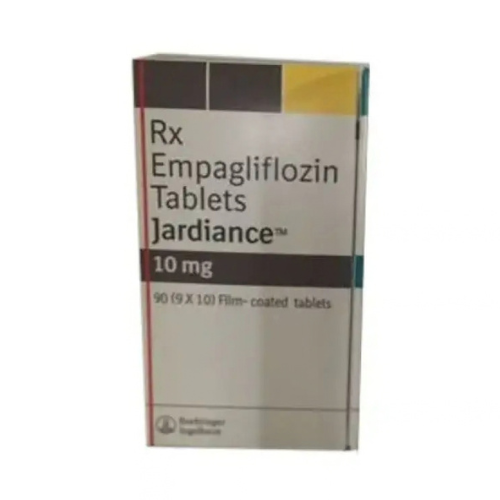
Jardiance
Jardiance (Empagliflozin) is a selective SGLT2 inhibitor studied in metabolic, renal, and cardiovascular research. It is investigated for its effects on renal glucose reabsorption, urinary glucose excretion, sodium handling, energy metabolism, and pathways connecting kidney and cardiovascular function.
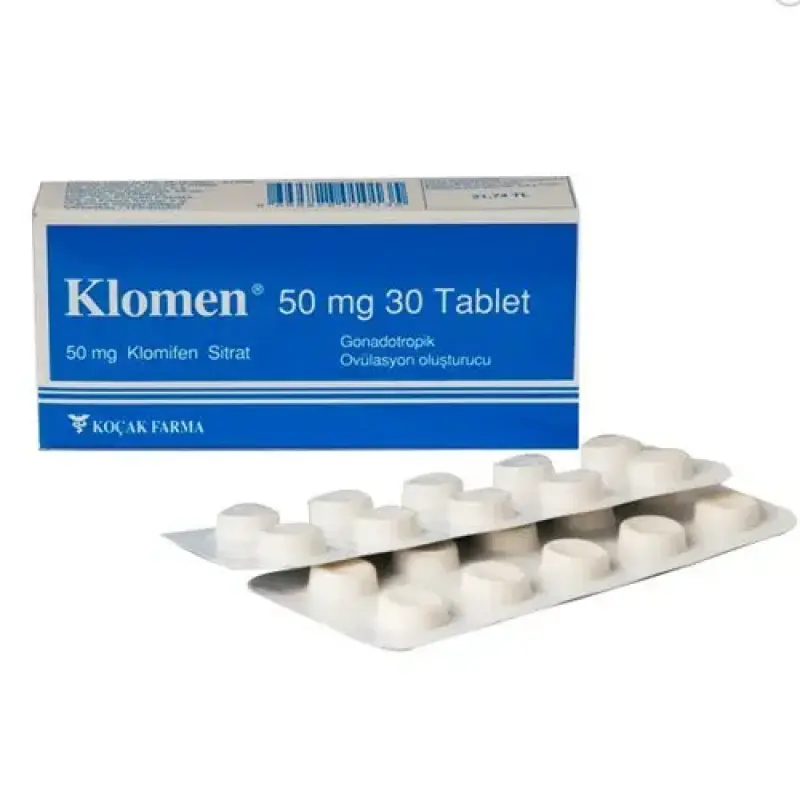
Klomen
Klomen (Clomiphene Citrate) is a selective estrogen receptor modulator studied in reproductive endocrinology and hormone-signaling research. It is investigated for its effects on estrogen receptor activity, HPG-axis regulation, gonadotropin signaling, and reproductive endocrine pathways.
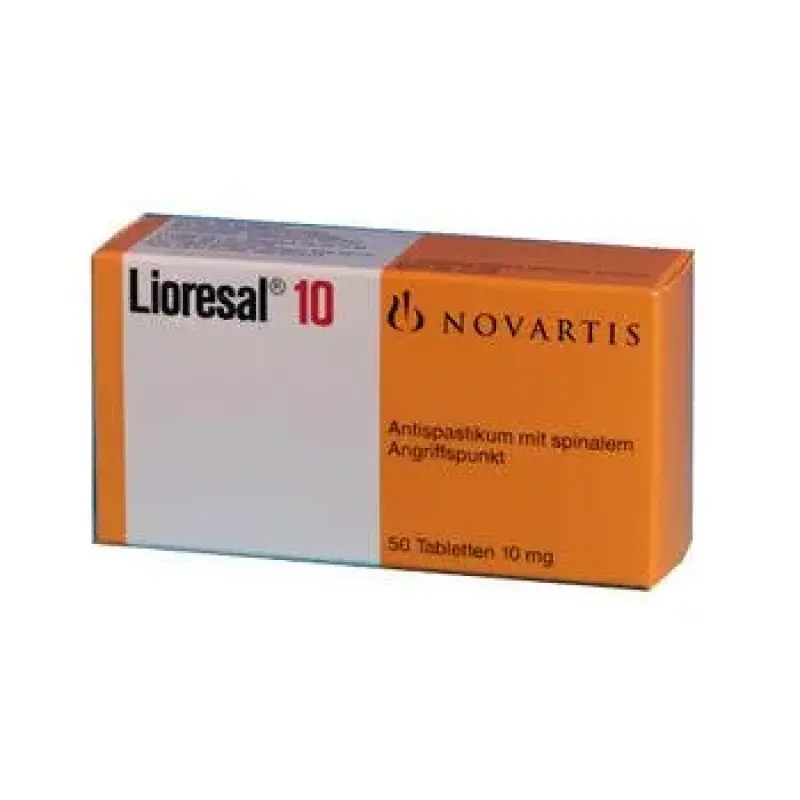
Lioresal
Lioresal (Baclofen) is a centrally acting muscle relaxant and GABA-B receptor agonist studied in neurology and neuromuscular research. It is investigated for its effects on inhibitory neurotransmission, spinal reflex activity, motor-neuron signaling, and regulation of skeletal muscle tone.
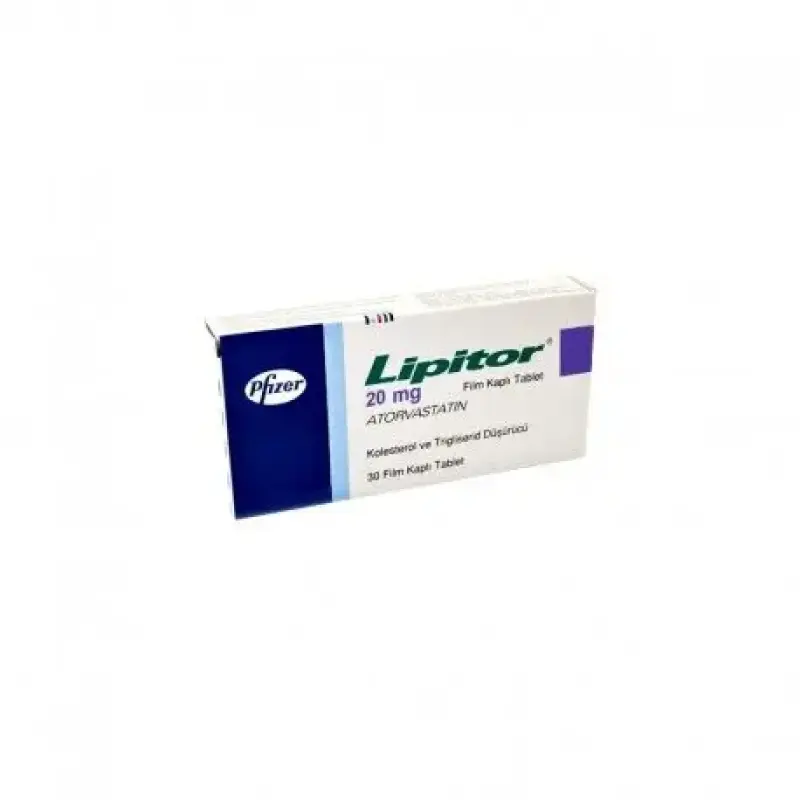
Lipitor
Lipitor (atorvastatin) is a statin medication researched for its role in regulating cholesterol and lipid metabolism. It works primarily by reducing hepatic cholesterol synthesis, making it an important compound for research involving LDL cholesterol, cardiovascular risk factors, and lipid homeostasis.