
Research Use Only. This compound is not intended for human consumption or therapeutic use.
Where to Buy L-Glutathione: Vendor Comparison & Research Info
L-Glutathione is a naturally occurring tripeptide composed of glutamate, cysteine, and glycine. It is widely studied in research involving cellular antioxidant systems, oxidative stress, redox balance, and detoxification pathways, making it a useful compound for laboratory investigations of cellular protection and metabolic processes.
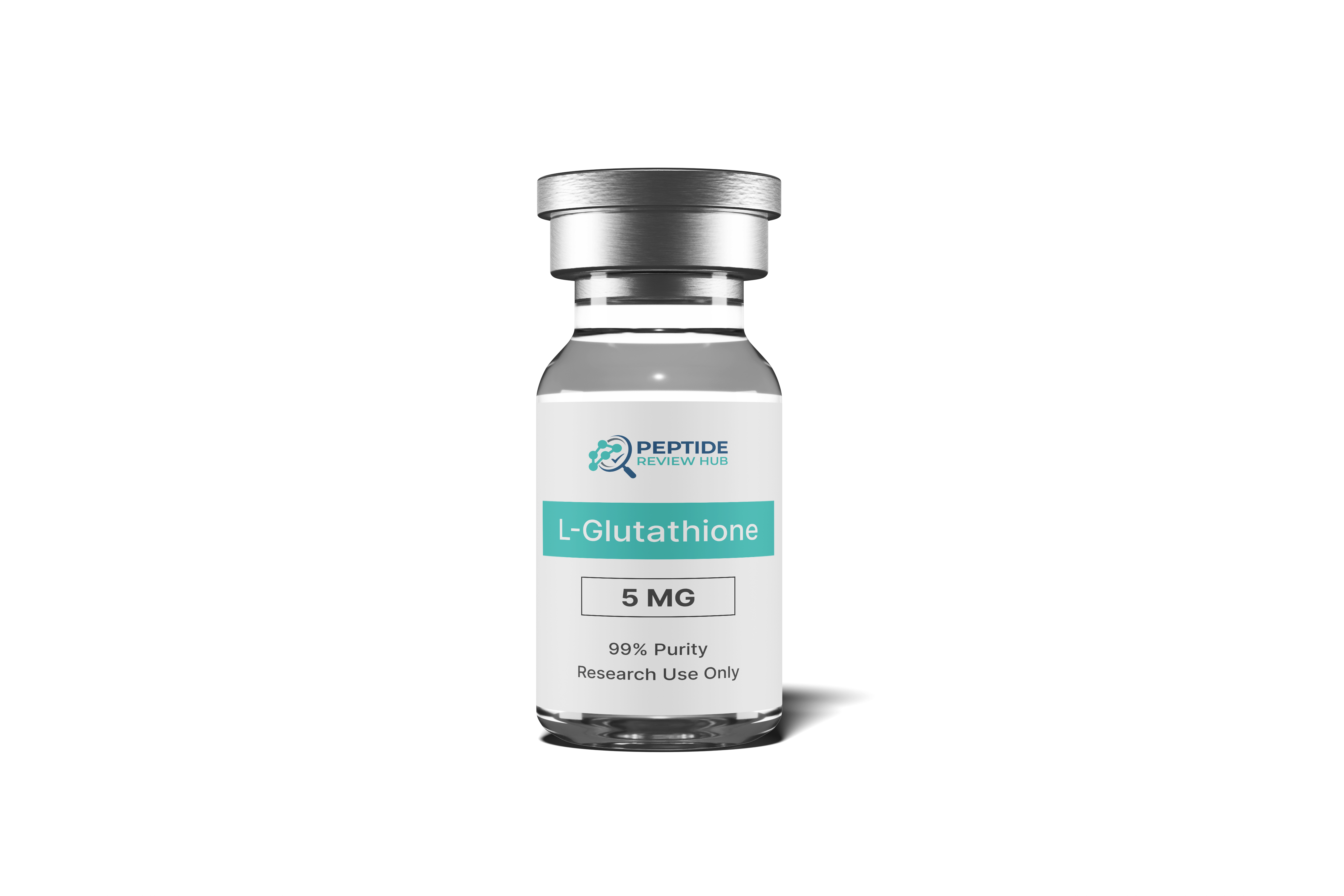
What is L-Glutathione?
L-Glutathione
L-Glutathione is a short peptide composed of just cysteine, glutamate, and glycine. It occurs naturally throughout the body and acts primarily as an antioxidant and as a supportive agent to a number of processes in the central nervous system. Glutathione is especially important in the detoxification processes of the liver and as a free-radical scavenger in the brain. There is ample evidence to suggest that loss of glutathione can contribute to neurodegenerative diseases like Parkinson’s disease as well as diseases of the eye like cataracts and diabetic retinopathy. Reduced glutathione levels are thought to be both a consequence of aging as well as a contributor to the aging process. Chronic disease also reduces glutathione levels.
Oral glutathione supplementation appears to be ineffective due to the breakdown of the peptide in the gastrointestinal system. Though much is made of oral supplementation with glutathione precursors like N-acetyl cysteine (NAC), research shows that glutathione levels tend to decrease with age due to a loss of production capacity (usually starting around middle age). This loss of production capacity, of course, limits the effectiveness of NAC and other precursors to generate glutathione. The best evidence indicates that glutathione is most effective when injected or inhaled via nasal preparations.
L-Glutathione Structure
Molecular Formula: C10H17N3O6S Molecular Weight: 307.33 g/mol PubChem CID: 124886 CAS No: 170-18-8 Alternative Names: Glutathione, Isethion, GSH
Glutathione Is an Antioxidant
L-Glutathione has long been recognized as one of the most important low-molecular weight antioxidants synthesized by cells of the body. By virtue of the sulfur contained in the cysteine component of GSH, it is able to remove potent free radicals, such as peroxides, nitrogen dioxide, HOCl, and a multitude of other toxins, from the body. It does this through a basic redox reaction, thus protecting cells, DNA, and extracellular matrix components from the damage done by free radicals. Glutathione not only neutralizes free radicals directly, but assists other antioxidants, such as vitamins C and E, in their roles as antioxidants[1].
Glutathione is found both inside cells and as a secreted substance in the extracellular matrix. It is found in very high levels in lung tissue, the brain, and the liver. It is synthesized in humans via a simple redox reaction as follows.
Glutathione is so important in the human body that deficiency has been associated with a wide range of diseases such as diabetes, HIV, cancer, and even tuberculosis. Research suggests that glutathione levels may be an important marker of disease severity and progression. Measuring glutathione may offer clinicians a more quantitative means of assessing prognosis and helping to determine the efficacy and timing of various interventions[2]. Despite understanding the role of glutathione in aging and disease, no routine means of measuring and assessing glutathione levels has been established. Researchers are now looking into how measuring this simple peptide could provide critical insight into everything from overall health to the efficacy of specific treatments in disease. In the near future, measuring glutathione levels may be as commonplace and useful as measuring things like blood pressure, cholesterol, and blood sugar levels.
L-Glutathione's Biological Roles
While glutathione is best known for its antioxidant functions, the peptide does play other roles in the human body. It is an important, indeed required, molecule in the production of leukotrienes (inflammatory mediators) and prostaglandins. This makes it a potent regulator of certain immune responses as well as the inflammatory cascade. It is also a cofactor in a number of biochemical reactions and enhances the function of citrulline in the nitric oxide cycle. In other words, glutathione is an essential component of cellular metabolism and particularly important in regulating blood pressure and cardiac health.
Glutathione is also critical to proper protein folding in the endoplasmic reticulum. Research shows that glutathione helps proteins to fold into the correct 3D shape to bind to receptors and function normally. It is particularly important in the formation of disulfide bonds. Though it is not the only mechanism that cells harbor to promote proper protein folding, glutathione is an important aspect of this cellular function and thus contributes heavily to the proper functioning of cells[3], [4].
There is currently some debate as to whether glutathione acts a neurotransmitter. It certainly modulates the redox states of things like the NMDA receptor (a function that would make it a neuromodulator). It also appears to activate ionotropic receptors as well as the purinergic P2X7 receptor on Muller cells. Muller cells are found in the retina where they maintain the structure and function of retinal cells. This includes the regulation of neurotransmitter levels. This, again, suggests that even if glutathione is not a neurotransmitter, it plays an important role in the regulation of neurotransmitters[5].
The world’s foremost expert on glutathione is Dr. Nayan Patel. In 2020 he wrote a book entitled The Glutathione Revolution in which he discusses the benefits and safety of glutathione supplementation. He likens oxidation in the body to rust, an apt analogy if ever there was one. Glutathione is the body’s main rust preventative, warding off all of the negative consequences of oxidation in the body in the same way that proper care of your car wards off rust and the detrimental effects it has on everything. According to Dr. Patel, glutathione levels drop by about 20% after age 40, setting us up for poor performance, increased risk of disease, and accelerated aging. The only way to overcome this deficit is through supplementation.
A Note on Glutathione Administration
Research shows that glutathione is not well absorbed from dietary sources or as a result of oral intake. It is thought that enzymes in the GI tract may break it apart before it can be absorbed. There is some evidence to suggest that curcumin, N-acetyl cysteine, and certain components of foods like broccoli and spinach may help to boost glutathione levels by providing more precursors for its synthesis or by directly upregulating the process of synthesis itself.
Unfortunately, there is limited evidence to support the above options as being the optimal way to increase glutathione. While they do increase glutathione levels to some extent, the magnitude of their effect appears to be limited primarily because they cannot overcome the decrease in GSH levels that results from the loss of synthetic capacity. Research suggests that the only reliable way to significantly alter glutathione levels is to inject the peptide or to inhale it. Dr. Nayan Patel has developed a transdermal delivery system for glutathione, but it is not yet widely used.
L-Glutathione and Aging
Oxidative damage to cells is one of the leading components of both the visual signs of aging as well as aging processes like senescence (cellular/tissue aging), hormonal aging, metabolic aging, and DNA damage that led to both disease and dysfunction. Given the importance of glutathione in fighting against oxidative damage, it should come as no surprise that the peptide is critical to reducing the effects of aging.
Of course, glutathione itself, as discussed, is subject to the effects of aging. With age comes a decrease in the capacity of most mammals to synthesize glutathione. Fortunately, supplementation is possible. Research, shows, however, that the best forms of glutathione supplementation are either injecting the peptide or inhaling it through a nasal preparation. Injection provides for the easiest administration of large doses of glutathione is the method most commonly used in research studies.
The graph above looks at ROS or free radical levels as a result of glutathione levels in standard mice versus mice that have been genetically modified to be prone to Alzheimer’s disease (AD). This reveals two things about glutathione. First, it shows that AD has an oxidative component. That is to say, it appears that at least part of the risk of developing AD comes down to defective eradication of free radicals in the central nervous system.
The second thing that this graph shows is the increase in free radicals that occurs following a reduction in glutathione levels. Note that glutathione reduction occurs at roughly middle age and that the increase in free radicals is delayed but obvious. This same pattern has been shown to hold in humans. Somewhere between the ages of 30 and 40 our glutathione levels begin to drop. This is followed, after a delay of 5-10 years, but an increase in free radical levels. It is thought that this accounts for many of the aspects of aging that seem to accelerate at around age 50.
Glutathione and Cancer
When it comes to cancer, glutathione appears to be both friend and foe. In the treatment of cancer, glutathione actually protects cancer cells from the effects of chemotherapy, scavenging them just as it would any other toxin or free radical. There is ongoing work to determine if it is possible to selectively reduce glutathione in tumor cells, thus making them more susceptible to chemotherapy[6].
Even though it was previously stated that oral glutathione supplementation is not very effective, research does suggest that it works in some settings. One of those settings is in preventing the development of skin cancer as a result of exposure to UV light. Studies in rats show that oral glutathione supplementation significantly reduces the risk of developing skin cancer following exposure to UV light[7]. This would suggest that, in addition to sunscreen, simply taking glutathione by mouth could be useful when out in the sun. The question remains if injection of the peptide would provide even greater protective effects.
The role of glutathione in cancer is complex because, as pointed out, it has both beneficial and pathogenic functions. It is best to think of glutathione as being beneficial in preventing cancer but problematic when treating cancer. For instance, glutathione is critical in the removal and detoxification of carcinogens. Nowhere is this more evident than the lungs of smokers, where glutathione is depleted as it works overtime to remove nitrogen compounds from cigarette smoke. In this setting, glutathione supplementation can help to prevent the development of cancer.
Once cancer develops, however, glutathione can promote tumor progression. In this setting, supplementation actually promotes metastasis but removing toxins that the body produces in an effort to kill cancer cells[8], [9]. In short, glutathione function is complex and context dependent. Scientists are actively working to understand how to best leverage glutathione to provide the best possible outcomes. What is clear, it seems, is that people who make efforts to avoid carcinogens and “live clean” probably benefit from the antioxidant effects of glutathione.
L-Glutathione and the Brain
Decreased glutathione levels are associated with the common signs of aging as well as more serious disorders like neurodegenerative disease. In particular, glutathione pathology plays a prominent and perhaps pivotal role in the onset of Parkinson’s disease (PD). New research indicates that glutathione is a potent mediator of a process called iron-dependent cell death or ferroptosis. Without glutathione, this type of programmed cell death runs uncontrolled in cells of the central nervous system, causing premature aging and contributing to the development of neurodegenerative disease. Abundant research shows that supplementation with glutathione or its precursors (e.g. N-acetyl cysteine) is especially useful in offsetting neurological aging[10].
The role of glutathione in the brain is also made obvious by the decline in glutathione levels with age. Research shows that while glutathione levels decline throughout the body with age, a result of a diminished capacity for production, levels decline most dramatically in the brain. This makes the brain more susceptible to both Parkinson’s disease and damage following stroke or other insult[11].
The decline in glutathione levels in the brain is particularly critical in times of stress. Mild stress normally induces an increase in glutathione production to protect against more severe stress, but the decline in synthetic capacity with age erodes this response. Thus, the older we get, the more susceptible we are to stress-induced neuronal damage. Offsetting this with N-acetyl cysteine supplementation is only partially effective because the synthetic machinery itself is compromised with age. Thus, research suggests that directly injecting (or inhaling) glutathione is the best way to boost levels of this antioxidant and prevent stress-related damage to the central nervous system.
L-Glutathione and the Eye
Perhaps the best-known role of glutathione is in the retina of the eye where it acts both as an antioxidant and as a supportive agent to Muller cells. Muller cells are cells within the retina that support the health and function of retinal neurons. Mujller cells, also called Muller glia, mediate acetylcholine and GABA neurotransmitter degradation, help to funnel light to retinal cells, and maintain the nutrient supply and waste removal of retinal cells. They are critical to eyesight and the long-term health of the retina, protecting the eye against everything from viral infection to diabetic retinopathy[12].
Glutathione is also an important component of lens health where it maintains protein thiols in their reduced state and thus maintains the normal light-scattering properties of the eye. A reduction in glutathione levels in the lens has been associated with cataract formation as well as changes in the permeability of the lens that make it harder for nutrient exchange to occur.
Research shows that glutathione plays a critical role in protecting visual acuity and supporting retinal health. Combined with other anti-oxidants, research in animal models shows that glutathione supplementation (in this case delivered in the form of eye drops) can reduce oxidative stress in the eye and slow the typical changes that occur with aging such as cataracts and loss of visual acuity[15].
Supplementation with glutathione thus appears to support long-term health of all aspects of the eye including the retina, lens, and cornea. Research suggests that glutathione may help to ward off both ocular diseases as well as the “normal” effects of aging on the eye. Researchers are currently working on a topical (i.e., drop-based) delivery system for direct delivering of the peptide to the eye, but injected and inhaled glutathione likely provide benefit to the eye as well.
L-Glutathione and Cartilage Health
One of the underlying causes of osteoarthritis (the wear-and-tear arthritis) is the inability of cells that maintain cartilage health to adapt to stress. Research shows that glutathione plays an important role in this process. Interestingly, supplementation is not the only means of maximizing glutathione function in cartilage. In fact, research in cows indicates that supplementation is only part of the answer to healthy cartilage. The other part of the answer is unloading the cartilage. In other words, resting joints is critical to increasing glutathione levels within them. The best research indicates that inducing oxidant stress, such as through careful exercise, followed by proper rest boosts glutathione levels in our joints and delays the aging process in cartilage[16].
L-Glutathione and Skin
Research shows that glutathione supplementation is beneficial in reducing the outward signs of aging, particularly in the skin. A moderate dose of glutathione, given over 12 weeks, has been shown to reduce the appearance of wrinkles, improve skin elasticity, and reduce photo-aging. Supplementation leads to fewer age spots and overall “lighter skin as a result of reducing melanin synthesis[17], [18]. Reduced melanin synthesis like contributes to a reduction in skin cancer incidence as well.
Glutathione and the Immune System
The immune system is exceptionally sensitive to glutathione levels. What is interesting is that there is little evidence to suggest that glutathione supplementation is beneficial in health, but ample evidence to suggest a massive benefit in the setting of disease. For instance, glutathione supplementation (or NAC supplementation) has been shown to significantly boost immune function in individuals with HIV[19].
This odd function of glutathione has prompted some people to suggest that supplementing during times of health is either pointless or even detrimental to the immune system. This is not what the research shows. Rather, it is better to think of it this way. Glutathione supplementation has no apparent effect on the immune system in health, but it does benefit in the setting of disease, even in the setting of simple viral illnesses. Thus, supplementing is of net benefit because we never know when we are going to catch a cold and being “stocked up” on glutathione puts our immune system in the best position to respond to infection.
The reason for this odd behavior likely comes down to the fact that the immune system is relatively quiescent when we are well but ramps up production of disease-fighting cells and antibodies very rapidly in response to disease. Thus, the immune system is doing very little work and thus requires very little antioxidant capacity when it is at rest. When disease presents itself, however, the immune system requires vast amounts of antioxidant capacity and thus benefits substantially from higher levels of glutathione.
In fact, supplementation with glutathione does appear to elevate storage levels and provide a kind of bugger against disease. A pilot study of liposomal glutathione in humans found that supplementation increases stores of glutathione. This, in turn, improves the function of natural killer cells (which are surveillance cells that help to ward off disease) and increases the ability of lymphocytes to proliferate[20]. In other words, glutathione supplementation during good health primes the immune system for a robust response when it is confronted with a challenge.
L-Glutathione Summary
Glutathione is a potent anti-oxidant and regulator of a number of biochemical processes. It is abundant in human tissues, but subject to decline with aging. Research shows that glutathione can help to reduce neurodegenerative disease, promote cartilage health, ward off age-related changes in the eye, improve immune function, and maintain more youthful skin. Overall, there is robust evidence that glutathione is a potent anti-aging compound with extensive immune and health benefits.
Glutathione exhibits minimal side effects, low oral and excellent subcutaneous bioavailability in mice. Per kg dosage in mice does not scale to humans. Glutathione for sale at peptide Review hub is limited to educational and scientific research only, not for human consumption. Only buy Glutathione if you are a licensed researcher.
Scientific Journal Author
Nayan Patel, Pharm.D is globally regarded as the foremost go-to expert on absorbable forms of glutathione, and holds the only patent on transdermal glutathione. Patel is an internationally renowned educator, consultant, lecturer, and leading expert on the “master antioxidant” glutathione. In addition to many other topics such as cellular function and hormone replacement, Patel is a highly sought after global authority on the critical role in that glutathione, and all other antioxidants and endogenous molecules play in the body. Along with traveling the world educating practitioners on advanced biochemistry and anti-aging science, Dr. Patel also serves as adjunct faculty at the University of Southern California School of Pharmacy where he is also an alumnus. He is also co-inventor of a revolutionary patented technology that delivers glutathione through the water channels of the skin, via a sub-nano molecular delivery mechanism. Until now, the lack of an effective way of delivering glutathione into our bodies has kept glutathione from being accessible to most of the world. This new discovery helped solidify Patel’s standing as a true stand out in the arena of cutting edge knowledge surrounding Glutathione.
Dr. Nayan Patel is being referenced as one of the leading scientists involved in the research and development of Glutathione. In no way is this doctor/scientist endorsing or advocating the purchase, sale, or use of this product for any reason. There is no affiliation or relationship, implied or otherwise, between Peptide Review Hub and this doctor. The purpose of citing the doctor is to acknowledge, recognize, and credit the exhaustive research and development efforts conducted by the scientists studying this peptide.
Product Usage: THIS PRODUCT IS INTENDED AS A RESEARCH CHEMICAL ONLY. This designation allows the use of research chemicals strictly for in vitro testing and laboratory experimentation only. All product information available on this website is for educational purposes only. Bodily introduction of any kind into humans or animals is strictly forbidden by law. This product should only be handled by licensed, qualified professionals. This product is not a drug, food, or cosmetic and may not be misbranded, misused or mislabeled as a drug, food or cosmetic.
Where to Buy L-Glutathione Online
| Rank | Vendor | Trust Score | Vial Size | Price / mg | Status | Action |
|---|---|---|---|---|---|---|
1 |  Peptide Hubs Verified | 9.0/10 Editorial Rating | $50.00 600mg vial | $0.08/mg | Out of Stock | Visit Site |
2 | 4.0/10 Editorial Rating | $83.95 600mg vial | $0.14/mg | In Stock | Visit Site | |
3 |  Redrockpeptides Verified | N/A/10 Editorial Rating | $79.00 1500mg vial | $0.05/mg | In Stock | Visit Site |
4 | N/A/10 Editorial Rating | $60.00 600mg vial | $0.10/mg | In Stock | Visit Site | |
5 | N/A/10 Editorial Rating | $59.00 10mg vial | $5.90/mg | In Stock | Visit Site | |
6 |  New Wave Peptides Verified | N/A/10 Editorial Rating | $29.95 10mg vial | $3.00/mg | In Stock | Visit Site |
7 | N/A/10 Editorial Rating | $59.99 1500mg vial | $0.04/mg | In Stock | Visit Site | |
8 | N/A/10 Editorial Rating | $80.00 10mg vial | $8.00/mg | In Stock | Visit Site | |
9 | N/A/10 Editorial Rating | $38.00 10mg vial | $3.80/mg | In Stock | Visit Site | |
10 | N/A/10 Editorial Rating | $49.99 1500mg vial | $0.03/mg | In Stock | Visit Site | |
11 | N/A/10 Editorial Rating | $23.19 600mg vial | $0.04/mg | In Stock | Visit Site | |
12 | N/A/10 Editorial Rating | $33.00 1500mg vial | $0.02/mg | In Stock | Visit Site |









Top-Ranked Vendor
Peptide Hubs Review (2026): COA Transparency, Reputation, Pricing, Policies & Shipping Analysis
Review Methodology: This review is based on publicly available information from the official Peptide Hubs website, independent review platforms, and third-party sources available at the time of writing. All findings are presented objectively and unsupported claims have not been included.
Brand Overview
Company Name
Peptide Hubs
Website
Industry
Research Peptides & Research Chemicals
Main Products
Research Peptides
GLP-1 Research Compounds
Growth Hormone Releasing Peptides
Recovery Peptides
Cosmetic Peptide Products
Research Blends
Research Serums
Headquarters
The website references New York (NY 11784, United States). A specific corporate headquarters address could not be independently verified. [peptidehubs.com], [peptidehubs.com]
Shipping Regions
United States
International Shipping Available
Payment Methods
Information Not Publicly Available.
Company Summary
About Peptide Hubs
Peptide Hubs positions itself as a supplier of research peptides and research-related compounds intended exclusively for laboratory and scientific research purposes. The company states that it partners with manufacturers operating under WHO/GMP and ISO 9001:2015 standards while providing third-party tested research compounds and Certificates of Analysis (COAs). [peptidehubs.com], [peptidehubs.com]
The company's catalog includes a broad range of products commonly used in peptide research, including BPC-157, TB-500, Semaglutide, Retatrutide, Ipamorelin, Cagrilintide, NAD+, Epitalon, and numerous blends and specialty products. The website also emphasizes independent quality testing, secure ordering, and global shipping availability. [peptidehubs.com], [peptidehubs.com]
According to domain information referenced by third-party sources, the peptidehubs.com domain was registered in March 2025, making it a relatively new entrant compared to some long-established peptide vendors. [scam-detector.com]
The company promotes third-party testing, competitive pricing, free shipping on larger orders, and research-use-only compliance. However, some details regarding company ownership, executive leadership, and extensive third-party consumer review history remain limited in publicly available sources. [peptidehubs.com], [peptidehubs.com]
COA Transparency Review
Score: 8.5/10
Analysis
Peptide Hubs places significant emphasis on product testing and transparency. The company states that products undergo third-party testing and that Certificates of Analysis (COAs) are provided. It also highlights WHO/GMP manufacturing partnerships and purity verification through independent quality testing. [peptidehubs.com], [peptidehubs.com]
The website specifically states that Certificates of Analysis are available and that products are third-party tested for purity. Product pages and company information repeatedly reference analytical verification and product documentation. [peptidehubs.com], [peptidehubs.com]
The primary limitation is that COAs are not always immediately visible from every product page before purchase, and actual batch reports appear to require customer access or request-based retrieval. While transparency is stronger than many smaller competitors, greater public access to batch-specific reports would improve confidence.
Overall, Peptide Hubs demonstrates a higher-than-average commitment to testing transparency compared with many newer peptide vendors.
Score: 8.5/10
Sources:
Reputation Review
Score: 6.5/10
Analysis
Reputation is currently one of the more difficult categories to assess due to limited third-party review volume.
A dedicated Trustpilot business profile for Peptide Hubs was not located during research, meaning a verified Trustpilot score could not be confirmed. [uk.trustpilot.com]
Independent review coverage exists on niche industry websites. One review noted strong marks for product quality, shipping speed, product selection, and packaging, while also describing the company as a legitimate research peptide supplier. However, this represents editorial commentary rather than a large-scale consumer review dataset. [steroids.reviews]
Scam Detector currently assigns peptidehubs.com a medium trust score of 55.5/100 and notes the domain was registered in March 2025, indicating a relatively young online presence. [scam-detector.com]
The lack of extensive customer review history across major independent review platforms prevents a higher score despite positive indicators from the website itself.
Score: 6.5/10
Sources:
https://www.scam-detector.com/validator/peptidehubs-com-review/ [scam-detector.com]
https://www.steroids.reviews/peptide-hubs [steroids.reviews]
Pricing Review
Score: 9/10
Analysis
Pricing appears to be one of Peptide Hubs' strongest competitive advantages.
Examples from the product catalog show aggressive pricing across popular peptide categories:
BPC-157 5mg: $15
TB-500 5mg: $24
PT-141 10mg: $18
Semax 10mg: $21
Tirzepatide 5mg: $36
The site also markets frequent discounts, with many products listed at approximately 40% off standard retail pricing. [peptidehubs.com]
The company additionally offers:
Free shipping on orders above $599
Promotional pricing
Sale pricing across multiple product categories
[peptidehubs.com], [peptidehubs.com]
A publicly visible loyalty program was not identified during research, which prevents a perfect score. However, overall pricing compares favorably with industry averages.
Score: 9/10
Sources:
Policies Review
Score: 7.5/10
Analysis
Peptide Hubs maintains publicly accessible Terms of Use and policy pages. The company clearly states that all products are sold for research purposes only and includes comprehensive legal disclaimers. [peptidehubs.com], [peptidehubs.com]
Positive elements include:
Transparent research-use-only disclosures
Order cancellation provisions
Refund handling documentation
Product availability explanations
However, several policy areas could be improved:
Refund eligibility details are somewhat limited
Return process lacks extensive procedural guidance
No satisfaction guarantee identified
Some policy wording appears generalized
While policies are available and reasonably transparent, they are not as detailed as those offered by larger industry leaders.
Score: 7.5/10
Sources:
Shipping Review
Score: 8.5/10
Analysis
Peptide Hubs publicly discloses shipping information with greater transparency than many competitors.
Published shipping details include:
Domestic U.S. delivery: 4-5 business days
International delivery: 13-15 business days
Free shipping above $600
Flat-rate shipping options
International shipping support
The company also promotes secure and discreet shipping practices. Independent reviews have additionally referenced fast delivery and secure packaging. [steroids.reviews], [peptidehubs.com]
Tracking information appears to be available through account management and order tracking systems. [peptidehubs.com]
The only factor preventing a higher rating is limited independent verification from high-volume review sources regarding delivery consistency.
Score: 8.5/10
Sources:
https://peptidehubs.com/page/about-peptide-hubs [peptidehubs.com]
https://www.steroids.reviews/peptide-hubs [steroids.reviews]
Catalog Review
Score: 9/10
Analysis
Peptide Hubs offers a substantial catalog of research compounds.
Product categories include:
Recovery Peptides
Growth Hormone Peptides
GLP-1 Research Compounds
Research Blends
Research Serums
Cosmetic Peptides
Specialty Research Products
The catalog includes many popular products researchers commonly seek, including:
BPC-157
TB-500
Semaglutide
Retatrutide
Cagrilintide
Ipamorelin
Epitalon
Semax
PT-141
Catalog organization is straightforward and product coverage is broad. The company compares favorably with many mid-sized peptide vendors.
Score: 9/10
Sources:
Overall Score
Overall Score: 8.2/10
Calculation:
COA Transparency: 8.5
Reputation: 6.5
Pricing: 9.0
Policies: 7.5
Shipping: 8.5
Catalog: 9.0
Average: 8.2/10
What We Like
Strengths
Third-party testing is prominently emphasized.
Certificates of Analysis are available for products.
Broad catalog covering numerous peptide categories.
Competitive pricing across popular products.
Free shipping threshold available.
Domestic and international shipping options.
Detailed research-use-only disclosures.
WHO/GMP and ISO-related manufacturing claims disclosed.
What Could Be Better
Areas for Improvement
Limited verified Trustpilot presence.
Relatively young domain and operating history.
Public access to batch-specific COAs could be easier.
More detailed refund and replacement policies would improve transparency.
Additional independent review volume would strengthen confidence.
Corporate leadership information is not prominently disclosed.
Online Ratings & Reviews
Trustpilot
Rating
Information Not Publicly Available
Review Count
Information Not Publicly Available
Key Positive Themes
Information Not Publicly Available
Key Negative Themes
Information Not Publicly Available
Finnrick
Rating
No verified Finnrick vendor rating for Peptide Hubs could be located during research. [finnrick.com], [finnrick.com]
Key Findings
Information Not Publicly Available
Notable Observations
Peptide Hubs does not appear among publicly visible Finnrick vendor leaderboards reviewed during research. [finnrick.com], [finnrick.com]
Other Review Sources
Scam Detector
Trust Score: 55.5/100
Classification: Medium Trust / Proceed With Caution
Domain Registration: March 2025
Steroids.Reviews
Editorial Score: 4.3/5
Positive feedback regarding product quality, packaging, shipping, and catalog depth.
Overall Public Sentiment
Current sentiment appears generally positive but limited in volume.
Most Common Praise
Product selection
Pricing
Shipping speed
Packaging quality
Lab testing transparency
[steroids.reviews], [peptidehubs.com]
Most Common Complaints
Limited operating history
Lack of extensive third-party review data
Need for stronger independent reputation verification
Final Verdict
Conclusion
Peptide Hubs appears to be a promising research peptide supplier that focuses heavily on competitive pricing, broad product availability, and transparency regarding testing and quality assurance. The company publicly states that products undergo third-party testing and that Certificates of Analysis are available, both of which are positive indicators for research purchasers. [peptidehubs.com], [peptidehubs.com]
The strongest areas are pricing, catalog depth, shipping transparency, and quality-related claims. Researchers seeking a large selection of peptides at competitive prices will likely find the platform appealing. [peptidehubs.com], [peptidehubs.com]
The largest weakness is reputation maturity. Because the domain was registered in 2025 and verified review volume remains relatively limited, Peptide Hubs has not yet built the long-term reputation profile enjoyed by more established industry vendors. [scam-detector.com]
Overall, based strictly on publicly available information, Peptide Hubs demonstrates several positive trust indicators, but researchers should still perform standard due diligence, verify COAs before purchase, and monitor independent review platforms as additional customer feedback becomes available.
Final Rating: 8.2/10
Chemical Properties & Handling
Standard storage protocols for lyophilized peptides generally apply unless otherwise specified.
- Lyophilized (Powder): Store at -20°C for up to 3 years. Keep away from direct light and moisture.
- Reconstituted (Liquid): Store at 2-8°C (refrigerated) and use within 20-30 days to maintain stability.
Research Reviews
No Research Reviews Yet
Be the first to share your research protocol and vendor experience with L-Glutathione.
Best L-Glutathione Vendors & Price Comparison
L-Glutathione (GSH) is a naturally occurring tripeptide composed of glutamate, cysteine, and glycine. Widely recognized as one of the body's most important endogenous antioxidants, glutathione is extensively studied in research involving oxidative stress, cellular protection, mitochondrial biology, neurodegeneration, healthy aging, immune regulation, liver function, and metabolic health.
As interest in longevity science, redox biology, and antioxidant research continues to expand, researchers frequently compare L-Glutathione suppliers based on purity, analytical testing, manufacturing standards, pricing, and supplier transparency.
This L-Glutathione Vendor Price Comparison Guide helps researchers evaluate suppliers using objective criteria including:
Product Pricing
Cost Per Milligram
Product Purity
Third-Party Testing
Certificate of Analysis (COA)
Vendor Reputation
Customer Reviews
Shipping Performance
Product Availability
Overall Value
Whether you're searching for the lowest-priced L-Glutathione supplier, the highest-purity research-grade material, or vendors offering comprehensive analytical verification, this guide provides a framework for comparing research compound suppliers.
Explore L-Glutathione Vendors by Criteria
Most Popular L-Glutathione Vendors
Compare suppliers frequently selected by antioxidant and longevity researchers.
Highest Reviewed Vendors
Discover suppliers with strong customer satisfaction and positive marketplace reputations.
Lowest Price Vendors
Identify suppliers offering competitive pricing and favorable cost-per-milligram value.
Highest Purity Vendors
Review suppliers providing transparent purity verification and analytical testing.
Best Value Vendors
Compare pricing, testing standards, quality assurance, and customer support.
Fastest Shipping Vendors
Evaluate fulfillment performance, packaging quality, and shipping reliability.
Newly Listed Vendors
Explore recently added suppliers offering L-Glutathione research compounds.
What Is L-Glutathione?
Overview
L-Glutathione is a naturally occurring tripeptide found throughout the body and plays a central role in antioxidant defense and cellular homeostasis.
Researchers investigate L-Glutathione because of its relationship with:
Oxidative stress regulation
Cellular antioxidant systems
Mitochondrial function
Liver biology
Immune-system regulation
Healthy aging
Neuroprotection
Cellular detoxification pathways
L-Glutathione remains one of the most important molecules in redox and longevity research.
Molecular Characteristics
Compound Information
Researchers evaluating L-Glutathione products should review analytical documentation and molecular specifications.
Compound Name
L-Glutathione
Alternative Names
Glutathione
GSH
Isethion
Classification
Tripeptide Antioxidant
Research Category
Antioxidant & Longevity Research
Molecular Formula
C10H17N3O6S
Molecular Weight
307.33 g/mol
PubChem CID
124886
CAS Number
170-18-8
Composition
Glutamate + Cysteine + Glycine
Product Format
Lyophilized Powder
Why Researchers Study L-Glutathione
L-Glutathione has generated enormous scientific interest because of its role in protecting cells from oxidative damage.
Researchers investigate pathways involving:
Free-radical scavenging
Cellular stress responses
Redox regulation
Mitochondrial function
Protein maintenance
Immune signaling
Its broad biological importance makes it one of the most extensively researched endogenous peptides.
L-Glutathione & Antioxidant Research
Oxidative Stress Research
One of the primary focuses of glutathione research involves oxidative balance.
Researchers investigate pathways involving:
Reactive oxygen species (ROS)
Free-radical neutralization
Cellular protection
Redox biology
Antioxidant defense systems
This remains a foundational area of glutathione research.
Cellular Protection Research
Scientists continue studying pathways involving:
DNA protection
Cellular resilience
Oxidative adaptation
Tissue maintenance
Molecular stability
Further investigation remains ongoing.
L-Glutathione & Healthy Aging Research
Longevity Research
Glutathione is widely investigated in studies involving age-associated biological changes.
Researchers examine pathways involving:
Cellular aging
Oxidative damage
Tissue maintenance
Metabolic adaptation
Cellular resilience
Interest in glutathione continues growing within longevity science.
Age-Related Cellular Research
Studies frequently investigate:
Redox balance
Cellular homeostasis
Mitochondrial maintenance
Stress resistance
Biological aging pathways
Additional research remains active.
L-Glutathione & Brain Research
Neuroprotection Research
Researchers investigate glutathione because of its relationship with central nervous system function.
Research areas include:
Neuronal antioxidant defenses
Cellular stress responses
Neurobiological maintenance
Mitochondrial activity
Brain aging
This remains one of the most significant areas of glutathione research.
Neurodegenerative Disease Research
Scientists continue studying pathways involving:
Oxidative stress
Neuronal survival
Cellular maintenance
Brain metabolism
Neuroinflammatory signaling
Further investigations remain ongoing.
Ferroptosis Research
Researchers investigate glutathione because of its role in pathways involving:
Iron-dependent cellular processes
Oxidative regulation
Cellular stress adaptation
Neuronal resilience
Redox homeostasis
L-Glutathione & Liver Research
Hepatic Function Research
The liver contains some of the highest concentrations of glutathione in the body.
Researchers investigate pathways involving:
Cellular detoxification
Redox regulation
Metabolic physiology
Hepatic resilience
Oxidative stress responses
This remains a major field of investigation.
Cellular Detoxification Research
Scientists continue examining mechanisms involving:
Free-radical neutralization
Cellular maintenance
Metabolic adaptation
Tissue protection
Physiological resilience
L-Glutathione & Immune Research
Immune-System Regulation
Researchers investigate glutathione because of its relationship with immune responsiveness.
Areas of study include:
Cellular immunity
Immune signaling
Lymphocyte activity
Natural killer cell biology
Immune adaptation
This remains an important field of research.
Inflammatory Signaling Research
Researchers continue exploring pathways involving:
Cellular communication
Oxidative balance
Immune regulation
Stress-response mechanisms
Tissue maintenance
L-Glutathione & Eye Research
Retinal Research
Scientists investigate glutathione because of its relationship with retinal health and oxidative protection.
Research includes:
Müller-cell biology
Retinal signaling
Ocular antioxidant systems
Cellular maintenance
Visual-system physiology
Lens & Ocular Research
Researchers continue studying pathways involving:
Lens maintenance
Oxidative protection
Ocular aging
Cellular resilience
Tissue homeostasis
Further studies remain active.
L-Glutathione & Skin Research
Skin Aging Research
Researchers investigate pathways involving:
Photoaging biology
Cellular antioxidant defenses
Skin elasticity
Structural integrity
Oxidative-stress regulation
Melanin Research
Studies continue examining pathways involving:
Pigmentation signaling
Skin-cell communication
Oxidative adaptation
Cellular regulation
Tissue maintenance
L-Glutathione & Joint Research
Cartilage Research
Researchers investigate glutathione because of its relationship with oxidative balance in connective tissues.
Research areas include:
Cartilage maintenance
Cellular adaptation
Oxidative regulation
Tissue resilience
Joint physiology
Tissue Stress Research
Scientists continue studying pathways involving:
Mechanical stress responses
Cellular homeostasis
Tissue recovery
Redox signaling
Structural maintenance
L-Glutathione & Protein Research
Protein Folding Research
Glutathione plays an important role in cellular protein-maintenance systems.
Researchers investigate pathways involving:
Protein folding
Disulfide bond formation
Endoplasmic reticulum function
Cellular quality control
Molecular stability
Further investigation remains ongoing.
Why Researchers Compare L-Glutathione Vendors
Research reproducibility depends heavily on product quality and manufacturing consistency.
Differences among suppliers may include:
Product purity
Batch consistency
Stability testing
Manufacturing procedures
Analytical verification
Product documentation
Quality-control standards
Storage practices
Careful supplier evaluation helps improve consistency across laboratory studies.
How We Compare L-Glutathione Vendors
Third-Party Laboratory Testing
Researchers should prioritize suppliers offering:
Third-party testing
Identity verification
Purity confirmation
Batch-specific reports
Certificate of Analysis (COA)
A quality COA should contain:
Batch number
Testing date
Purity percentage
Identity verification
Analytical methodology
Product Purity
Purity remains one of the most important variables when evaluating research compounds.
Higher-purity materials generally contribute to improved reproducibility and experimental consistency.
Cost Per Milligram
Comparing product prices alone may not accurately represent overall value.
Cost Per Milligram Formula
Product Price ÷ Total Milligrams = Cost Per Milligram
This metric helps standardize vendor comparisons.
Customer Reviews
Customer experiences often provide insight regarding:
Product consistency
Packaging quality
Shipping performance
Customer support
Purchasing experience
Vendor Reputation
Established suppliers often demonstrate:
Transparent testing programs
Reliable quality-control systems
Strong customer satisfaction
Consistent inventory availability
Product Quality & Analytical Testing
Why Testing Matters
Research-grade L-Glutathione products should undergo testing to verify:
Identity
Purity
Molecular integrity
Stability
Batch consistency
Common Testing Methods
High-Performance Liquid Chromatography (HPLC)
Used to assess purity and identify impurities.
Mass Spectrometry (MS)
Used to verify molecular identity and composition.
Identity Verification
Confirms authenticity of the compound.
Stability Testing
Evaluates integrity during storage and handling.
Batch Consistency Analysis
Measures reproducibility across manufacturing lots.
Storage & Handling
Researchers should follow validated laboratory procedures.
Best practices include:
✅ Protect from moisture
✅ Protect from excessive heat
✅ Minimize direct light exposure
✅ Avoid repeated temperature fluctuations
✅ Follow laboratory stability requirements
✅ Minimize unnecessary handling
Proper storage helps preserve product integrity and consistency.
Understanding L-Glutathione Pricing
Several factors influence supplier pricing.
Product Purity
Higher-purity research materials generally command premium pricing.
Manufacturing Standards
Specialized purification processes can increase production costs.
Analytical Verification
Extensive testing improves transparency while increasing manufacturing expenses.
Research Demand
Growing interest in antioxidant, longevity, and mitochondrial research contributes to market demand.
Vendor Reputation
Established suppliers often charge more due to rigorous quality-control standards.
L-Glutathione Vendor Evaluation Checklist
Quality Verification
✅ Third-party testing available
✅ Certificate of Analysis provided
✅ Identity confirmation documented
✅ Purity information disclosed
✅ Stability testing available
✅ Batch-specific reports available
Vendor Reliability
✅ Positive customer reviews
✅ Transparent company information
✅ Responsive customer support
✅ Reliable inventory availability
Purchasing Experience
✅ Secure checkout process
✅ Shipment tracking available
✅ Clear return policies
✅ Reliable order fulfillment
Frequently Asked Questions
What is L-Glutathione?
L-Glutathione (GSH) is a naturally occurring tripeptide composed of glutamate, cysteine, and glycine and is one of the body's most important endogenous antioxidants.
What is L-Glutathione used for in research?
Researchers investigate L-Glutathione in studies involving oxidative stress, mitochondrial biology, neuroprotection, liver function, immune regulation, healthy aging, protein folding, and cellular metabolism.
Why compare L-Glutathione vendors?
Purity, analytical testing, supplier reliability, documentation quality, and manufacturing standards can vary significantly among suppliers.
What should researchers review before purchasing?
Researchers should evaluate:
Certificate of Analysis (COA)
Third-party testing
Purity verification
Identity confirmation
Stability testing
Vendor reputation
Why is third-party testing important?
Independent testing helps verify product identity, purity, molecular integrity, and batch consistency while improving research reproducibility.
Is the lowest-priced supplier always the best option?
No. Product quality, testing standards, supplier transparency, and reliability are generally more important than price alone.
Final Thoughts
L-Glutathione remains one of the most important compounds in antioxidant, longevity, mitochondrial, and cellular biology research because of its central role in redox regulation, oxidative-stress defense, immune function, liver physiology, protein maintenance, neuroprotection, and healthy aging. Ongoing studies continue expanding scientific understanding of how glutathione influences cellular resilience and tissue homeostasis across multiple biological systems.
When comparing L-Glutathione vendors, researchers should prioritize purity verification, third-party analytical testing, Certificate of Analysis availability, supplier reputation, and overall value rather than focusing solely on price. A structured vendor-comparison process can help identify suppliers capable of meeting rigorous research-quality standards.
Current Research & Evidence
Research evidence for L-Glutathione has not yet been added.
Key Findings on L-Glutathione Use
Key findings for L-Glutathione have not yet been added.
Related Peptides in Peptide
PT 21
PT-21 is an experimental research peptide investigated in controlled laboratory studies of cellular signaling, molecular pathways, tissue biology, and cellular responses. Supplied as a research material for qualified researchers, it is intended strictly for in vitro research and not for human or animal use.
SS-31
SS-31, also known as elamipretide or MTP-131, is a synthetic mitochondria-targeted tetrapeptide studied in laboratory research involving cardiolipin interactions, mitochondrial respiration, oxidative stress, ATP production, and cellular energy metabolism.
GLP-1
GLP-1 is a peptide hormone studied in research involving GLP-1 receptor signaling, cellular communication, metabolic biology, pancreatic pathways, and gastrointestinal research. It is intended strictly for laboratory research and not for human or animal consumption.
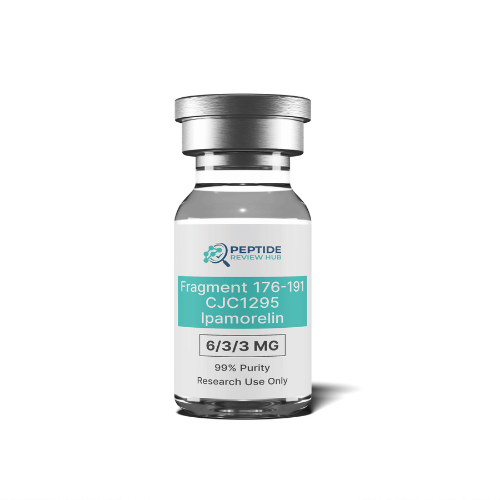
Fragment-176-191-CJC1295-Ipamorelin
Fragment-176-191-CJC1295-Ipamorelin is a research peptide blend combining Fragment 176-191, CJC-1295, and Ipamorelin for laboratory research into growth hormone signaling, metabolic pathways, adipose biology, and IGF-1-related mechanisms.