
Research Use Only. This compound is not intended for human consumption or therapeutic use.
Where to Buy Tirzepatide: Vendor Comparison & Research Info
Tirzepatide is a synthetic derivative of gastric inhibitory polypeptide (GIP) that has simultaneous glucagon-like peptide-1 (GLP-1) functionality as well. This combination allows Tirzepatide to lower blood glucose levels, increase insulin sensitivity, boost feelings of satiety, and accelerate weight loss. Tirzepatide was developed to fight type 2 diabetes, but has additionally been shown to protect the cardiovascular system and act as a potent weight loss agent.
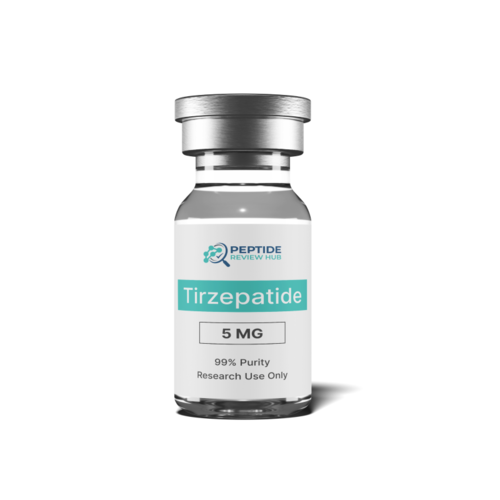
What is Tirzepatide?
This PRODUCT IS INTENDED AS A RESEARCH CHEMICAL ONLY. This designation allows the use of research chemicals strictly for in vitro testing and laboratory experimentation only. All product information available on this website is for educational purposes only. Bodily introduction of any kind into humans or animals is strictly forbidden by law. This product should only be handled by licensed, qualified professionals. This product is not a drug, food, or cosmetic and may not be misbranded, misused or mislabled as a drug, food or cosmetic.
Tirzepatide
Tirzepatide is a synthetic analogue of gastric inhibitory polypeptide (GIP) that was developed for its ability to stimulate insulin release and thus address both type 2 diabetes and non-alcoholic fatty liver disease. Made up of 39 amino acids, the relatively large Tirzepatide stimulates the release of insulin from the pancreas by binding to both GIP and GLP-1 (glucagon-like peptide-1) receptors. Taken over longer periods of time, Tirzepatide increases adiponectin levels by as much as 26% as well[1]. Research shows that Tirzepatide reduces feelings of hunger, lowers insulin levels, and increases insulin sensitivity. Taken together, these effects cause significant weight loss of 11 kg (25 lbs), improve glucose tolerance, decrease fat (adipose) tissue, and reduce cardiovascular risk.
Tirzepatide Structure
Amino Acid Sequence: YE-Aib-GTFTSDYSI-Aib-LDKIAQ (C20 fatty acid) AFVQWLIAGGPSSGAPPPS Note: Aib is a non-coded (non-proteinogenic) amino acid – H2H-C(CH3)2-COOH Molecular Formula: C225H348N48O68 Molecular Weight: 4813.527 g/mol PubChem CID: 156588324 CAS Number: 2023788-19-2 Synonyms: P1206, LY3298176
What Does Tirzepatide Do?
Simply put, Tirzepatide increases the release of insulin from the pancreas resulting in improved glucose control. Research shows that, in individuals with Type 2 diabetes, Tirzepatide decreases hemoglobin A1c (HbA1c) levels by 2.4% after six months. The peptide also appears to aid in weight loss, showing a dose-dependent relationship and helping individuals lose as much as 11 kg (25 lbs) over six months[1], [2].
It isn’t just that Tirzepatide increases insulin release though. Research suggests that the peptide actually improves the function of pancreatic beta cells, the cells that make and release insulin. Studies suggest that Tirzepatide may actually make beta cells more effective at processing insulin, which leads not just to increases in insulin levels in the bloodstream, but decreased stress on the beta cells themselves. This may, in turn, help to slow the progressive nature of type 2 diabetes.
Research shows that Tirzepatide doesn’t just increase insulin levels at random though. It appears to do so only in response to increased blood glucose levels. During fasting, Tirzepatide actually decreases insulin levels and thus helps to increase insulin sensitivity over time. It also decreases fasting levels of glucagon, which are thought to exacerbate hyperglycemia by interfering with hepatic glucose metabolism. Overall, these changes are a big part of the reason Tirzepatide has a profound effect on glucose and, ultimately, HbA1c levels[3].
How Does Tirzepatide Work?
Tirzepatide is a dual agonist of the gastric inhibitory polypeptide receptor and the glucagon-like peptide-1 receptor. Action at these receptors appears to have synergistic effects that make Tirzepatide more effective than strict GLP-1 agonists that are already approved for the treatment of type 2 diabetes. The affinity of Tirzepatide for the GIP receptor is greater than its affinity for the GLP-1 receptor.
Gastric inhibitory polypeptide, which is also referred to as the glucose-dependent insulinotropic polypeptide, is synthesized naturally in the small intestine. This polypeptide binds to the GIP receptor to inhibit gastric acid secretion and gastrin release while stimulating insulin release. The latter is the primary function of GIP-R and is the primary reason that insulin levels increase following a meal.
Glucagon-like peptide-1 receptors are found on beta cells as well as in neurons in the brain. Like GIP-R, stimulation of GLP-1R stimulates the release of insulin. Natural agonists include glucagon and GLP1, but it has also been shown to bind nearly a dozen synthetic agonists including dulaglutide, lithium, and oxyntomodulin. Activation of GLP-1R increases both insulin synthesis and insulin release, factors that have made it a desirable target in drug development. In the brain, GLP-1R stimulation lowers appetite.
Interestingly, stimulation of GLP-1R appears to increase beta cell density in the pancreas. GLP-1R stimulation increases expression of the anti-apoptotic bcl-2 gene while reducing expression of pro-apoptotic bax and caspase-3 genes. This leads to enhanced beta cell survival and, ultimately, to increased levels of insulin[4].
The combination of GIPR and GLP-1R activity is what gives Tirzepatide an edge over strict GLP-1R agonists. Research shows that Tirzepatide acts identically to GIP at the GIPR, but favors cAMP production over β-arrestin recruitment when acting at the GLP-1R. These details may seem esoteric to some extent, but this difference in activity from endogenous GLP-1 appears to cause GLP-1R activation without increasing physiological internalization of the receptor. The net result is enhanced GLP-1R activity with Tarazepide compared to both endogenous GLP-1 as well as other synthetic GLP-1R agonists[5]. These slight alterations mean that Tirzepatide drastically enhances insulin secretion, promotes feelings of satiety, and reduces inflammation in adipose tissue. These combined effects make it a highly efficacious anti-diabetes peptide.
Finally, Tirzepatide appears to alter adiponectin levels, raising overall levels of the fat-burning peptide. Increased levels of adiponectin reduce fat cell differentiation and increase energy expenditure by making mitochondria more inefficient. A low level of this peptide hormone has been implicated in diseases such as type 2 diabetes, atherosclerosis, and non-alcoholic fatty liver disease[6]. It is worth noting that elevated adiponectin levels elevate insulin sensitivity, so it would appear that Tirzepatide modulates insulin sensitivity via several mechanisms.
Tirzepatide and Hunger
Research shows that Tirzepatide delays gastric emptying during the earliest phases of its administration but that the effect diminishes over time as a result of tachyphylaxis[7]. These effects are similar to those seen with pure GLP-1R agonists, indicating that this action of Tirzepatide is almost completely controlled by its GLP-1 activity and not at all by its GIP activity.
It appears that the effects of Tirzepatide on gastric emptying can be prolonged if the peptide is taken at a low dose for four weeks and then the dose is escalated. This also helps to mitigate side effects caused by the peptide and creates a veritable win-win for patients. Delayed gastric emptying can help to increase feelings of satiety and reduce hunger as well as food cravings. Combined with the effects Tirzepatide has on glucose levels, this can actually help to alter eating patterns over the long term.
Tirzepatide and Weight
As noted above, Tirzepatide use is associated with substantial weight loss over a six-month time interval. A comparison of Tirzepatide to other GLP-1 analogues, like degludoc, indicates a striking difference. Whereas Tirzepatide causes a dose-dependent decrease in weight over time, degludoc and other GLP-1R agonists cause weight gain[12].
It appears that the GIP agonism cause by Tirzepatide is what is responsible for the peptide’s long-term effects on weight. GIP appears to directly impact the insulin-sensitivity of adipocytes, which is likely the mechanism by which Tirzepatide impacts adiponectin levels. In short, Tirzepatide activates GIP receptors in fat cells, which then leads to an increase insulin sensitivity. This, in turn, leads to a reduction in adipose inflammation as well as an increase in adiponectin levels and the associated benefits. This isn’t the whole picture, however.
Research shows that GIP signaling in the central nervous system regulates hypothalamic feeding centers leading to decreased food intake and improved glucose handling. This, in turn, leads to decreased body weight[13]. Thus, it appears that Tirzepatide impacts weight via adiponectin signaling directly in adipose tissue and via CNS alterations that reduce hunger levels via GIPR signaling in the brain.
Tirzepatide and the Heart
As noted, Tirzepatide alters adiponectin levels. Low adiponectin has been associated with atherosclerosis, obesity, and heart disease while increased adiponectin levels have been associated with decrease risk of all of these things. Research in humans with type 2 diabetes has shown that Tirzepatide improves lipoprotein biomarkers, lowering levels of triglycerides, apoC-III, and a handful of other lipoproteins[8]. Combined, these effects mean reduced risk of heart disease as a likely result of decreased adiposity. Research shows that increased adiponectin levels increase HDL levels while decreasing triglyceride levels, both of which are associated with lower risk of heart disease. The peptide hormone appears to go further though, reducing scavenger receptors in macrophages and increasing the levels of cholesterol efflux to greatly protect against atherosclerosis. Increases in adiponectin levels have been associated with improved nutrition, exercise, and the use of certain lipid-lowering medications[9]. It appears that Tirzepatide has similar beneficial effects.
Research shows that GLP-1 is important in both the direct regulation of cardiovascular risk factors such as hypertension, dyslipidemia, and obesity as well as in the indirect regulation of risk factors like inflammation and endothelial cell dysfunction[10]. The former effects are discussed above and below in relationship to adiponectin. The effects on inflammation and endothelial function, however, appear to be mediated more directly.
In the case of endothelial function, GLP-1 signaling has been shown to induce relaxation of blood vessels leading to decreased blood pressure and enhanced end organ perfusion. This effect appears to result from increased expression of eNOS, the enzyme that generates nitric oxide and induces vascular relaxation. Interestingly, these effects appear to be enhanced in the setting of preexisting cardiovasulcar disease and diabetes[10].
Of course, it is well known that inflammation is directly correlated with atherosclerosis. The details are still being worked out, but GLP-1 signaling appears to decrease inflammation via a handful of mechanisms including reduced NF-κB signaling, decreased MMP-9 activity, inhibited inflammatory cytokine synthesis, and decreases in inflammatory macrophage activity. What is more, these effects appear to last as long as three months after a single dose of a GLP-1R agonist like Tirzepatide[10]. Tirzepatide is undergoing a clinical trial to further evaluate its medium-term effects on individuals with heart failure[11].
Tirzepatide Summary
Tirzepatide is a synthetic derivative of gastric inhibitory polypeptide (GIP) that has simultaneous glucagon-like peptide-1 (GLP-1) functionality as well. This combination allows Tirzepatide to lower blood glucose levels, increase insulin sensitivity, boost feelings of satiety, and accelerate weight loss. Tirzepatide was developed to fight type 2 diabetes, but has additionally been shown to protect the cardiovascular system and act as a potent weight loss agent.
Article Author
The above literature was researched, edited and organized by Dr. E. Logan, M.D. Dr. E. Logan holds a doctorate degree from Case Western Reserve University School of Medicine and a B.S. in molecular biology.
Where to Buy Tirzepatide Online
| Rank | Vendor | Trust Score | Vial Size | Price / mg | Status | Action |
|---|---|---|---|---|---|---|
1 |  Peptide Hubs Verified | 9.0/10 Editorial Rating | $30.00 5mg vial | $6.00/mg | In Stock | Visit Site |
2 | 7.6/10 Editorial Rating | $165.00 60mg vial | $2.75/mg | In Stock | Visit Site | |
3 | 4.0/10 Editorial Rating | $169.95 10mg vial | $16.99/mg | In Stock | Visit Site | |
4 |  Redrockpeptides Verified | N/A/10 Editorial Rating | $152.00 30mg vial | $5.07/mg | In Stock | Visit Site |
5 | N/A/10 Editorial Rating | $99.00 10mg vial | $9.90/mg | In Stock | Visit Site | |
6 | N/A/10 Editorial Rating | $2508.00 100mg vial | $25.08/mg | In Stock | Visit Site | |
7 | N/A/10 Editorial Rating | $51.70 10mg vial | $5.17/mg | In Stock | Visit Site | |
8 | N/A/10 Editorial Rating | $375.00 10mg vial | $37.50/mg | In Stock | Visit Site | |
9 | N/A/10 Editorial Rating | $70.00 10mg vial | $7.00/mg | In Stock | Visit Site | |
10 | N/A/10 Editorial Rating | $999.00 120mg vial | $8.32/mg | In Stock | Visit Site | |
11 | N/A/10 Editorial Rating | $95.00 30mg vial | $3.17/mg | In Stock | Visit Site | |
12 | N/A/10 Editorial Rating | $90.00 10mg vial | $9.00/mg | In Stock | Visit Site | |
13 | N/A/10 Editorial Rating | $57.00 10mg vial | $5.70/mg | In Stock | Visit Site | |
14 | N/A/10 Editorial Rating | $58.00 20mg vial | $2.90/mg | In Stock | Visit Site | |
15 | N/A/10 Editorial Rating | $70.00 10mg vial | $7.00/mg | In Stock | Visit Site | |
16 | N/A/10 Editorial Rating | $36.00 30mg vial | $1.20/mg | In Stock | Visit Site |












Top-Ranked Vendor
Peptide Hubs Review (2026): COA Transparency, Reputation, Pricing, Policies & Shipping Analysis
Review Methodology: This review is based on publicly available information from the official Peptide Hubs website, independent review platforms, and third-party sources available at the time of writing. All findings are presented objectively and unsupported claims have not been included.
Brand Overview
Company Name
Peptide Hubs
Website
Industry
Research Peptides & Research Chemicals
Main Products
Research Peptides
GLP-1 Research Compounds
Growth Hormone Releasing Peptides
Recovery Peptides
Cosmetic Peptide Products
Research Blends
Research Serums
Headquarters
The website references New York (NY 11784, United States). A specific corporate headquarters address could not be independently verified. [peptidehubs.com], [peptidehubs.com]
Shipping Regions
United States
International Shipping Available
Payment Methods
Information Not Publicly Available.
Company Summary
About Peptide Hubs
Peptide Hubs positions itself as a supplier of research peptides and research-related compounds intended exclusively for laboratory and scientific research purposes. The company states that it partners with manufacturers operating under WHO/GMP and ISO 9001:2015 standards while providing third-party tested research compounds and Certificates of Analysis (COAs). [peptidehubs.com], [peptidehubs.com]
The company's catalog includes a broad range of products commonly used in peptide research, including BPC-157, TB-500, Semaglutide, Retatrutide, Ipamorelin, Cagrilintide, NAD+, Epitalon, and numerous blends and specialty products. The website also emphasizes independent quality testing, secure ordering, and global shipping availability. [peptidehubs.com], [peptidehubs.com]
According to domain information referenced by third-party sources, the peptidehubs.com domain was registered in March 2025, making it a relatively new entrant compared to some long-established peptide vendors. [scam-detector.com]
The company promotes third-party testing, competitive pricing, free shipping on larger orders, and research-use-only compliance. However, some details regarding company ownership, executive leadership, and extensive third-party consumer review history remain limited in publicly available sources. [peptidehubs.com], [peptidehubs.com]
COA Transparency Review
Score: 8.5/10
Analysis
Peptide Hubs places significant emphasis on product testing and transparency. The company states that products undergo third-party testing and that Certificates of Analysis (COAs) are provided. It also highlights WHO/GMP manufacturing partnerships and purity verification through independent quality testing. [peptidehubs.com], [peptidehubs.com]
The website specifically states that Certificates of Analysis are available and that products are third-party tested for purity. Product pages and company information repeatedly reference analytical verification and product documentation. [peptidehubs.com], [peptidehubs.com]
The primary limitation is that COAs are not always immediately visible from every product page before purchase, and actual batch reports appear to require customer access or request-based retrieval. While transparency is stronger than many smaller competitors, greater public access to batch-specific reports would improve confidence.
Overall, Peptide Hubs demonstrates a higher-than-average commitment to testing transparency compared with many newer peptide vendors.
Score: 8.5/10
Sources:
Reputation Review
Score: 6.5/10
Analysis
Reputation is currently one of the more difficult categories to assess due to limited third-party review volume.
A dedicated Trustpilot business profile for Peptide Hubs was not located during research, meaning a verified Trustpilot score could not be confirmed. [uk.trustpilot.com]
Independent review coverage exists on niche industry websites. One review noted strong marks for product quality, shipping speed, product selection, and packaging, while also describing the company as a legitimate research peptide supplier. However, this represents editorial commentary rather than a large-scale consumer review dataset. [steroids.reviews]
Scam Detector currently assigns peptidehubs.com a medium trust score of 55.5/100 and notes the domain was registered in March 2025, indicating a relatively young online presence. [scam-detector.com]
The lack of extensive customer review history across major independent review platforms prevents a higher score despite positive indicators from the website itself.
Score: 6.5/10
Sources:
https://www.scam-detector.com/validator/peptidehubs-com-review/ [scam-detector.com]
https://www.steroids.reviews/peptide-hubs [steroids.reviews]
Pricing Review
Score: 9/10
Analysis
Pricing appears to be one of Peptide Hubs' strongest competitive advantages.
Examples from the product catalog show aggressive pricing across popular peptide categories:
BPC-157 5mg: $15
TB-500 5mg: $24
PT-141 10mg: $18
Semax 10mg: $21
Tirzepatide 5mg: $36
The site also markets frequent discounts, with many products listed at approximately 40% off standard retail pricing. [peptidehubs.com]
The company additionally offers:
Free shipping on orders above $599
Promotional pricing
Sale pricing across multiple product categories
[peptidehubs.com], [peptidehubs.com]
A publicly visible loyalty program was not identified during research, which prevents a perfect score. However, overall pricing compares favorably with industry averages.
Score: 9/10
Sources:
Policies Review
Score: 7.5/10
Analysis
Peptide Hubs maintains publicly accessible Terms of Use and policy pages. The company clearly states that all products are sold for research purposes only and includes comprehensive legal disclaimers. [peptidehubs.com], [peptidehubs.com]
Positive elements include:
Transparent research-use-only disclosures
Order cancellation provisions
Refund handling documentation
Product availability explanations
However, several policy areas could be improved:
Refund eligibility details are somewhat limited
Return process lacks extensive procedural guidance
No satisfaction guarantee identified
Some policy wording appears generalized
While policies are available and reasonably transparent, they are not as detailed as those offered by larger industry leaders.
Score: 7.5/10
Sources:
Shipping Review
Score: 8.5/10
Analysis
Peptide Hubs publicly discloses shipping information with greater transparency than many competitors.
Published shipping details include:
Domestic U.S. delivery: 4-5 business days
International delivery: 13-15 business days
Free shipping above $600
Flat-rate shipping options
International shipping support
The company also promotes secure and discreet shipping practices. Independent reviews have additionally referenced fast delivery and secure packaging. [steroids.reviews], [peptidehubs.com]
Tracking information appears to be available through account management and order tracking systems. [peptidehubs.com]
The only factor preventing a higher rating is limited independent verification from high-volume review sources regarding delivery consistency.
Score: 8.5/10
Sources:
https://peptidehubs.com/page/about-peptide-hubs [peptidehubs.com]
https://www.steroids.reviews/peptide-hubs [steroids.reviews]
Catalog Review
Score: 9/10
Analysis
Peptide Hubs offers a substantial catalog of research compounds.
Product categories include:
Recovery Peptides
Growth Hormone Peptides
GLP-1 Research Compounds
Research Blends
Research Serums
Cosmetic Peptides
Specialty Research Products
The catalog includes many popular products researchers commonly seek, including:
BPC-157
TB-500
Semaglutide
Retatrutide
Cagrilintide
Ipamorelin
Epitalon
Semax
PT-141
Catalog organization is straightforward and product coverage is broad. The company compares favorably with many mid-sized peptide vendors.
Score: 9/10
Sources:
Overall Score
Overall Score: 8.2/10
Calculation:
COA Transparency: 8.5
Reputation: 6.5
Pricing: 9.0
Policies: 7.5
Shipping: 8.5
Catalog: 9.0
Average: 8.2/10
What We Like
Strengths
Third-party testing is prominently emphasized.
Certificates of Analysis are available for products.
Broad catalog covering numerous peptide categories.
Competitive pricing across popular products.
Free shipping threshold available.
Domestic and international shipping options.
Detailed research-use-only disclosures.
WHO/GMP and ISO-related manufacturing claims disclosed.
What Could Be Better
Areas for Improvement
Limited verified Trustpilot presence.
Relatively young domain and operating history.
Public access to batch-specific COAs could be easier.
More detailed refund and replacement policies would improve transparency.
Additional independent review volume would strengthen confidence.
Corporate leadership information is not prominently disclosed.
Online Ratings & Reviews
Trustpilot
Rating
Information Not Publicly Available
Review Count
Information Not Publicly Available
Key Positive Themes
Information Not Publicly Available
Key Negative Themes
Information Not Publicly Available
Finnrick
Rating
No verified Finnrick vendor rating for Peptide Hubs could be located during research. [finnrick.com], [finnrick.com]
Key Findings
Information Not Publicly Available
Notable Observations
Peptide Hubs does not appear among publicly visible Finnrick vendor leaderboards reviewed during research. [finnrick.com], [finnrick.com]
Other Review Sources
Scam Detector
Trust Score: 55.5/100
Classification: Medium Trust / Proceed With Caution
Domain Registration: March 2025
Steroids.Reviews
Editorial Score: 4.3/5
Positive feedback regarding product quality, packaging, shipping, and catalog depth.
Overall Public Sentiment
Current sentiment appears generally positive but limited in volume.
Most Common Praise
Product selection
Pricing
Shipping speed
Packaging quality
Lab testing transparency
[steroids.reviews], [peptidehubs.com]
Most Common Complaints
Limited operating history
Lack of extensive third-party review data
Need for stronger independent reputation verification
Final Verdict
Conclusion
Peptide Hubs appears to be a promising research peptide supplier that focuses heavily on competitive pricing, broad product availability, and transparency regarding testing and quality assurance. The company publicly states that products undergo third-party testing and that Certificates of Analysis are available, both of which are positive indicators for research purchasers. [peptidehubs.com], [peptidehubs.com]
The strongest areas are pricing, catalog depth, shipping transparency, and quality-related claims. Researchers seeking a large selection of peptides at competitive prices will likely find the platform appealing. [peptidehubs.com], [peptidehubs.com]
The largest weakness is reputation maturity. Because the domain was registered in 2025 and verified review volume remains relatively limited, Peptide Hubs has not yet built the long-term reputation profile enjoyed by more established industry vendors. [scam-detector.com]
Overall, based strictly on publicly available information, Peptide Hubs demonstrates several positive trust indicators, but researchers should still perform standard due diligence, verify COAs before purchase, and monitor independent review platforms as additional customer feedback becomes available.
Final Rating: 8.2/10
Chemical Properties & Handling
Standard storage protocols for lyophilized peptides generally apply unless otherwise specified.
- Lyophilized (Powder): Store at -20°C for up to 3 years. Keep away from direct light and moisture.
- Reconstituted (Liquid): Store at 2-8°C (refrigerated) and use within 20-30 days to maintain stability.
Research Reviews
No Research Reviews Yet
Be the first to share your research protocol and vendor experience with Tirzepatide.
Best Tirzepatide Vendors & Price Comparison
Tirzepatide is a dual GIP and GLP-1 receptor agonist peptide that has become one of the most extensively researched metabolic peptides in modern endocrinology, obesity research, glucose regulation, cardiovascular science, and metabolic disease studies. Researchers investigate Tirzepatide because of its unique ability to activate both glucose-dependent insulinotropic polypeptide (GIP) and glucagon-like peptide-1 (GLP-1) receptor pathways.
As interest in metabolic and incretin-based peptide research continues to expand, researchers frequently compare Tirzepatide suppliers based on purity, analytical testing, manufacturing quality, pricing, and supplier transparency.
This Tirzepatide Vendor Price Comparison Guide helps researchers evaluate suppliers using objective criteria including:
Product Pricing
Cost Per Milligram
Product Purity
Third-Party Testing
Certificate of Analysis (COA)
Vendor Reputation
Customer Reviews
Shipping Performance
Product Availability
Overall Value
Whether you're searching for the lowest-priced Tirzepatide supplier, the highest-purity research-grade material, or vendors offering extensive laboratory verification, this guide provides a framework for comparing research peptide suppliers.
Explore Tirzepatide Vendors by Criteria
Most Popular Tirzepatide Vendors
Compare suppliers frequently selected by metabolic and endocrinology researchers.
Highest Reviewed Vendors
Discover peptide suppliers with strong customer satisfaction and positive marketplace reputations.
Lowest Price Vendors
Identify suppliers offering competitive pricing and favorable cost-per-milligram value.
Highest Purity Vendors
Review suppliers providing transparent purity verification and analytical testing.
Best Value Vendors
Compare pricing, testing standards, documentation quality, and customer support.
Fastest Shipping Vendors
Evaluate shipping reliability, packaging quality, and fulfillment performance.
Newly Listed Vendors
Explore recently added suppliers offering Tirzepatide research peptides.
What Is Tirzepatide?
Overview
Tirzepatide is a synthetic peptide analogue engineered to function as both a GIP receptor agonist and a GLP-1 receptor agonist.
Researchers investigate Tirzepatide because of its relationship with:
Glucose metabolism
Insulin signaling
Appetite regulation
Energy balance
Adipose-tissue biology
Cardiovascular physiology
Metabolic adaptation
Incretin signaling
Tirzepatide remains one of the most prominent peptides in metabolic research.
Molecular Characteristics
Peptide Information
Researchers evaluating Tirzepatide products should carefully review analytical documentation and molecular specifications.
Peptide Name
Tirzepatide
Alternative Names
LY3298176
P1206
Classification
Dual GIP/GLP-1 Receptor Agonist
Research Category
Metabolic & Endocrine Research
Amino Acid Sequence
YE-Aib-GTFTSDYSI-Aib-LDKIAQ-(C20 Fatty Acid)-AFVQWLIAGGPSSGAPPPS
Molecular Formula
C225H348N48O68
Molecular Weight
4813.527 g/mol
PubChem CID
156588324
CAS Number
2023788-19-2
Product Format
Lyophilized Peptide Preparation
Why Researchers Study Tirzepatide
Tirzepatide has generated intense scientific interest because of its broad influence on metabolic regulation.
Researchers investigate pathways involving:
Insulin secretion
Glucose handling
Appetite regulation
Body-weight regulation
Energy metabolism
Cardiovascular signaling
Its dual-receptor mechanism distinguishes it from many other metabolic peptides.
How Tirzepatide Works
Dual Agonist Activity
Tirzepatide was engineered to activate both:
GIP Receptors
Researchers study GIP-related pathways involving:
Insulin signaling
Glucose regulation
Adipocyte biology
Metabolic communication
Energy balance
GLP-1 Receptors
Researchers investigate GLP-1 pathways involving:
Appetite regulation
Satiety signaling
Glucose metabolism
Endocrine communication
Pancreatic signaling
The dual activation profile remains a primary focus of Tirzepatide research.
Tirzepatide & Metabolic Research
Glucose Regulation
One of the principal areas of Tirzepatide research involves metabolic control mechanisms.
Researchers investigate pathways involving:
Blood-glucose regulation
Insulin secretion
Glucose utilization
Metabolic homeostasis
Endocrine signaling
This remains the central area of scientific investigation.
Insulin Sensitivity Research
Researchers continue examining pathways involving:
Insulin responsiveness
Cellular glucose uptake
Metabolic adaptation
Pancreatic function
Endocrine regulation
Further studies remain ongoing.
Key Areas of Tirzepatide Research
Appetite & Satiety Research
Researchers investigate Tirzepatide because of its relationship with:
Satiety signaling
Feeding behavior
Energy intake regulation
Neuroendocrine communication
Metabolic adaptation
This remains one of the most active areas of investigation.
Body Composition Research
Scientists continue studying pathways involving:
Adipose-tissue biology
Body-weight regulation
Fat metabolism
Energy utilization
Nutrient partitioning
Additional research remains ongoing.
Adiponectin Research
Researchers continue exploring pathways involving:
Adiponectin signaling
Metabolic regulation
Fat-cell communication
Energy balance
Insulin sensitivity
This area has generated substantial scientific interest.
Pancreatic Function Research
Research involving Tirzepatide frequently examines:
Beta-cell biology
Insulin production pathways
Cellular resilience
Endocrine communication
Metabolic adaptation
Further studies continue to expand understanding in this area.
Energy Expenditure Research
Scientists investigate relationships involving:
Caloric utilization
Metabolic efficiency
Mitochondrial function
Nutrient signaling
Physiological adaptation
Interest in these pathways continues to grow.
Tirzepatide & Cardiovascular Research
Cardiovascular Health
Researchers investigate Tirzepatide because of its relationship with:
Cardiovascular signaling
Vascular biology
Metabolic risk factors
Lipoprotein regulation
Endothelial function
Research remains active in this field.
Endothelial Function Research
Studies continue exploring pathways involving:
Blood-vessel communication
Nitric-oxide signaling
Vascular adaptation
Circulatory health
Endothelial regulation
Additional investigations remain ongoing.
Inflammation Research
Researchers investigate metabolic inflammation involving:
Cytokine signaling
Adipose-tissue inflammation
Immune-metabolic communication
Cellular stress responses
Systemic inflammatory pathways
This remains a rapidly evolving area of study.
Tirzepatide & Weight Regulation Research
Gastric Emptying Research
Researchers continue examining pathways involving:
Digestive physiology
Satiety signaling
Nutrient absorption
Feeding behavior
Metabolic regulation
These mechanisms remain an important aspect of Tirzepatide research.
Central Nervous System Research
Scientists study pathways involving:
Hypothalamic signaling
Appetite regulation
Reward-associated food responses
Energy homeostasis
Neuroendocrine communication
Further investigation remains ongoing.
Why Researchers Compare Tirzepatide Vendors
Research reproducibility depends heavily on peptide quality and manufacturing consistency.
Differences among suppliers may include:
Product purity
Batch consistency
Stability testing
Manufacturing standards
Analytical verification
Product documentation
Storage procedures
Quality-control systems
Careful supplier selection may improve consistency and reliability across studies.
How We Compare Tirzepatide Vendors
Third-Party Laboratory Testing
Independent testing remains one of the strongest indicators of peptide quality.
Researchers should prioritize suppliers offering:
Third-party testing
Identity verification
Purity confirmation
Batch-specific reports
Certificate of Analysis (COA)
A quality COA should include:
Batch number
Analytical testing date
Purity percentage
Identity verification
Testing methodology
Product Purity
Purity remains one of the most important variables when evaluating research peptides.
Higher-purity materials generally contribute to improved reproducibility and experimental consistency.
Cost Per Milligram
Comparing vial prices alone may not accurately represent value.
Cost Per Milligram Formula
Product Price ÷ Total Milligrams = Cost Per Milligram
This metric helps standardize vendor comparisons.
Customer Reviews
Customer experiences often provide insight regarding:
Product consistency
Packaging quality
Shipping reliability
Customer support
Purchasing experience
Vendor Reputation
Established suppliers often demonstrate:
Transparent testing standards
Reliable quality-control procedures
Strong customer satisfaction
Consistent inventory availability
Product Quality & Analytical Testing
Why Testing Matters
Research-grade Tirzepatide products should undergo testing to verify:
Identity
Purity
Stability
Composition
Batch consistency
Common Testing Methods
High-Performance Liquid Chromatography (HPLC)
Used to evaluate purity and identify impurities.
Mass Spectrometry (MS)
Used to verify molecular identity and composition.
Identity Verification Testing
Confirms peptide authenticity.
Stability Testing
Evaluates peptide integrity under storage conditions.
Batch Consistency Testing
Measures reproducibility across manufacturing lots.
Understanding Tirzepatide Pricing
Several variables influence supplier pricing.
Product Purity
Higher-purity products typically command premium pricing.
Complex Manufacturing
Tirzepatide is a large peptide requiring advanced synthesis, modification, and purification procedures.
Analytical Verification
Comprehensive testing improves transparency while increasing manufacturing costs.
Research Demand
Growing interest in metabolic and obesity-related research contributes significantly to market demand.
Vendor Reputation
Established suppliers often charge more because of stringent quality-assurance standards.
Tirzepatide Vendor Evaluation Checklist
Quality Verification
✅ Third-party testing available
✅ Certificate of Analysis provided
✅ Identity verification documented
✅ Purity information disclosed
✅ Batch-specific testing available
✅ Stability information available
Vendor Reliability
✅ Positive customer reviews
✅ Transparent company information
✅ Responsive customer support
✅ Reliable inventory availability
Purchasing Experience
✅ Secure checkout process
✅ Shipment tracking available
✅ Clear refund policies
✅ Reliable order fulfillment
Red Flags When Comparing Vendors
Testing Concerns
❌ No third-party testing
❌ Missing COAs
❌ Unverified purity claims
❌ Missing identity verification
❌ Outdated laboratory reports
Transparency Issues
❌ Hidden specifications
❌ Missing batch information
❌ Limited analytical documentation
❌ No supplier contact information
Service Problems
❌ Frequent inventory shortages
❌ Poor communication
❌ Negative customer reviews
❌ Unclear shipping policies
Frequently Asked Questions
What is Tirzepatide?
Tirzepatide is a synthetic dual GIP and GLP-1 receptor agonist peptide investigated primarily in metabolic, endocrine, glucose-regulation, and cardiovascular research.
What is Tirzepatide used for in research?
Researchers investigate Tirzepatide in studies involving insulin signaling, glucose metabolism, appetite regulation, adipose-tissue biology, metabolic adaptation, cardiovascular physiology, and body-weight regulation.
Why compare Tirzepatide vendors?
Purity, laboratory testing, supplier reliability, documentation quality, and pricing can vary significantly among peptide vendors.
What should researchers review before purchasing?
Researchers should evaluate:
Certificate of Analysis (COA)
Third-party laboratory testing
Purity verification
Identity confirmation
Vendor reputation
Customer reviews
Why is third-party testing important?
Independent testing helps verify peptide identity, purity, composition, and batch consistency while improving research transparency and reproducibility.
Is the lowest-priced supplier always the best choice?
No. Product quality, testing standards, analytical verification, and supplier reliability are typically more important than price alone.
How often should vendor comparisons be updated?
Pricing, inventory levels, laboratory reports, and supplier policies can change frequently and should be reviewed periodically.
Final Thoughts
Tirzepatide remains one of the most important metabolic research peptides because of its dual GIP and GLP-1 receptor activity and its relationship with glucose regulation, insulin sensitivity, appetite signaling, adipose-tissue biology, cardiovascular physiology, and metabolic adaptation. Ongoing investigations continue to expand scientific understanding of incretin biology and energy-regulation pathways.
When comparing Tirzepatide vendors, researchers should prioritize purity verification, third-party analytical testing, Certificate of Analysis availability, supplier reputation, and overall value rather than focusing exclusively on cost. A structured vendor-comparison process can help identify suppliers capable of meeting rigorous research-quality standards.
Current Research & Evidence
Research evidence for Tirzepatide has not yet been added.
Key Findings on Tirzepatide Use
Key findings for Tirzepatide have not yet been added.
Related Peptides in Peptide
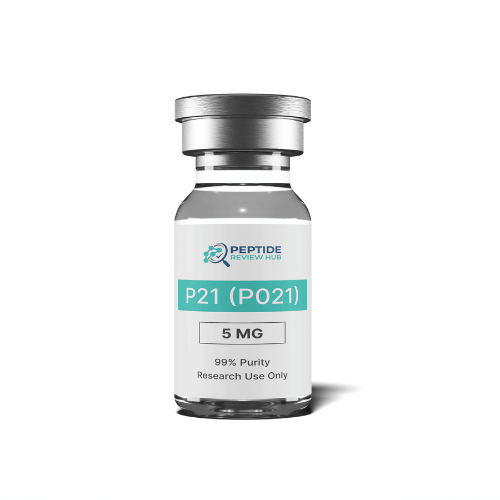
PT 21
PT-21 is an experimental research peptide investigated in controlled laboratory studies of cellular signaling, molecular pathways, tissue biology, and cellular responses. Supplied as a research material for qualified researchers, it is intended strictly for in vitro research and not for human or animal use.
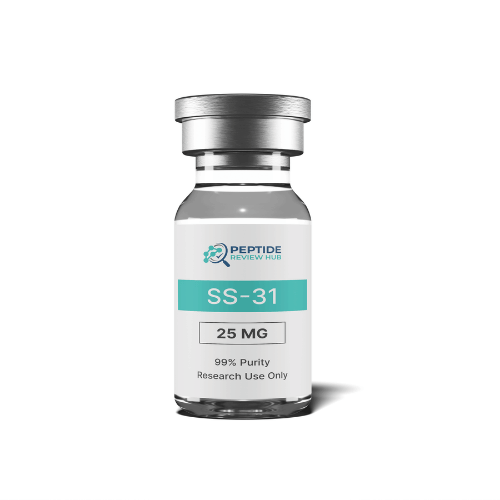
SS-31
SS-31, also known as elamipretide or MTP-131, is a synthetic mitochondria-targeted tetrapeptide studied in laboratory research involving cardiolipin interactions, mitochondrial respiration, oxidative stress, ATP production, and cellular energy metabolism.
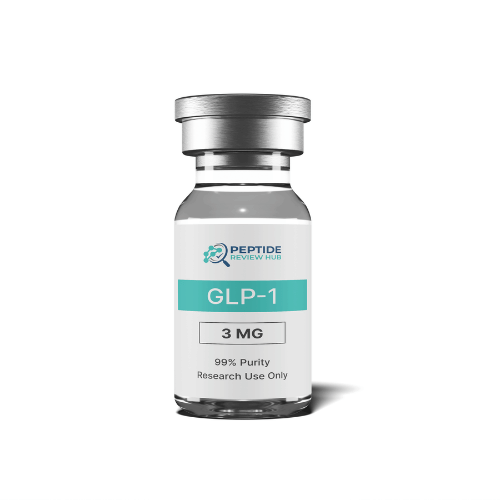
GLP-1
GLP-1 is a peptide hormone studied in research involving GLP-1 receptor signaling, cellular communication, metabolic biology, pancreatic pathways, and gastrointestinal research. It is intended strictly for laboratory research and not for human or animal consumption.
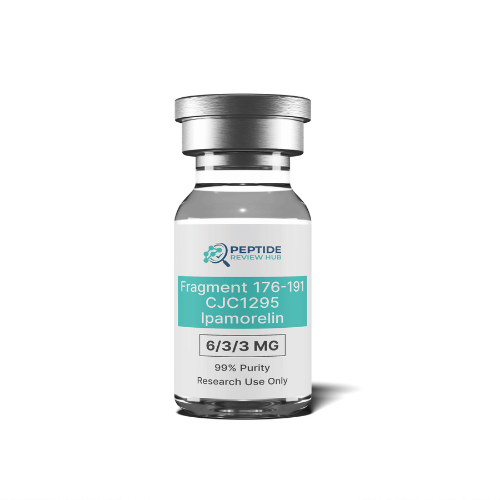
Fragment-176-191-CJC1295-Ipamorelin
Fragment-176-191-CJC1295-Ipamorelin is a research peptide blend combining Fragment 176-191, CJC-1295, and Ipamorelin for laboratory research into growth hormone signaling, metabolic pathways, adipose biology, and IGF-1-related mechanisms.