
Research Use Only. This compound is not intended for human consumption or therapeutic use.
Where to Buy Melanotan 1: Vendor Comparison & Research Info
Melanotan 1 is very similar to naturally occurring alpha melanocyte stimulating hormone alpha-MSH (Melanotan 2). Alpha-MSH is primarily known for its influence on melanocytes, the cells in skin and hair responsible for pigmentation. This function is mediated via strong binding to melanocortin receptor 1. Alpha-MSH is a non-selective full agonist of melanocortin receptors 1, 3, 4, and 5. Melanotan 1 differs from alpha-MSH (Melanotan 2) by a single amino acid and was actually first developed as a sunless tanning agent. Research into melanocortin receptors and their effects was relatively limited at the time and scientists quickly discovered that while melanotan 1 did indeed cause pigmentation, it also increases sexual arousal, boosted appetite, and altered baseline metabolism. Subsequent study of melanotan 1 and other melanocortin-binding proteins helped scientists to better understand the melanocortin signaling system.
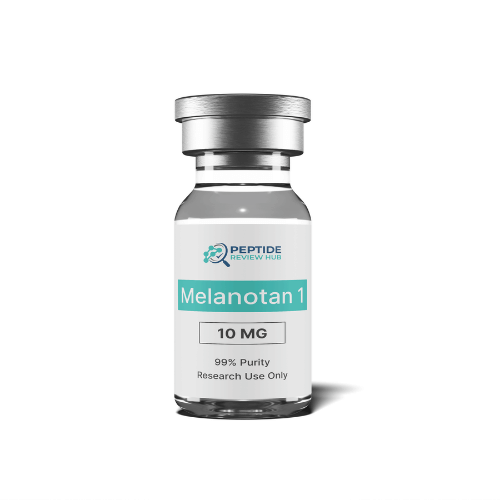
What is Melanotan 1?
This PRODUCT IS INTENDED AS A RESEARCH CHEMICAL ONLY. This designation allows the use of research chemicals strictly for in vitro testing and laboratory experimentation only. All product information available on this website is for educational purposes only. Bodily introduction of any kind into humans or animals is strictly forbidden by law. This product should only be handled by licensed, qualified professionals. This product is not a drug, food, or cosmetic and may not be misbranded, misused or mislabled as a drug, food or cosmetic.
What Is Melanotan 1?
Melanotan 1 is a synthetic analogue of alpha-melanotocyte stimulating hormone. It is used clinically, in Europe, to prevent sun-related skin damage (i.e. phototoxicity) from occurring in people suffering from erythropoietic protoporphyria. Though initially developed as a sunless tanning agent, melanotan 1 has been found to have a number of physiologic effects on blood pressure, feeding behavior, central nervous system function, and more. The peptide is in phase 3 clinical trials for the treatment of polymorphose light eruption and is in phase 2 clinical trials for the treatment of actinic keratosis (a specific type of skin damage caused by the sun) and its more serious counterpart, squamous cell carcinoma.
Melanotan 1 Structure
Sequence: Ser-Tyr-Ser-Nle-Glu-His-D-Phe-Arg-Trp-Gly-Lys-Pro-Val Molecular Formula: C78H111N21O19 Molecular Weight: 1646.874 g/mol PubChem CID: 16154396 CAS Number: 75921-69-6 Synonyms: Afamelanotide, Scenesse, CUV1657, MT-1
How Does Melanotan 1 Work?
Melanotan 1 is very similar to naturally occurring alpha melanocyte stimulating hormone (alpha-MSH). Alpha-MSH is primarily known for its influence on melanocytes, the cells in skin and hair responsible for pigmentation. This function is mediated via strong binding to melanocortin receptor 1. Alpha-MSH is a non-selective full agonist of melanocortin receptors 1, 3, 4, and 5.
Melanotan 1 differs from alpha-MSH by a single amino acid and was actually first developed as a sunless tanning agent. Research into melanocortin receptors and their effects was relatively limited at the time and scientists quickly discovered that while melanotan 1 did indeed cause pigmentation, it also increase sexual arousal, boosted appetite, and altered baseline metabolism. Subsequent study of melanotan 1 and other melanocortin-binding proteins helped scientists to better understand the melanocortin signaling system.
Melanotan 1 Research
Melanotan 1 Originally Designed for Sunless Tanning
MT-1 has been studied in phase 1 clinical trials for its effect on tanning in humans exposed to ultraviolet radiation. The research showed that subjects administered MT-1 were 75% more likely to tan and 47% less likely to experience sunburn. Compared to controls, subjects given melanotan 1 required 50% less exposure to ultraviolet light to achieve equivalent tanning. They also retained their tan for three weeks longer than those exposed only to UV light[1]. There is some thought among scientists that melanotan 1 could be used to boost tanning in high UV settings to protect against sunburn and the long-term effects of ultraviolet skin damage. This could be particularly useful in individuals with poor-tanning skin types (referred to as type I and type II by the Fitzpatrick scale).
Research in individuals with variant MC1 receptors shows that they are less likely to tan than the average individual. As it turns out, administration of melanotan 1 in this setting increases melanin density and tanning substantially, helping to protect people who do not tan well and are most in need of photoprotection[2]. These are individuals who get limited benefit from sunscreen and, in order to prevent skin cancer, must limit their sun exposure a great deal. This research could open pathways to better UV protection and reduce rates of skin cancer substantially.
There is also interest in using melanotan 1 to treat vitiligo. A small phase 1 trial showed that using melanotan 1 in conjunction with UVB light therapy stimulated both melanin production and the proliferation of the melanocytes that produce melanin. Nearly half of treated patients showed improved pigmentation of vitiligo lesions and a faster rate of repigmentation[3]. Research shows that combining melanotan 1 treatment with existing treatment modalities of vitiligo produces synergistic effects and improved aesthetic outcomes in shorter periods of time[4]. If successful in vitiligo treatment, there may be applications for melanotan 1 treatment in the setting of hypopigmented scars, etc.
Actinic keratosis, also called solar keratosis, is a crusty scaly growth of skin caused by overexposure to UV light. It is considered a precancerous lesion that will eventually lead to squamous cell carcinoma (one type of skin cancer) if left untreated. There are more than 400,000 cases every year. Though obvious lesions can be removed by a dermatologist or surgeon, the vast majority are so small that they cannot be seen or even felt. Melanotan 1 is being investigated as a possible first-line agent for treating these invisible lesions and for preventing their progression to full-blown skin cancer.
Melanotan-1 Research and Blood Pressure
Research in hypertensive (high blood pressure) mice has revealed that melanotan 1 can protect against high blood pressure without affecting animals that have normal blood pressure[5]. This is important because current blood pressure medications can cause hypotension, which can lead to loss of consciousness, stroke, heart attack, and more. This side effect of blood pressure medications is more common in the elderly, thanks in part to their labile physiology. The ability to regulate high blood pressure without causing significant lows makes melanotan 1 the perfect candidate for exploring further drug development.
Cognitive Decline, Alzheimer’s Disease, and Melanotan 1
Research in transgenic mice indicates that melanotan 1 may protect the brain against the kind of damage that leads to cognitive decline and Alzheimer’s disease. The study, which used a mouse model of moderate Alzheimer’s disease (AD), indicated that melanotan 1, even in minuscule doses, reduces the level of amyloid beta plaques in the brain, protects neurons from death, and improves clinical measures of cognitive function as well as laboratory measures of synaptic transmission. In the same study, blocking the effects of melanotan 1 at the MC4 receptor prevented all of the peptide’s favorable effects[6].
The benefit of melanotan 1 action at the MC4 receptor has been explored in other studies as well. Research, also in mice, shows that MC4 receptor stimulation can boost neurogenesis and lead to cognitive recovery in AD. It is one of the few studies to show improvement in the condition rather than simply slowing decline[7]. Once daily administration of MT-1 reduces levels of all AD-related biomarkers, indicating that the peptide actually works through multiple pathophysiological pathways[8].
The MC4 receptor is the only melanocortin receptor known to be expressed on astrocytes, the cells that protect neurons and provide them with nutrition. Research in rats indicates that melanotan 1 improves astrocyte functioning by increasing levels of brain-derived neurotrophic factor (BDNF)[9]. BDNF is critical to protecting synapse stability and neurogenesis in general.
Melanotan 1 and Functional Recovery Following Stroke
It isn’t just biomarkers in AD that improve following MT-1 treatment. Research in gerbil models of a stroke lasting ten full minutes reveals that treatment with nanomolar doses of melanotan 2 can reduce brain damage, including neuron death, and improve recovering of learning and memory. What is really exciting is that these effects are achieved even melanotan 1 is administered 9 hours after a stroke[10]. It is thought that MT-1 activates repair mechanisms that improve synaptic plasticity and promote long-lasting functional recovery by allowing the brain to reroute learning and memory to healthier areas. The lynch pin in this process appears to be expression of the Zif268 gene. Zif268 is over-expressed in animals given melanotan-1. The same gene is also over-expressed in the models of Alzheimer’s disease showing cognitive improvement.
Melanotan 1 Influences Heart and Circulation
Research in rats undergoing heart attack has shown that melanotan 1 and other melanocortins can help to reduce injury and improve circulatory parameters. Administration of MT-1 during CPR and in conjunction with epinephrine helps to restore baseline arterial pressure and heart rate, reverses metabolic acidosis, reduces inflammatory markers, and improves the expression of genes associated with cardiac function. Overall, the therapy improved survival rate by 81%, a substantial increase that may make melanotan 1 or a similar melanocortin a mainstay of emergency advanced cardiac life support[11].
Melanotan 1 Research and Neuroinflammatory Disease
Research on melanotan 1 has revealed that the MC1 receptor is responsible for pigmentation in skin and hair. For a long time it was thought that this was the receptor’s only function. Recent research in mice, however, has indicated that this receptor plays a role in mediating inflammation in the central nervous system. In multiple sclerosis, for instance, helper T cells cause loss of myelin on neurons, which in turn causes neuron dysfunction and even death. In mice, administration of melanotan 1 interferes with this process and prevents loss of meylin, thus preventing neuron damage. In fact, administration of MT-1 to these mice improved myelin recovery and helped to reestablish neuron signaling[12].
Similar effects as above are also seen in mouse models of uveitis, an inflammatory disorder of the eye that can cause pain and vision loss. Current treatments have a range of side effects, so scientists are constantly searching for alternatives to steroids and immunosuppressive drugs. Alpha-MSH acts to suppress T-cell function, a property mediated through the MC4 receptor and thus mimicked by MT-1[13]. Surprisingly, local administration of MC4 receptor agonists directly to the eye is as effective as systemic administration. This route of administration helps to eliminate systemic side effects.
Melanotan 1 Investigated in Fat Loss Trials
Melanotan 1 works on several melanocortin receptors, including the MC5 receptor. Stimulation of MC5R promotes the oxidation of fatty acids by muscle and shifts fat cells from fat storage to fat burning[14], [15]. These findings in mice also reveal that the fat burning caused by melanocortin stimulation is complex and involves several receptors and physiologic pathways. That said, melanotan 1 is useful to scientists wishing to explore how fatty acid metabolism can be altered and offers the tantalizing ability to boost baseline physiology without the need for exercise, which could be of tremendous benefit in individuals who are unable to exercise due to morbid obesity, disability, or injury.
About The Author
Research by L. Edmiston, M.D. for peptide Review Hub. L. Edmiston holds an M.D. from Case Western Reserve University School of Medicine and a B.S. in molecular biology.
Where to Buy Melanotan 1 Online
| Rank | Vendor | Trust Score | Vial Size | Price / mg | Status | Action |
|---|---|---|---|---|---|---|
1 |  Dragon Peptides Verified | 9.0/10 Editorial Rating | $50.00 10mg vial | $5.00/mg | Out of Stock | Visit Site |
2 | 8.7/10 Editorial Rating | $59.00 10mg vial | $5.90/mg | In Stock | Visit Site | |
3 |  Pure Peptide Labs Verified | 5.0/10 Editorial Rating | $24.95 10mg vial | $2.50/mg | In Stock | Visit Site |
4 |  Core Peptides Verified | 4.0/10 Editorial Rating | $43.00 10mg vial | $4.30/mg | In Stock | Visit Site |
5 | N/A/10 Editorial Rating | $55.00 10mg vial | $5.50/mg | In Stock | Visit Site | |
6 | N/A/10 Editorial Rating | $50.00 13mg vial | $3.85/mg | In Stock | Visit Site | |
7 | N/A/10 Editorial Rating | $39.00 10mg vial | $3.90/mg | In Stock | Visit Site | |
8 | N/A/10 Editorial Rating | $45.99 10mg vial | $4.60/mg | In Stock | Visit Site | |
9 | N/A/10 Editorial Rating | $175.00 10mg vial | $17.50/mg | In Stock | Visit Site | |
10 | N/A/10 Editorial Rating | $77.00 10mg vial | $7.70/mg | In Stock | Visit Site | |
11 | N/A/10 Editorial Rating | $45.00 10mg vial | $4.50/mg | In Stock | Visit Site | |
12 | N/A/10 Editorial Rating | $31.00 10mg vial | $3.10/mg | In Stock | Visit Site | |
13 | N/A/10 Editorial Rating | $29.99 10mg vial | $3.00/mg | In Stock | Visit Site | |
14 | N/A/10 Editorial Rating | $44.00 10mg vial | $4.40/mg | In Stock | Visit Site | |
15 | N/A/10 Editorial Rating | $85.00 10mg vial | $8.50/mg | In Stock | Visit Site | |
16 | N/A/10 Editorial Rating | $71.99 10mg vial | $7.20/mg | In Stock | Visit Site |












Top-Ranked Vendor
Dragon Peptides Review & Business Profile
Research date: September 28, 2026
Brand reviewed: Dragon Peptides
Website: dragon-peptides.to
Research note: I found several similarly named peptide businesses and domains, including Drakon Peptides. I excluded those from the assessment. The findings below relate specifically to dragon-peptides.to. Where information could not be independently verified, I have marked it accordingly.
Executive Scorecard
CategoryScoreCOA Transparency5/10
Reputation2/10
Pricing8/10
Policies5/10
Shipping6/10
Catalog8/10
Overall5.7/10
Overall Score: 5.7/10
1. COA Transparency — 5/10
Dragon Peptides makes several strong quality claims on its website, including 99% purity, independent quality testing, third-party purity testing and availability of Certificates of Analysis. Individual product pages also describe products as “lab tested” and repeatedly state that COAs are provided. (DRAGON-PEPTIDES.TO)
However, the major limitation is public verifiability. During this review, I could not locate a clearly organized, publicly accessible COA library showing batch numbers, laboratory names, testing dates and downloadable original reports for the catalog. The website's own content therefore establishes that Dragon Peptides claims to conduct testing, but does not provide enough easily accessible documentation to independently verify testing frequency or batch-by-batch results. Finnrick, an independent peptide-testing database, also did not return a Dragon Peptides vendor profile or test record in the searches conducted. (Finnrick)
Assessment: The testing claims are visible, but the supporting documentation could be considerably more transparent.
2. Reputation — 2/10
The publicly verifiable independent reputation footprint for dragon-peptides.to is limited. I could not verify a Trustpilot profile or Finnrick rating specifically for this domain, and I found no reliable Google Reviews or BBB profile attributable to the same brand/domain.
A third-party Trustprofile page for dragon-peptides.to currently displays an “Unsafe domain reported” warning and references a ScamAdviser report. (Trustprofile) Gridinsoft separately assigns the domain a 4/100 automated trust score and classifies it as “Suspicious Website.” Importantly, Gridinsoft says its assessment is based on automated technical/content signals and limited independent reputation data; it is not equivalent to verified customer-review evidence. (Gridinsoft LLC)
The website itself contains customer reviews on product pages, with positive comments about shipping, packaging and product quality, but these are first-party reviews hosted by the seller, so they should not be weighted the same as independent review-platform feedback. (DRAGON-PEPTIDES.TO)
Assessment: The principal weakness is the lack of a substantial, independently verifiable review history.
3. Pricing — 8/10
Dragon Peptides publishes prices directly on its catalog, with currently displayed products ranging approximately from $20 to $120. The site also prominently advertises 40% discounts on numerous products. Examples include BPC-157 5mg at $24, CJC-1295 DAC 5mg at $39, Ipamorelin 5mg at $27, Selank 10mg at $27 and TB-500 10mg at $27. (DRAGON-PEPTIDES.TO)
These prices appear competitive against publicly listed research-peptide prices. For example, a February 2026 market survey cited CJC-1295 DAC prices of approximately $8.40–$14 per mg among surveyed vendors, while Dragon Peptides' listed $39 price for 5mg equates to $7.80/mg before considering any additional promotion. (Peptide Commons)
The site also states that bulk-order pricing can be adjusted according to its bulk-discount policy. (DRAGON-PEPTIDES.TO)
There is no clearly documented loyalty/rewards program that I could independently verify.
Assessment: Pricing is one of the site's stronger commercial features, although discount terminology should be interpreted against the actual checkout price rather than the advertised percentage.
4. Policies — 5/10
Dragon Peptides provides dedicated pages for Terms of Use and Refunds & Returns, which is a positive transparency signal. The current refund page states that orders can be cancelled before shipment and that shipped products generally cannot be returned. Damaged, incorrect or missing orders may qualify for a refund or replacement following verification. (DRAGON-PEPTIDES.TO)
However, there are some policy inconsistencies. The current refund page describes a specific refund framework, while the Terms of Use contain additional and sometimes different operational rules concerning cancellations, lost packages, damaged products, seized shipments and reshipments. The Terms page also states that products are tested before receipt and that quality issues should be reported through a support ticket. (DRAGON-PEPTIDES.TO)
The homepage currently advertises a 60-day money-back guarantee, but the dedicated refund policy appears considerably narrower, limiting refunds primarily to verified shipping errors or product damage. (DRAGON-PEPTIDES.TO)
Assessment: Policies are available, but they would benefit from consolidation and clearer alignment.
5. Shipping — 6/10
Dragon Peptides provides unusually detailed shipping information. Its current shipping page states that the company offers U.S. domestic fulfillment at approximately five days, international fulfillment at up to 15 days, and tracking for all shipments. It lists a $45 flat worldwide shipping fee and says international orders are fulfilled from European warehouses. (DRAGON-PEPTIDES.TO)
The company also describes discreet, neutral packaging and says larger orders can be split into multiple packages. (DRAGON-PEPTIDES.TO)
However, there is a notable contradiction between the current shipping page and the Terms of Use. The shipping page describes both U.S. domestic and international fulfillment, whereas the Terms page says international shipping only and no domestic service. The Terms page additionally describes an average arrival window of 7–20 days. (DRAGON-PEPTIDES.TO)
Assessment: Shipping information is detailed, but customers would benefit from a single authoritative shipping policy with consistent delivery estimates and fulfillment-origin information.
6. Catalog — 8/10
Catalog breadth is a significant feature of the website. The peptide catalog includes compounds such as BPC-157, CJC-1295 DAC, Ipamorelin, Selank, Semax, Sermorelin, TB-500, Tesamorelin, MOTS-c, GHK-Cu, PT-141, Epitalon, IGF-1 LR3, Melanotan II, Retatrutide, Mazdutide and Survodutide, along with blends and other categories. (DRAGON-PEPTIDES.TO)
The catalog is organized into categories including peptides, blends and SARMs, with product filtering by price and sorting by title, manufacturer and price. The first catalog page alone contains more than 20 visible products and pagination indicates additional pages. (DRAGON-PEPTIDES.TO)
The homepage claims 200+ peptide variants, although I could not independently verify the exact total from the accessible catalog during this review. (DRAGON-PEPTIDES.TO)
Assessment: The catalog is broad and reasonably organized, with a substantial range of conventional and specialty research compounds.
SECTION 2: WHAT WE LIKE & WHAT COULD BE BETTER
What We Like
Broad catalog: The site offers a substantial range of peptides, blends and related research compounds. (DRAGON-PEPTIDES.TO)
Visible pricing: Product prices are publicly displayed rather than requiring customers to request quotations. (DRAGON-PEPTIDES.TO)
Quality claims are clearly presented: The website explicitly discusses third-party testing, purity and COAs. (DRAGON-PEPTIDES.TO)
Detailed shipping information: The dedicated shipping page provides shipping costs, estimated timelines and tracking information. (DRAGON-PEPTIDES.TO)
Dedicated policies: Refund, returns and terms pages are available.
Research-use disclaimer: The website clearly states that products are intended for research and development and not human or animal consumption. (DRAGON-PEPTIDES.TO)
Multiple customer-support channels/claims: The homepage advertises 24/7 chat and phone support. (DRAGON-PEPTIDES.TO)
What Could Be Better
Public COA access: Make batch-specific original COAs easily searchable and downloadable by product and lot number.
Independent reputation: Establish a stronger presence on recognized third-party review platforms.
Policy consistency: Resolve differences between the current shipping/refund pages and the older Terms of Use. (DRAGON-PEPTIDES.TO)
Company transparency: Headquarters and detailed corporate information are not clearly disclosed on the official website.
Testing verification: Publishing laboratory names, test dates, batch IDs and complete analytical results would make quality claims substantially easier to verify.
Third-party reputation signals: Independent services currently provide limited or unfavorable domain-level signals, although these should not be interpreted as proof of product quality or fraud. (Trustprofile)
SECTION 3: ONLINE RATINGS & REVIEWS
Trustpilot
Rating: Information Not Publicly Available / no verified Trustpilot profile found for dragon-peptides.to
Review Count: Information Not Publicly Available
I specifically searched for a Trustpilot profile associated with the reviewed domain. Search results instead surfaced Drakon Peptides / drakonpeptides.com, which is a different domain and therefore has not been included in this assessment.
Key Positive Themes
The official website contains positive customer testimonials mentioning:
Fast shipping
Secure packaging
Product consistency
Responsive customer service
Competitive pricing
These are seller-hosted testimonials, not independent Trustpilot reviews. (DRAGON-PEPTIDES.TO)
Key Negative Themes
Information Not Publicly Available from a verified Trustpilot profile.
Finnrick
Rating: Information Not Publicly Available
Vendor Listing: No Dragon Peptides listing/test record located in the Finnrick searches conducted.
Finnrick states that its vendor rankings are based on independent test data and that vendor-supplied COAs do not determine its rankings. (Finnrick)
Because I could not locate a Dragon Peptides record, there is no Finnrick rating that should be attributed to this brand.
Key Findings
No verified Finnrick vendor rating found.
No verified Finnrick batch-testing history found.
No independent Finnrick purity score can therefore be assigned.
Notable Observation
The absence of a Finnrick record does not prove that Dragon Peptides products are untested or poor quality. It simply means that I could not verify a Finnrick test history for the brand during this research.
Other Review / Reputation Sources
Trustprofile
Trustprofile has a profile for dragon-peptides.to, but it currently displays an “Unsafe domain reported” warning and references ScamAdviser. (Trustprofile)
Gridinsoft
Gridinsoft currently reports a 4/100 automated trust score and categorizes the domain as suspicious. Its report emphasizes limited independent reputation data, medical-risk signals and automated website checks. This is a website-risk assessment, not a customer satisfaction rating or laboratory product-quality assessment. (Gridinsoft LLC)
Overall Public Sentiment
The independent public-review footprint is too limited to establish a reliable overall customer sentiment trend.
The available first-party product reviews are predominantly positive, particularly around shipping, packaging and customer support. However, because those reviews are hosted on the company's own website, they should be treated separately from independently verified customer reviews. (DRAGON-PEPTIDES.TO)
SECTION 4: BRAND OVERVIEW
Company Name
Dragon Peptides
Website
Industry
Research chemicals / research peptides
Main Products
BPC-157, TB-500, CJC-1295, Ipamorelin, Selank, Semax, Sermorelin, Tesamorelin, GHK-Cu, MOTS-c, Epitalon, PT-141, IGF-1 LR3, Retatrutide, Mazdutide, Survodutide and various peptide blends. (DRAGON-PEPTIDES.TO)
Headquarters
Information Not Publicly Available.
A Crunchbase profile identifies Dragon Peptides as an active private biotechnology company and associates it with dragon-peptides.to, but does not provide a clearly verified headquarters location. (Crunchbase)
Shipping Regions
The company advertises U.S. domestic and international shipping. It says international fulfillment can originate from European warehouses. However, its Terms of Use contain different shipping language, so this should be independently confirmed before ordering. (DRAGON-PEPTIDES.TO)
Payment Methods
Information Not Publicly Available from the accessible official pages reviewed.
Company Summary
Dragon Peptides presents itself as a supplier of research-grade peptide products serving researchers and other customers internationally. Its website positions the company around product purity, independent testing, competitive pricing and discreet fulfillment. The catalog is relatively broad, covering individual peptides, peptide blends and additional research-chemical categories. (DRAGON-PEPTIDES.TO)
The company publicly lists product prices and currently promotes discounts on numerous products. Its catalog includes both established research compounds and newer/specialty compounds, providing considerable breadth for customers looking for a single supplier across multiple research categories. (DRAGON-PEPTIDES.TO)
Dragon Peptides also publishes dedicated pages covering shipping, refunds and terms. Its current shipping information describes U.S. and international fulfillment, tracking and a $45 worldwide flat shipping charge. (DRAGON-PEPTIDES.TO) Its refund policy allows cancellation before shipment and provides remedies for verified damaged, incorrect or missing orders. (DRAGON-PEPTIDES.TO)
The primary information gap is independent verification. Although the company advertises third-party testing and COAs, a comprehensive public batch-level COA archive and independent Finnrick testing record were not located. Likewise, an established independent customer-review history was not verified.
SECTION 5: FINAL VERDICT
Dragon Peptides appears to be an online research-peptide supplier with a broad catalog, publicly displayed pricing and detailed operational policies. The company clearly positions its products as research-use materials and makes multiple claims regarding purity, independent testing and COA availability. (DRAGON-PEPTIDES.TO)
Its strongest documented commercial characteristics are catalog breadth, competitive-looking pricing, publicly available product information and a relatively detailed shipping policy. The company also provides dedicated refund and terms pages, which gives customers more information than a site with no formal policies.
The principal concern is independent verification rather than any single documented product failure. I could not verify a Trustpilot rating, Finnrick rating, Google Reviews profile or BBB profile specifically associated with dragon-peptides.to. I also could not locate a comprehensive public database of batch-specific COAs. Independent website-reputation services currently provide unfavorable automated assessments, although those assessments should not be treated as proof that the company's products are fraudulent or defective. (Trustprofile)
For researchers evaluating the supplier, the most important due-diligence question is therefore whether current, batch-specific laboratory documentation can be independently obtained and matched to the product being purchased. The company would materially strengthen its public credibility by publishing those records, clarifying its corporate identity and resolving inconsistencies between its shipping and terms pages.
Overall Score: 5.7/10
This review reflects publicly available information located on September 28, 2026. Lack of publicly available evidence is reported as such and should not be interpreted as evidence that a claim is false.
Chemical Properties & Handling
Standard storage protocols for lyophilized peptides generally apply unless otherwise specified.
- Lyophilized (Powder): Store at -20°C for up to 3 years. Keep away from direct light and moisture.
- Reconstituted (Liquid): Store at 2-8°C (refrigerated) and use within 20-30 days to maintain stability.
Research Reviews
No Research Reviews Yet
Be the first to share your research protocol and vendor experience with Melanotan 1.
Best Melanotan 1 Vendors & Price Comparison
Melanotan 1 (MT-1), also known as Afamelanotide, is a synthetic analogue of alpha-melanocyte stimulating hormone (α-MSH) that has attracted significant scientific interest in pigmentation research, photoprotection studies, melanocortin signaling, neurobiology, cardiovascular physiology, metabolic regulation, and inflammatory disease research.
Researchers investigate Melanotan 1 because it interacts with melanocortin receptors involved in skin pigmentation, immune regulation, neurological signaling, and cellular adaptation. Originally developed to investigate tanning and photoprotection mechanisms, Melanotan 1 has since become a valuable research tool across multiple scientific disciplines.
This Melanotan 1 Vendor Price Comparison Guide helps researchers evaluate suppliers using objective criteria including:
Product Pricing
Cost Per Milligram
Product Purity
Third-Party Testing
Certificate of Analysis (COA)
Vendor Reputation
Customer Reviews
Shipping Performance
Product Availability
Overall Value
Whether you're searching for the lowest-priced Melanotan 1 supplier, the highest-purity research-grade material, or vendors offering extensive analytical verification, this guide provides a framework for comparing research peptide suppliers.
Explore Melanotan 1 Vendors by Criteria
Most Popular Melanotan 1 Vendors
Compare suppliers frequently selected by pigmentation and melanocortin researchers.
Highest Reviewed Vendors
Discover peptide suppliers with strong customer satisfaction and positive marketplace reputations.
Lowest Price Vendors
Identify suppliers offering competitive pricing and attractive cost-per-milligram value.
Highest Purity Vendors
Review suppliers providing transparent purity verification and laboratory testing.
Best Value Vendors
Compare pricing, testing standards, product quality, and customer support.
Fastest Shipping Vendors
Evaluate fulfillment speed, packaging quality, and delivery reliability.
Newly Listed Vendors
Explore recently added suppliers offering Melanotan 1 research peptides.
What Is Melanotan 1?
Overview
Melanotan 1 is a synthetic analogue of alpha-melanocyte stimulating hormone (α-MSH).
Researchers investigate Melanotan 1 because of its relationship with:
Melanocortin receptor signaling
Pigmentation biology
Photoprotection pathways
Neuroendocrine communication
Cardiovascular signaling
Inflammatory regulation
Metabolic physiology
Cellular adaptation
Melanotan 1 remains one of the most extensively studied melanocortin-based peptides.
Molecular Characteristics
Peptide Information
Researchers evaluating Melanotan 1 products should carefully review analytical documentation and molecular specifications.
Peptide Name
Melanotan 1
Alternative Names
Afamelanotide
MT-1
Scenesse
CUV1647
Classification
Melanocortin Receptor Agonist
Research Category
Pigmentation & Melanocortin Research
Sequence
Ser-Tyr-Ser-Nle-Glu-His-D-Phe-Arg-Trp-Gly-Lys-Pro-Val
Molecular Formula
C78H111N21O19
Molecular Weight
1646.874 g/mol
PubChem CID
16154396
CAS Number
75921-69-6
Product Format
Lyophilized Peptide Preparation
How Melanotan 1 Works
Melanotan 1 was designed as a synthetic analogue of alpha-MSH and is known for its interaction with melanocortin receptors.
Researchers investigate pathways involving:
Melanocortin receptor signaling
Pigment-cell regulation
Cellular communication
Neuroendocrine signaling
Hormonal adaptation
Tissue-specific receptor activation
Studies involving Melanotan 1 have contributed significantly to understanding melanocortin biology.
Why Researchers Study Melanotan 1
Melanotan 1 has become a valuable research tool because of its broad physiological relationships.
Researchers investigate pathways involving:
Skin pigmentation
UV-response mechanisms
Neuroprotection
Cardiovascular adaptation
Neuroinflammation
Energy metabolism
Cognitive signaling
Immune regulation
These diverse biological activities continue to drive scientific interest.
Melanotan 1 & Pigmentation Research
Photoprotection Research
One of the primary areas of Melanotan 1 investigation involves photoprotection.
Researchers study pathways involving:
Melanin production
UV-response biology
Pigment-cell signaling
Skin adaptation
Photoprotection mechanisms
This remains one of the largest areas of Melanotan 1 research.
Vitiligo Research
Scientists have also studied pathways involving:
Melanocyte biology
Repigmentation processes
Skin-cell communication
Pigment restoration mechanisms
UV-associated cellular adaptation
Research remains ongoing in this area.
Key Areas of Melanotan 1 Research
Cardiovascular Research
Researchers investigate Melanotan 1 because of its relationship with:
Blood-pressure regulation
Cardiovascular signaling
Vascular adaptation
Cardiac physiology
Circulatory-system communication
Additional studies continue to explore these pathways.
Neurological Research
Researchers continue examining pathways involving:
Neuronal signaling
Neuroprotection
Synaptic communication
Brain adaptation
Nervous-system physiology
This remains an active research field.
Alzheimer's Disease Research
Experimental investigations continue examining:
Amyloid-related pathways
Synaptic function
Cognitive signaling
Neurodegenerative mechanisms
Neuron survival pathways
Further investigation remains underway.
Stroke Recovery Research
Researchers investigate pathways involving:
Neuroplasticity
Functional recovery
Neuronal adaptation
Synaptic remodeling
Brain-repair mechanisms
This remains an emerging area of research.
Neuroinflammation Research
Melanotan 1 has generated interest in studies involving:
Neuroimmune communication
Inflammatory signaling
Central nervous system regulation
Immune-cell activity
Neural resilience
Researchers continue exploring these interactions.
Metabolic Research
Scientists continue investigating pathways associated with:
Fat metabolism
Energy utilization
Nutrient signaling
Metabolic adaptation
Endocrine communication
These remain important areas of melanocortin research.
Body Composition Research
Research continues examining:
Adipose-tissue signaling
Fatty-acid metabolism
Cellular energy regulation
Nutrient partitioning
Metabolic pathways
Further investigation remains ongoing.
Why Researchers Compare Melanotan 1 Vendors
Research reproducibility depends heavily on peptide quality and manufacturing consistency.
Differences among suppliers may include:
Purity levels
Batch consistency
Stability testing
Manufacturing standards
Storage procedures
Analytical verification
Quality-control systems
Product documentation
Careful supplier evaluation may improve research reliability and experimental consistency.
How We Compare Melanotan 1 Vendors
Third-Party Laboratory Testing
Independent testing remains one of the strongest indicators of peptide quality.
Researchers should prioritize suppliers offering:
Third-party laboratory testing
Purity verification
Identity confirmation
Batch-specific reports
Certificate of Analysis (COA)
A quality COA should include:
Batch number
Testing date
Purity percentage
Identity verification
Analytical methodology
Product Purity
Purity remains one of the most important variables when evaluating research peptides.
Higher-purity materials generally contribute to improved reproducibility and consistency.
Cost Per Milligram
Comparing vial prices alone may not accurately reflect overall value.
Cost Per Milligram Formula
Product Price ÷ Total Milligrams = Cost Per Milligram
This provides a more accurate comparison among suppliers.
Customer Reviews
Customer experiences often provide insight regarding:
Product consistency
Shipping reliability
Packaging quality
Customer support
Purchasing experience
Vendor Reputation
Established suppliers often demonstrate:
Transparent testing standards
Reliable quality-control systems
Strong customer satisfaction
Consistent inventory availability
Product Quality & Analytical Testing
Why Testing Matters
Research-grade Melanotan 1 products should undergo testing to verify:
Identity
Purity
Stability
Composition
Batch consistency
Common Testing Methods
High-Performance Liquid Chromatography (HPLC)
Used to evaluate purity and identify impurities.
Mass Spectrometry (MS)
Used to verify peptide identity and composition.
Identity Verification Testing
Confirms peptide authenticity.
Stability Testing
Measures peptide integrity during storage.
Batch Consistency Testing
Evaluates reproducibility across manufacturing lots.
Understanding Melanotan 1 Pricing
Several factors influence pricing among suppliers.
Product Purity
Higher-purity products often command premium pricing.
Specialized Manufacturing
Melanocortin peptides typically require specialized synthesis and purification procedures.
Analytical Verification
Comprehensive testing programs improve transparency while increasing manufacturing costs.
Research Demand
Growing interest in pigmentation, photoprotection, and melanocortin research contributes to demand.
Vendor Reputation
Trusted suppliers often charge higher prices due to established quality-assurance standards.
Melanotan 1 Vendor Evaluation Checklist
Quality Verification
✅ Third-party testing available
✅ Certificate of Analysis provided
✅ Identity verification documented
✅ Purity information disclosed
✅ Batch-specific testing available
✅ Stability information available
Vendor Reliability
✅ Positive customer reviews
✅ Transparent company information
✅ Responsive customer support
✅ Reliable inventory availability
Purchasing Experience
✅ Secure checkout process
✅ Shipment tracking available
✅ Clear refund policies
✅ Reliable order fulfillment
Red Flags When Comparing Vendors
Testing Concerns
❌ No third-party testing
❌ Missing COAs
❌ Unverified purity claims
❌ Missing identity verification
❌ Outdated laboratory reports
Transparency Issues
❌ Hidden specifications
❌ Missing batch information
❌ Limited documentation
❌ No supplier contact information
Service Problems
❌ Frequent inventory shortages
❌ Poor communication
❌ Negative customer reviews
❌ Unclear shipping policies
Frequently Asked Questions
What is Melanotan 1?
Melanotan 1 (Afamelanotide) is a synthetic analogue of alpha-melanocyte stimulating hormone investigated primarily in pigmentation, photoprotection, melanocortin signaling, neurobiology, and cardiovascular research.
What is Melanotan 1 used for in research?
Researchers investigate Melanotan 1 in studies involving pigmentation biology, UV-response pathways, melanocortin receptor signaling, neuroprotection, cardiovascular physiology, metabolic regulation, inflammation, and cognitive function.
Why compare Melanotan 1 vendors?
Purity, analytical testing, pricing, supplier reliability, and documentation quality can vary significantly among peptide vendors.
What should researchers review before purchasing?
Researchers should evaluate:
Certificate of Analysis (COA)
Third-party testing
Purity verification
Identity confirmation
Vendor reputation
Customer reviews
Why is third-party testing important?
Independent testing helps verify peptide identity, purity, composition, and batch consistency while improving transparency and reproducibility.
Is the lowest-priced supplier always the best option?
No. Product quality, testing standards, supplier reputation, and documentation quality are often more important than price alone.
How often should vendor comparisons be updated?
Pricing, laboratory reports, inventory availability, and supplier policies can change frequently and should be reviewed regularly.
Final Thoughts
Melanotan 1 remains one of the most extensively researched melanocortin peptides because of its relationship with pigmentation biology, photoprotection mechanisms, neuroprotection, cardiovascular physiology, inflammatory regulation, and metabolic signaling. Ongoing investigations continue expanding scientific understanding of melanocortin receptors and their role throughout multiple physiological systems.
When comparing Melanotan 1 vendors, researchers should prioritize purity verification, third-party analytical testing, Certificate of Analysis availability, supplier reputation, and overall value rather than focusing exclusively on price. A structured vendor-comparison process can help identify suppliers capable of meeting rigorous research-quality standards.
Current Research & Evidence
Research evidence for Melanotan 1 has not yet been added.
Key Findings on Melanotan 1 Use
Key findings for Melanotan 1 have not yet been added.
Related Peptides in Peptide
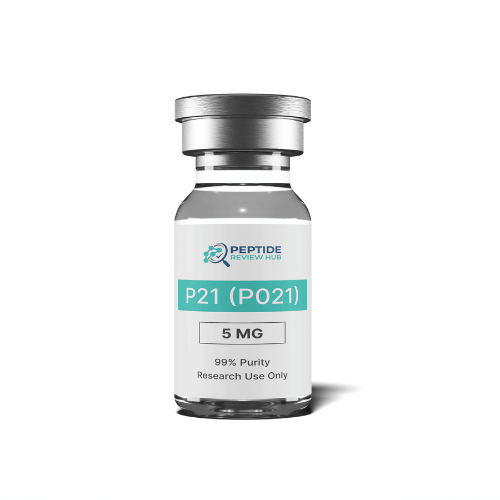
PT 21
PT-21 is an experimental research peptide investigated in controlled laboratory studies of cellular signaling, molecular pathways, tissue biology, and cellular responses. Supplied as a research material for qualified researchers, it is intended strictly for in vitro research and not for human or animal use.
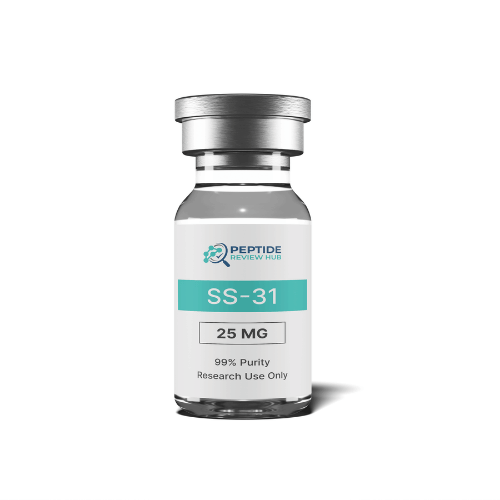
SS-31
SS-31, also known as elamipretide or MTP-131, is a synthetic mitochondria-targeted tetrapeptide studied in laboratory research involving cardiolipin interactions, mitochondrial respiration, oxidative stress, ATP production, and cellular energy metabolism.
GLP-1
GLP-1 is a peptide hormone studied in research involving GLP-1 receptor signaling, cellular communication, metabolic biology, pancreatic pathways, and gastrointestinal research. It is intended strictly for laboratory research and not for human or animal consumption.
Fragment-176-191-CJC1295-Ipamorelin
Fragment-176-191-CJC1295-Ipamorelin is a research peptide blend combining Fragment 176-191, CJC-1295, and Ipamorelin for laboratory research into growth hormone signaling, metabolic pathways, adipose biology, and IGF-1-related mechanisms.